Understanding the 315mm Diameter Conveyor Pulley
A 315mm diameter conveyor pulley is a mid-sized drum used to support and drive the conveyor belt in bulk material handling systems. With a nominal diameter of Ø315, this pulley sits between smaller tail drums and larger drive units, making it a practical choice for medium-capacity lines. In a quarry, a limestone mine, or a sand and aggregate plant, you will often find this size on head, tail, or take-up positions where the belt width is moderate and the load is steady.
The same product is also called a Ø315 conveyor drum or 315mm belt conveyor pulley. These are accurate equivalent names for the same component. Drive pulleys, tail pulleys, and bend pulleys are not interchangeable, and each serves a different role in the conveyor layout.
How the Drum Is Built
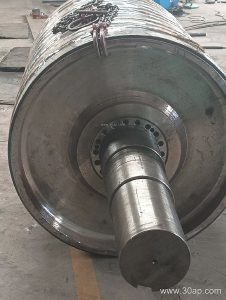
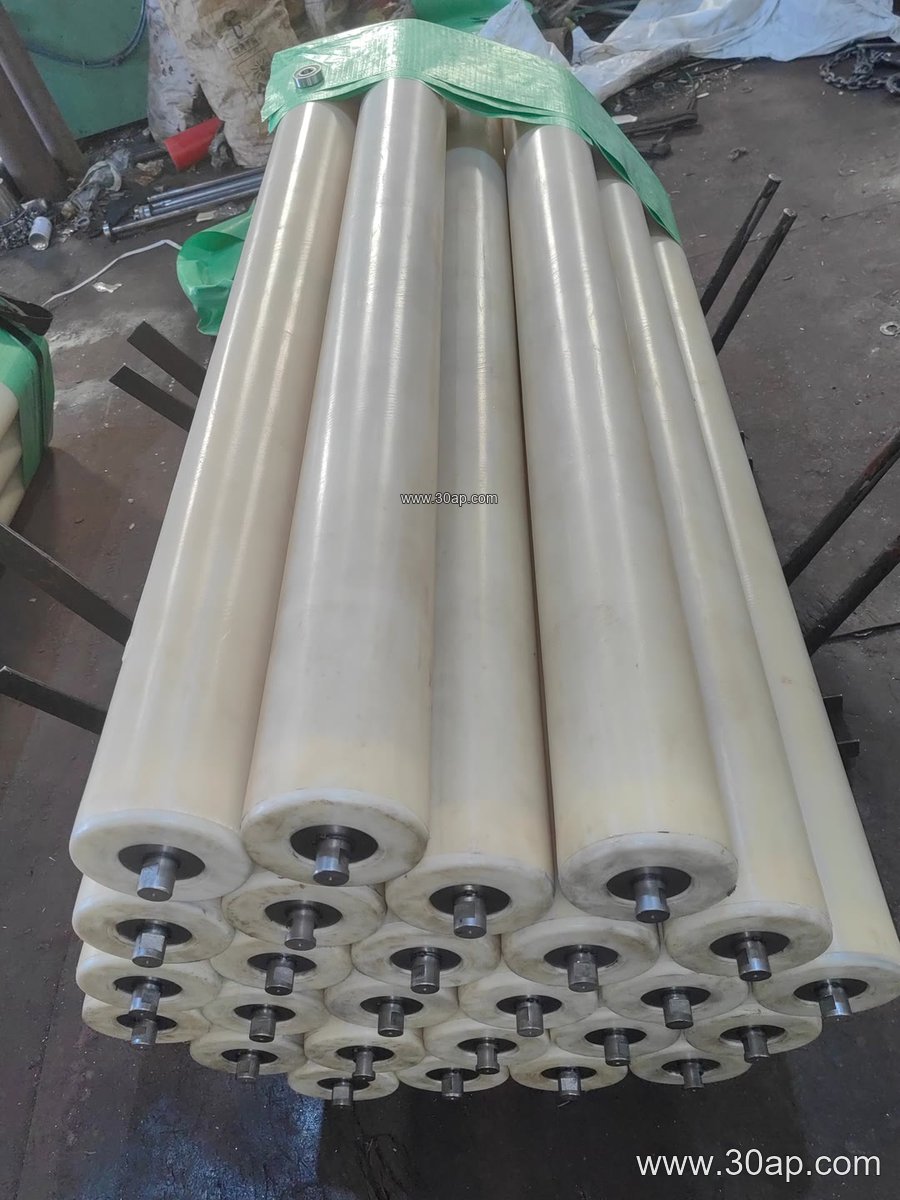
A 315mm diameter conveyor pulley usually consists of a cylindrical shell, two end discs, a shaft, and bearing housings. The shell can be seamless steel tube or rolled plate, machined to keep runout within tolerance. Shaft ends are keyed for coupling or locked to bearing blocks, and the shaft diameter is determined by torque and load rather than belt width alone. Common shaft sizes in this class include Ø80, Ø90, Ø100, and Ø120, but the final value should come from the design calculation.
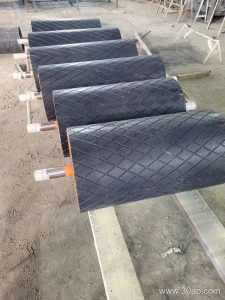
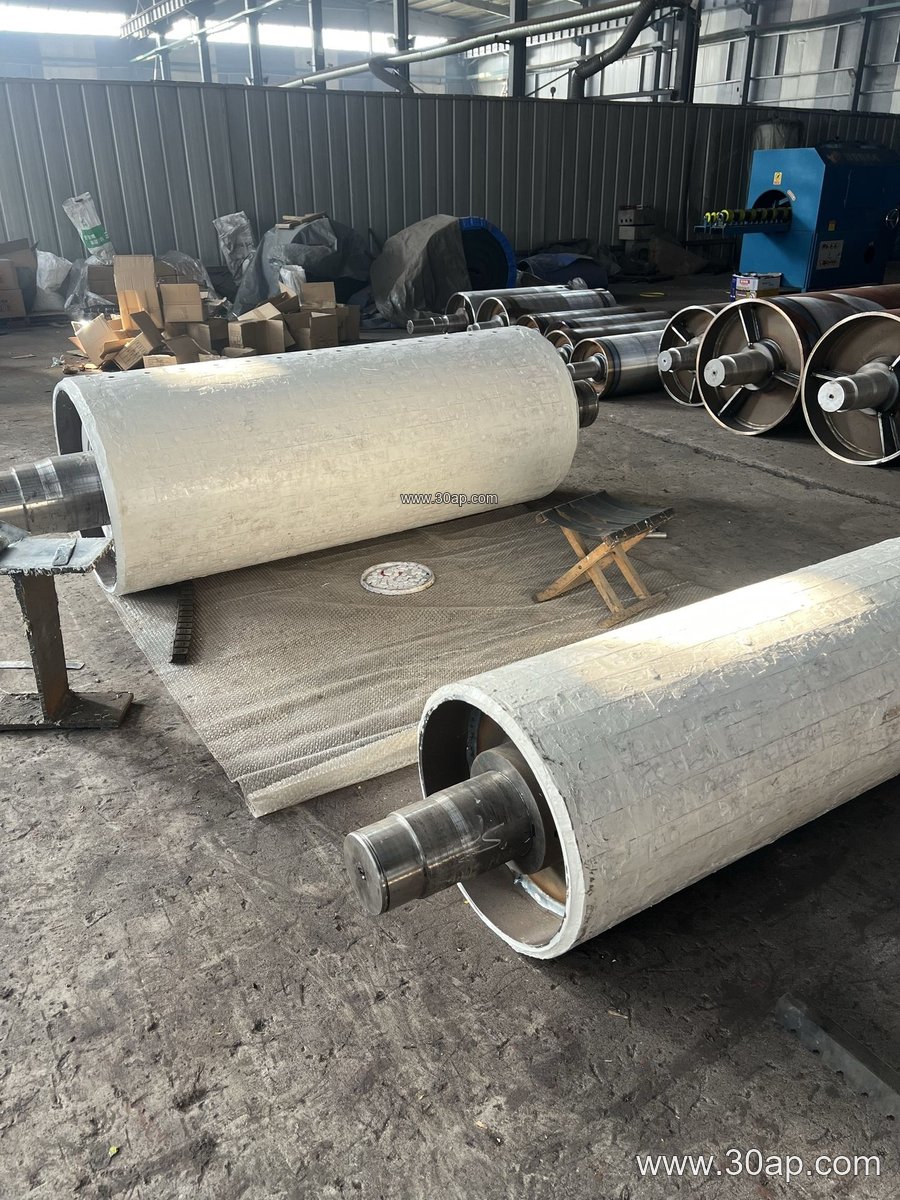
Surface options matter for grip and wear life. A plain face suits light duty, while rubber lagging in 8, 10, 12, or 15 mm thickness improves friction. Diamond or herringbone grooving helps shed water and fines. Ceramic lagging is chosen where abrasive rock or ore causes rapid wear. The pulley face width is normally wider than the belt; for a B800 belt, a face around 950 mm is typical, and for B1000 belts, about 1150 mm.
Where It Fits in the Conveyor
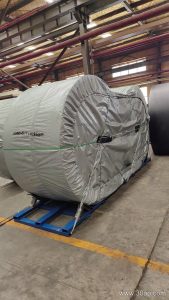
This drum size appears in several positions. At the head, a 315mm drive pulley transmits motion to an EP conveyor belt or a multi-ply fabric core belt. At the tail, it acts as a tail pulley and helps keep the belt tracking. In a take-up section, it can serve as a tension pulley. For comparison, a bend pulley changes belt direction with less wrap angle and often carries a smaller load, so it is not a substitute for a drive pulley.
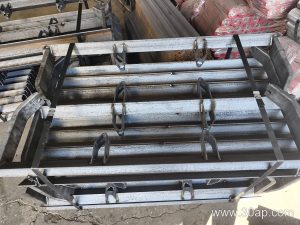
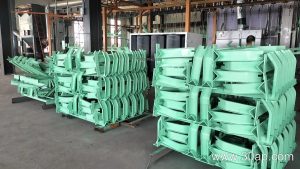
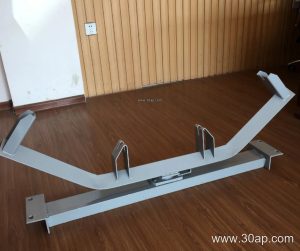
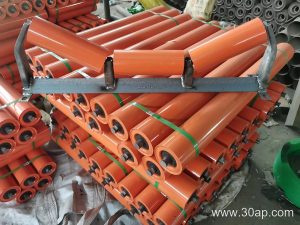
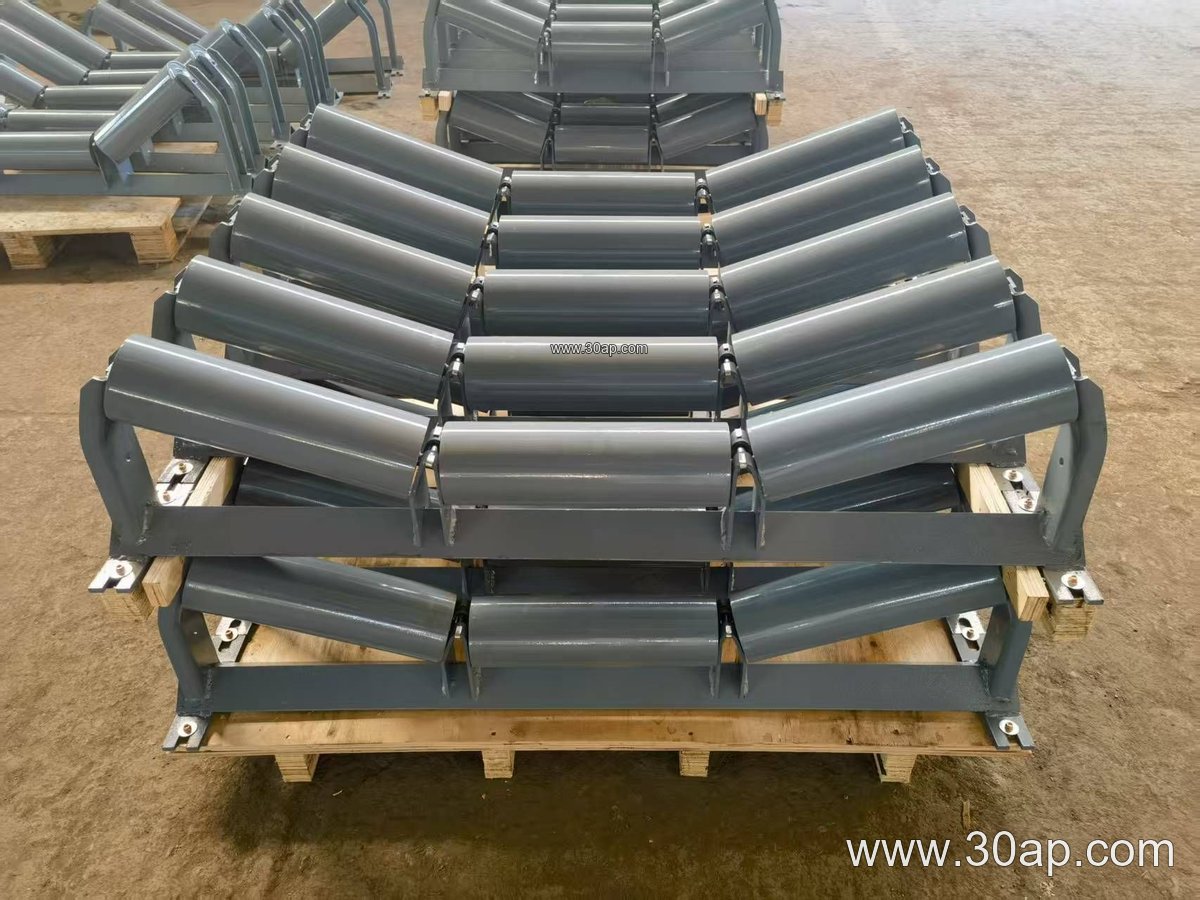
The surrounding hardware matters too. A conveyor bracket holds the bearing housing, and idler rollers support the belt between pulleys. In a coal washing plant or a power plant coal yard, a flame retardant conveyor belt may run alongside this drum. In a cement plant, heat resistant or abrasion resistant belts are common. The pulley itself should be matched to the belt tension rather than picked from a single table.
Common Reference Dimensions
The table below shows typical combinations used in layout discussions. These are reference values, not fixed rules, and final dimensions depend on the conveyor design.
| Belt Width | Typical Pulley Face | Reference Diameter | Typical Shaft Range |
|---|---|---|---|
| B650 | About 750 mm | Ø315 | Ø70–Ø90 |
| B800 | About 950 mm | Ø315 | Ø80–Ø100 |
| B1000 | About 1150 mm | Ø315 | Ø90–Ø120 |
| B1200 | About 1400 mm | Ø315 | Ø100–Ø140 |
Lagging thickness is often 8 to 15 mm for this diameter. Heavier duty may call for 20 mm. A B1200 × Ø315 arrangement is not the only option; the same belt width can work with larger drums where wrap angle and belt stiffness require it.
Buyer Checklist
- Confirm the pulley position: drive, tail, take-up, or bend, because the duty differs.
- State the belt type, such as EP200, NN300, or steel cord ST1000, and the belt width.
- Provide the calculated belt tension and torque so the shaft and bearings can be sized.
- Choose lagging by environment: rubber for general grip, ceramic for abrasive ore, grooved for wet conditions.
- Check face width, bearing centers, and shaft end details against the conveyor bracket.
- Ask for runout, balancing, and lagging adhesion details in the inspection report.
For a quarry conveyor belt line or an underground mining conveyor, a 315mm diameter conveyor pulley can be a reliable mid-range drum when it is specified against real tension data. Pair it with suitable idler rollers and a well-aligned bracket, and it will support the belt without unnecessary stress.