What Conveyor Bracket Fabrication Involves
Conveyor bracket fabrication is the manufacturing of the structural supports that hold idler rollers in place along a conveyor system. These brackets, often called idler frames or roller stands, are the interface between the conveyor belt and the supporting structure. They determine the belt’s trough shape, guide its path, and absorb the loads from bulk materials. In industries such as quarrying, coal mining, and cement production, well-fabricated brackets are essential for keeping a conveyor belt running smoothly and minimizing downtime.
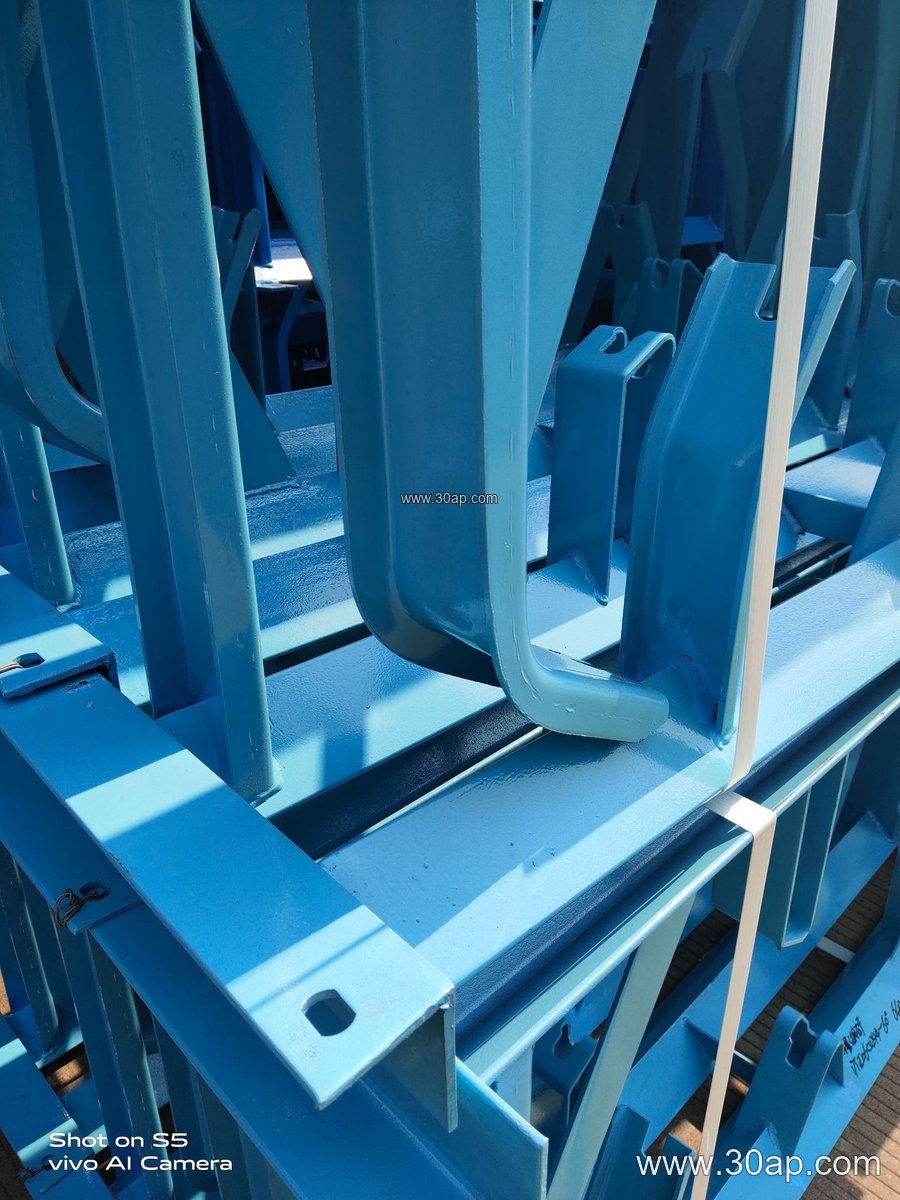
Materials and Construction Methods
Fabricators typically work with angle steel, channel steel, or folded steel plate. The choice depends on the load requirements and the environment. For example, a heavy-duty mining conveyor belt carrying iron ore may require brackets made from thick channel steel, while a lighter aggregate conveyor belt in a sand and gravel plant might use angle steel. Fabrication steps include cutting, drilling, bending, and welding. Precision is critical: mounting hole spacing and crossbeam length must match the belt width and trough angle. A common specification might be a bracket for a B800 belt with a 35-degree trough angle and Ø108 idler rollers, but these values are determined by design, not fixed rules. Adjustable brackets allow the trough angle to be set between 20 and 45 degrees, accommodating different material characteristics.
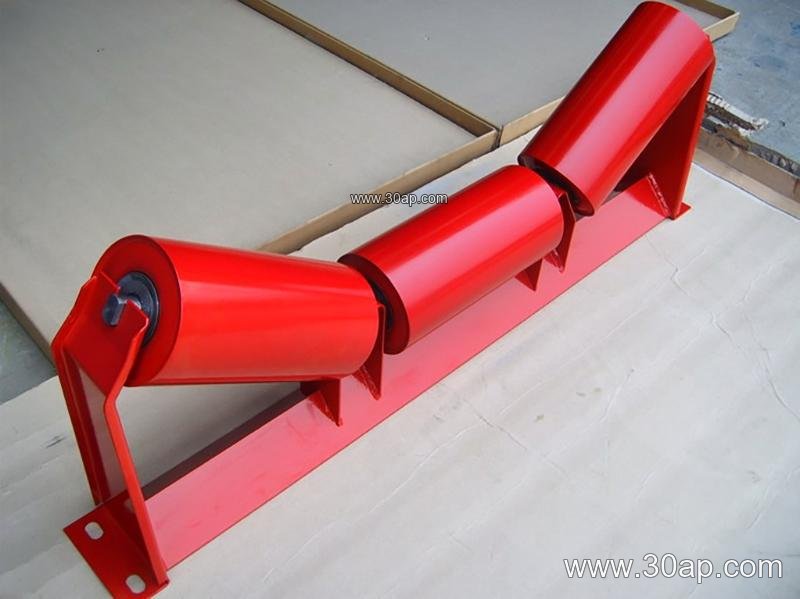
Role in Belt Support and Tracking
Brackets work together with conveyor pulleys, idler rollers, and the conveyor belt itself. The trough angle formed by the brackets affects the belt’s capacity to hold material and its tendency to misalign. Transition brackets, for instance, gradually change the belt from flat to troughed, reducing stress on the belt edges. At the tail pulley, a different bracket arrangement may be used to guide the belt into the loading zone. Proper fabrication ensures that all idlers are aligned, which prevents belt drift and extends the life of the conveyor belt. In coal mining, flame retardant conveyor belts are often used, and the brackets must be robust enough to handle continuous operation without loosening.
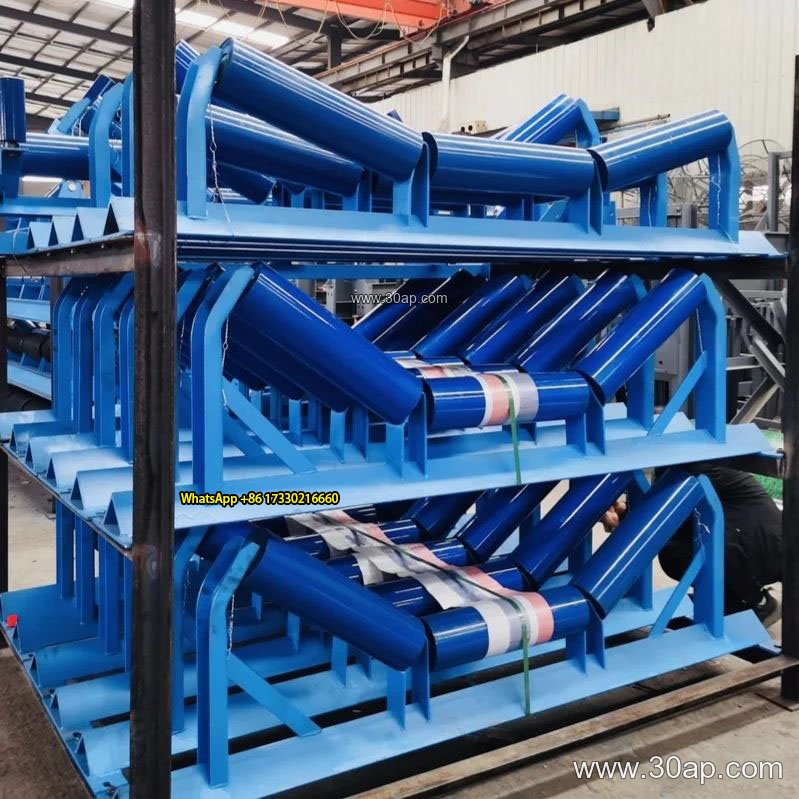
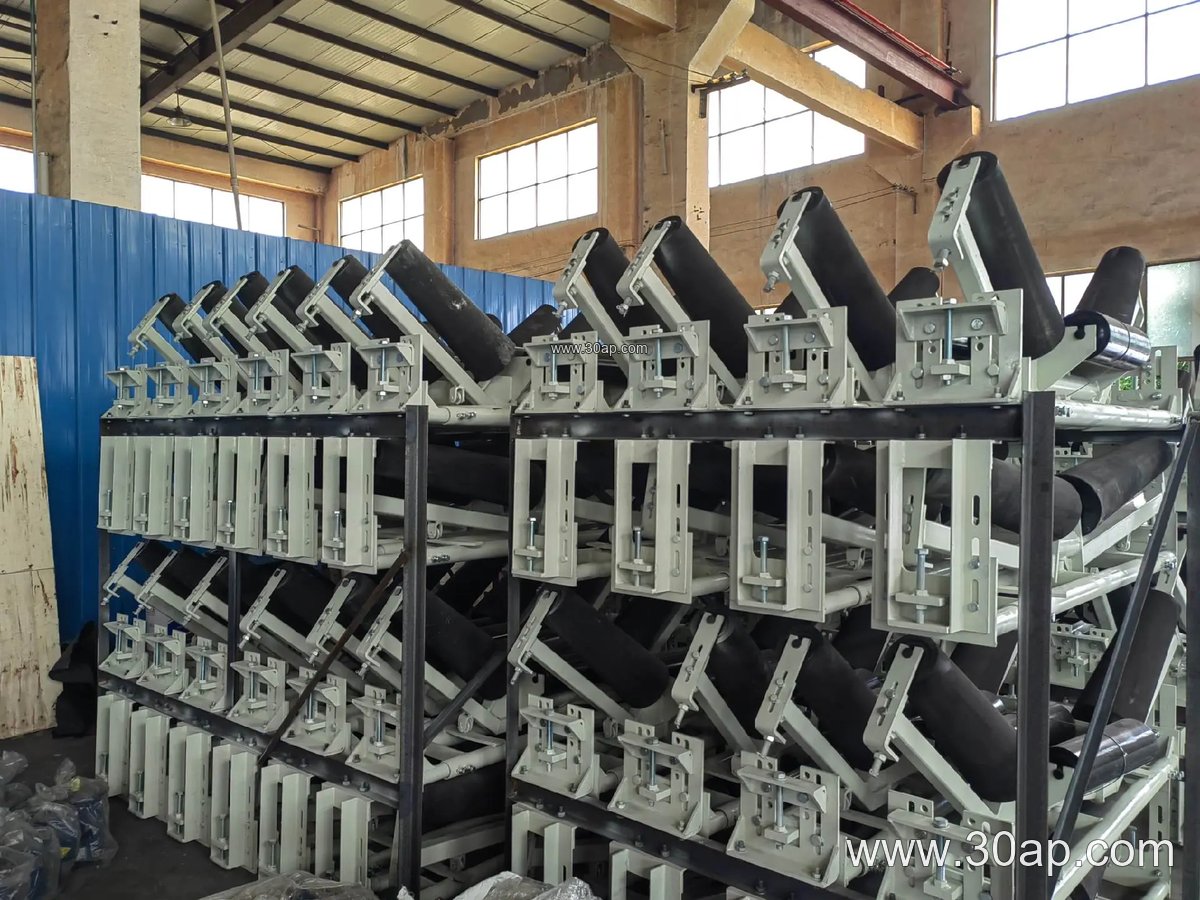
Applications Across Industries
Conveyor brackets are found wherever bulk materials are moved. In a limestone quarry, they support the conveyor belt that carries crushed stone from the crusher to the stockpile. In a power plant, they hold idlers on the coal conveyor, ensuring a steady feed to the boilers. Cement plants use them on clinker conveyors, where heat resistant conveyor belts may be needed, and the brackets must withstand high temperatures without deformation. Port facilities rely on heavy-duty brackets for ship loading conveyors that handle thousands of tons per hour. Each application has specific demands, but the fundamental fabrication principles remain the same.
Key Considerations for Buyers
When sourcing fabricated brackets, buyers should provide clear specifications: belt width, trough angle, roller diameter, and the load profile. For a B1200 belt with a 45-degree trough and Ø133 rollers, the bracket dimensions will differ from those for a B650 belt with a 30-degree trough and Ø89 rollers. It is also important to specify the material and surface treatment, such as hot-dip galvanizing for corrosive environments. Buyers should verify that the fabrication drawings account for the actual mounting hole patterns of the idler rollers to be used. Adjustable brackets offer flexibility for future changes in belt speed or material, but fixed brackets are often more economical for stable operations. Finally, consider the compatibility with other components: the brackets must align with the conveyor pulleys and provide proper clearance for the belt.
Maintenance and Longevity
Even well-fabricated brackets require periodic inspection. Check for loose bolts, corrosion, and deformation, especially in high-impact areas. Replacing worn brackets promptly prevents misalignment that can damage the conveyor belt and idlers. In dusty environments like coal mines, keeping brackets clean and free of buildup helps maintain proper belt tracking. By choosing fabrication that matches the application and performing routine checks, operators can extend the service life of the entire conveyor system.