What a Conveyor Belt Idler Does
A conveyor belt idler is the rotating roller assembly that supports the belt between the head and tail of a conveyor. Sometimes called an idler roller, it carries the loaded strand on the top run and the empty return strand underneath, keeping the belt in a stable trough so material stays centered. In a quarry or aggregate line, hundreds of these small components keep stone moving from the crusher to the screening deck, and their condition directly affects belt life, power draw and spillage.
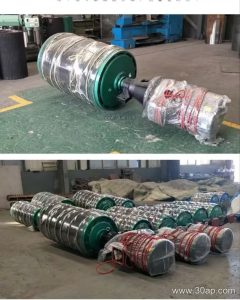
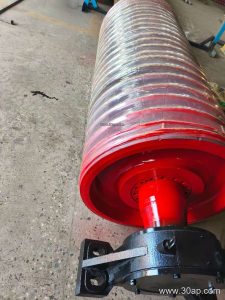
The idler is not the same as a conveyor pulley. Drive, tail and bend pulleys transmit motion or change belt direction at the ends of the conveyor, while idlers simply support and guide the belt along the carrying path. The two work together, but they are not interchangeable.
How an Idler Roller Is Built
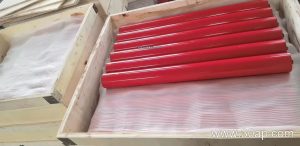
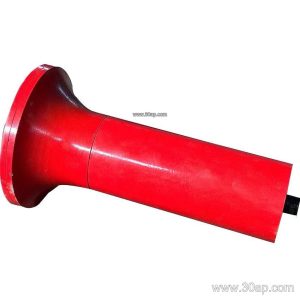
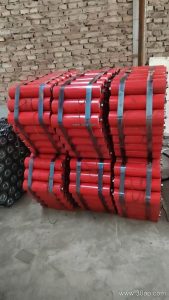
Most units share a simple structure. A steel tube forms the roller shell, with a shaft running through the center. Sealed bearings sit at each end inside bearing housings, and the whole assembly is mounted on a conveyor bracket or frame. The shell surface may be plain steel, nylon, ceramic or fitted with rubber rings for impact absorption.
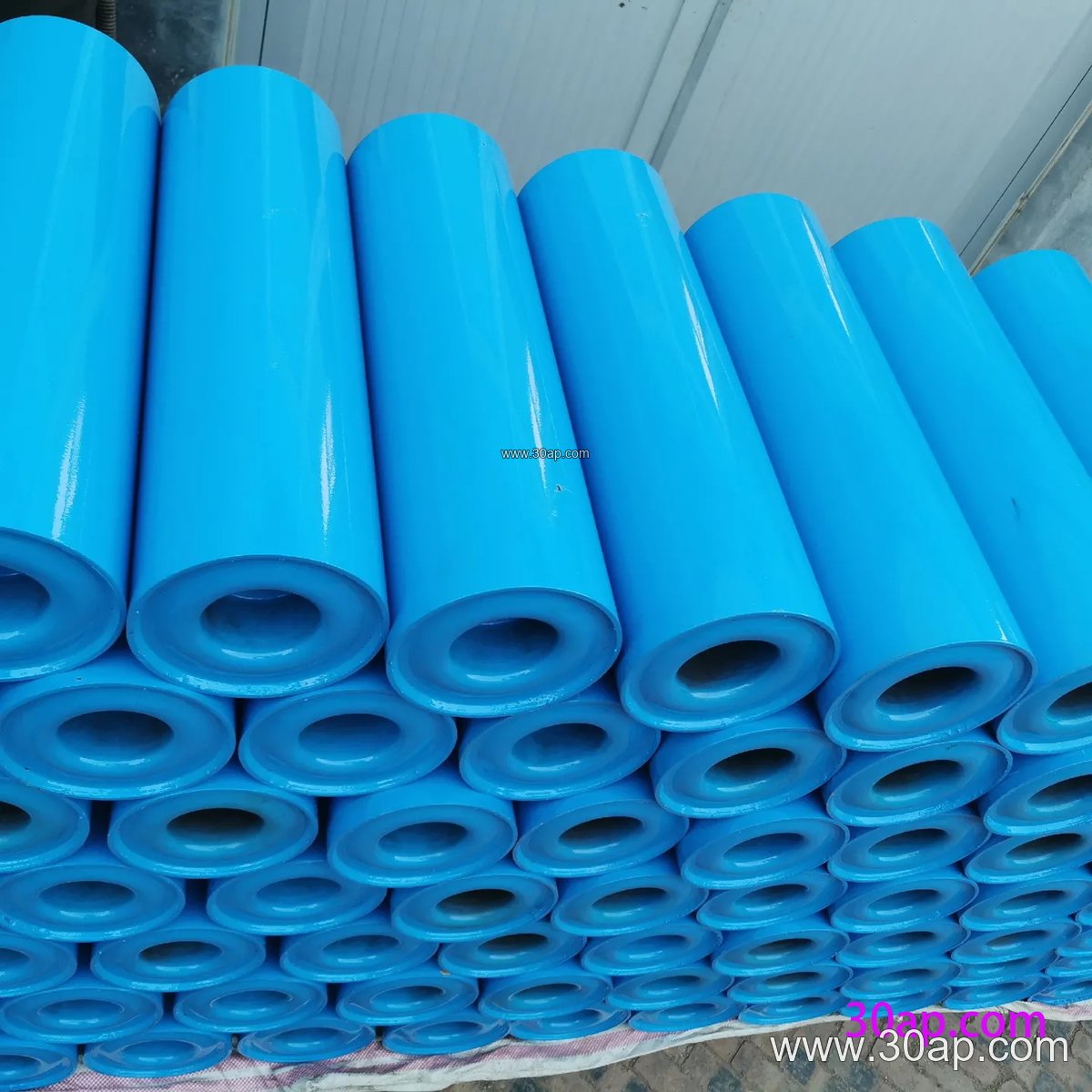
Common roller diameters include Ø63, Ø76, Ø89, Ø102, Ø108, Ø127, Ø133, Ø159, Ø178, Ø194 and Ø219 mm. Bearing sizes such as 6204, 6205, 6305, 6306, 6308 and 6310 appear across the range, but bearing choice follows load and speed, not a single roller diameter.
Troughing Sets and Their Geometry
On the carrying side, three-roll troughing sets are the usual arrangement. Trough angles of 20, 30, 35 and 45 degrees are common, and a slight forward tilt of about 1.5 to 2 degrees is sometimes used on training idlers. Roller length changes with belt width, trough angle and frame design. For example, a three-roll set may use roughly 200 mm rollers at B500, 315 mm at B800, 465 mm at B1200 and 600 mm at B1600. These are typical examples only, and side rollers can differ from the center roller.
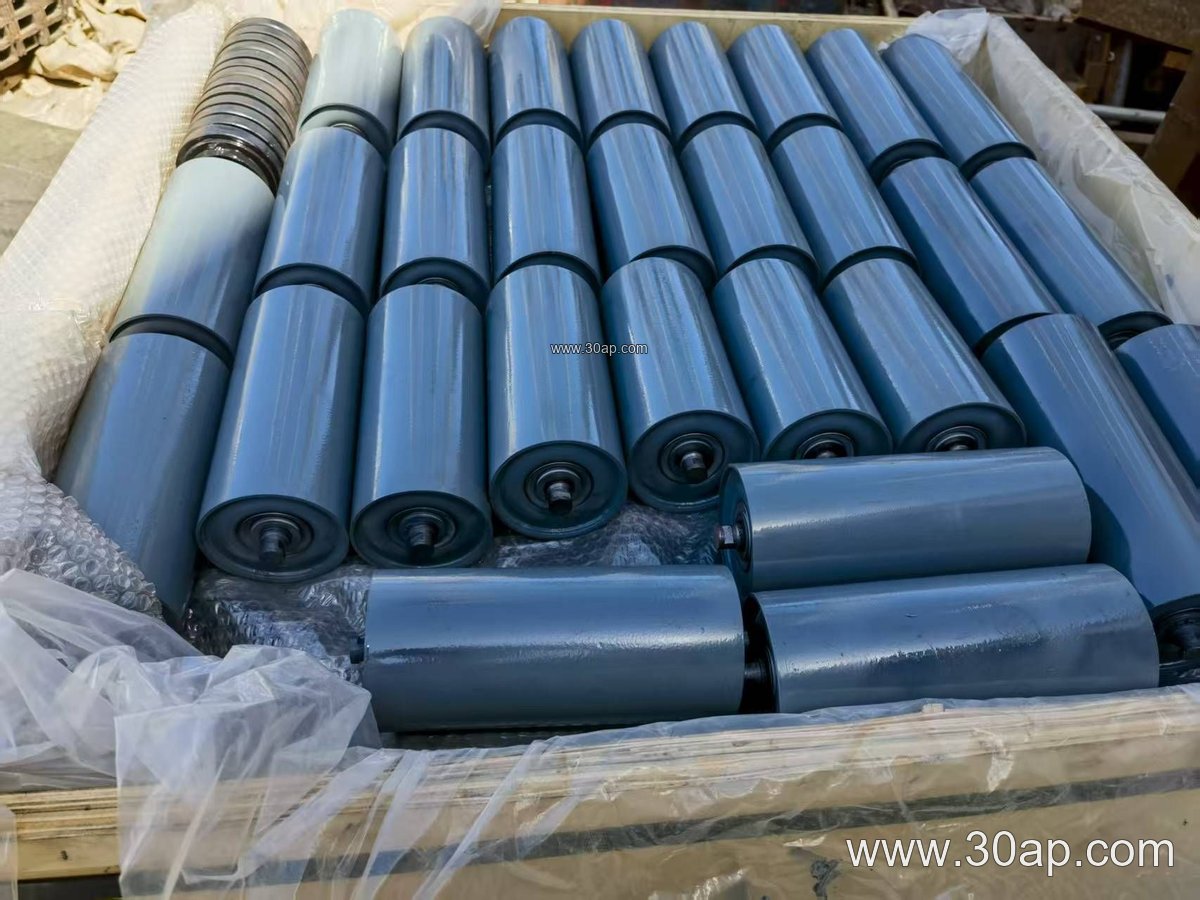
Types You Will Meet on Site
- Carrying idlers support the loaded belt in a trough.
- Impact idlers with rubber rings absorb shock at transfer points below a crusher.
- Return idlers in flat or V form support the empty strand.
- Training idlers correct belt misalignment using friction or tapered rolls.
- Spiral and comb idlers help shed sticky material.
Heavy-duty mining conveyors often pair these idlers with an abrasion resistant conveyor belt or a steel cord conveyor belt, since long centers and sharp rock demand robust support. At a cement plant or power plant coal yard, flame retardant conveyor belt grades are frequently specified alongside well-sealed rollers.
Where Idlers Are Used
Aggregate and quarry conveyors are a natural home for troughing and impact idlers, especially under crusher discharge where lump size is large. Coal handling at a power station or wash plant relies on closely spaced idlers to keep the belt profile steady. In iron ore and copper ore operations, dust and fines make seal quality important, while port ship-loading conveyors need idlers that run true over long distances.
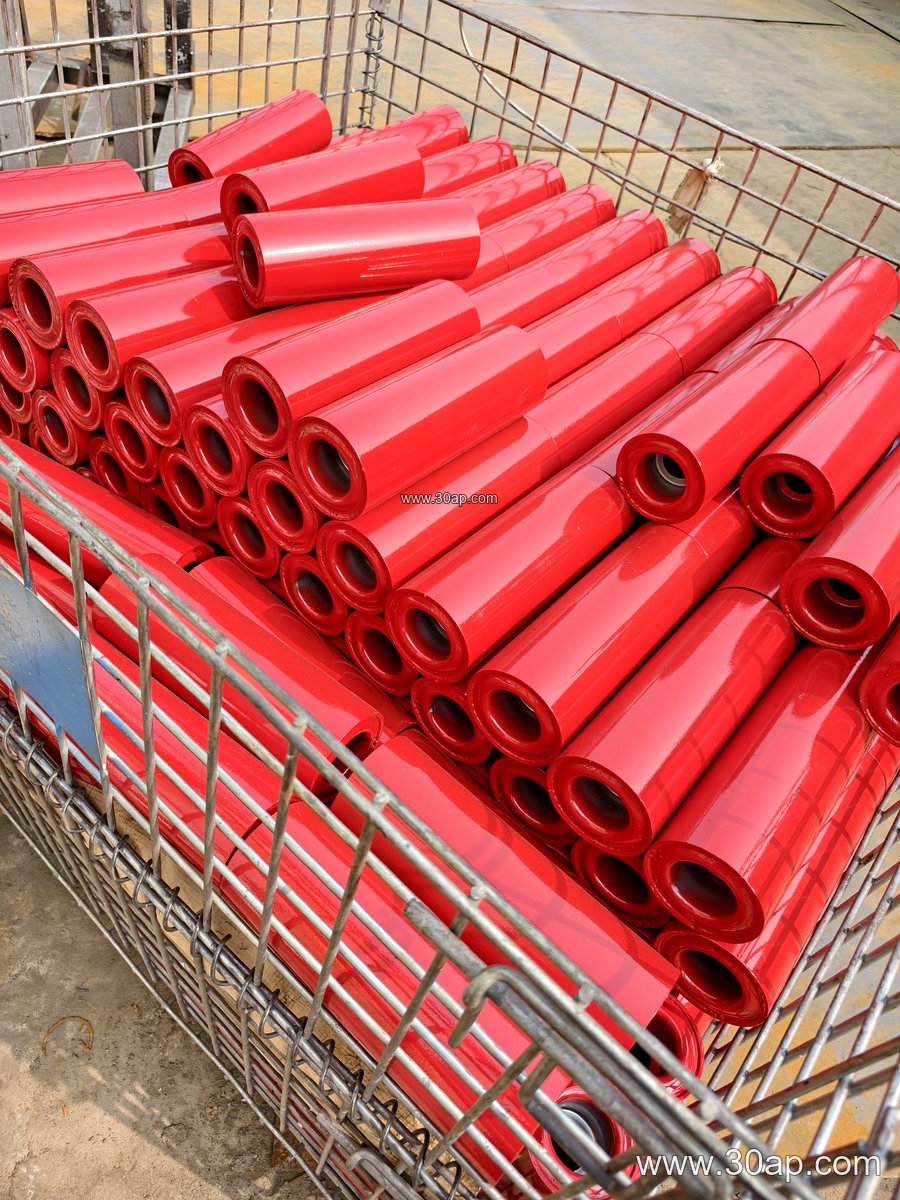
Whatever the duty, idlers should match the belt width, speed and material load. A 1200mm wide conveyor belt and a 650mm belt will not use the same frame or roller length, and no single size fits every conveyor.
Buyer Checklist
Before ordering, confirm belt width, trough angle, roller diameter, shaft size, bearing type and frame hole spacing. Ask how the seal is designed, since dust and water ingress shorten bearing life. Check that the roller surface suits the duty: rubber rings at impact points, ceramic or nylon where buildup is a problem. For references on compatible belting, see https://www.jsconveyorbelt.com/conveyor-belt-idler and https://www.jsconveyorbelt.com/conveyor-belt for related products.
Quick Reference Values
Typical belt width to roller length examples for three-roll troughing sets are shown below. Treat them as design guidance, not fixed matches.
- B500: about 200 mm roller length
- B650: about 250 mm
- B800: about 315 mm
- B1000: about 380 mm
- B1200: about 465 mm
- B1400: about 530 mm
Regular inspection of idler rotation, seal condition and frame alignment prevents belt tracking problems and reduces downtime in any bulk handling operation.