What a Mining Conveyor Bracket Does
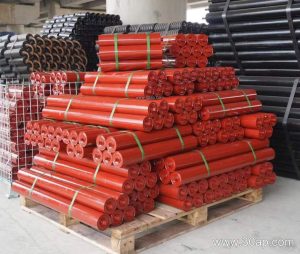
A mining conveyor bracket is the structural support that holds the idler rollers in place along a conveyor’s carrying and return runs. In practice, it is the steel frame that keeps every roller at the right height, angle, and alignment so the belt can travel smoothly under heavy loads. On a quarry conveyor, a cement plant, or a power plant coal yard, these brackets are often the quiet workhorses of the whole system. If a bracket flexes, rusts through, or loses its angle, the belt starts to wander, the idlers wear unevenly, and spillage increases. That is why buyers should treat the bracket as an engineered part, not as a simple piece of bent steel.
How the Bracket Is Built
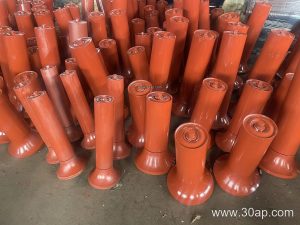
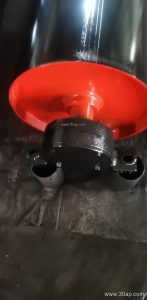
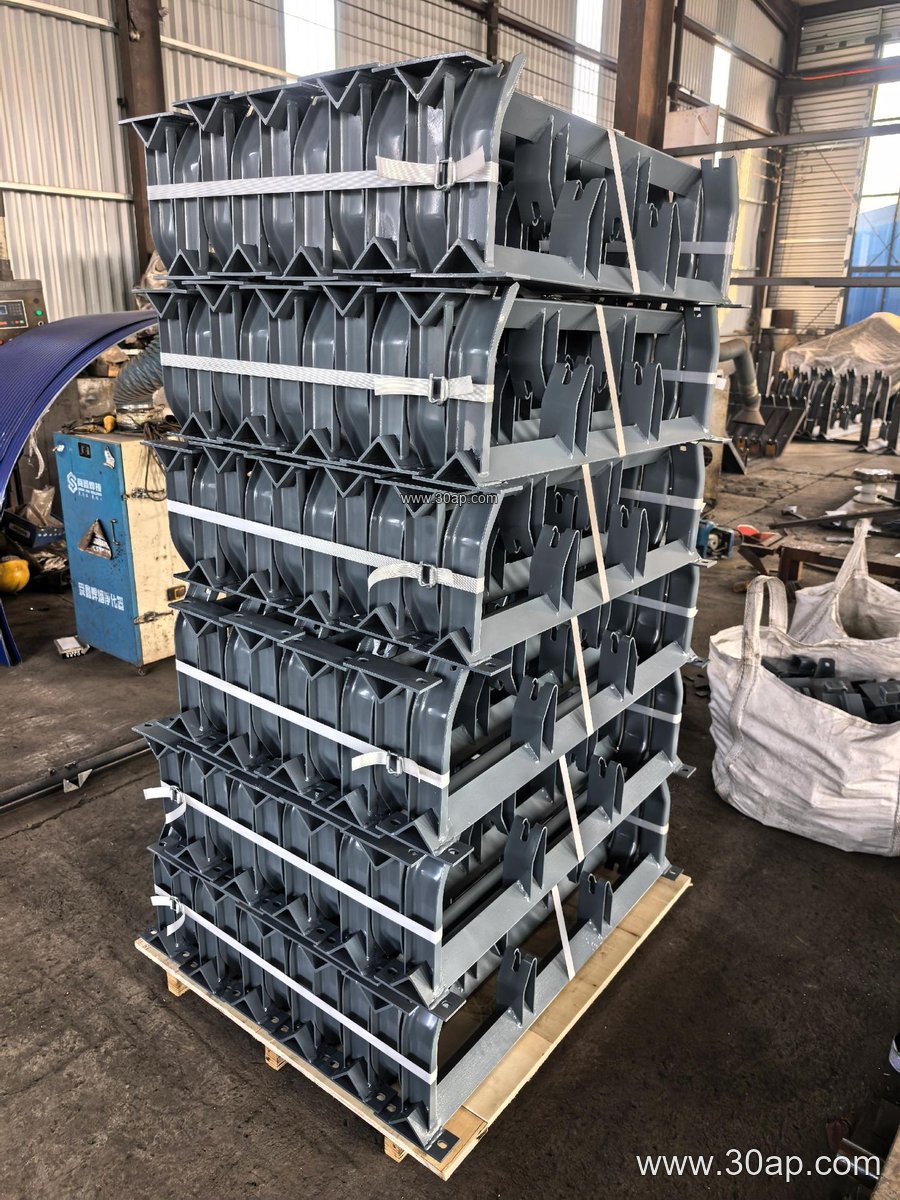
Most brackets are fabricated from angle steel, channel steel, or folded steel plate. The fabrication method matters because the bracket must resist vibration, impact, and corrosion while keeping the roller shafts parallel. A typical troughing bracket carries three idlers, with the two side rollers set at a trough angle and the center roller horizontal. Return brackets may be flat or formed as a V shape to help center the belt. Transition brackets are placed near pulleys to ease the belt from a flat profile into a troughed one. Adjustable versions allow the trough angle to be changed on site, which is useful when a conveyor handles several material types.
Common Bracket Types
- Troughing and upper trough brackets for the carrying side
- Transition brackets near the head and tail areas
- Return and V-return brackets for the lower run
- Impact brackets under loading points
- Self-aligning and forward-leaning brackets for belt tracking
- Hanging and adjustable brackets for special frames
Matching Belt Width, Trough Angle, and Roller Diameter
Bracket dimensions follow the belt width and the intended roller diameter, but there is no single fixed combination. A 500 mm or 650 mm belt may use a 30 degree trough with 89 mm rollers on a small aggregate line, while a 1200 mm or 1400 mm belt in an iron ore operation might run at 35 or 45 degrees with 133 mm or 159 mm rollers. Larger 1800 mm and 2000 mm belts usually call for heavier frames and larger roller diameters, but the final choice is set by the conveyor designer. The table below shows reference ranges, not mandatory pairings.
| Reference Item | Typical Range | Note |
|---|---|---|
| Belt width | B500 to B2200 | Match bracket span to frame design |
| Trough angle | 20, 30, 35, 45 degrees | Adjustable brackets allow changes |
| Roller diameter | 89, 108, 133, 159, 194 mm | Selected with load and belt speed |
| Forward lean | About 1.5 to 2 degrees | Used for belt training |
| Material | Angle, channel, folded plate | Coating depends on environment |
Mounting hole spacing and crossbeam length vary with belt width and trough angle, so these should be confirmed from the conveyor drawing rather than assumed.
Where These Brackets Are Used
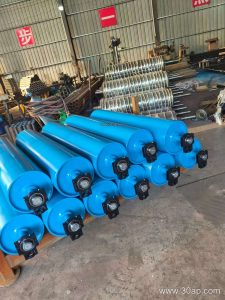
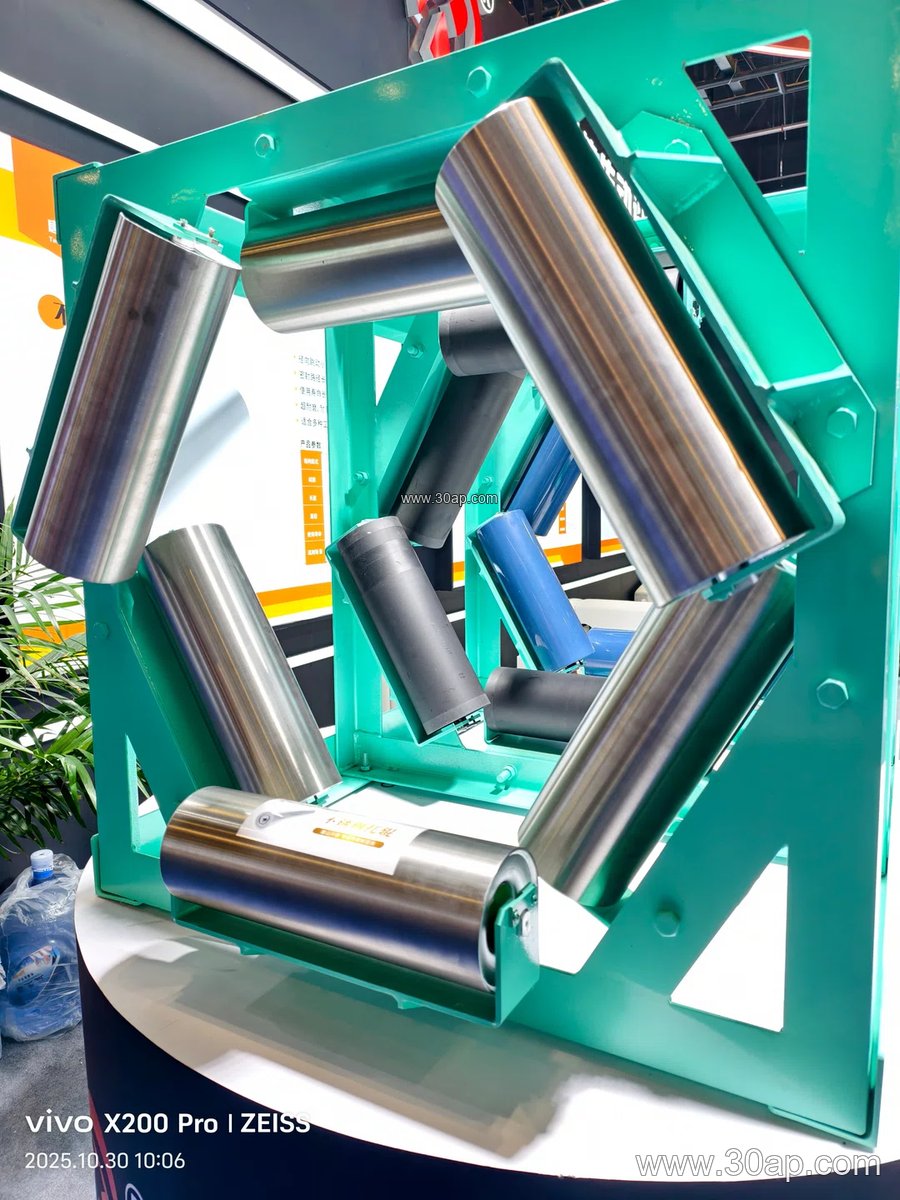
You will find them on a quarry conveyor moving crushed stone, on a coal mining conveyor belt feeding a wash plant, and on a cement plant clinker line where dust and heat are constant. A steel plant sinter line and a port ship loading conveyor also rely on sturdy brackets to keep the belt centered. In underground mining, flame retardant conveyor belt and anti-static belt constructions are common, and the bracket must be built to fit confined frames. On a crusher conveyor belt or an ore conveyor belt handling abrasive rock, impact brackets under the loading zone protect both the idlers and the belt itself.
Buyer Checklist
Before ordering, confirm the belt width, the roller diameter, the required trough angle, and the mounting pattern. Ask whether the bracket is fixed or adjustable, and check the steel thickness and surface treatment for the site conditions. A bracket used near a heat resistant conveyor belt in a cement kiln area may need different protection from one on a cold resistant conveyor belt in a northern stockyard. Also confirm compatibility with the idler roller and conveyor pulley layout, because a bracket that fits the rollers but not the pulley approach geometry will cause tracking problems. For heavy-duty mining conveyor belt systems, specify brackets with enough stiffness to avoid vibration fatigue. Finally, keep a small stock of spare brackets, since replacing one damaged bracket is far cheaper than replacing a torn belt.
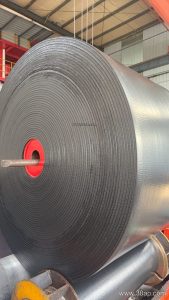
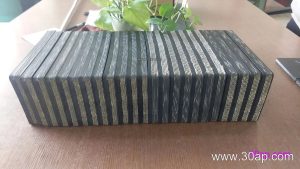
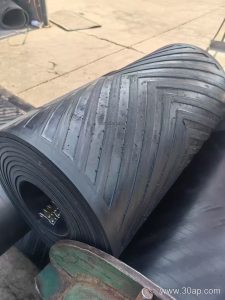
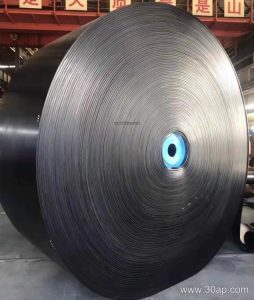
Whether the project involves an EP conveyor belt, a steel cord conveyor belt, or a chevron conveyor belt on an incline, the bracket should be selected as part of the complete conveyor frame. Done well, it keeps the belt running true and extends the service life of every roller on the line.