What a Port Conveyor Belt Does
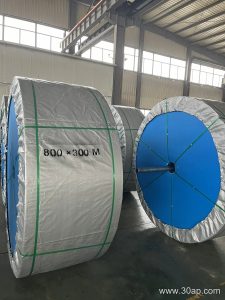
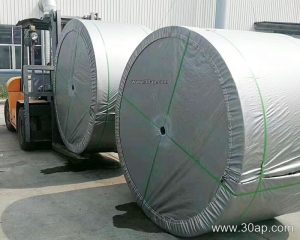
A port conveyor belt is the load-carrying element in the bulk handling system that moves coal, iron ore, fertilizer, grain, cement clinker and similar materials between ship loaders, stackers, reclaimers, storage yards and rail or truck loading points. Compared with a general factory conveyor, the belt in a port works under salt-laden air, frequent start-stop cycles and high tonnage, so the carcass and the cover compound both matter. Users often describe the same product as a ship loading conveyor belt or a bulk material conveyor belt, depending on the duty; the hardware is the same, and the specification is what changes.
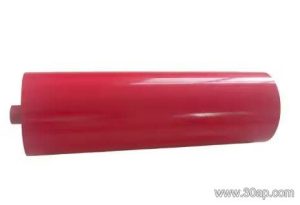
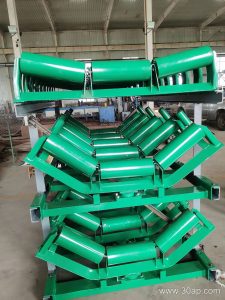
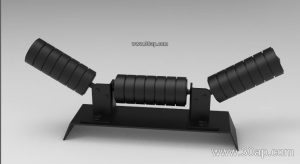
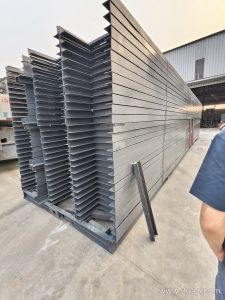
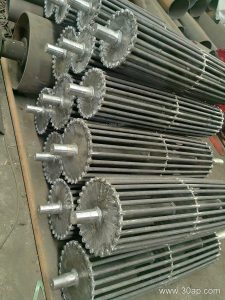
The belt is only part of the line. A complete circuit includes the drive pulley, tail pulley and bend pulleys, plus idler rollers and conveyor brackets that support the belt along the route. Each of those items has its own role and they should not be treated as interchangeable. The belt itself is defined by its carcass, its cover rubber and its edge construction.
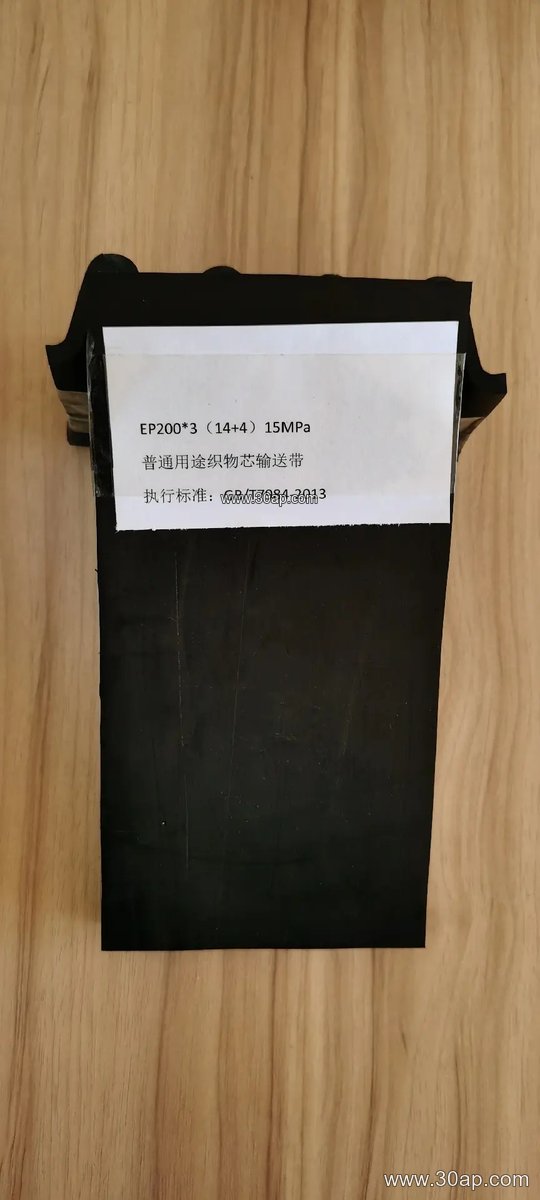
Construction and Common Types
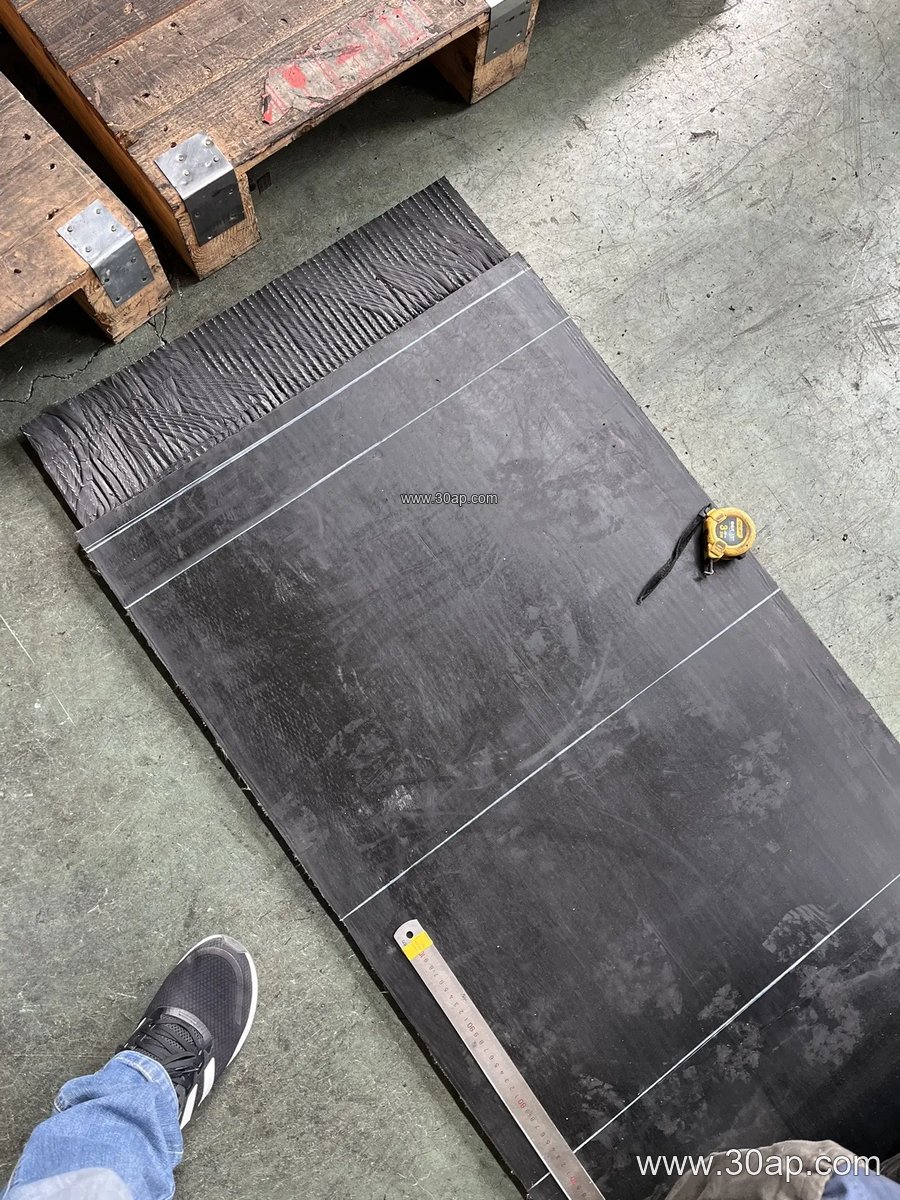
Most port belts use a fabric core or a steel cord core. Fabric core belts are built from multiple plies of EP or NN fabric, which gives good flexibility around smaller pulleys and easier splicing on site. Steel cord belts use parallel brass-plated wires and are chosen when the center distance is long and the belt must carry very high tension with low stretch. The table below gives common reference values; final figures are always confirmed by the belt designer.
| Item | Common reference range |
|---|---|
| Carcass type | EP fabric, NN fabric, steel cord, PVC, PVG |
| Fabric strength grades | EP200 to EP2000 |
| Steel cord grades | ST1000 to ST3150 |
| Belt width | B500 to B2000 (500 mm to 2000 mm) |
| Cover thickness | 3+1.5, 4+2, 5+2, 6+2, 8+3 mm |
| Fabric plies | Usually 2 to 6 layers |
For coal and ore terminals, a flame retardant conveyor belt or fire resistant conveyor belt is often specified, and antistatic properties are commonly requested for dust-rich areas. Where cargo is hot, such as sinter or clinker, a heat resistant conveyor belt is used. Abrasion resistant conveyor belt grades suit sharp rock and ore, while an oil resistant conveyor belt is selected for certain chemical and vegetable cargoes.
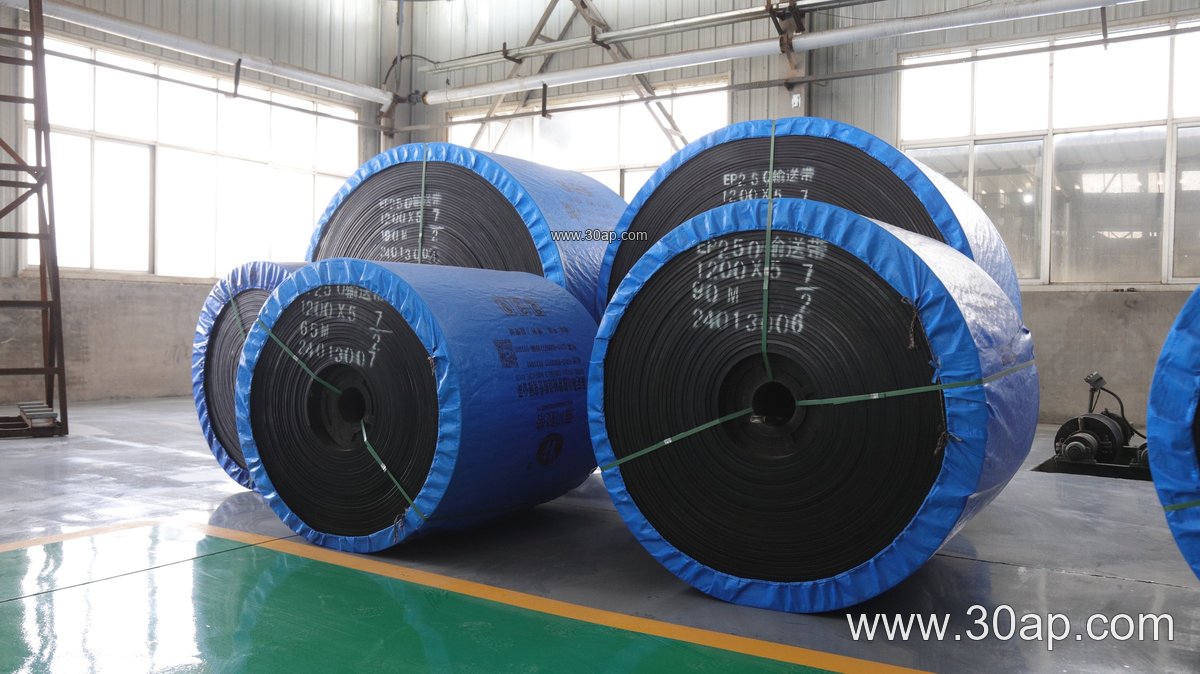
Where the Belt Is Used
Ports handling dry bulk rely on long inclined and horizontal runs. A quarry conveyor belt or aggregate conveyor belt handling limestone and crushed stone faces similar wear. In a cement plant conveyor belt duty, the belt carries clinker and raw meal; in a power plant conveyor belt system, coal is moved from the jetty to the stockyard. A crusher conveyor belt and a rock conveyor belt see impact at the transfer point, so impact resistant grades and adequate top cover help. For steep inclines, a chevron conveyor belt or a corrugated sidewall conveyor belt keeps material from sliding back. Enclosed routes may use a pipe conveyor belt to control dust and spillage.
Underground coal mining conveyor belt and underground mining conveyor belt installations usually call for PVG or PVC grades with flame resistance and antistatic behavior. Surface operations at a gold mining conveyor belt or copper ore conveyor belt site tend to favor heavy-duty mining conveyor belt constructions with thick covers and high strength carcass.
What a Buyer Should Check
- State the material, lump size, moisture and temperature, then match the cover compound to those conditions.
- Give the required strength grade and belt width, and confirm that the pulley diameters are compatible with the selected carcass. A wide belt does not automatically dictate one pulley diameter.
- Ask for the splice method, since a steel cord belt needs a different joint from a multi-ply fabric core belt.
- Review the idler roller spacing and the conveyor pulley condition, because worn rollers shorten belt life more than many buyers expect.
- Confirm the edge type and whether an endless conveyor belt is preferred to reduce joint risk on critical routes.
For inquiries, specify whether the duty is a ship loading conveyor belt for a terminal or a short transfer run, and include the belt width, cover thickness and strength grade. A correctly specified port conveyor belt, matched with sound idler rollers, conveyor pulleys and conveyor brackets, keeps the terminal moving and reduces unplanned stoppages.