Understanding the 800mm Drive Pulley
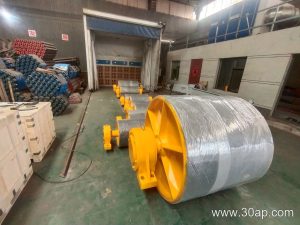
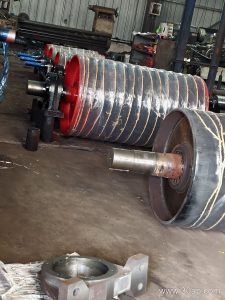
An 800mm drive pulley, also known as an 800mm head pulley, is a key component that transmits power to the conveyor belt in bulk material handling systems. Its 800mm diameter is a common size in medium to heavy-duty applications, offering a balance between torque transmission and belt wrap. This pulley is typically installed at the discharge end of the conveyor, where it drives the belt and discharges material.
Construction and Design Features
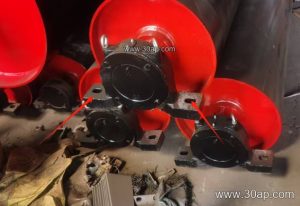
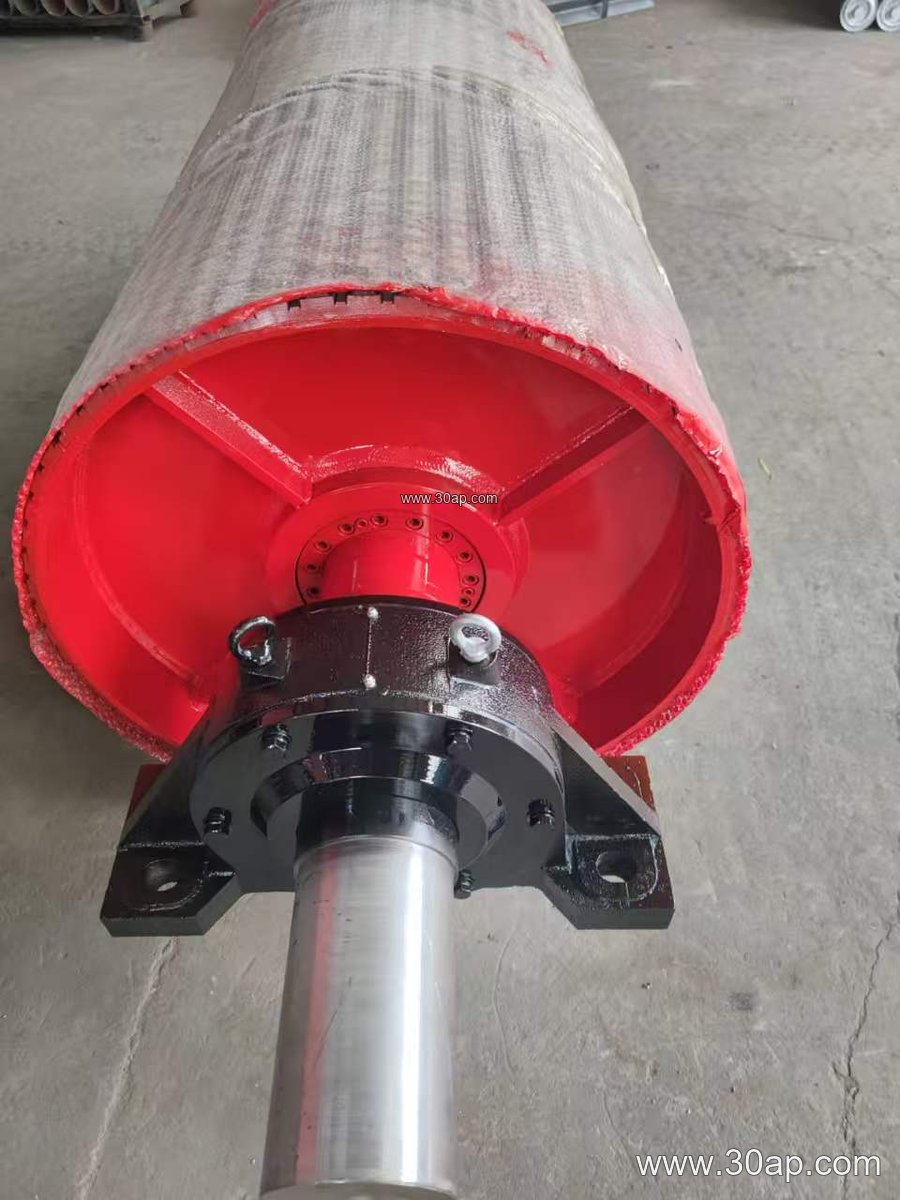
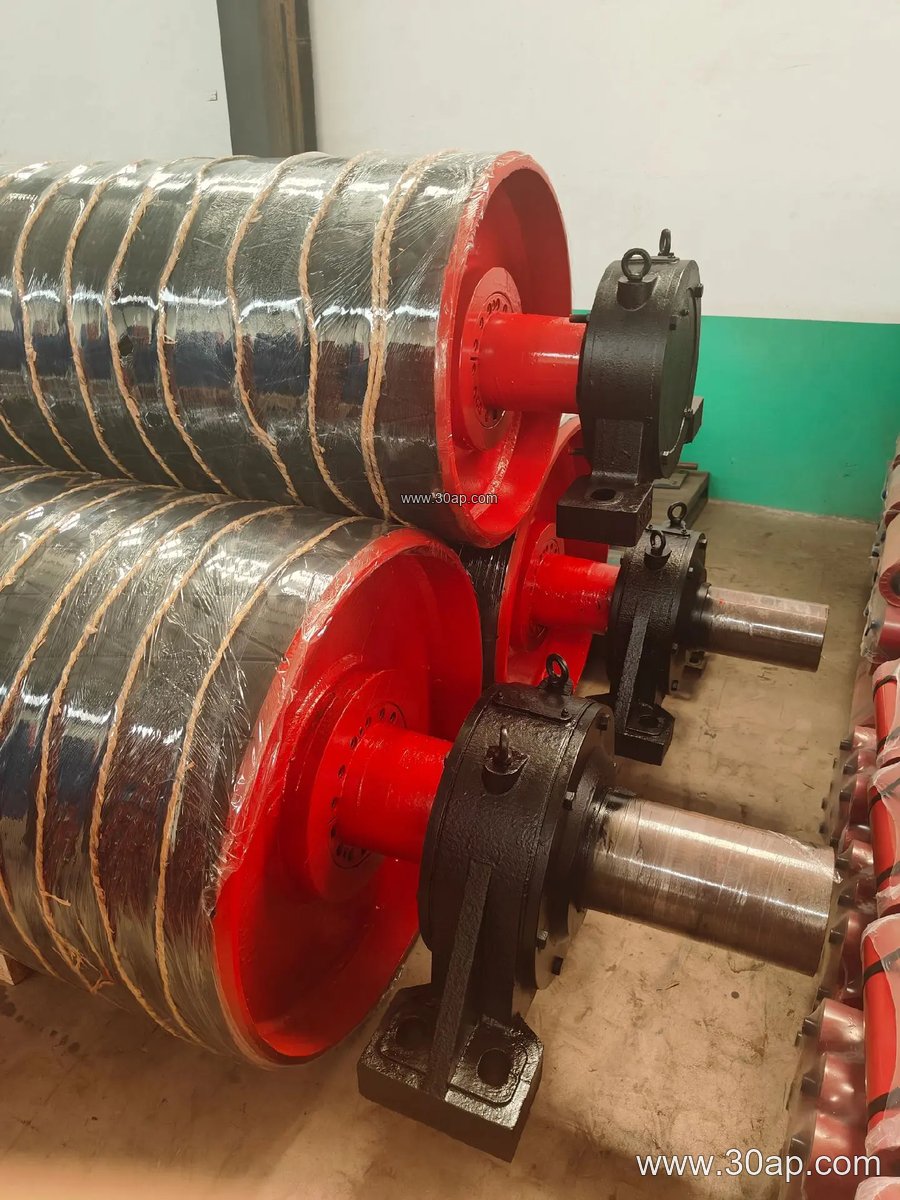
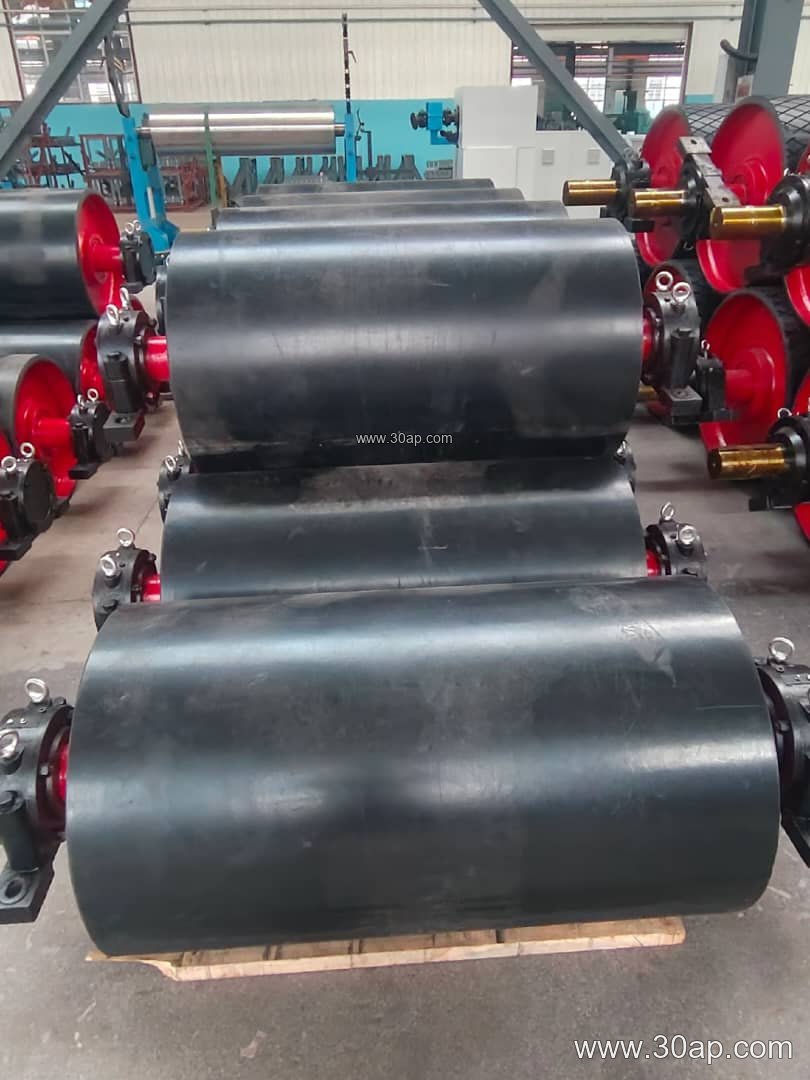
The 800mm drive pulley is built with a robust steel drum, shaft, and bearing assemblies. The drum surface is often covered with rubber lagging to improve traction and protect the belt. Common lagging types include plain rubber, diamond pattern, herringbone, and ceramic lagging, with thicknesses typically ranging from 8mm to 20mm. The shaft diameter is determined by the torque and load requirements, not simply by belt width; common shaft sizes for this pulley may range from Ø100mm to Ø200mm depending on the design.
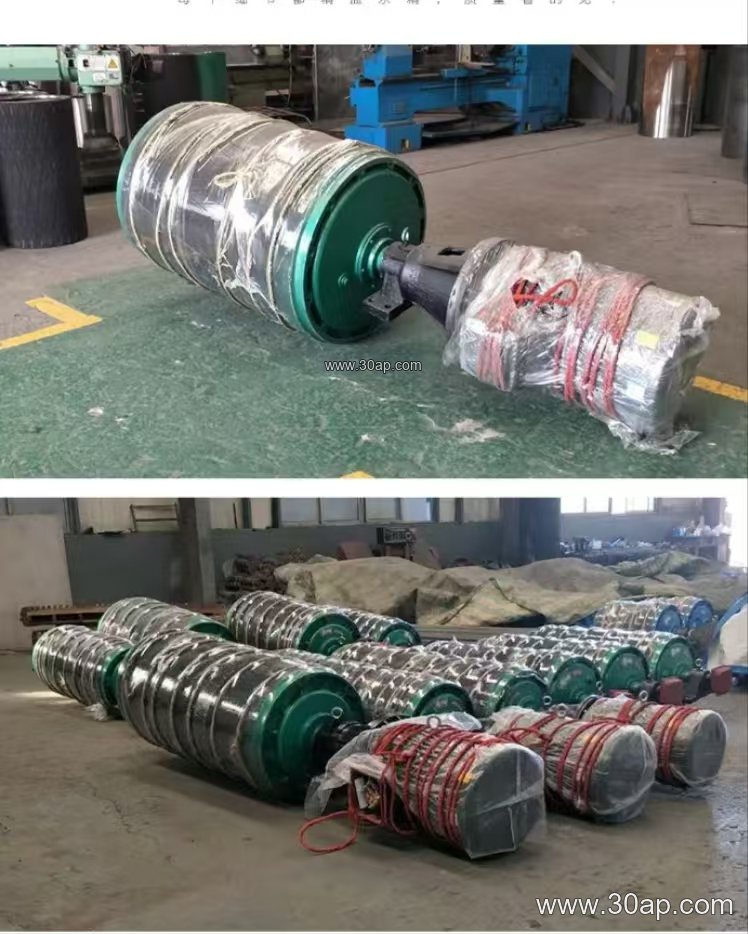
The pulley face width usually exceeds the belt width to ensure proper belt tracking. For instance, a B800 belt might use a pulley face width of approximately 950mm, but this can vary by manufacturer. The 800mm drive pulley is often designed with a welded or bolted hub and can be supplied with a keyless locking assembly or conventional keyway.
Applications in Various Industries
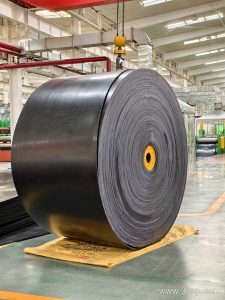
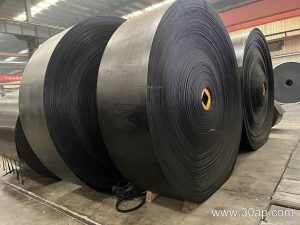
This drive pulley is widely used in industries such as mining, cement, power generation, and quarrying. In a coal mining operation, an 800mm drive pulley might be paired with a flame retardant conveyor belt to safely transport coal. In a cement plant, it could be used with a heat resistant conveyor belt for clinker handling. The pulley’s size makes it suitable for medium-duty applications where space is available and high torque is needed.
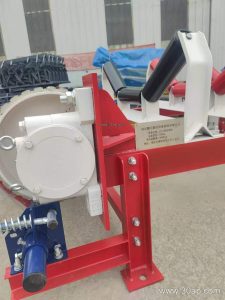
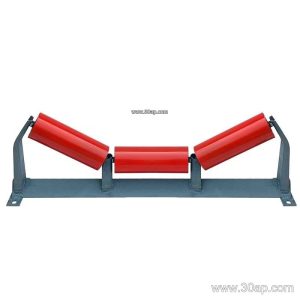
Other industries include aggregate processing, where an abrasion resistant conveyor belt is common, and port facilities handling bulk materials. The 800mm drive pulley works in conjunction with conveyor idlers, brackets, and the belt to ensure smooth operation.
Key Specifications and Selection Considerations
When selecting an 800mm drive pulley, buyers should consider diameter, face width, shaft diameter, lagging type, and bearing size. The following table provides typical reference values; actual specifications should be confirmed with the manufacturer.
| Parameter | Common Range |
|---|---|
| Diameter | 800 mm |
| Face Width | 950 mm to 1200 mm (for B800 to B1000 belts) |
| Shaft Diameter | Ø100 mm to Ø200 mm (based on torque) |
| Lagging Thickness | 8 mm, 10 mm, 12 mm, 15 mm, 20 mm |
| Lagging Type | Plain rubber, diamond, herringbone, ceramic |
| Bearing Type | Spherical roller bearings |
It is important to match the pulley to the conveyor belt width and the required power. For example, an 800mm drive pulley might be used with an EP conveyor belt or a steel cord conveyor belt, depending on the tension and load. The pulley diameter should be large enough to avoid excessive belt bending stress, but not so large that it wastes space. A common rule is that the pulley diameter should be at least 30 times the belt thickness for fabric belts, but this is not a fixed rule.
Maintenance and Operational Tips
Regular inspection of the 800mm drive pulley is essential for reliable operation. Check the lagging for wear or damage, as worn lagging reduces traction and can cause belt slip. Ensure that the pulley is properly aligned with the conveyor frame to prevent belt misalignment. Lubricate the bearings according to the manufacturer’s schedule, and monitor for any unusual noise or vibration. In dusty environments, such as a quarry or coal mine, consider using sealed bearings and periodic cleaning to extend pulley life.
When replacing a pulley, verify the shaft size and keyway dimensions to ensure compatibility. Also, check that the new pulley’s face width matches the existing belt width and that the lagging type is suitable for the material being conveyed.
Buyer’s Checklist
- Confirm the required diameter (800mm) and face width based on belt width.
- Specify the lagging type and thickness for the application (e.g., diamond lagging for wet conditions).
- Provide the shaft diameter and bearing type, determined by torque calculations.
- Ensure the pulley is balanced and machined to the correct tolerances.
- Consider the environment: for corrosive areas, use suitable coatings; for high temperatures, select heat-resistant lagging.
- Verify that the pulley meets any relevant safety and quality standards for the industry.
By understanding these factors, buyers can select an 800mm drive pulley that enhances conveyor performance and longevity.