What a 1200mm Wide Conveyor Belt Is
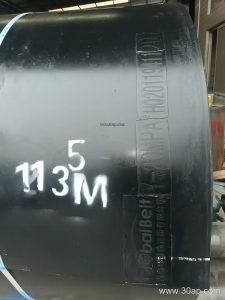
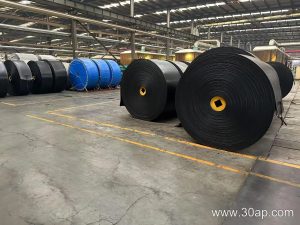
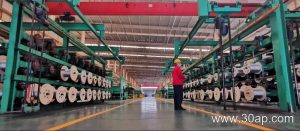
A 1200mm wide conveyor belt is a heavy-duty bulk material belt with a nominal width of 1.2 meters, commonly written as B1200. This width sits in the high-capacity range of standard belt sizes, above 1000mm and below 1400mm, and it is widely used where a single conveyor must move large tonnages without excessive belt speed. In mining, coal preparation, cement plants, power stations, and sand and gravel yards, a 1200mm wide conveyor belt often forms the backbone of the main haulage line between a crusher and a stockpile or a ship loader.
The width alone does not define the belt. A B1200 belt may be an EP conveyor belt, an NN conveyor belt, a steel cord conveyor belt, or a special construction such as a chevron or corrugated sidewall belt. Each version serves a different duty, and buyers should treat width as one dimension in a larger specification.
Construction and Common Specifications
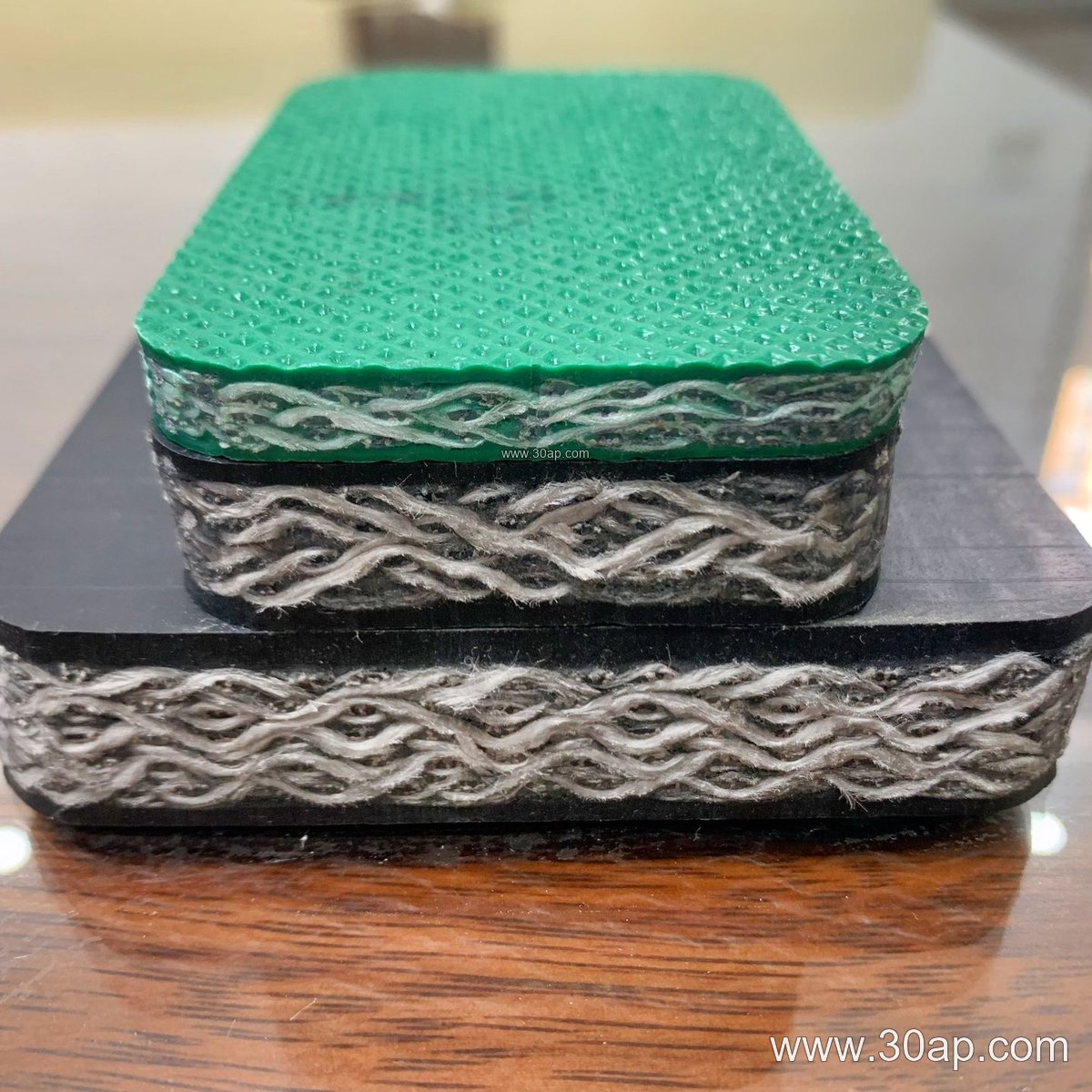
Most 1200mm wide belts use a fabric core or a steel cord core. Fabric core belts are built from multiple plies of EP or nylon fabric, while steel cord belts use parallel brass-plated wires for very long runs and high tension. Cover rubber is selected for the cargo and the environment: abrasion resistant grades for ore and crushed rock, heat resistant grades for clinker and sinter, flame retardant and anti-static grades for underground coal mining, and oil resistant grades for certain industrial feeds.
Typical reference values for a B1200 belt are shown below. These are common ranges, not fixed supply promises, and final values depend on the manufacturer and the conveyor design.
- Belt width: B1200 (1200mm), also written 1200mm wide
- Fabric core types: EP200, EP315, EP400, EP500, EP630, EP800, EP1000, EP1250
- Nylon core types: NN100, NN200, NN300, NN400
- Steel cord types: ST1000, ST1250, ST1600, ST2000, ST2500
- Cover thickness examples: 4+2mm, 5+2mm, 6+2mm, 8+3mm
- Fabric plies: usually 2 to 6 layers
For example, an EP1000 1200mm conveyor belt with 6+2mm covers is a common heavy-duty choice for a primary crushing discharge, while a PVG800S belt may suit underground coal applications where flame resistance and anti-static behavior are required. The belt should always be matched to the actual tension, impact, and environmental conditions rather than chosen by width alone.
Where the 1200mm Width Fits
The 1200mm width is popular in high-output circuits. A quarry conveyor belt at this width can carry coarse rock from a jaw or impact crusher to a screening plant, and an aggregate conveyor belt of the same size can feed a stockpile or a barge loading system. In cement plants, a 1200mm wide belt often handles limestone, clinker, or raw meal, while power plants use it for coal conveying. Port and ship loading conveyors also favor this width because it allows high throughput with moderate belt speed.
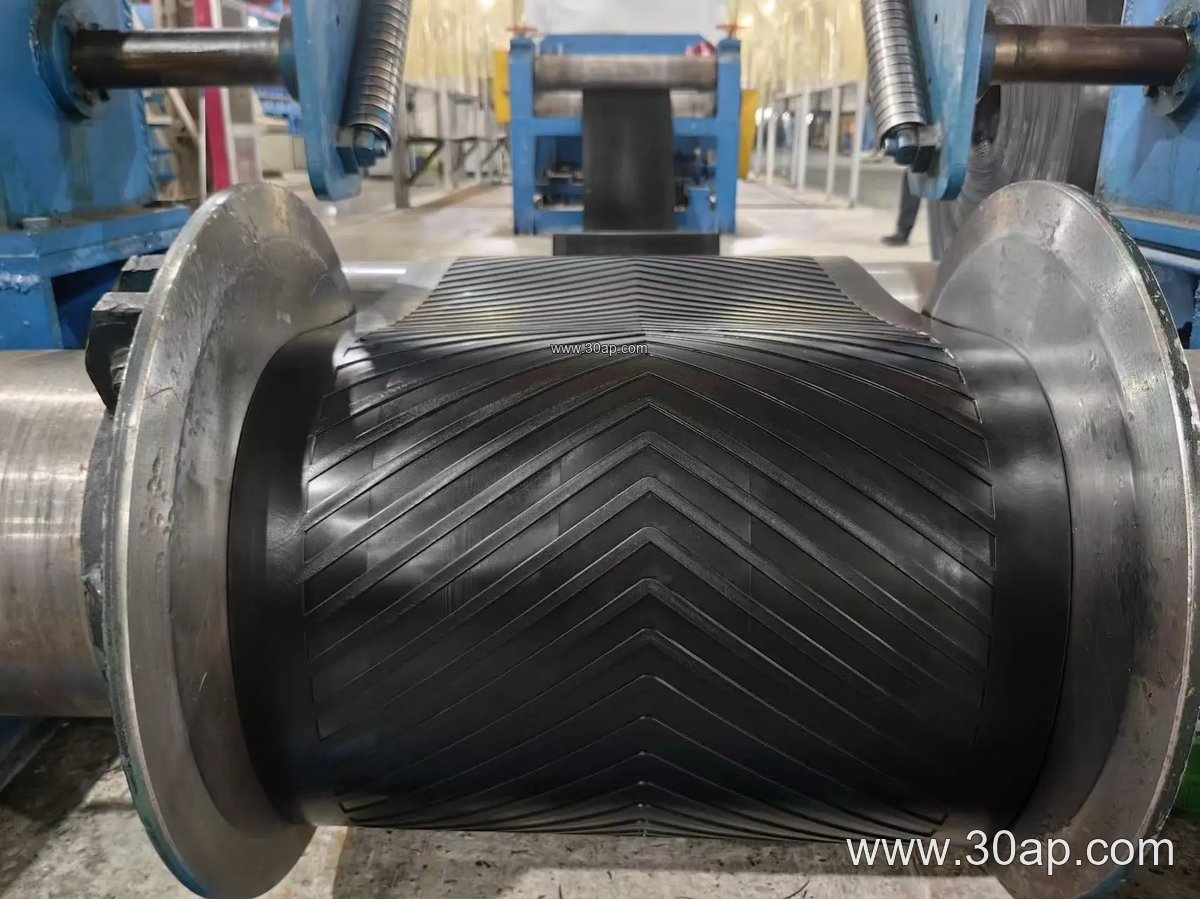
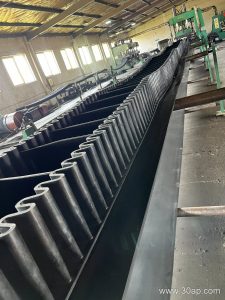
Specialty versions extend the range. A chevron conveyor belt or a corrugated sidewall belt in 1200mm width can handle inclined sections where material would otherwise slide back. A pipe conveyor belt is a different concept and is not a replacement for an open 1200mm belt, but it may be compared when routing or dust control is the deciding factor.
Buyer Checklist
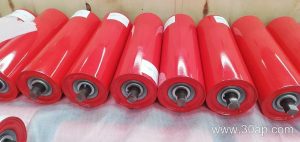
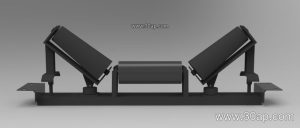
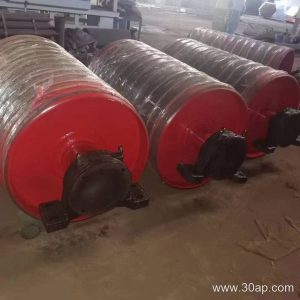
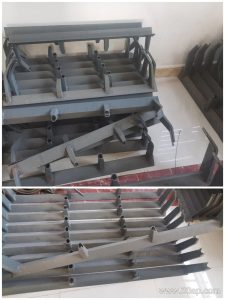
Before ordering, confirm the belt type, core material, and cover grade. Check the required tensile strength, cover thickness, and whether flame retardant or anti-static properties are needed. Review the conveyor pulley diameters, idler roller spacing, and conveyor bracket layout to ensure the belt will track correctly. A wider belt needs adequate support and a properly sized drive pulley, but no single pulley diameter is fixed by belt width alone.
Ask for the belt’s mass per square meter, minimum bend radius, and splice method. For long runs, consider a steel cord belt; for general bulk handling, an EP or NN fabric belt is often sufficient. Keep spare idler rollers and pulley lagging in the maintenance plan, and inspect the belt edges regularly, since edge damage is a common failure point on wide belts.
For more information on matching a 1200mm wide conveyor belt with conveyor pulleys, idler rollers, and conveyor brackets, contact the belt supplier with the full conveyor duty data.