What a Skirted Conveyor Belt Is
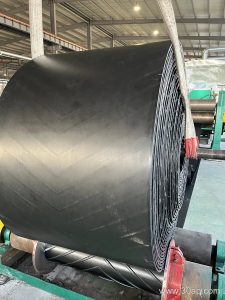
A skirted conveyor belt is a rubber belt fitted with raised flexible side walls, often called skirts, that run along both edges of the carrying surface. The skirt keeps bulk material inside the belt path instead of spilling over the edges, which matters in mining, coal preparation, cement plants, power stations, and sand and gravel yards where fine or loose material is loaded quickly. In many catalogues the same product appears as a raised-edge belt or a belt with rubber side skirts; these are accurate equivalents for the same construction.
It is different from a corrugated sidewall belt, where tall corrugated walls and cleats handle steep inclines. A skirted belt is usually a flatter, troughed belt with modest edge skirts for containment, not a steep-angle conveyor. The two are sometimes compared, but they are not interchangeable choices.
How the Belt Is Built
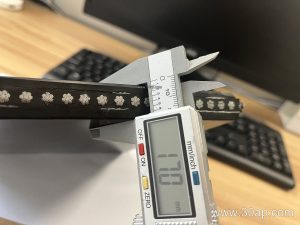
The carcass can be fabric based or steel cord based, depending on load and distance. Common options include EP conveyor belt constructions and NN conveyor belt constructions, with multi-ply fabric core conveyor belt builds used for general bulk handling. Heavier duty lines may use a steel cord conveyor belt, especially on long haul routes. The skirt itself is normally a flexible rubber or rubber-fabric strip bonded to the belt edge, and it is designed to flex as the belt passes over the conveyor pulley and idler roller set.
Cover compounds are selected for the site, not for a catalogue sheet. Abrasion resistant conveyor belt grades suit crushed rock and ore, heat resistant conveyor belt grades suit clinker and hot ash, and flame retardant conveyor belt or fire resistant conveyor belt grades are often requested for coal mining conveyor belt and underground coal mining conveyor belt duties. Oil resistant conveyor belt and anti-static conveyor belt options exist where the material or the environment requires them.
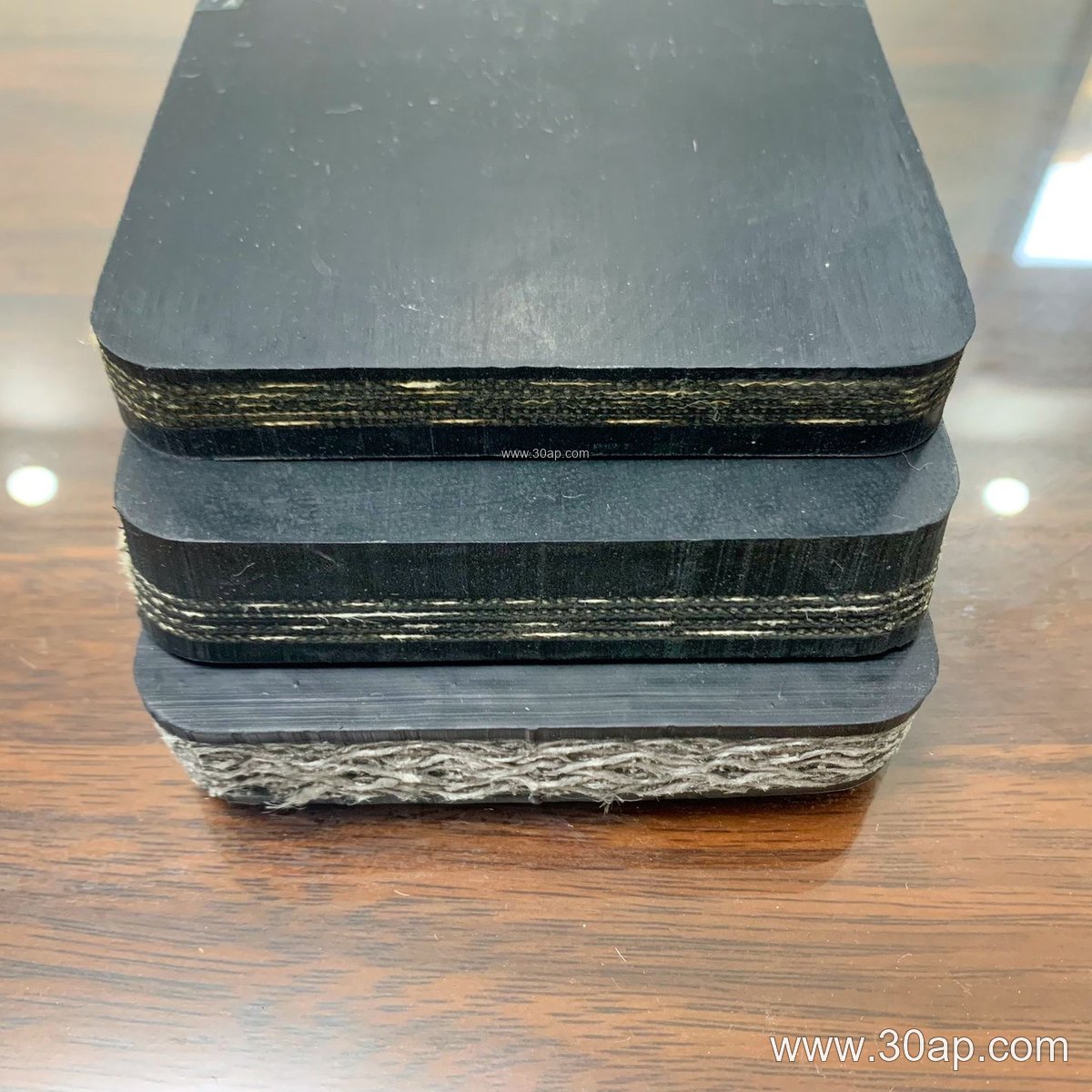
Typical Construction Reference
The values below are common reference ranges, not fixed supply promises. Final construction is set by the conveyor designer and the belt maker.
| Element | Common reference |
|---|---|
| Belt width | B500, B650, B800, B1000, B1200, B1400, B1600, B1800, B2000 |
| Fabric strength grades | EP200, EP315, EP400, EP500, EP630, EP800, EP1000, EP1250 |
| Carcass plies | Usually 2 to 6 plies for fabric core builds |
| Cover thickness | 3+1.5, 4+2, 5+2, 6+2, 8+3 mm |
| Skirt height | Designed to match trough depth and material flow |
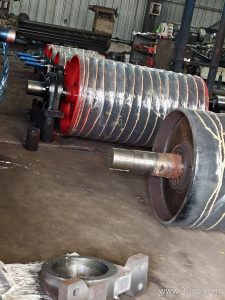
Belt width and pulley diameter are matched by conveyor design, not by a single rule; one belt width can work with more than one pulley size. Shaft diameter is calculated from the pulley load case, so it should never be guessed from belt width alone.
Where It Fits in the Plant
Transfer points are the classic application. A crusher conveyor belt feeding a screen, an aggregate conveyor belt loading a stockpile, or a cement conveyor belt moving clinker dust all benefit from edge containment. Port conveyor belt and ship loading conveyor belt systems use skirts to reduce wind-blown loss on exposed docks. Quarry conveyor belt and sand making plant conveyor belt lines use them where material is dropped from a chute and tends to scatter. In a coal mining conveyor belt or underground mining conveyor belt, flame retardant and anti-static properties usually matter as much as the skirt itself.
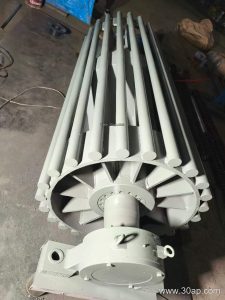
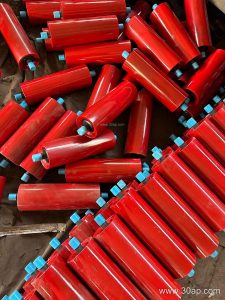
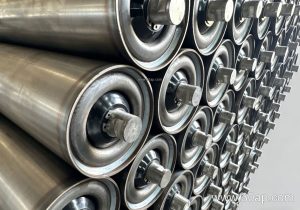
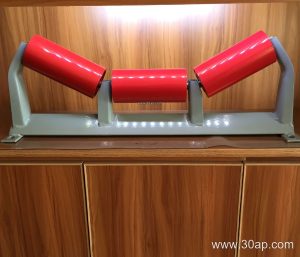
The belt does not work alone. The conveyor pulley at the drive and tail ends, the conveyor bracket that holds the idlers, and every idler roller under the carrying run all affect how the skirt behaves. A worn or misaligned idler roller can push the belt against the skirt and cause rapid edge wear.
Buyer Checklist
- Confirm the material: lump size, moisture, temperature, oil content, and dust explosivity.
- State the duty: tonnes per hour, belt speed, incline, and loading method.
- Choose the carcass by tension calculation, not by habit; EP and NN grades differ in stretch behaviour.
- Match the cover grade to the real risk: abrasion, heat, oil, flame, or cold.
- Check skirt height and hardness against the trough and the chute clearance.
- Ask how the skirt is bonded and whether it can be repaired in place.
- Review pulley and idler roller alignment data before installation.
Installation and Care Notes
Skirted belts need correct training from the first run. Keep the belt centred, keep the skirt clear of the chute walls, and check edge wear at each shutdown. Small tears in the skirt should be repaired before they grow, because a lifted skirt can catch on a conveyor bracket or an idler roller and damage the whole belt line. For a bulk material conveyor belt handling abrasive ore, the cover and the skirt should be inspected on the same schedule.
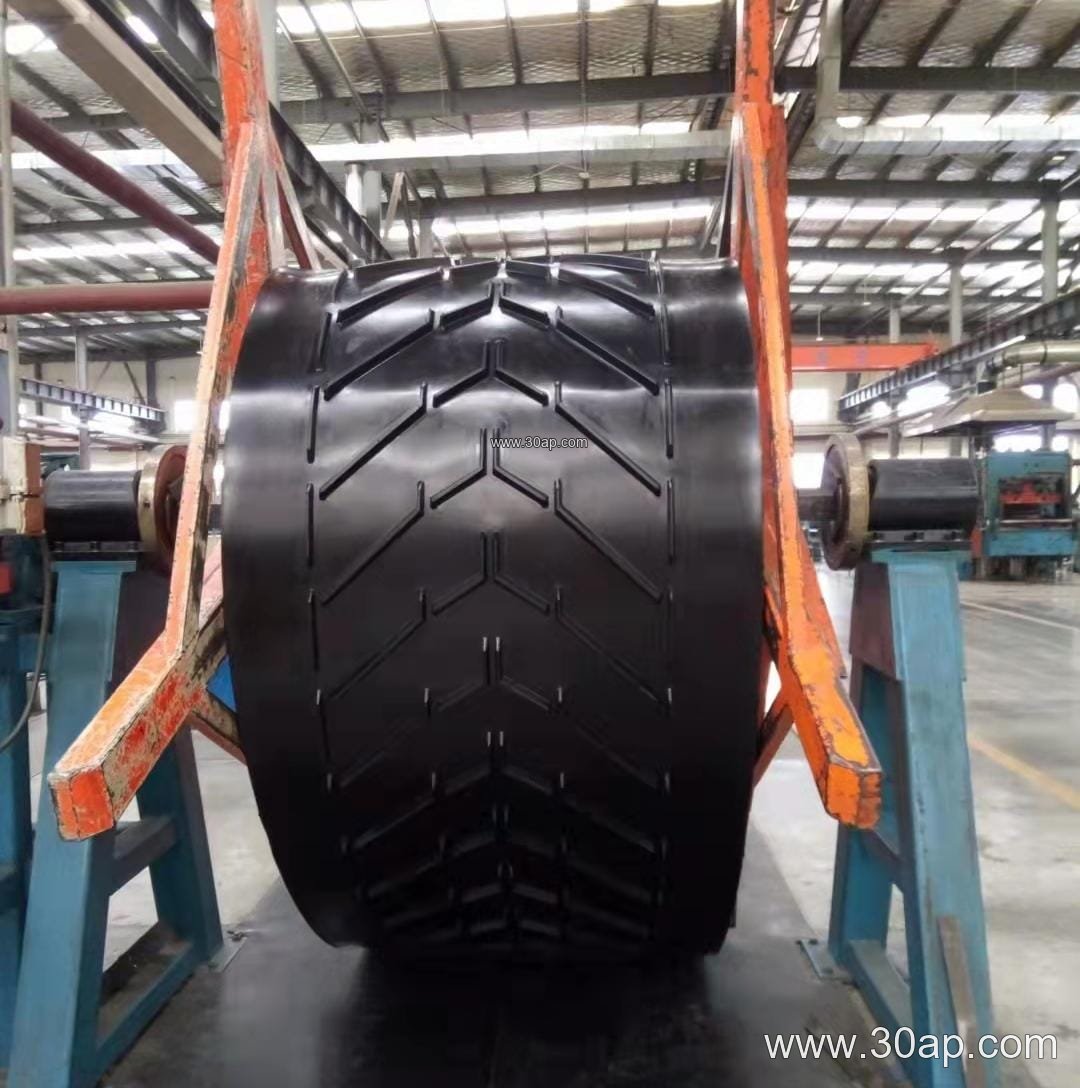
Related belt families such as chevron conveyor belt, pipe conveyor belt, and endless conveyor belt solve different problems. A skirted belt remains the practical choice when the goal is simple edge containment on a conventional troughed conveyor. Buyers who need both containment and steep angles should look at the corrugated sidewall type instead, and buyers who need a sealed path should consider a pipe conveyor belt.