What Is a Custom Conveyor Bracket?
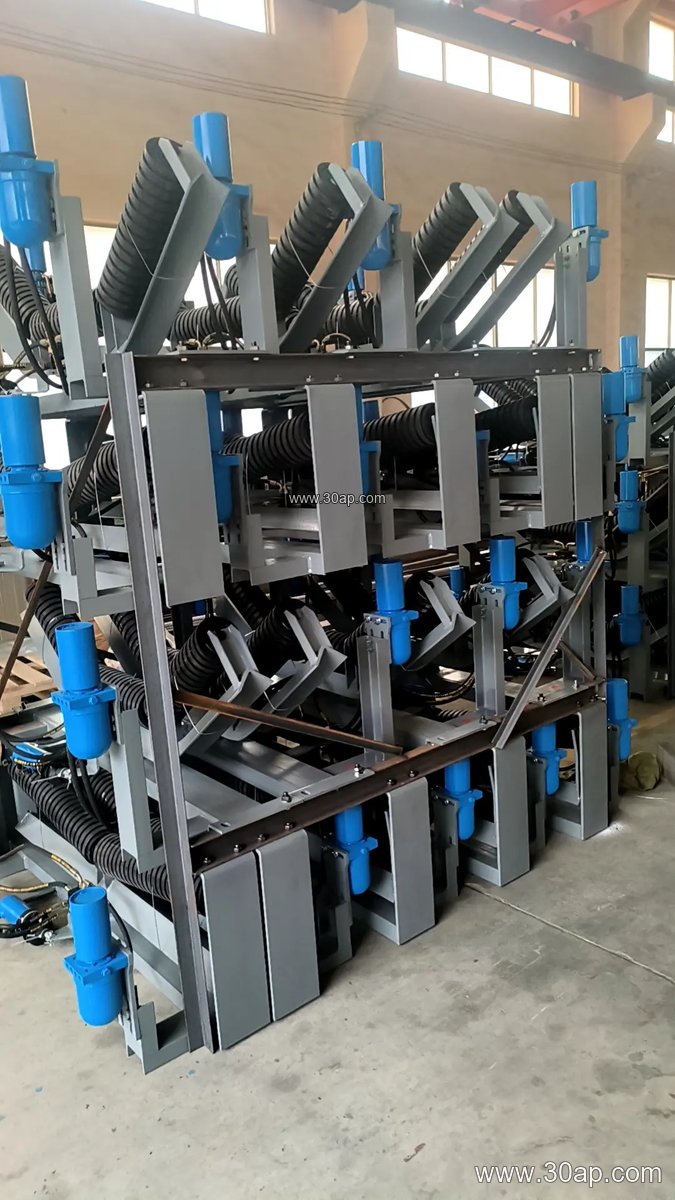
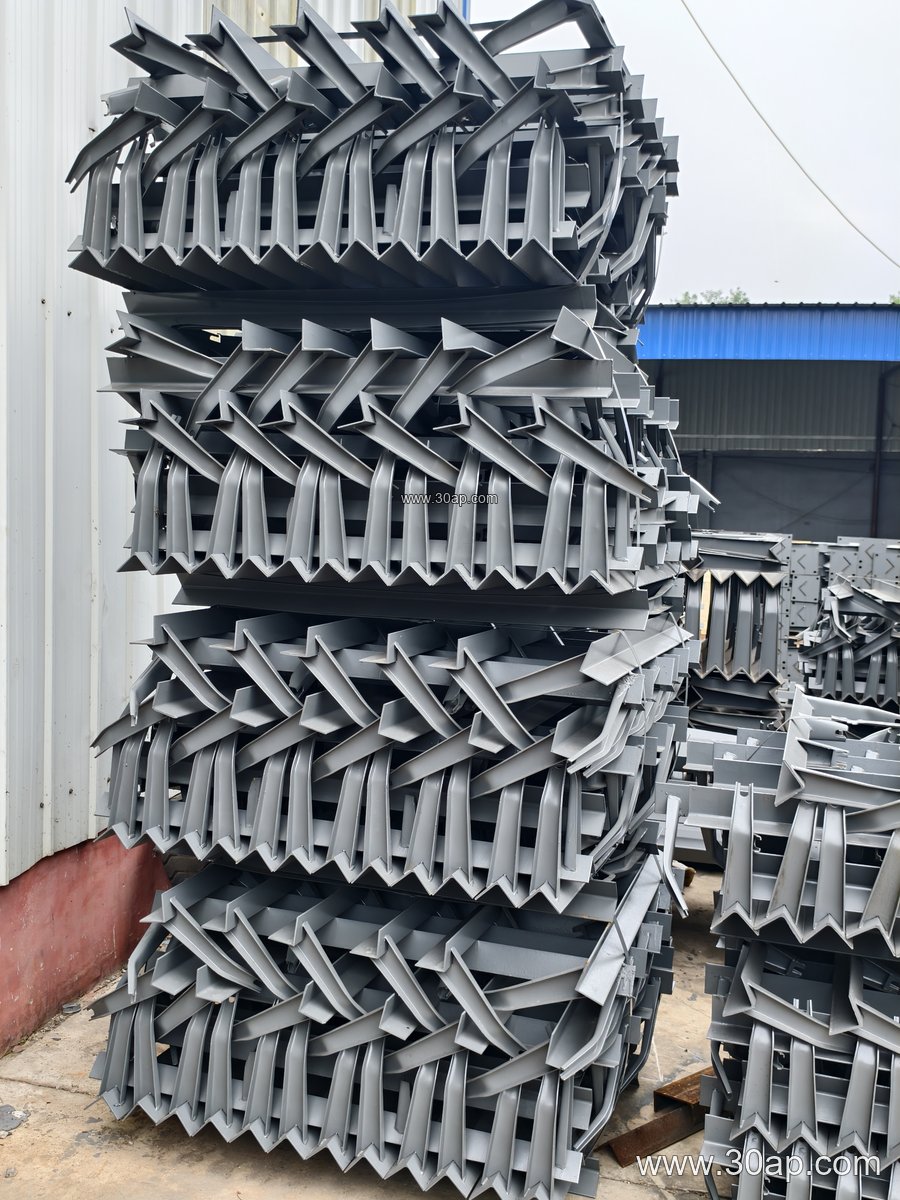
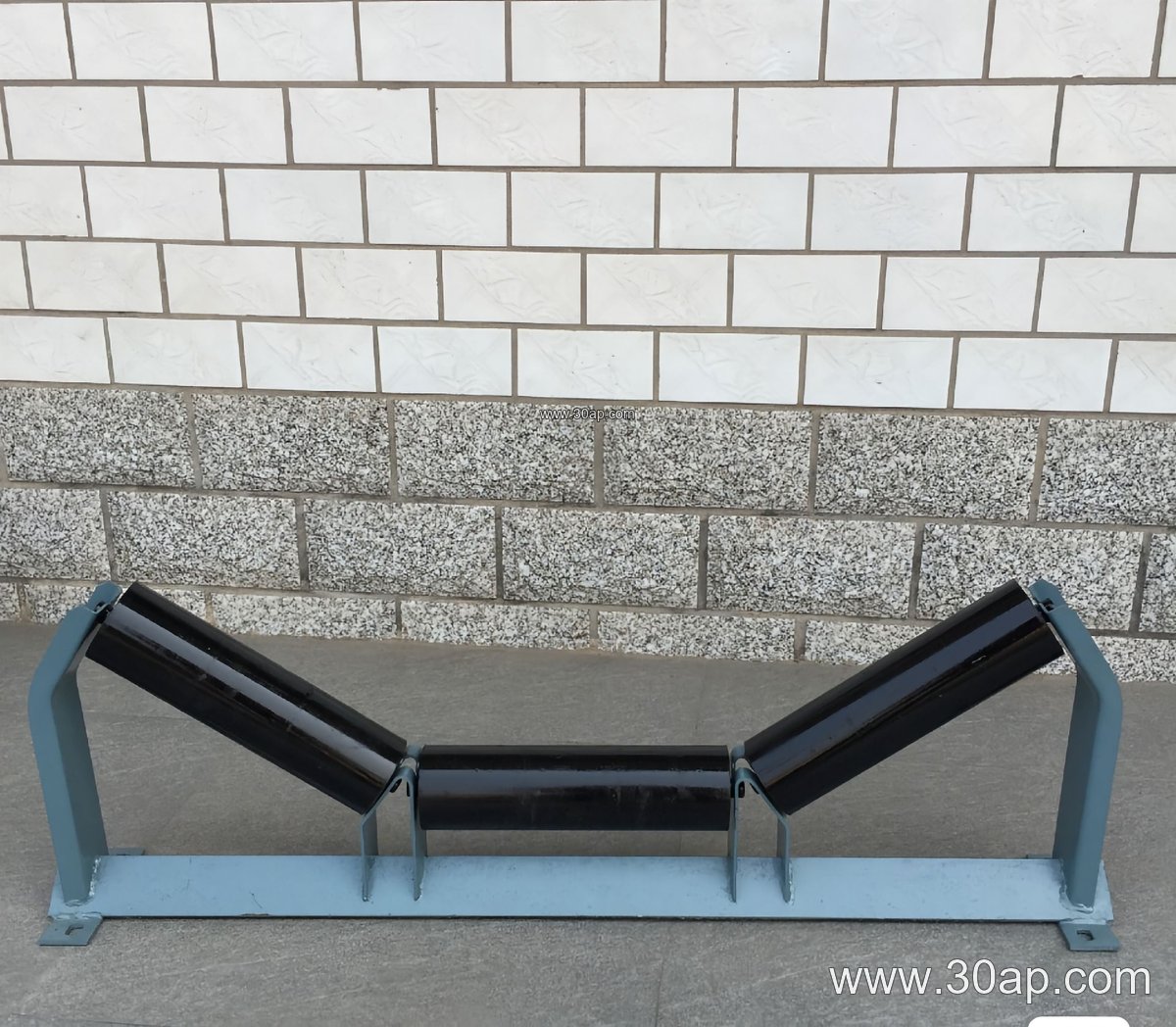
A custom conveyor bracket is a support component engineered to match the specific geometry and load requirements of a belt conveyor line. Unlike off-the-shelf brackets, these are fabricated to order, often from angle steel, channel steel, or folded steel plate, so they fit the exact belt width, trough angle, and roller diameter used on site. In quarry and aggregate operations, for example, a custom bracket may be needed to accommodate a 1200mm wide conveyor belt running at a 35-degree trough angle with Ø133 idler rollers. The bracket holds the idler roller in position, maintains the desired belt profile, and absorbs the dynamic forces from the moving belt and material load.
Construction and Design Variations
Fabrication starts with the structural frame, typically welded or bolted, with mounting holes and crossbeam lengths determined by the belt width and trough angle. Common materials include angle steel for lighter duty and channel steel for heavier applications. The design may be fixed or adjustable; adjustable brackets allow the trough angle to be set between common values such as 20, 30, 35, or 45 degrees. Some designs incorporate a 1.5 to 2 degree forward tilt to help center the belt. The bracket must also match the roller diameter—Ø89, Ø108, Ø133, Ø159, or Ø194—so the idler sits correctly without pinching or misalignment.
Key Types and Their Roles
- Troughing bracket (carrying side): supports three or more idlers to form the belt trough. Used on the top run where material is conveyed.
- Return bracket (return side): supports the belt on its return path, often with a flat or V-shaped configuration to aid belt tracking.
- Impact bracket: reinforced to withstand loading shocks at transfer points, usually fitted with impact idlers.
- Transition bracket: placed near pulleys to gradually change the belt from flat to troughed, reducing edge stress.
- Self-aligning bracket: includes pivoting or forward-tilt features to correct belt misalignment.
Each type serves a distinct purpose and should not be confused with drive, tail, or bend pulleys, which are separate components. Similarly, a troughing bracket is not a substitute for a return bracket; they perform different functions on the same conveyor.
Where Custom Brackets Are Used
Custom conveyor brackets appear in almost any bulk-handling operation. In a limestone quarry, they support the conveyor belt that carries crushed rock from the primary crusher to the screening plant. At a coal-fired power plant, they hold idler rollers on the coal conveying system, where flame retardant and anti-static properties of the belt are also critical. Cement plants use them on clinker and raw meal lines, often with abrasion resistant conveyor belts. In sand and gravel pits, brackets must tolerate abrasive dust and occasional impact loads. Other settings include steel mills, fertilizer plants, and port loading facilities. The common thread is the need for a bracket that matches the belt width and roller diameter precisely—whether that is B650 with Ø89 rollers or B1800 with Ø159 rollers.
Selection and Buyer Considerations
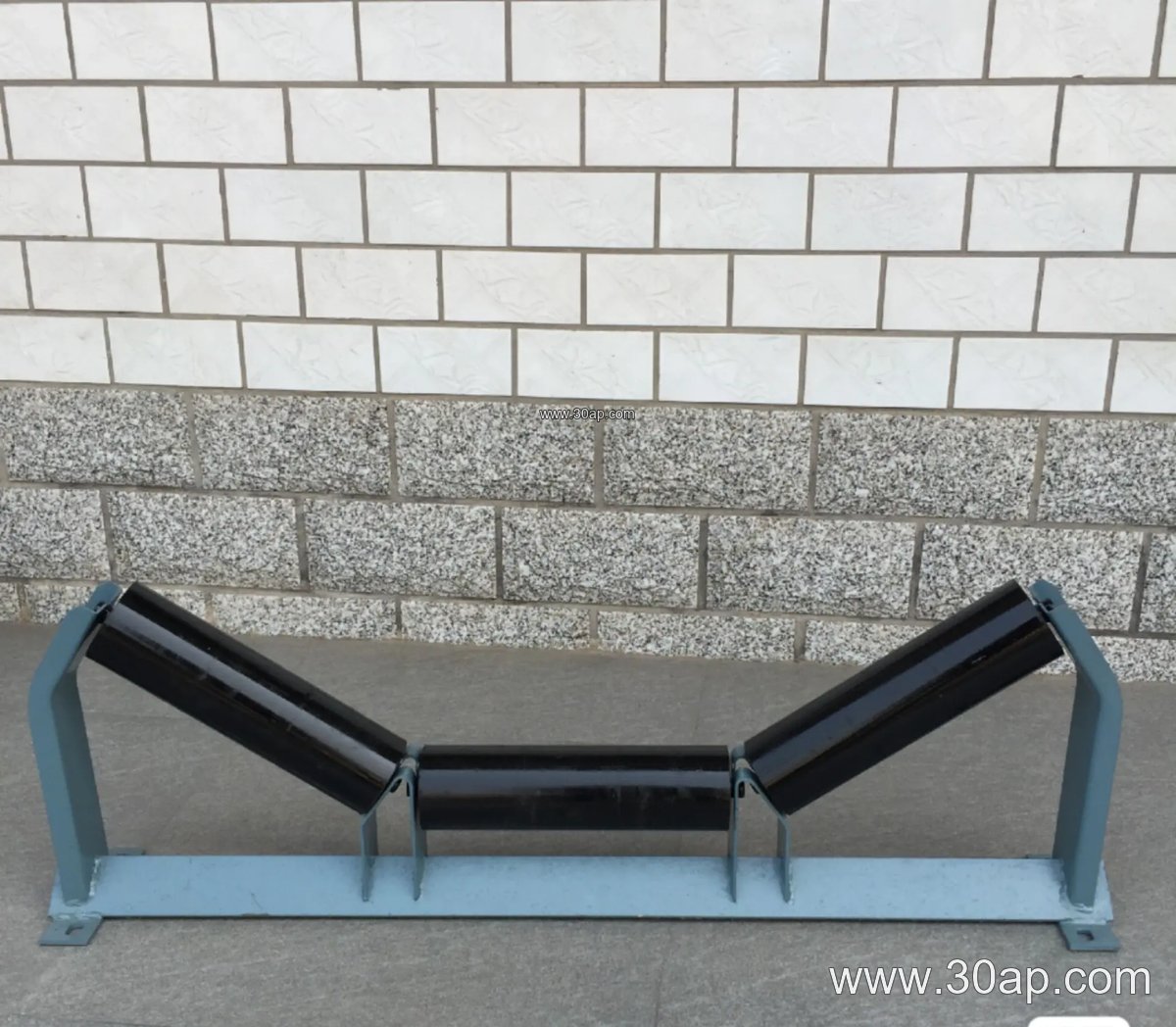
When specifying a custom conveyor bracket, buyers should first confirm the belt width, trough angle, and roller diameter. These three parameters drive the bracket geometry, mounting hole spacing, and crossbeam length. It is a mistake to assume one belt width pairs with only one trough angle or roller size; multiple combinations are possible depending on the conveyor design and material characteristics. For instance, a B1000 belt might run at 30 degrees with Ø108 rollers in one section and at 45 degrees with Ø133 rollers in another, depending on load and transition needs.
Material choice matters as well. In a wash plant or fertilizer facility, corrosion resistance may influence the steel grade or coating. In a primary crushing station, impact-resistant brackets with reinforced idler mounts are advisable. Adjustable brackets offer flexibility for future changes in belt speed or material profile, but fixed brackets are simpler and often more rigid. Buyers should also consider the conveyor belt type—such as EP conveyor belt, steel cord conveyor belt, or chevron conveyor belt—because belt stiffness and edge characteristics affect how the bracket should support the belt. A pipe conveyor belt, for example, requires a completely different support structure and would not use standard troughing brackets.
Finally, maintenance access should be reviewed. Brackets that allow easy idler replacement without dismantling the entire frame reduce downtime. In dusty environments like a quarry or coal yard, self-cleaning designs and corrosion-resistant finishes help extend service life. Always request dimensional drawings and confirm that the bracket’s mounting pattern matches the existing conveyor stringers. For operators dealing with rubber conveyor belt, EP conveyor belt, or NN conveyor belt systems, the bracket is a small but critical link in keeping the line running smoothly.