What an NN100 Conveyor Belt Is
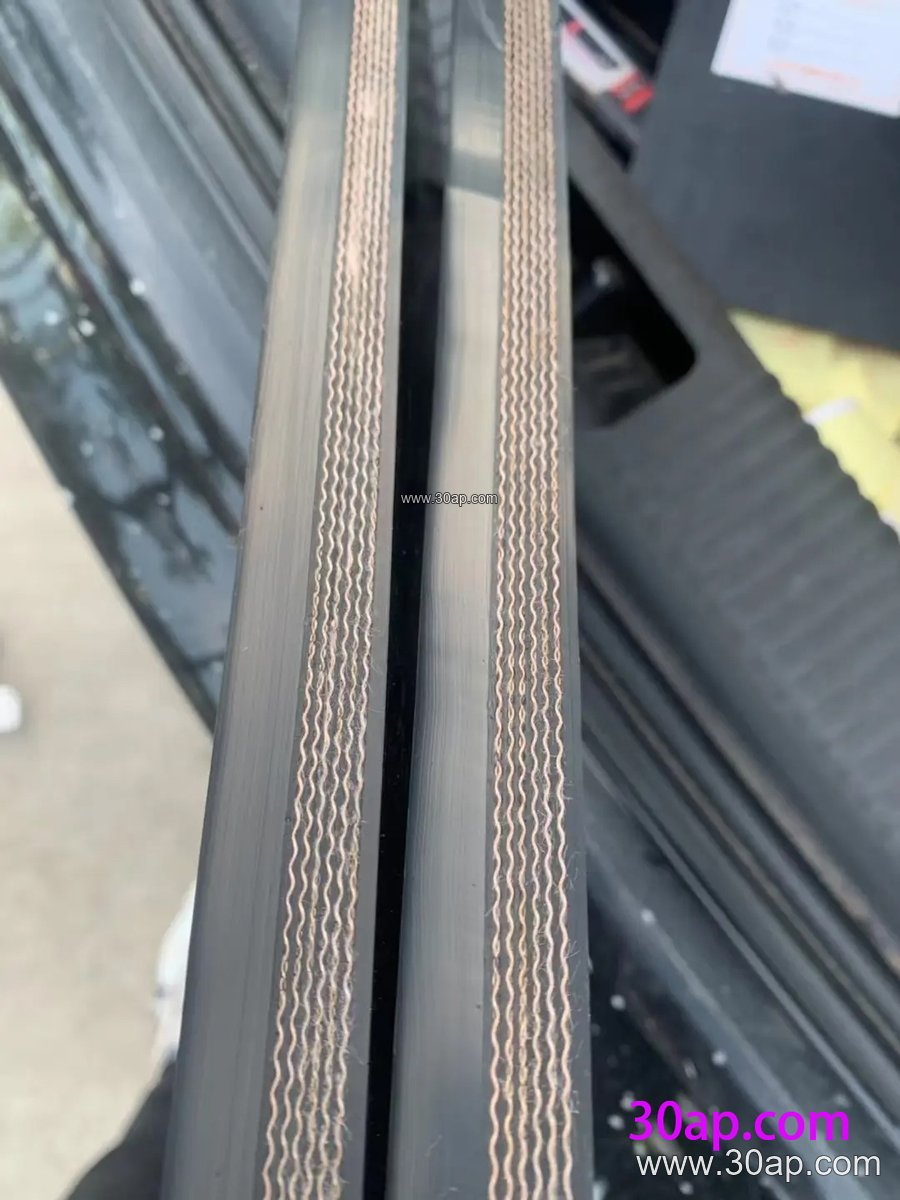
An NN100 Conveyor Belt is a fabric-core belt built on nylon-nylon carcass. Both the warp and weft yarns are polyamide, which gives the belt high tensile strength, strong fatigue resistance, and good elasticity under repeated flexing. The number 100 refers to the nominal breaking strength of the carcass, commonly expressed in N/mm per ply. In practice, an NN100 belt is a general-duty nylon fabric belt used where moderate tension and reliable tracking matter more than extreme load capacity.
Because the carcass is a Multi-Ply Fabric Core Conveyor Belt, the belt usually carries two to four plies of nylon fabric, depending on the duty. It sits between lighter cotton or polyester belts and heavy Steel Cord Conveyor Belt designs. For plants that need a step up in strength, NN200 or NN300 grades may be considered, but NN100 remains a common starting point for medium-duty conveying lines.
How the Belt Is Built
The construction is straightforward and practical for industrial service.
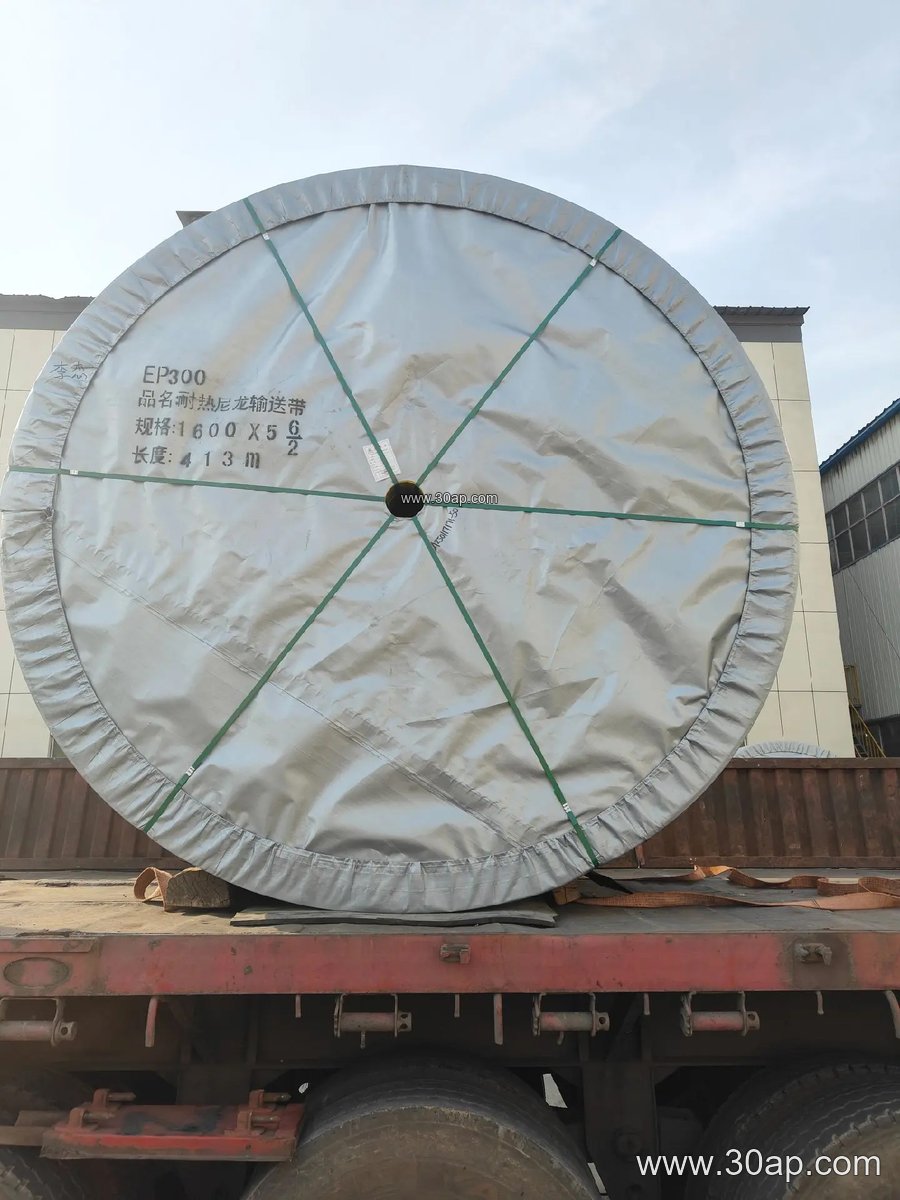
- Carcass: multiple plies of nylon fabric bonded with rubber skim compound.
- Cover rubber: top and bottom covers protect the carcass from abrasion, moisture, and material impact. Common cover combinations include 3+1.5 mm, 4+2 mm, 5+2 mm, and 6+2 mm.
- Edge treatment: cut edges or sealed edges depending on the application and manufacturer.
- Surface options: plain, or patterned such as a Chevron Conveyor Belt for inclined haulage.
Nylon fabric stretches more than polyester under load, so take-up travel and start-up tension need proper attention during installation. The belt is often supplied as an Endless Conveyor Belt for short centers, while longer systems use mechanical or vulcanized splicing.
Where NN100 Belts Fit
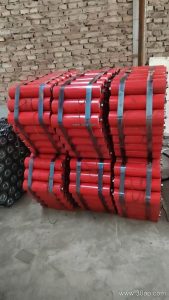
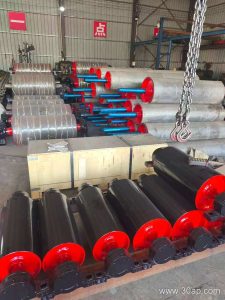
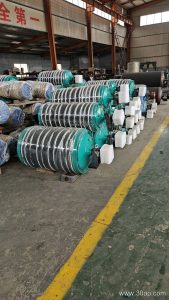
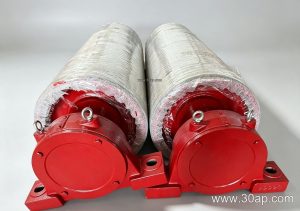
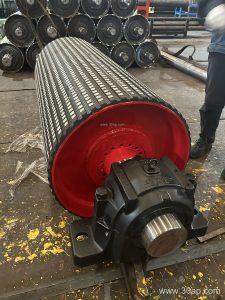
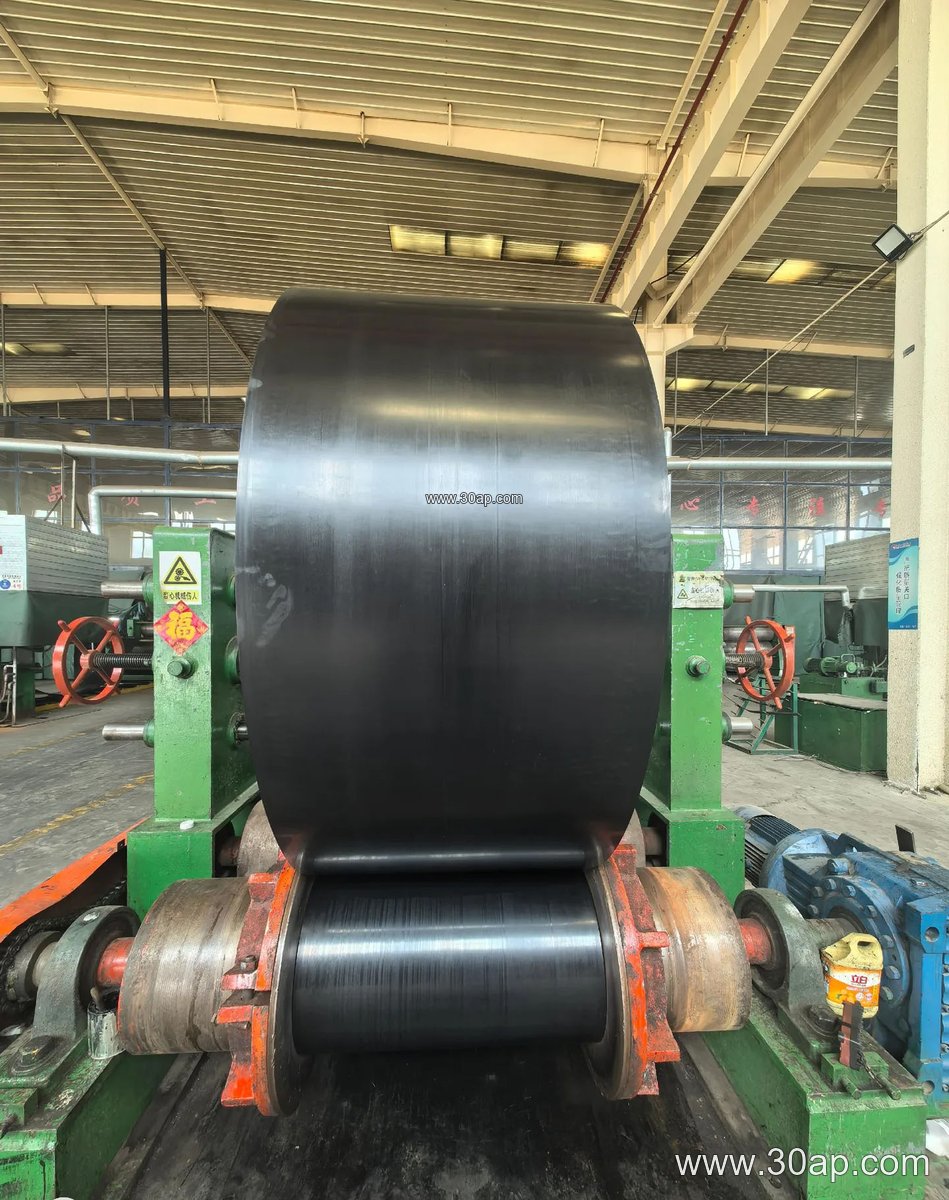
This belt class is common in cement plants, sand and aggregate yards, coal handling, power plants, and light-to-medium mining duty. It handles bulk material such as clinker, limestone, gravel, crushed stone, and grain. In a quarry or crusher line, an NN100 belt may feed screens or transfer material between stockpiles, supported by conveyor idler rollers and driven by a conveyor pulley at the head end.
For abrasive stone or ore, a higher-abrasion cover or an Abrasion Resistant Conveyor Belt grade is often preferred. For hot clinker or cement kiln discharge, a Heat Resistant Conveyor Belt construction is more suitable. Where fire safety is critical in coal mining, a Flame Retardant Conveyor Belt or PVG Conveyor Belt may be required instead of a standard NN100.
Specifications Buyers Should Check
Values below are reference ranges only. Actual specifications are set by the manufacturer and confirmed by design.
| Parameter | Typical Reference |
|---|---|
| Carcass type | Nylon-nylon fabric, 2 to 4 plies |
| Nominal strength grade | NN100 (approx. 100 N/mm per ply) |
| Belt width | B500, B650, B800, B1000, B1200, B1400 |
| Cover thickness | 3+1.5, 4+2, 5+2, 6+2 mm |
| Surface form | Plain, chevron, or corrugated sidewall type |
When requesting a quote, state belt width, ply count, cover thickness, tensile grade, and any special property such as oil resistance or anti-static behavior. The conveyor pulley diameter, shaft size, and idler roller spacing are determined by the conveyor designer, not by belt width alone.
Selection and Maintenance Notes
Match the belt to the material and the conveyor profile. A steep incline may call for a Chevron Conveyor Belt, while a confined space with dust control needs may suit a Pipe Conveyor Belt. For long overland runs with high tension, an EP Conveyor Belt or steel cord design is often more efficient, and NN100 is not the automatic choice.
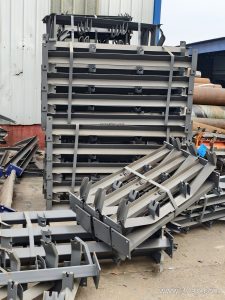
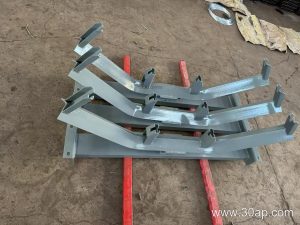
Keep the belt tracking straight by checking conveyor pulleys, brackets, and idler roller alignment. Avoid material buildup on the return side, and inspect splices regularly. Store spare belts away from sunlight, oil, and heat. With correct tension and clean running, an NN100 belt can deliver dependable service in cement, quarry, and bulk material handling operations.