What a Bend Pulley Assembly Does
A bend pulley assembly is a conveyor pulley used to change the direction of the conveyor belt without driving it. It is often confused with a drive pulley or tail pulley, but each has a distinct role. The drive pulley transmits power, the tail pulley supports the belt at the loading end, and the bend pulley simply redirects the belt around a corner or toward a tensioning device. In a typical conveyor system, the bend pulley assembly works together with the conveyor belt, idler rollers, and conveyor brackets to keep the belt path smooth and controlled.
Construction and Key Components
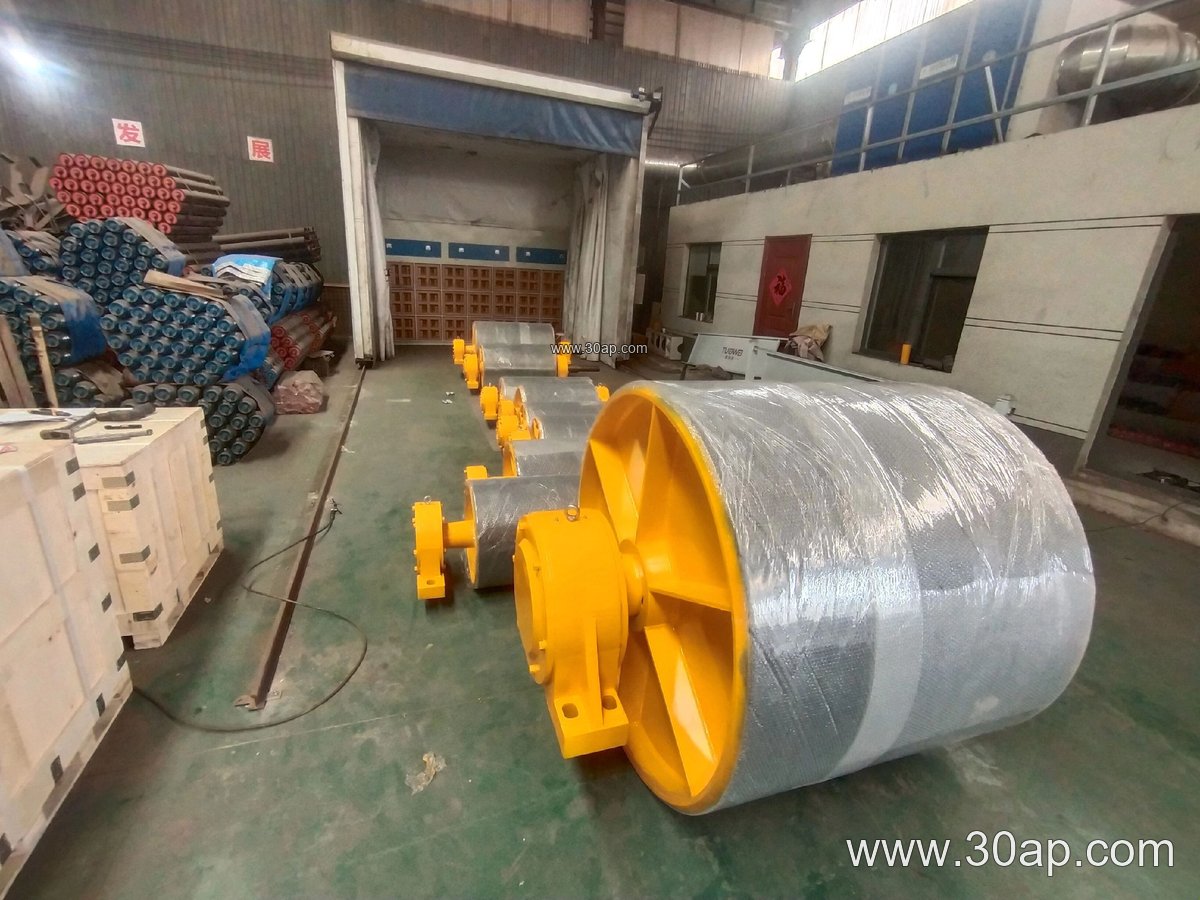
A bend pulley assembly usually consists of a cylindrical shell, shaft, bearings, bearing housings, and a lagging surface when extra grip or wear protection is needed. The shell is often made from steel tube, and the shaft is sized according to torque and load rather than belt width alone. Common shaft diameters include Ø50, Ø60, Ø70, Ø80, Ø90, Ø100, Ø120, Ø140, Ø160, Ø180, and Ø200 mm, but the final choice depends on the conveyor design. The pulley face width is normally wider than the belt. For example, a B800 belt may use a pulley face around 950 mm, while a B1200 belt might use about 1400 mm. These are reference proportions, not fixed rules.
Surface Options for Different Conditions
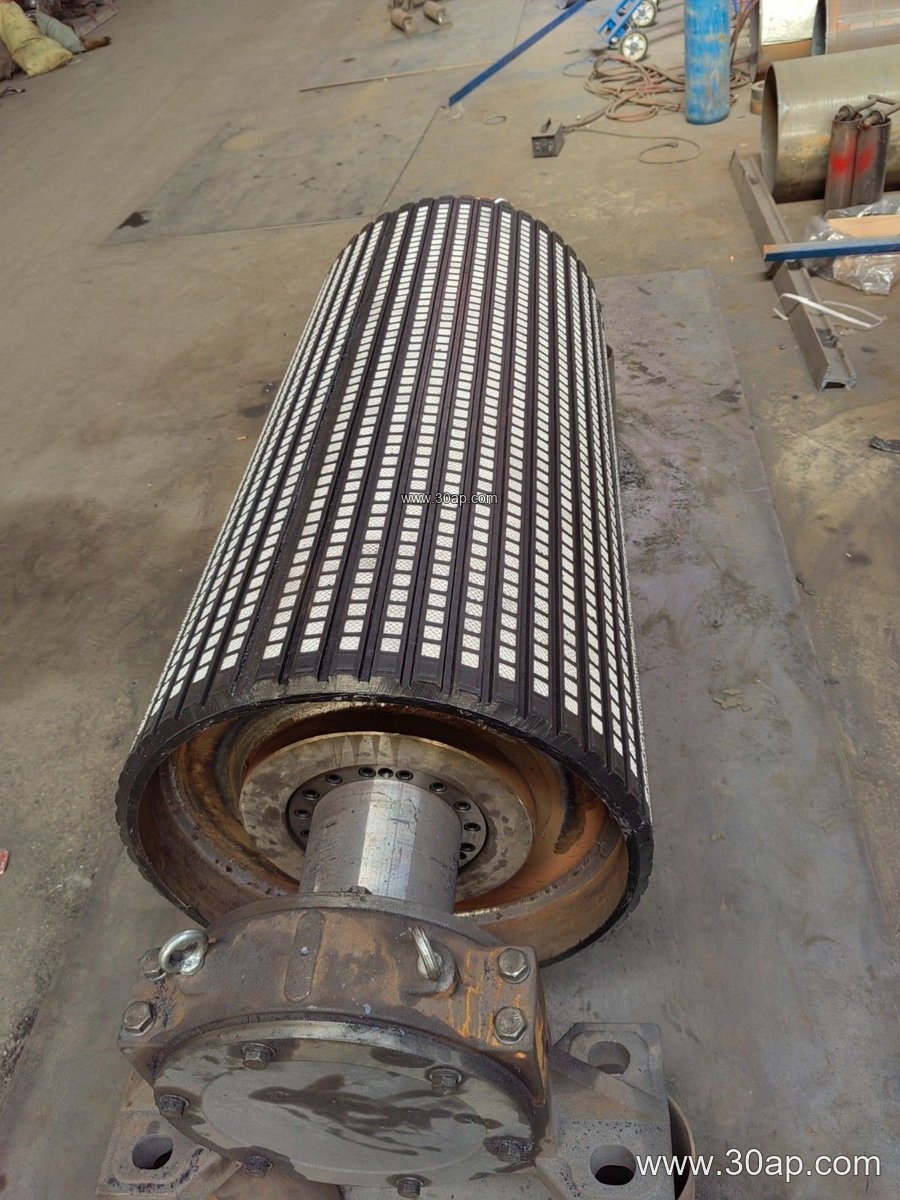
The surface of a bend pulley can be plain, rubber-lagged, or ceramic-lagged. Lagging thickness commonly ranges from 8 mm to 20 mm. In dusty or wet conditions, diamond or herringbone lagging can help maintain belt tracking. For abrasive materials such as those found in a quarry or cement plant, a rubber-lagged bend pulley assembly may be preferred to reduce wear on both the pulley and the belt.
Where It Is Used
Bend pulley assemblies are common in bulk material handling systems across many industries. In a coal mining conveyor, they help route the belt around transfer points and tensioning stations. In a power plant coal yard, they may be used to guide the belt toward a tripper or a take-up pulley. In a limestone quarry or aggregate line, a bend pulley assembly often works with an abrasion resistant conveyor belt to handle sharp, heavy material. You will also find them in cement plants, steel mills, and port bulk terminals where space constraints require the belt to change direction without a drive.
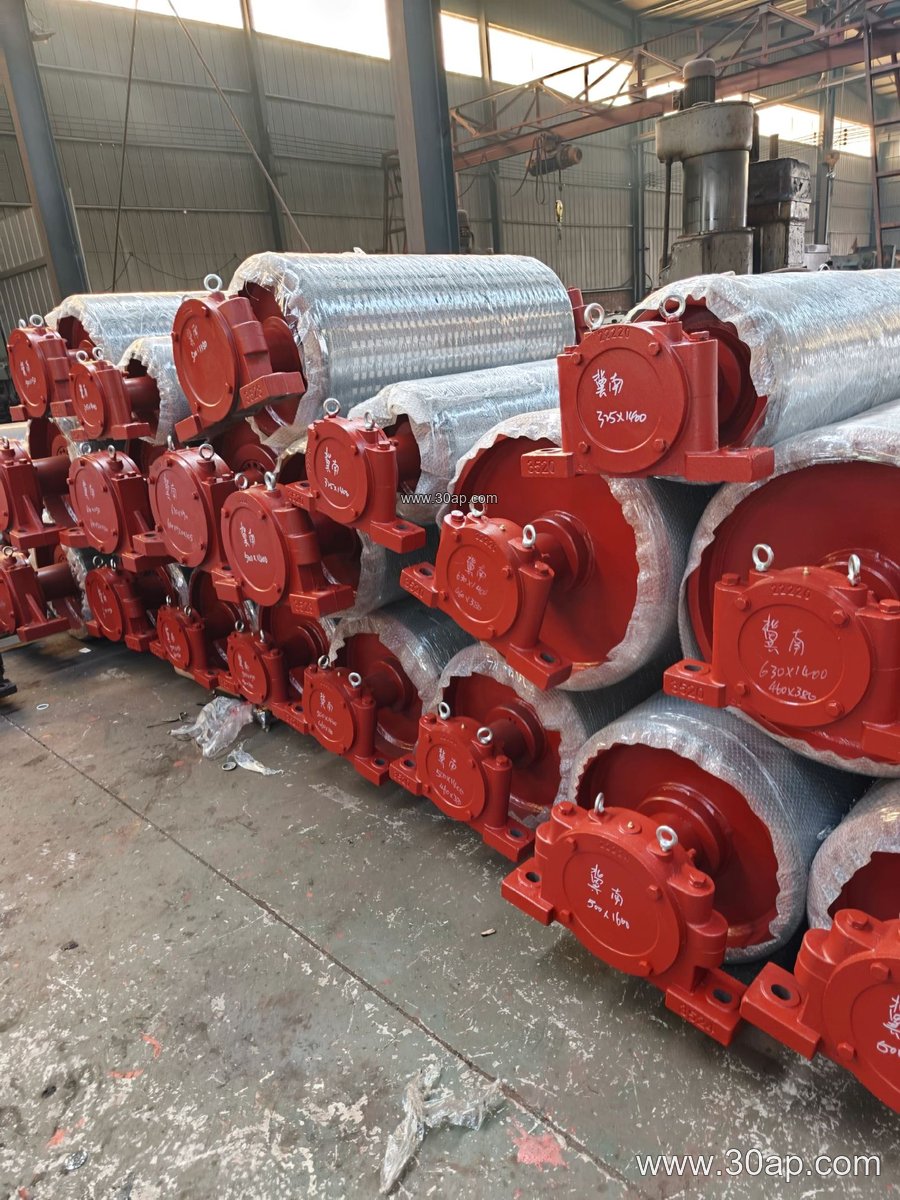
They are not a replacement for a drive pulley or a tail pulley. Instead, they complement the conveyor pulley system by providing additional wrap or redirection. A bend pulley assembly may be positioned near a tensioning device, after a discharge point, or before a curve in the conveyor route.
Selection and Sizing Notes
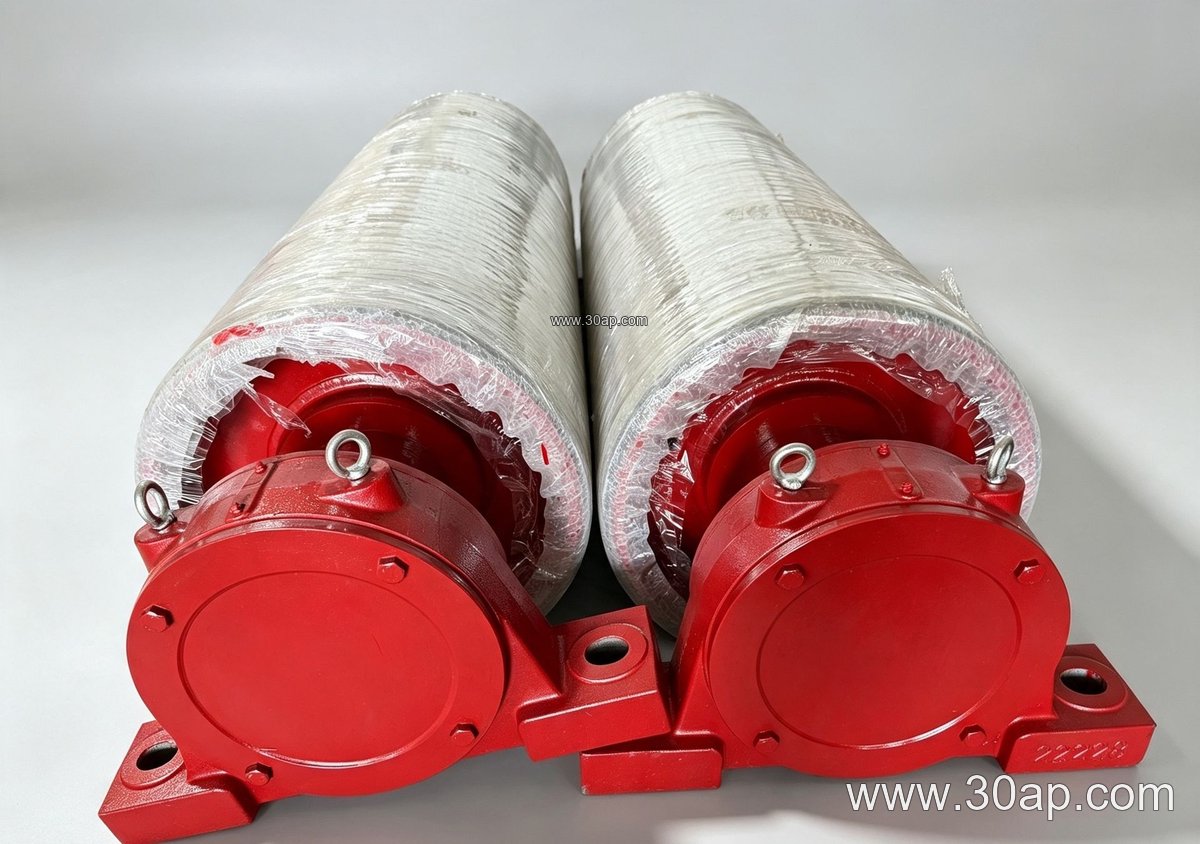
When choosing a bend pulley assembly, buyers should consider belt width, belt type, pulley diameter, shaft load, and environmental conditions. The pulley diameter is often selected in relation to the belt thickness and minimum bend radius, but there is no single diameter that fits every belt width. For instance, a B800 conveyor might use a Ø500 or Ø630 mm bend pulley, while a B1400 conveyor could use a Ø800 or Ø1000 mm pulley. The table below shows common reference combinations, not mandatory matches.
| Belt Width (mm) | Typical Pulley Face Width (mm) | Example Pulley Diameter (mm) |
|---|---|---|
| B500 | 600 | Ø315, Ø400 |
| B650 | 750 | Ø400, Ø500 |
| B800 | 950 | Ø500, Ø630 |
| B1000 | 1150 | Ø630, Ø800 |
| B1200 | 1400 | Ø800, Ø1000 |
| B1400 | 1600 | Ø1000, Ø1250 |
Belt type also matters. A heavy-duty mining conveyor belt or a steel cord conveyor belt may require a larger pulley diameter to reduce bending stress. In contrast, a lightweight EP conveyor belt or NN conveyor belt may work with a smaller bend pulley. For underground coal mining, flame retardant conveyor belt and anti-static properties are important, and the bend pulley assembly should be compatible with the belt’s tracking behavior. In food or chemical applications, an oil resistant conveyor belt or heat resistant conveyor belt may be used, and the pulley lagging should be selected accordingly.
Maintenance and Buyer Checklist
Regular inspection of the bend pulley assembly helps prevent belt mistracking and premature wear. Check bearing condition, lagging wear, and shaft alignment. In a sand and gravel plant or a crusher conveyor line, dust and fines can build up on the pulley face, so cleaning and proper sealing are important. Buyers should confirm the pulley diameter, face width, shaft diameter, bearing type, and lagging specification with the conveyor designer. Do not assume that a certain belt width automatically dictates a specific shaft diameter; torque and load calculations are needed. Also, remember that a bend pulley assembly is not interchangeable with a drive pulley or a tail pulley, even though they may look similar. For reliable performance, match the bend pulley to the conveyor belt, idler roller spacing, and conveyor bracket layout.