What a Four-Roll Idler Bracket Does
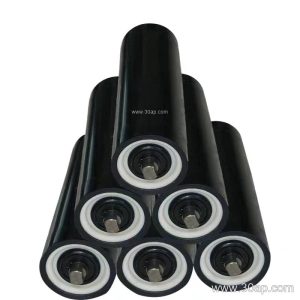
A four-roll idler bracket is a support frame that carries four idler rollers in the troughing section of a belt conveyor. Instead of the usual three rolls, it spreads the belt load across four contact points, giving wider belts a smoother trough profile and reducing the unsupported span between rolls. Mining plants, coal preparation facilities and heavy aggregate lines often choose this bracket where belt widths and lump sizes put extra stress on the troughing assembly.
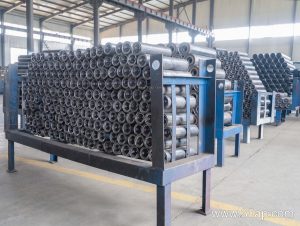
The bracket is a structural item, not a wear part in the same sense as the idler roller itself. It positions the rollers at the correct angles, keeps their spacing consistent along the line, and transfers the load into the conveyor stringer. A well-made four-roll frame helps the conveyor belt track evenly and limits edge stress in the trough transition.
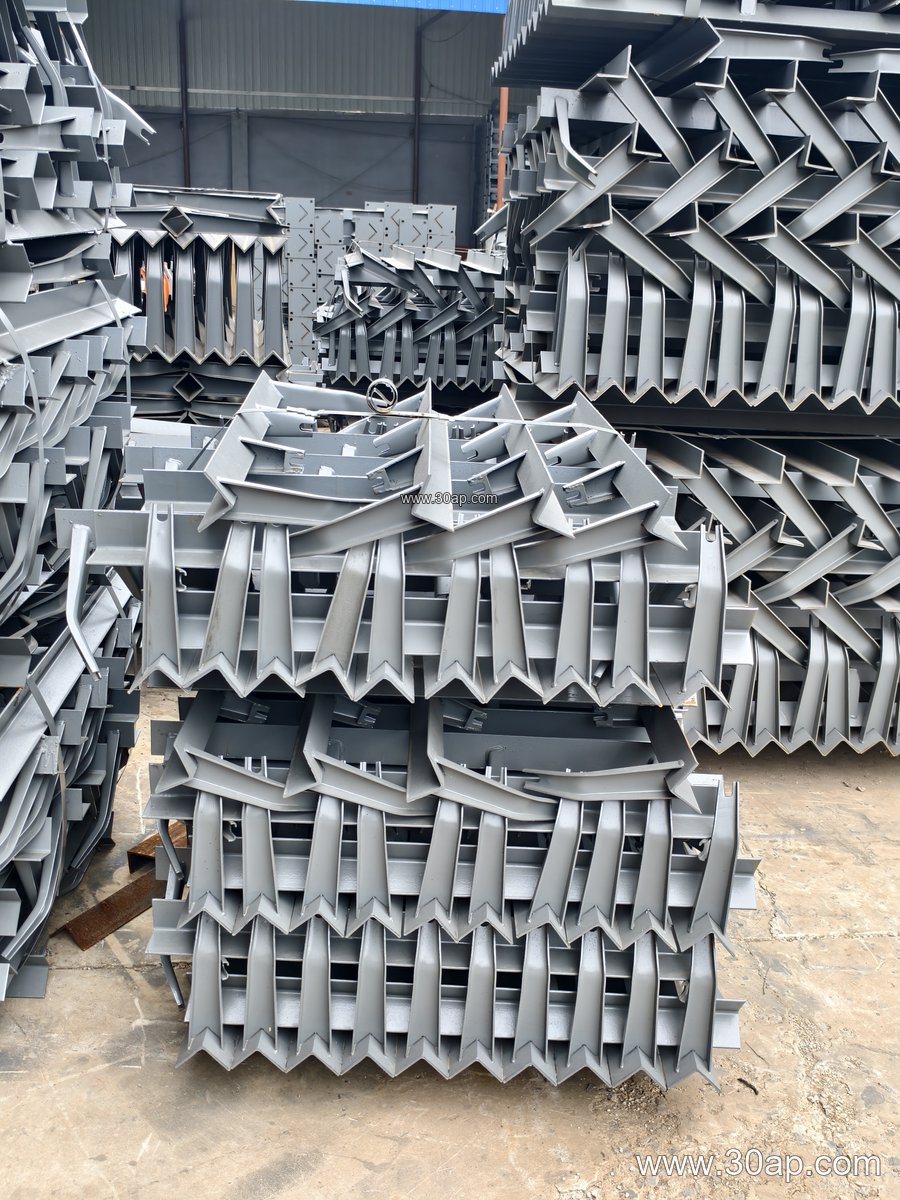
Construction and Mounting
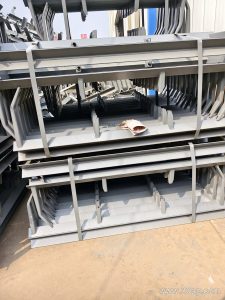
Most four-roll idler brackets are fabricated from angle steel, channel steel or folded steel plate, then drilled for the roller shaft ends. The frame usually consists of a base beam and two or more inclined wings that set the trough angle of the outer rolls. The two centre rolls sit closer to horizontal, forming a shallow central cradle between the steeper side rolls.
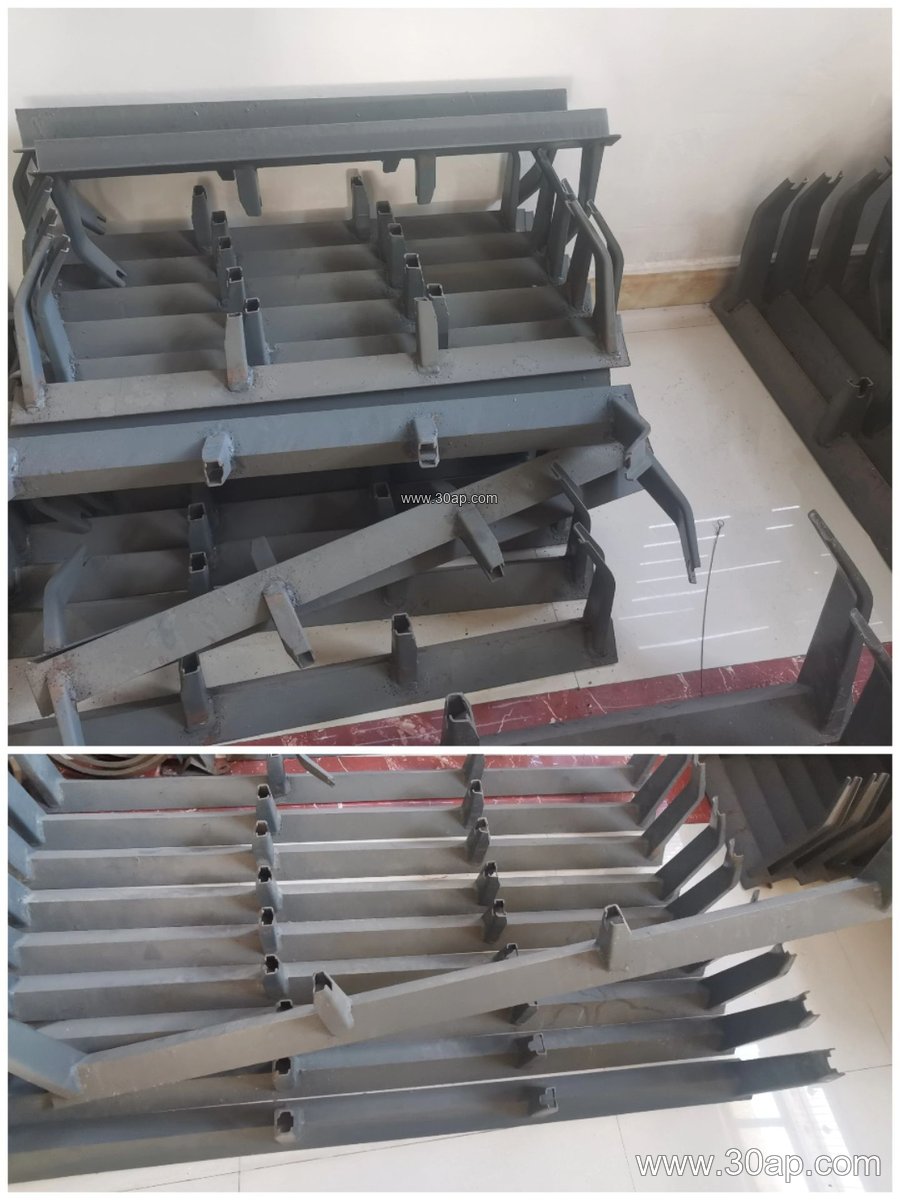
Mounting details matter as much as the steel gauge. Bolt hole spacing and crossbeam length follow the belt width and trough angle, so a bracket ordered for one arrangement will not necessarily fit another. Buyers should confirm the shaft end type, the fixing hole pattern and the stringer spacing before ordering. A matching conveyor bracket set, delivered as a complete frame rather than loose wings, simplifies installation and keeps roll alignment consistent from one station to the next.
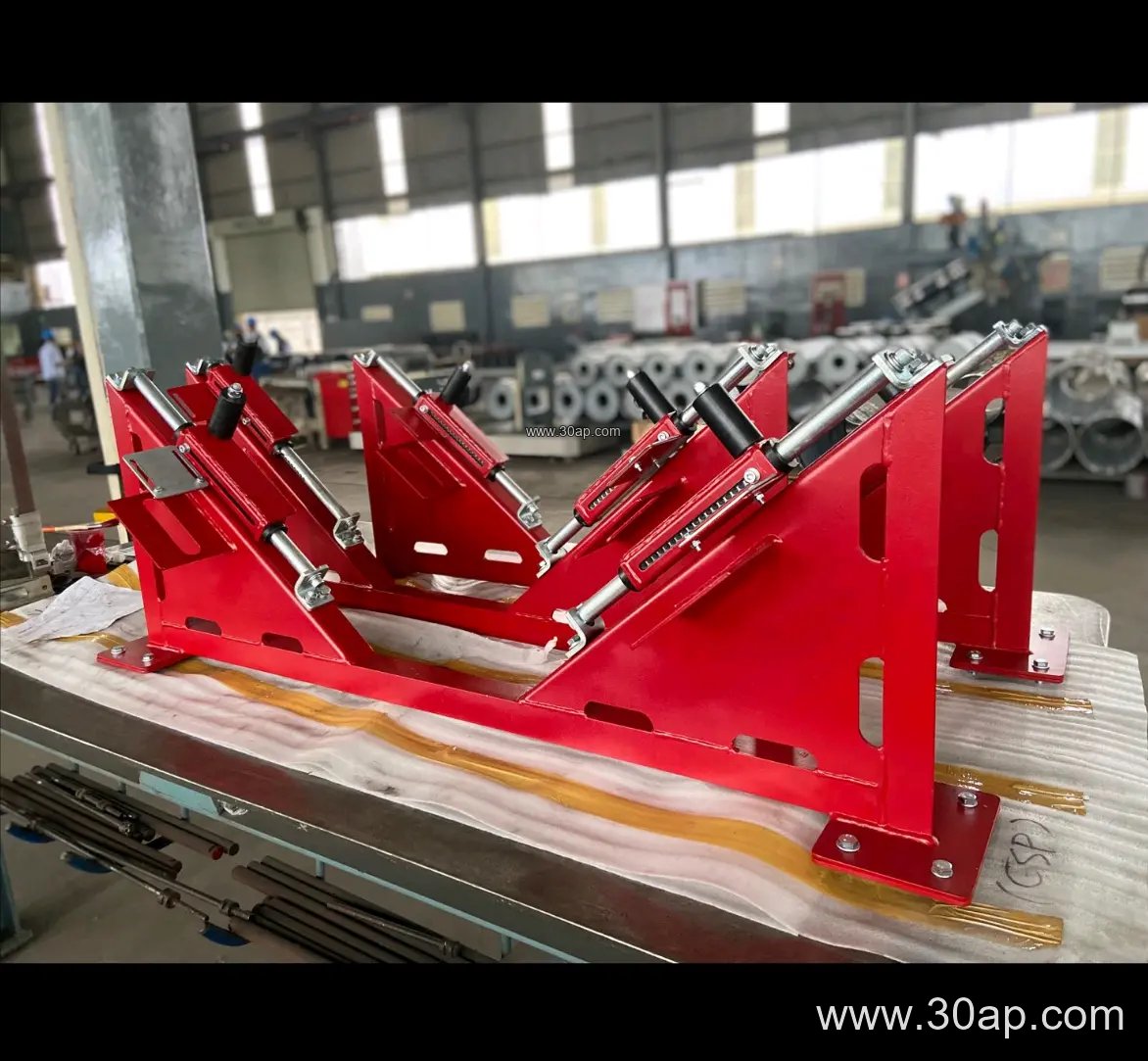
Where Four-Roll Frames Fit Best
Wide belts carrying abrasive or heavy bulk material are the classic use case. In an iron ore or copper ore handling circuit, a four-roll bracket can support the belt across a broader trough, which helps contain the load and reduce spillage at transfer points. Cement plants and power plant coal yards also use them on main haulage conveyors where belt widths reach 1200 mm to 1800 mm and the material is dense.
The same logic applies in a quarry or crusher discharge line. A crusher conveyor belt receives lumpy, impact-heavy feed, and the troughing frame must hold its shape under repeated shock. Four-roll brackets are often paired with impact-resistant rollers at the loading zone and standard rollers further along the run.
Matching Bracket, Belt and Roller
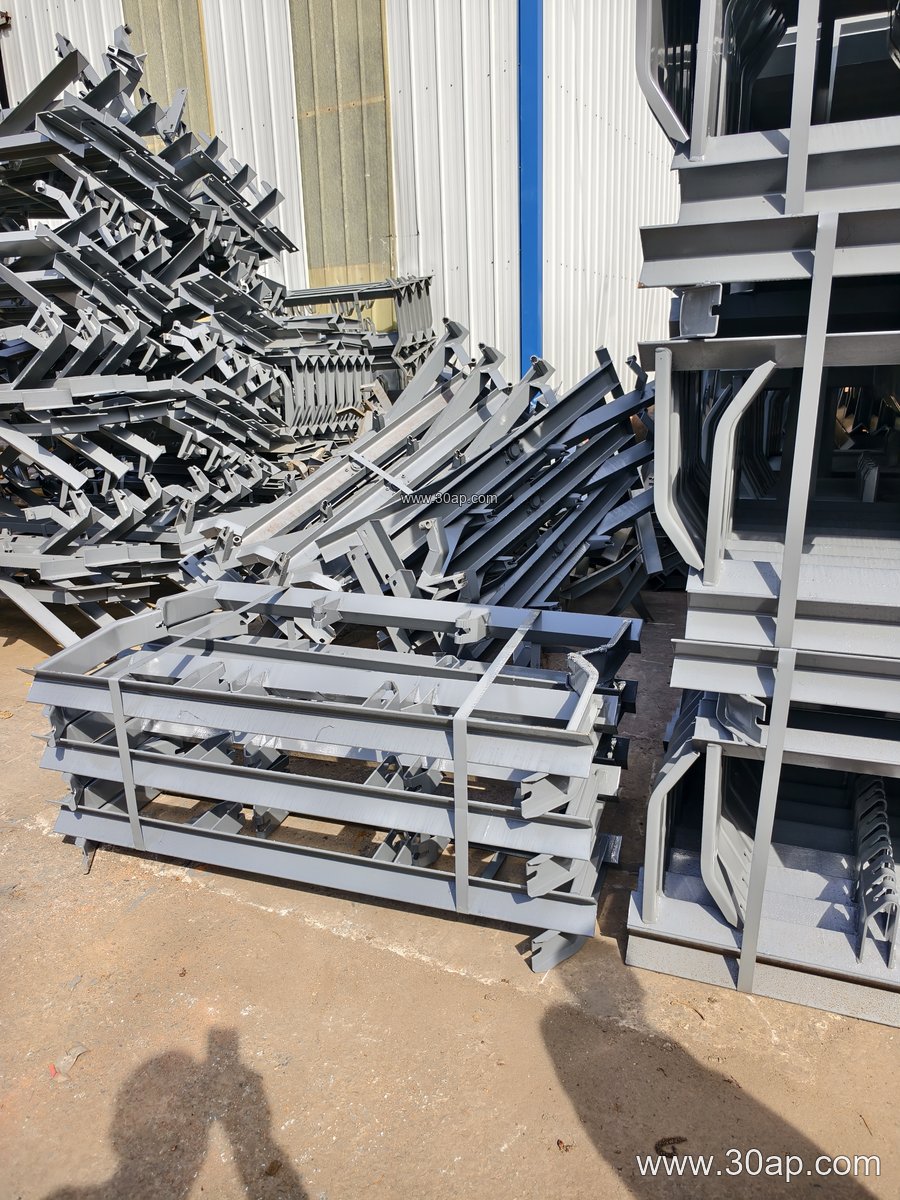
There is no single correct combination of belt width, trough angle and roller diameter. A B800 frame might run at 30 degrees with Ø108 rollers, while a B1200 line could use 45 degrees and Ø133 rolls; both are normal design choices, and the right answer depends on belt speed, material density and the transition length available. The table below shows typical reference pairings, not mandatory rules.
| Belt width | Typical trough angle | Common roller diameter |
|---|---|---|
| B500 to B650 | 20 to 30 degrees | Ø89 |
| B800 to B1000 | 30 to 35 degrees | Ø108 to Ø133 |
| B1200 to B1400 | 35 to 45 degrees | Ø133 to Ø159 |
| B1600 to B2000 | 35 to 45 degrees | Ø159 to Ø194 |
Adjustable brackets allow the trough angle to be set on site within a range such as 20 to 45 degrees, which is useful during commissioning or when a conveyor is modified. Forward-leaning frames, usually tilted about 1.5 to 2 degrees, are a separate option for belt training and should not be confused with the four-roll troughing frame itself.
Buyer Checklist
- Confirm belt width, trough angle and roller diameter as a set, not in isolation.
- Check shaft end dimensions and fixing hole spacing against the existing stringers.
- Ask whether the frame is fixed or adjustable if future angle changes are likely.
- Match steel finish and coating to the site environment, especially in washdown or coastal areas.
- Review roller spacing along the run so the belt sags evenly between stations.
A four-roll idler bracket is a small line item that shapes the whole troughing behaviour of a conveyor. Getting the frame geometry, hole pattern and roller fit right at the ordering stage avoids rework later, whether the conveyor serves a limestone quarry, a sinter plant or a grain terminal.