What a Conveyor Bracket Assembly Does
A conveyor bracket assembly is the supporting frame that holds the idlers in position under and along the conveyor belt. It is not a single welded piece of shop scrap; it is a small structural system made of formed steel, mounting plates, and locating slots that together keep the belt profile stable from the loading point to the discharge. In a quarry, a cement plant, or a power plant coal yard, these assemblies carry the weight of the belt, the material, and the idler roller itself, so the bracket geometry directly affects belt tracking and wear.
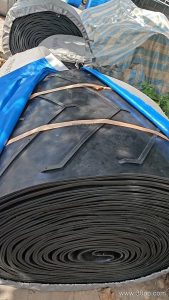
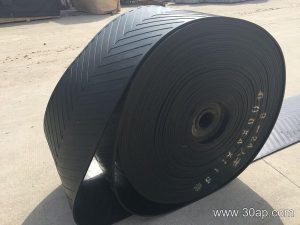
The bracket is usually built from angle steel, channel steel, or folded steel plate. Bolted and slotted connections allow maintenance crews to replace an idler without cutting the frame, which matters on a long overland conveyor where downtime is expensive. When the assembly is paired with a properly specified conveyor belt, such as an abrasion resistant conveyor belt in a stone crushing line, the whole support zone lasts longer.
How the Assembly Is Put Together
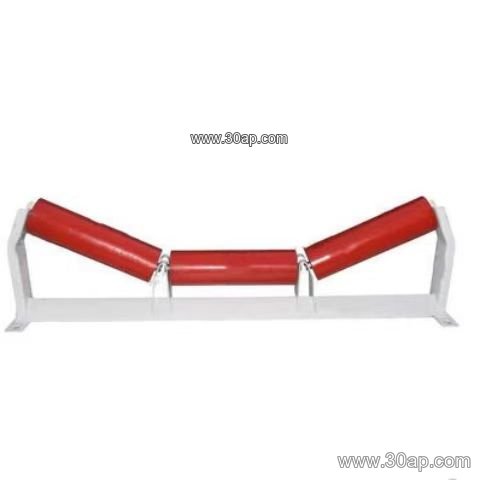
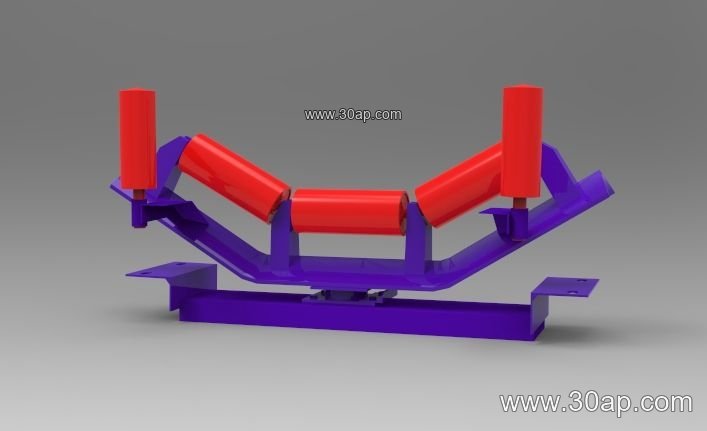
A typical assembly includes a cross beam, two or three idler mounting brackets, and a base that fixes to the conveyor stringer. On a troughing assembly, the side brackets are set at a fixed or adjustable angle. The common trough angles are 20, 30, 35, and 45 degrees, and an adjustable bracket can be moved between these positions to suit the material and belt stiffness. A small forward tilt of about 1.5 to 2 degrees is sometimes used on training assemblies to help the belt stay centered.
Mounting hole spacing and beam length change with belt width and trough angle, so they are determined by design rather than by a single fixed value. A bracket for B800 at 35 degrees is not the same part as one for B1200 at 45 degrees, even when both hold the same idler diameter.
Where Conveyor Bracket Assemblies Are Used
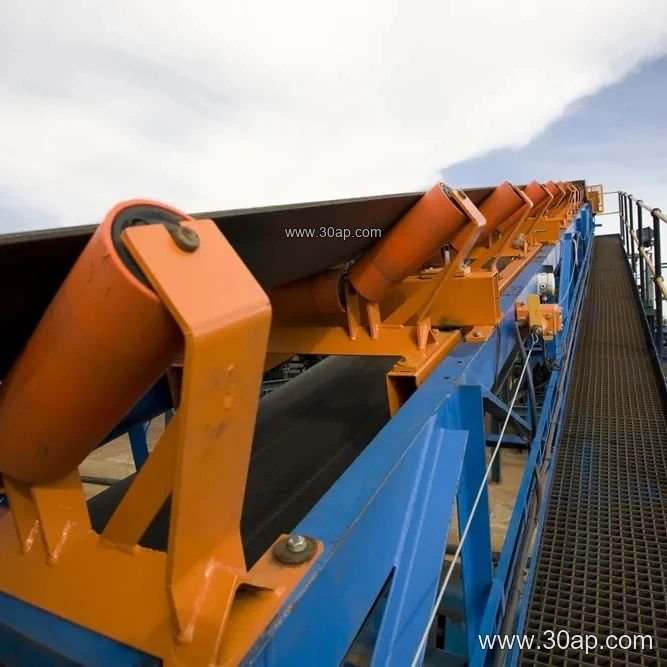
You will find these assemblies in limestone mines feeding a crusher, in aggregate plants where a crusher conveyor belt runs at high tonnage, and in cement plants moving clinker and raw meal. In a coal washing plant, flame retardant conveyor belt and anti-static conveyor belt are common, and the bracket must resist vibration from heavy lump coal. Port terminals handling iron ore or copper ore use wider belts, often in the B1400 to B1800 range, where the bracket span and beam stiffness become important.
They also appear in tunnel spoil removal, fertilizer plants, and grain silos, where a lighter EP conveyor belt or a fabric core conveyor belt may run on smaller idler rollers such as Ø89 or Ø108. In each case the bracket assembly is the quiet link between the structure and the rotating parts.
Common Types and Reference Dimensions
The table below lists typical bracket types and reference data. These are common examples, not universal specifications, and the final selection should follow the conveyor design.
| Type | Typical position | Reference belt width | Common trough angle | Reference idler diameter |
|---|---|---|---|---|
| Troughing bracket (upper) | Carrying side | B500 to B1200 | 20° to 35° | Ø89 to Ø133 |
| Transition bracket | Near pulley | B800 to B1600 | 20° to 30° | Ø108 to Ø159 |
| Return bracket (flat) | Return side | B650 to B1400 | Flat | Ø89 to Ø133 |
| V-return bracket | Return side | B800 to B1800 | V shape | Ø108 to Ø159 |
| Impact bracket | Loading point | B800 to B1600 | 30° to 45° | Ø133 to Ø194 |
| Self-aligning bracket | Tracking zone | B650 to B1400 | 20° to 35° | Ø108 to Ø159 |
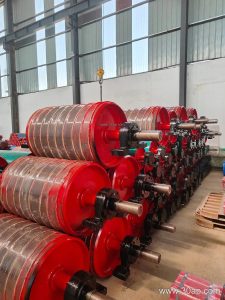
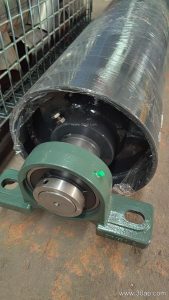
Other forms include the suspended bracket for tight spaces and the adjustable bracket, which lets maintenance staff correct the trough angle after belt stretch. A bend pulley or a tail pulley is not a substitute for these support frames; each part has its own job.
Buyer Checklist
- Confirm belt width, trough angle, and idler diameter together, not as separate items.
- Check the steel section and plate thickness against the load and the idler spacing.
- Ask whether the bracket is fixed or adjustable, and whether the slot range covers your target angle.
- Match bolt holes and beam length to the existing stringer before ordering.
- For dusty or wet sites, consider galvanized or painted finishes and easy idler access.
A well-chosen bracket assembly, used with the right idler roller and a matching conveyor belt, keeps the belt line straight and reduces edge damage. Buyers who compare bracket geometry with the actual conveyor layout usually avoid tracking problems later. For more conveyor support components, visit our site at www.example.com/conveyor-bracket and review the idler and pulley options as a system.