What a PVG Conveyor Belt Is
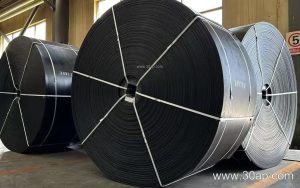
A PVG conveyor belt is a solid-woven, PVC-impregnated belt used for general and heavy-duty bulk conveying. The abbreviation stands for polyvinyl chloride impregnated whole-core belting, and the product is widely known simply as a PVG belt or PVC/PVG solid woven conveyor belt. Unlike a multi-ply fabric belt built from separate plies, the PVG conveyor belt has a single woven carcass fully impregnated with PVC, which gives it a compact, homogeneous structure.
Because the carcass is encapsulated rather than laminated, the belt resists moisture ingress, edge fraying and ply separation better than many conventional builds. That makes the PVG conveyor belt a practical choice in coal mining, mineral processing, power plants, cement works and quarry operations where conditions are wet, dusty or abrasive. It is often grouped with PVC conveyor belts, but the PVG designation usually points to the impregnated whole-core construction rather than a simple PVC top cover on a fabric base.
How the Belt Is Built
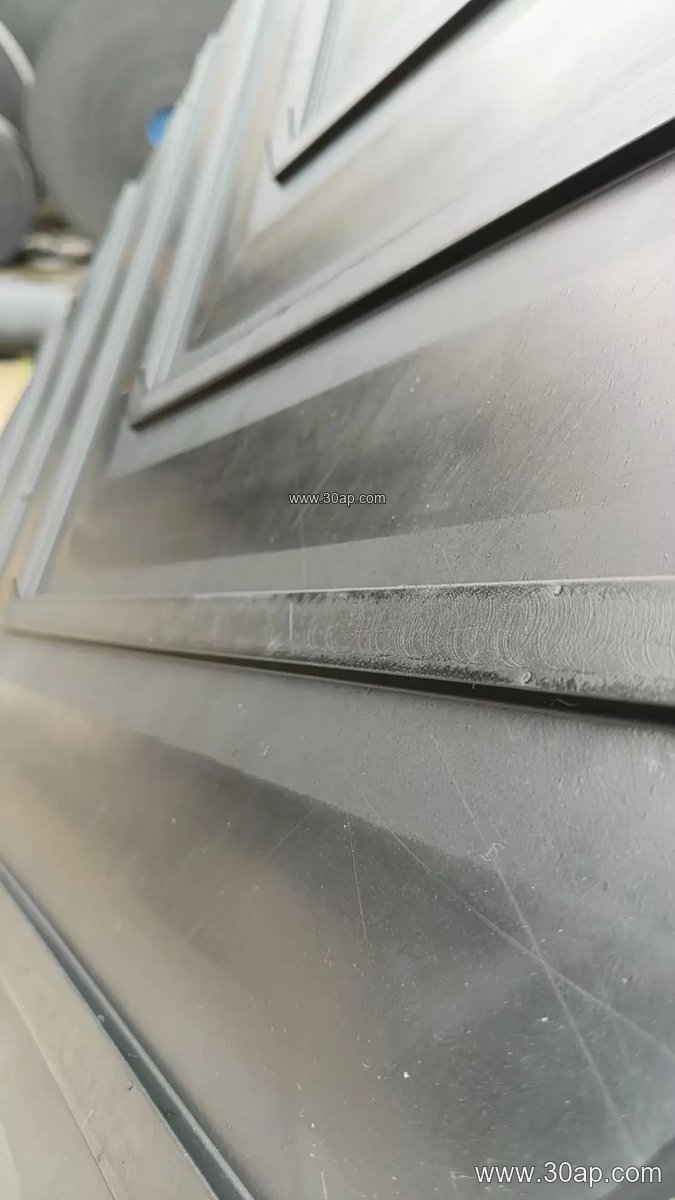
The core is a tightly woven fabric, typically polyester and nylon, that carries the tension load. After weaving, the carcass passes through a PVC impregnation stage so the compound fills the voids between yarns. Top and bottom covers are then applied, and the edges are sealed. The finished product behaves as one solid body, which helps it track well and resist impact damage.
- Solid-woven carcass with PVC impregnation
- Cover compounds matched to abrasion, flame or oil exposure
- Sealed edges to limit wicking and delamination
- Optional chevron, skirted or corrugated sidewall profiles for special duties
For fire-sensitive underground work, the compound can be formulated as a flame retardant conveyor belt or fire resistant conveyor belt grade. Anti-static conveyor belt versions are also common where static build-up is a concern. In some plants an abrasion resistant conveyor belt cover is specified for sharp, hard rock, while a heat resistant conveyor belt grade may be needed near dryers or clinker handling.
Typical Applications
PVG belting appears across many industries because it handles both fine and lumpy cargo. In coal mining and underground coal mining, flame retardant PVG grades are frequently selected for main haulage and transfer points. In a quarry conveyor belt or aggregate conveyor belt circuit, the belt carries crushed stone from a crusher conveyor belt to screens and stockpiles. Cement plants use it on clinker and raw meal lines, while power plants apply it to coal and ash handling. Ports and ship loading terminals also run PVG belts on bulk material conveyor belt systems.
Other service conditions include sand making plants, stone crushing lines, recycling facilities and construction sites. Where the route is steep, a chevron conveyor belt profile can be added to the same solid-woven base. Where material must be contained, a skirted conveyor belt or corrugated sidewall conveyor belt design keeps the load on the carrying surface. For enclosed routes, a pipe conveyor belt is a different construction and should not be confused with the PVG belt itself.
Common Specifications and Sizes
Buyers usually match belt width to the conveyor frame, the pulley face and the tonnage required. Widths are commonly quoted in millimetres, and cover thickness in millimetres for top and bottom. The table below shows representative values; actual figures are confirmed per design and per manufacturer.
| Parameter | Representative Range |
|---|---|
| Belt width | 500, 650, 800, 1000, 1200, 1400, 1600, 1800, 2000 mm |
| Cover thickness | 3+1.5, 4+2, 5+2, 6+2, 8+3 mm |
| Carcass | Solid-woven, PVC impregnated |
| Grade examples | PVG800, PVG800S, flame retardant, anti-static |
Strength class is normally stated as a nominal tensile figure, and PVG800 or PVG800S designations are common in mining duty. A wider belt does not automatically dictate one pulley diameter; the conveyor designer calculates pulley size from belt tension, wrap angle and carcass flexibility. Drive pulleys, tail pulleys and bend pulleys each serve different roles and are not interchangeable, so the belt specification should be shared with the pulley and idler roller supplier early in the project.
Selection and Maintenance Notes
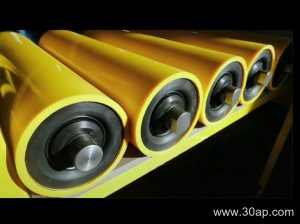
When specifying a PVG conveyor belt, confirm the material being carried, lump size, moisture level, temperature and any fire or static requirement. Check whether the belt will run on a standard troughed frame with idler rollers or on a special profile. Ask for the splicing method, because solid-woven belts are usually joined with a hot or mechanical splice, and an endless conveyor belt may be requested for long, permanent installations.
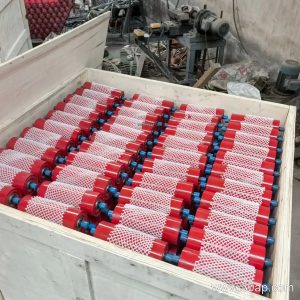
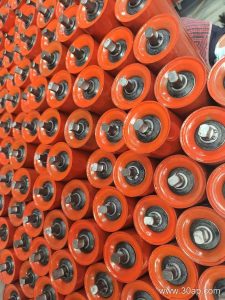
During operation, inspect covers for cuts, edge wear and material build-up. Keep conveyor pulleys and idler rollers aligned and turning freely, and check conveyor brackets for looseness. A well-tracked belt with clean pulleys lasts longer than one running misaligned, regardless of cover grade. For abrasive ore such as iron ore or copper ore, a high abrasion resistant cover is worth considering; for oily scrap or recycled material, an oil resistant conveyor belt compound may be more suitable.
Finally, compare the PVG option with EP conveyor belts, NN conveyor belts and steel cord conveyor belts only after the duty is clear. A steel cord conveyor belt suits very long, high-tension routes, while a fabric core conveyor belt such as EP or NN may fit medium-duty lines. The PVG conveyor belt sits in the middle ground as a robust, moisture-tolerant solid-woven solution for mining, cement, power and quarry conveying.