What Is a Non-Standard Conveyor Bracket?
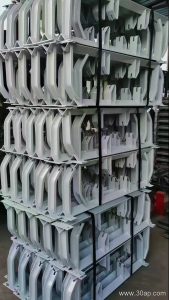
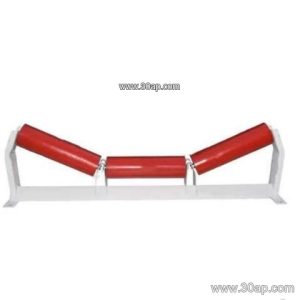
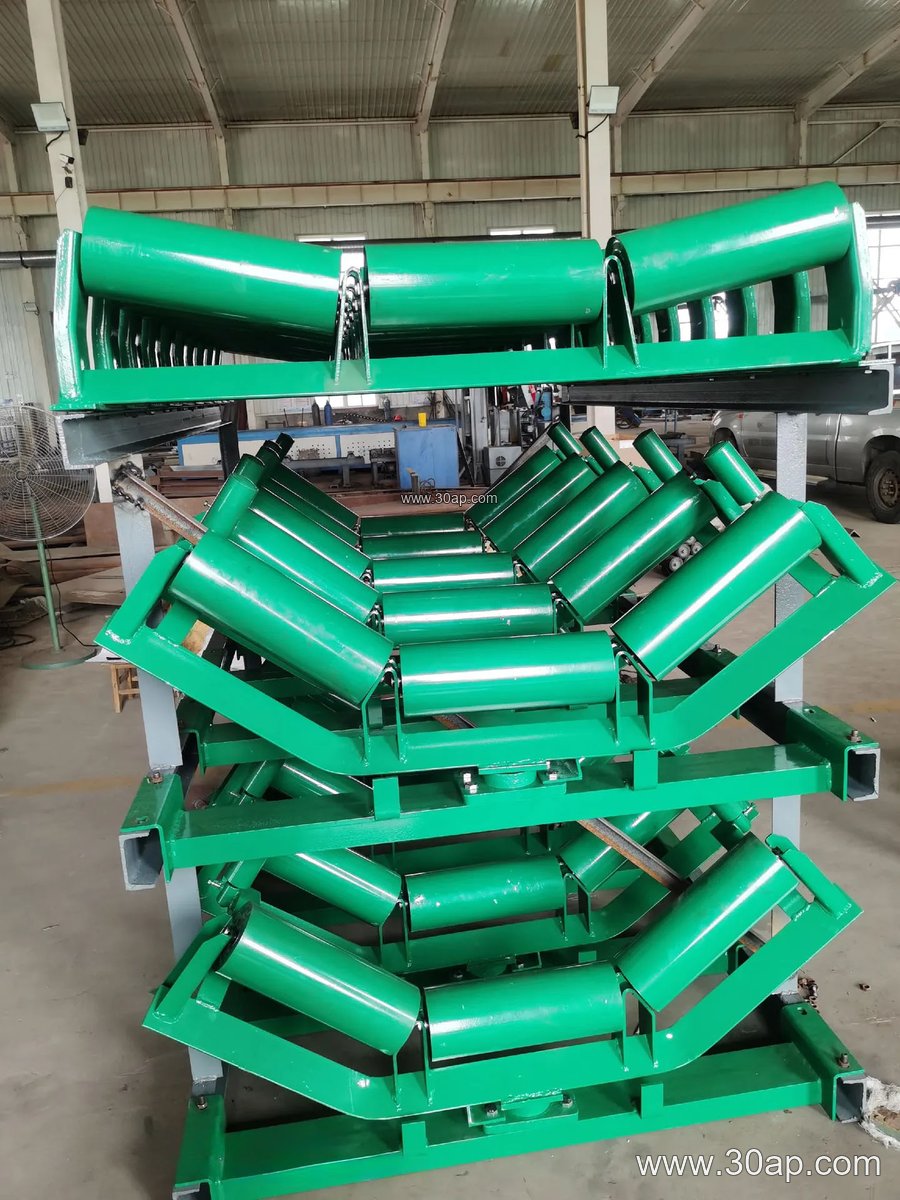
A non-standard conveyor bracket is a support component made to fit a belt conveyor where off-the-shelf brackets will not work. It is not a single fixed item; the term covers custom-built frames that hold idler rollers, guide the belt, or reinforce the conveyor structure. In practice, these brackets are designed around the actual conveyor layout, the belt width, the trough angle, and the roller diameter. They often appear in quarries, iron ore mines, cement plants, and power plant coal handling systems where conveyors follow unusual routes or carry heavy loads.
How a Custom Bracket Is Built
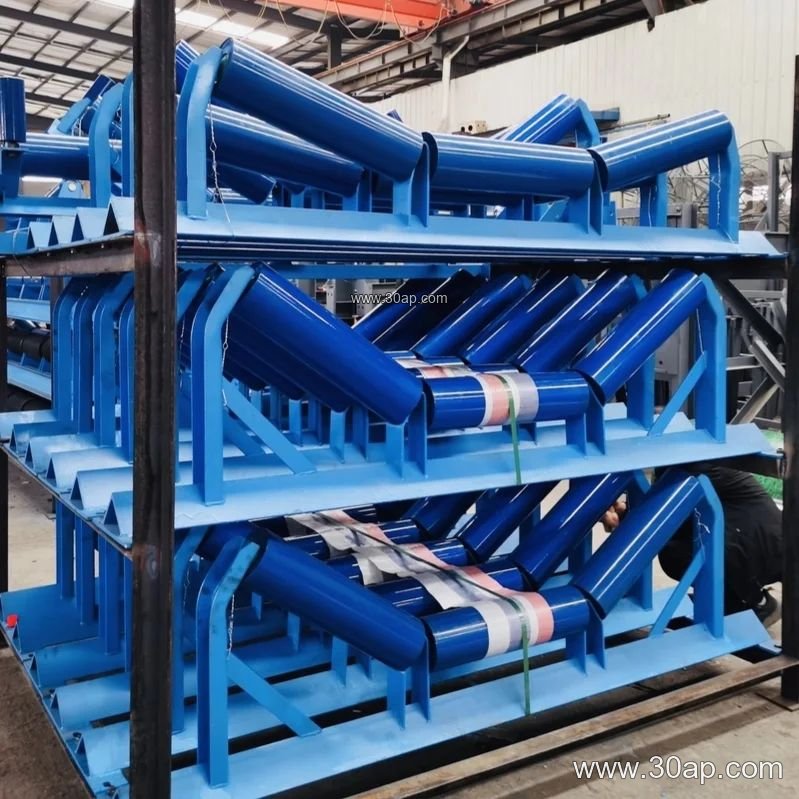
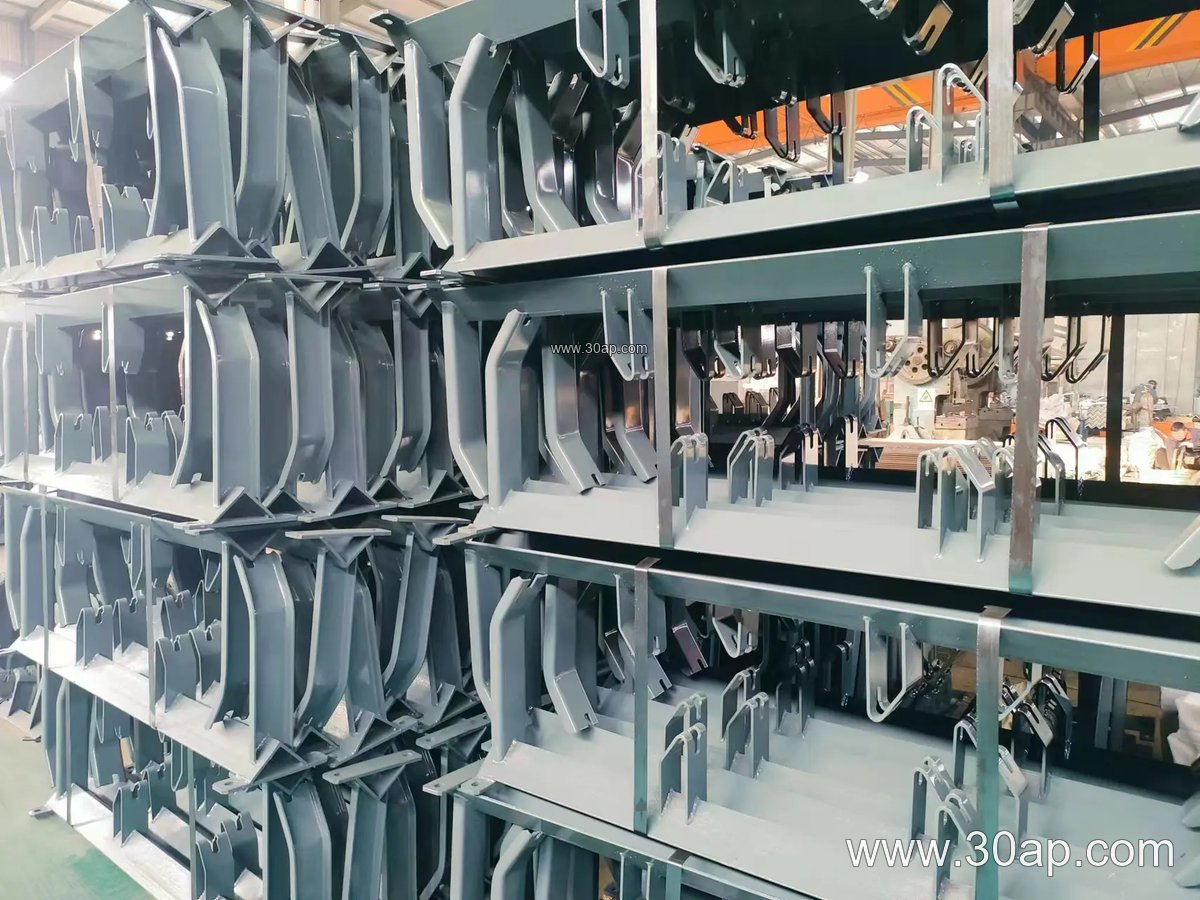
Most non-standard conveyor brackets are fabricated from angle steel, channel steel, or bent steel plate. The choice depends on the load and the mounting position. A bracket that supports a troughing idler on a 1200mm wide belt will usually need heavier material than one used on a small aggregate line. The bracket may include slotted holes or adjustable arms so the trough angle can be set between common values such as 20, 30, 35, or 45 degrees. Some designs add a slight forward tilt of about 1.5 to 2 degrees to help center the belt. Installation hole spacing and crossbeam length are not fixed; they are determined by the belt width, the trough angle, and the roller diameter.
Where These Brackets Are Used
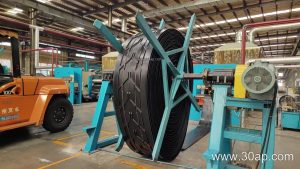
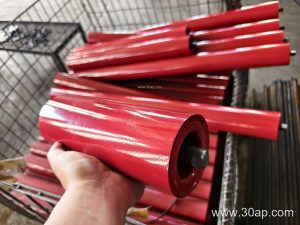
Custom brackets are common in crushing and screening plants, where conveyors often change direction and width. They also appear in coal preparation plants and underground mining conveyor systems, where space is tight and standard frames may not fit. In a limestone quarry, a non-standard bracket might support a transition idler near the crusher discharge. In a cement plant, it could hold a return roller under a long incline. These brackets work together with the conveyor belt, idler roller, and conveyor pulley to keep the belt tracking correctly and reduce spillage.
Key Parameters to Discuss with a Supplier
Because every non-standard bracket is made to order, the buyer should provide clear details. The table below lists typical information that helps a fabricator produce a bracket that fits.
| Parameter | Common Reference | Notes |
|---|---|---|
| Belt width | B500, B650, B800, B1000, B1200, B1400, B1600, B1800, B2000, B2200 | Bracket length and hole spacing follow the belt width. |
| Trough angle | 20°, 30°, 35°, 45° | Adjustable brackets can be set within a range. |
| Roller diameter | Ø89, Ø108, Ø133, Ø159, Ø194 | Bracket height and mounting slot size depend on the roller. |
| Material | Angle steel, channel steel, bent steel plate | Selected by load and environment. |
| Mounting position | Carrying side, return side, transition zone | Determines the bracket shape. |
For example, a bracket for a B800 belt with a 35-degree trough and Ø108 rollers is a common request. A wider B1200 conveyor with a 45-degree trough might use Ø133 rollers and a heavier bracket. These combinations are examples, not fixed rules; the final design should always be confirmed by the conveyor designer.
Design and Selection Tips
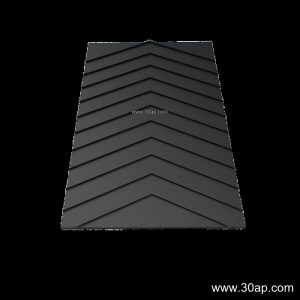
When specifying a non-standard conveyor bracket, consider the belt load and the material being carried. An abrasion resistant conveyor belt or a heat resistant conveyor belt may be used in the same system, and the bracket must handle the resulting tension. In coal mining, a flame retardant conveyor belt is often required, and the bracket should be designed for the same environment. Check that the bracket does not interfere with the conveyor pulley or the idler roller. If the bracket is adjustable, confirm the locking method so it does not shift under vibration. For heavy-duty mining conveyor belts, a reinforced bracket with additional gussets may be needed.
Buyer Checklist
- Provide the belt width and the required trough angle.
- State the roller diameter and the mounting hole pattern if known.
- Describe the mounting location: carrying side, return side, or transition.
- Mention the environment: dust, moisture, temperature, or corrosive atmosphere.
- Ask for a drawing or sample confirmation before production.
A well-made non-standard conveyor bracket is a small part that keeps a conveyor system running smoothly. Whether the plant handles iron ore, cement, or coal, the right bracket helps maintain belt alignment and extends the life of the idler rollers and the conveyor belt itself.