What a Mining Flame Retardant Conveyor Belt Is
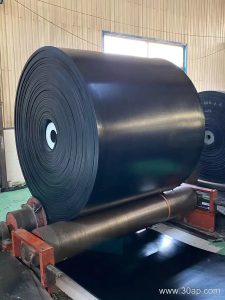
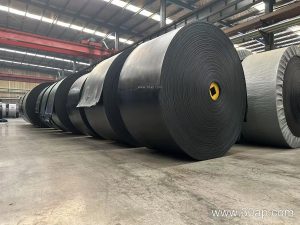
A mining flame retardant conveyor belt is a heavy-duty rubber conveyor belt engineered to resist ignition and limit flame spread in underground and surface mining operations. It is a specialized form of Fire Resistant Conveyor Belt used where coal dust, methane, or hot material creates fire risk. The belt must carry bulk material reliably while its cover and core are formulated to self-extinguish or slow combustion under defined test conditions. Buyers often specify this belt for coal mining conveyor belts, underground coal mining conveyor belts, and other fire-sensitive circuits.
Construction and Material Options
The belt combines a tension-bearing carcass with flame-retardant rubber covers. Common carcass choices include EP Conveyor Belt fabric (polyester-nylon), NN Conveyor Belt (nylon-nylon), and Steel Cord Conveyor Belt for long, high-tension runs. A Fabric Core Conveyor Belt with multiple plies may suit moderate loads, while a Multi-Ply Fabric Core Conveyor Belt adds strength where impact and abrasion are severe. Cover compounds usually include halogenated or antimony-based additives to suppress flame, together with anti-static agents so static charge does not accumulate.
Typical construction data for reference:
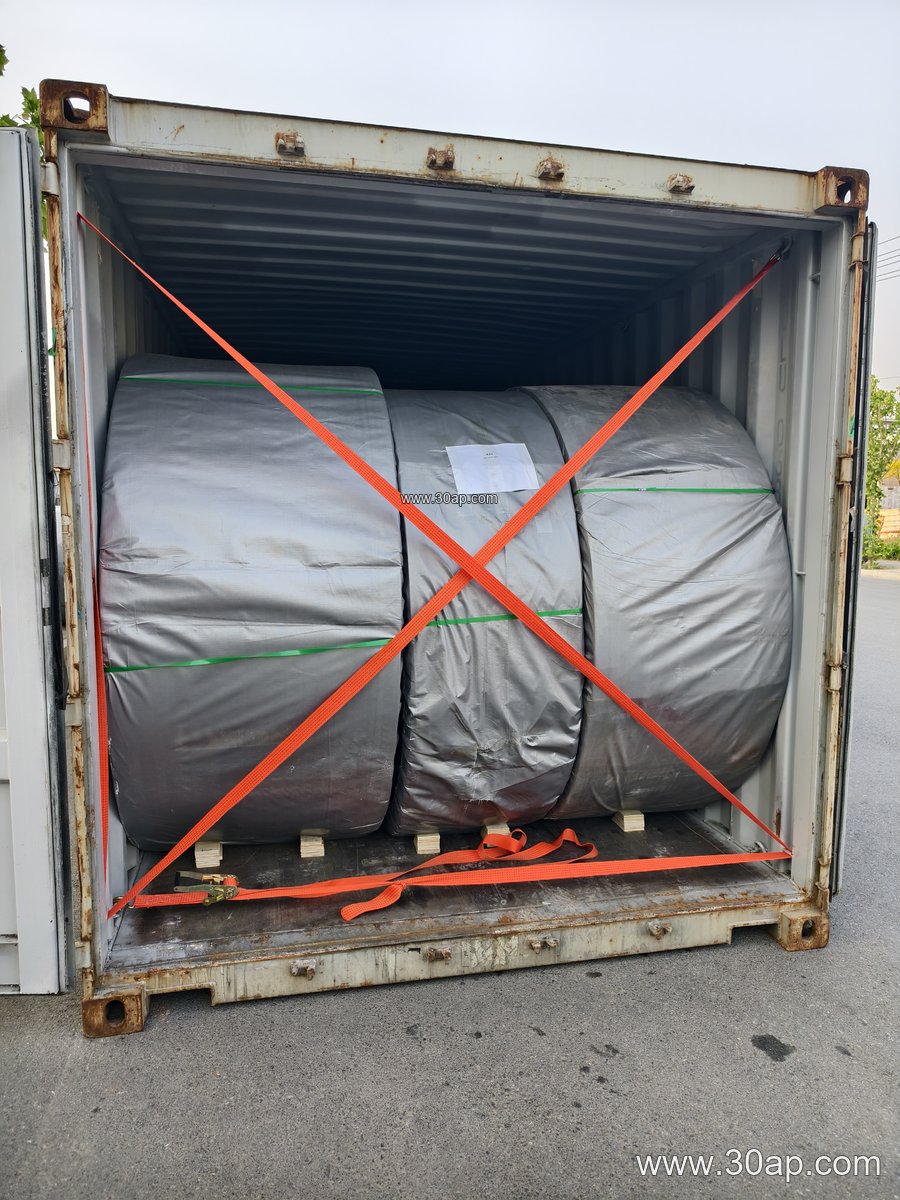
- Cover thickness grades such as 3+1.5 mm, 4+2 mm, 5+2 mm, 6+2 mm, and 8+3 mm.
- Carcass plies commonly 2 to 6 layers, depending on the required strength.
- EP strength grades including EP200, EP400, EP630, EP800, EP1000, and EP1250.
- Belt widths from B500 through B2000, with B800, B1000, B1200, B1400, and B1600 common in mining.
These are reference ranges, not fixed combinations; final construction is determined by conveyor design and the manufacturer’s data. For example, an EP1000 1200mm Conveyor Belt may be specified for a main haulage line, while a wider 1800mm Conveyor Belt suits high-capacity surface transfer.
Where It Is Used
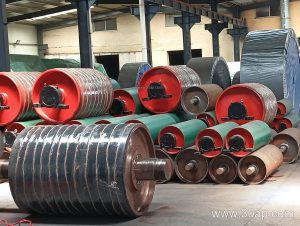
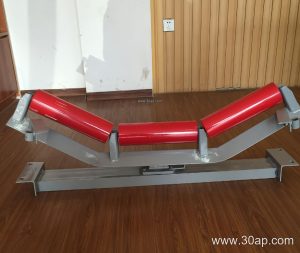
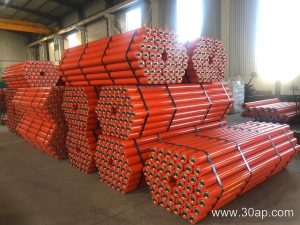
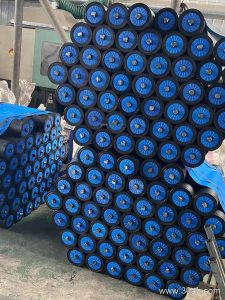
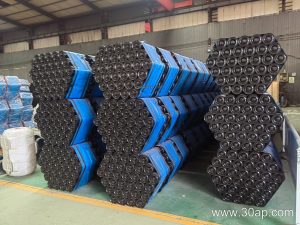
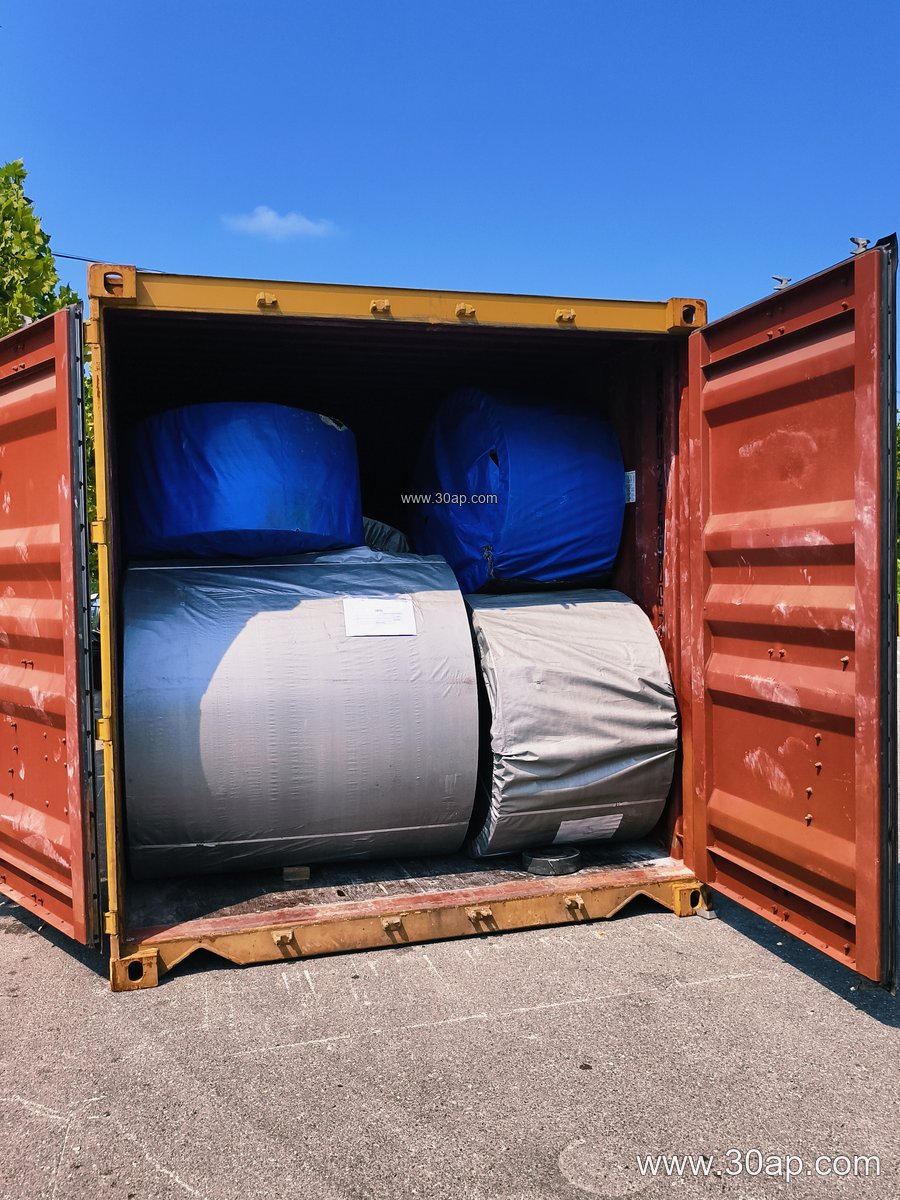
The main applications are coal mines, power plants, cement plants, and ore handling circuits. In a coal preparation plant, the belt may run alongside a conveyor pulley, idler roller, and conveyor bracket set that must also be selected for dusty, potentially explosive atmospheres. Surface operations such as quarry conveyor belts, aggregate conveyor belts, and crusher conveyor belts use flame-retardant belting when hot material or nearby ignition sources are present. Ports and ship loading systems may also require it where coal or bulk material is transferred.
Other belt types address different risks: a Heat Resistant Conveyor Belt handles hot clinker or sinter, an Abrasion Resistant Conveyor Belt handles sharp rock, and an Oil Resistant Conveyor Belt handles oily feedstock. A Chevron Conveyor Belt or Corrugated Sidewall Conveyor Belt solves steep-incline carrying, while a Pipe Conveyor Belt encloses the material. None of these replaces the flame-retardant role; they are chosen alongside or instead of it only when the hazard profile calls for it.
Selection Points for Buyers
Start with the fire hazard class required for the site and confirm the belt’s flame test performance with the supplier. Then match tensile strength to the conveyor’s calculated tension, allowing for starting and stopping loads. Check cover thickness against lump size and drop height, and confirm anti-static properties where dust is present. Belt width should follow the conveyor’s capacity and troughing design, not an arbitrary figure; a 1000mm Conveyor Belt and a 1400mm Conveyor Belt can both be correct on different conveyors.
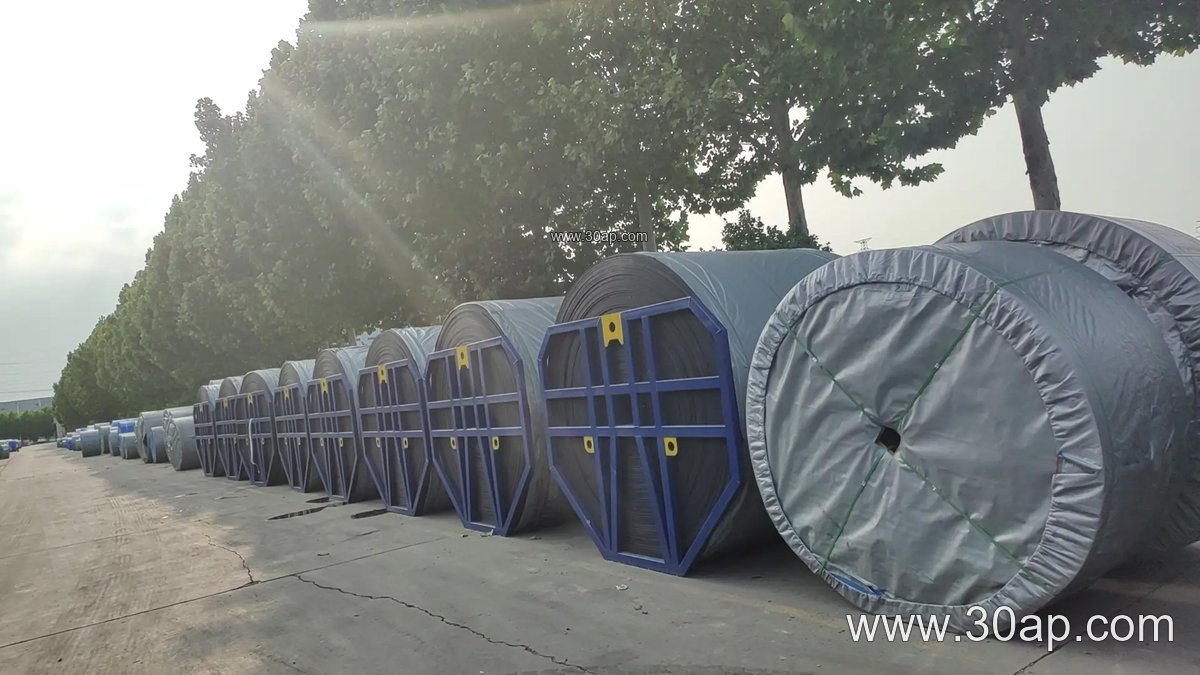
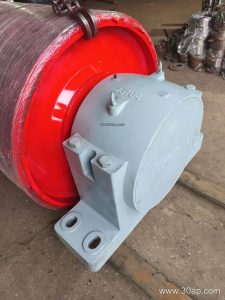
Also verify pulley diameters, idler roller spacing, and load support with the conveyor designer. A conveyor pulley at the drive, tail, or bend position has its own duty and is not interchangeable with another pulley type. Belt splices, edge condition, and skirt clearance affect both safety and belt life.
Installation and Maintenance Notes
Keep the belt tracking straight to avoid edge wear and frictional heat. Clean spilled coal or dust from return runs, since accumulation can create a fire path. Inspect idler rollers for seized bearings and check that conveyor brackets remain aligned. Store spare belting away from heat and sunlight, and follow the manufacturer’s splicing method for flame-retardant covers. Routine checks of cover wear, splice integrity, and anti-static continuity help maintain the intended safety margin.
For more on compatible components, see the conveyor belt and conveyor pulley ranges, and confirm every Mining Flame Retardant Conveyor Belt order against the actual conveyor duty rather than catalog defaults.