What a Conveyor Support Leg Does
A conveyor support leg is the vertical structural member that carries the weight of a conveyor frame and transfers it safely to the ground or to a steel structure. In a typical bulk handling line, the belt rides on idler rollers, the rollers sit in brackets, and the brackets are fixed to longitudinal beams — those beams are held up by these legs. Without a stable support leg, the frame would sag, alignment would drift, and the belt would track poorly.
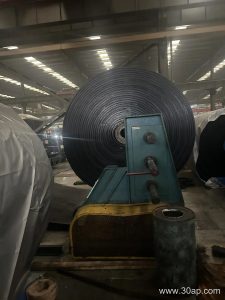
The part is often called a conveyor stand leg or conveyor frame leg. It is a simple component, but it decides how rigid, level and serviceable the whole conveyor line becomes. For plants handling heavy loads, such as an iron ore conveyor belt or a high abrasion resistant conveyor belt, the leg design matters as much as the belt itself.
Construction and Materials
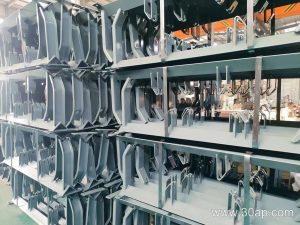
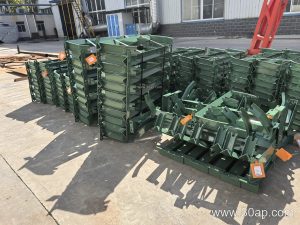
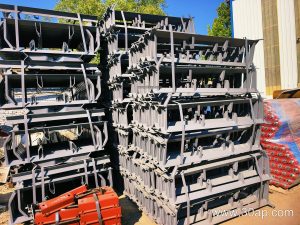
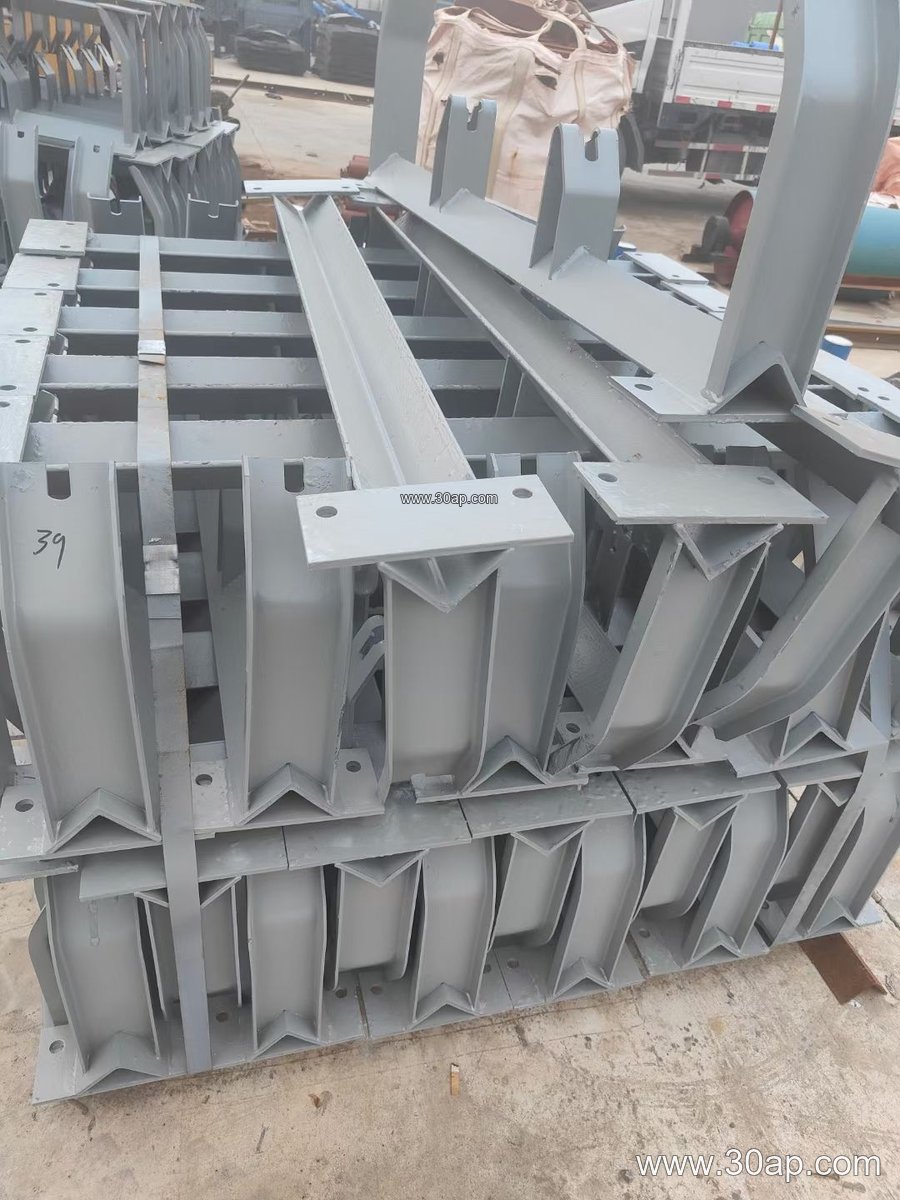
Most support legs are fabricated from angle steel, channel steel, or folded steel plate. Welded feet or base plates are common, and bolt holes are positioned to suit the mating beam. A adjustable conveyor support leg includes slotted holes or a telescopic section so the frame height can be fine-tuned during installation and re-leveled after foundation settlement.
- Angle steel legs — light to medium frames, simple bolted connections
- Channel steel legs — heavier loads, better bending resistance
- Folded plate legs — clean appearance, good stiffness-to-weight ratio
- Adjustable legs — threaded or slotted height adjustment for accurate alignment
Surface treatment is usually painted or galvanized. In a coal mining conveyor belt system, galvanized or heavily coated legs are often preferred because of dust and moisture. The leg should be matched to the load path: a leg under a transition idler bracket sees different forces than one under a plain carry bracket.
Where Support Legs Are Used
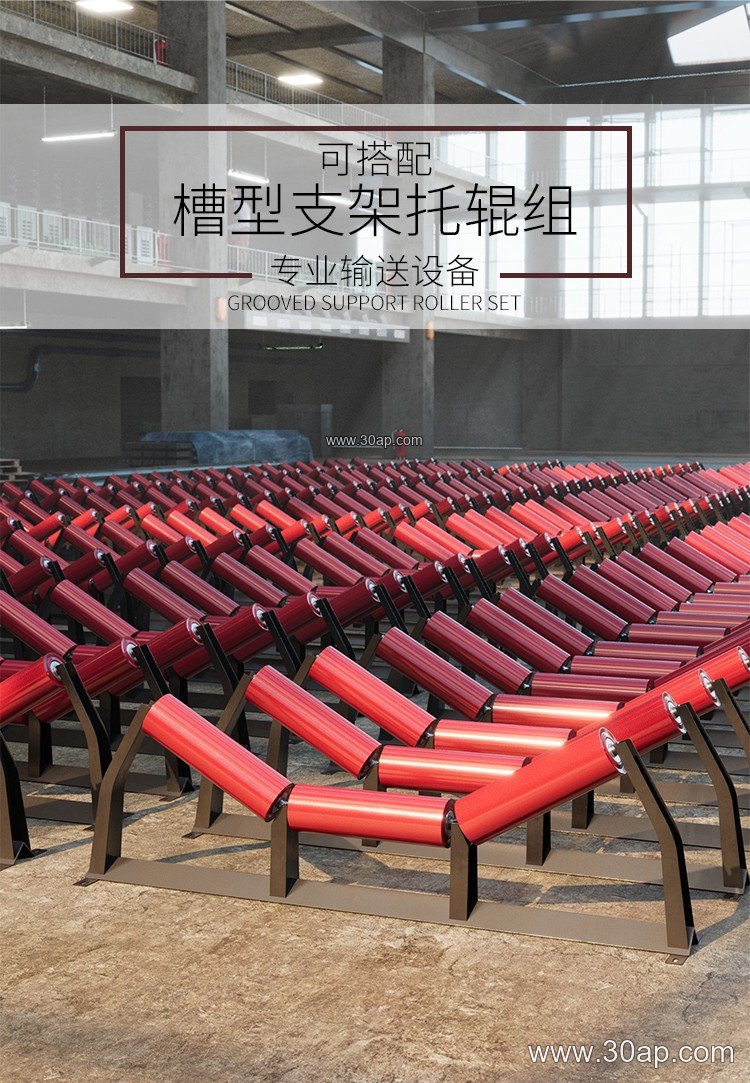
These legs appear wherever a conveyor needs ground support along its length. Two common settings are a limestone quarry and a power plant coal yard. In a quarry, legs carry frames for crusher conveyor belts and aggregate conveyor belts that move sharp, dense rock. In a power plant, they support coal conveyor belts feeding bunkers, where dust and vibration are constant.
They are also used in cement plants, steel plants, sand and gravel lines, and port loading systems. In long overland conveyors, legs are spaced at intervals set by the structural engineer, not by a fixed rule. Spacing depends on belt width, load, wind, and the stiffness of the longitudinal beam.
Matching Legs to Belt Width, Trough Angle and Roller Diameter
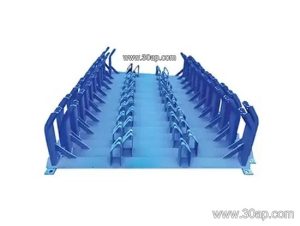
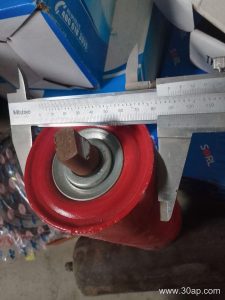
The leg must suit the frame it carries, and the frame follows the belt and idler layout. Common belt widths include B500, B650, B800, B1000, B1200, B1400, B1600, B1800, B2000, B2200. Trough angles are usually 20, 30, 35 or 45 degrees, with about 1.5 to 2 degrees of forward tilt on some forward-leaning brackets. Roller diameters commonly include Ø89, Ø108, Ø133, Ø159 and Ø194.
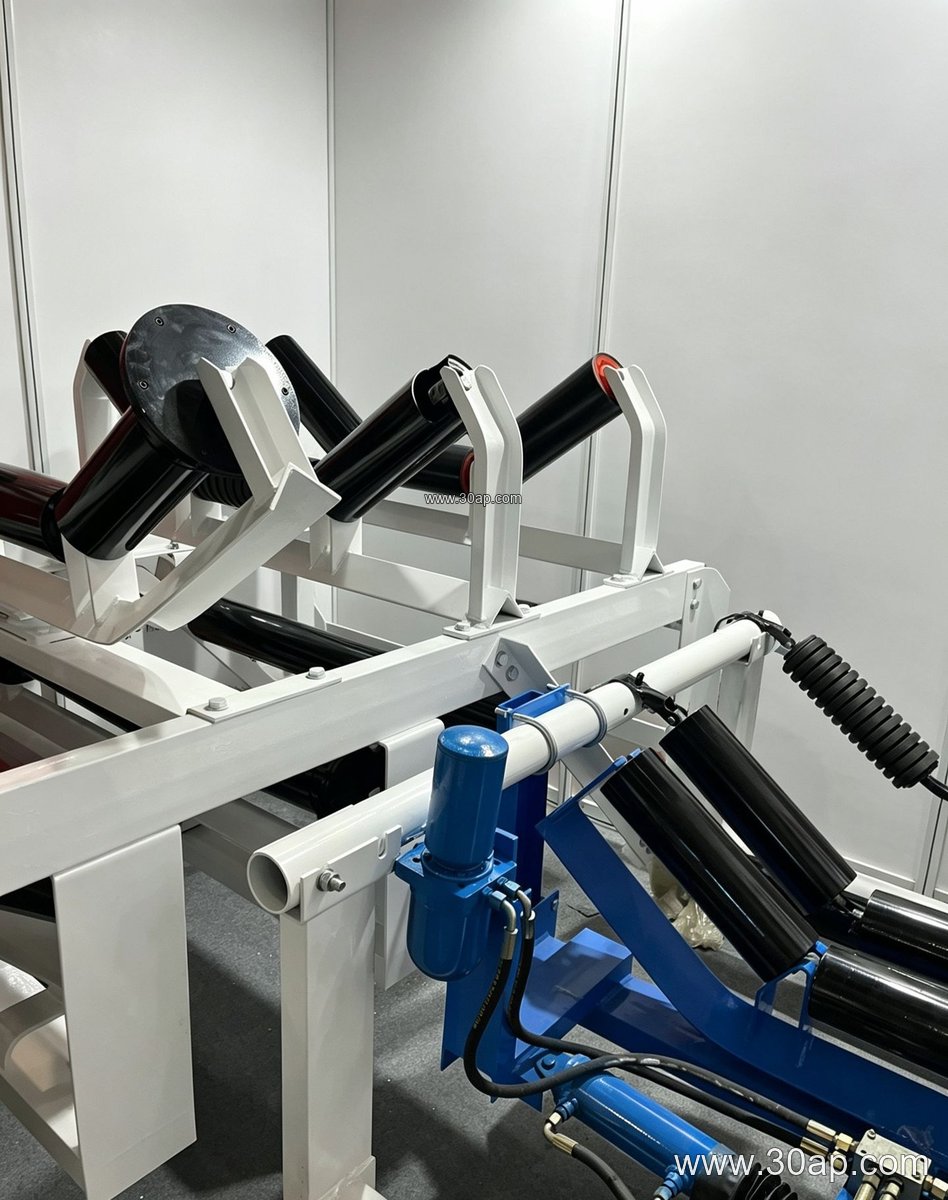
Typical combinations look like B800 with a 35 degree trough and Ø108 rollers, or B1200 with a 45 degree trough and Ø133 rollers. These are examples, not fixed pairs. A wider belt does not automatically require one specific trough angle or roller size; the design determines it. Installation hole spacing and crossbeam length change with belt width and trough angle, so they should never be treated as universal numbers.
| Item | Common Reference Range | Notes |
|---|---|---|
| Belt width | B500 to B2200 | Match to frame and bracket length |
| Trough angle | 20°, 30°, 35°, 45° | Adjustable legs help fine alignment |
| Roller diameter | Ø89, Ø108, Ø133, Ø159, Ø194 | Selected by load and belt speed |
| Material | Angle, channel, folded plate | Paint or galvanized finish |
| Type | Fixed or adjustable | Adjustable for leveling and retrofits |
Fixed versus Adjustable Legs
A fixed conveyor support leg is welded or bolted to a set height. It is economical and rigid, and it suits lines where the foundation is stable. An adjustable leg allows height correction, which is useful on uneven ground, in temporary installations, or where a frame must be raised slightly to correct belt tracking. Neither type replaces the other; the choice depends on the site.
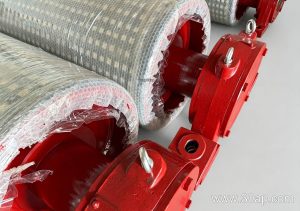
Legs work together with the conveyor bracket, idler roller and conveyor pulley. The drive pulley and tail pulley pull and return the belt, but the legs keep the whole structure in place. In a pipe conveyor belt line, the support structure is different again, so leg selection should follow the actual frame drawing.
Buyer Checklist
- Confirm belt width, trough angle and roller diameter before ordering.
- Ask for leg height, base plate size and bolt hole pattern.
- State the environment — dusty coal yard, wet quarry, or hot cement plant.
- Check whether height adjustment is needed for leveling.
- Match the leg material and finish to the expected load and corrosion level.
For more conveyor structure guidance, visit our site at ztconveyor.com and review related conveyor support leg options at ztconveyor.com along with belt and roller selections. A well-chosen leg keeps the frame straight, the belt centered, and maintenance simpler for years of service.