What the Trough Idler Bracket Set Does
A trough idler bracket set is the steel support assembly that holds the carrying-side idler rollers in a troughed position under a conveyor belt. Instead of letting the belt run flat, the bracket set lifts the outer rollers at an angle so the belt forms a channel. That channel keeps bulk material centered on the belt, reduces spillage, and helps the belt track straighter through the load zone. In a quarry, a limestone mine, or a cement plant, this small structural item often decides how clean the transfer point really is.
The set is not a single part. A complete trough idler bracket set usually includes the crossbeam, the end brackets or gussets that set the trough angle, mounting feet or bolt holes, and the seats or hooks that locate each idler roller. Depending on the design, the center roller may sit on a fixed saddle while the wing rollers are pinned at a preset angle, or all three positions may be adjustable.
How the Bracket Set Is Built
Most frames are fabricated from angle steel, channel steel, or folded steel plate. The material choice follows the load and the environment: a heavy-duty mining conveyor belt line needs a stiffer crossbeam than a light aggregate conveyor. Welds at the bracket-to-beam joint carry the repeated load of the belt and material, so quality control at that joint matters more than the paint finish.
Typical builds include:
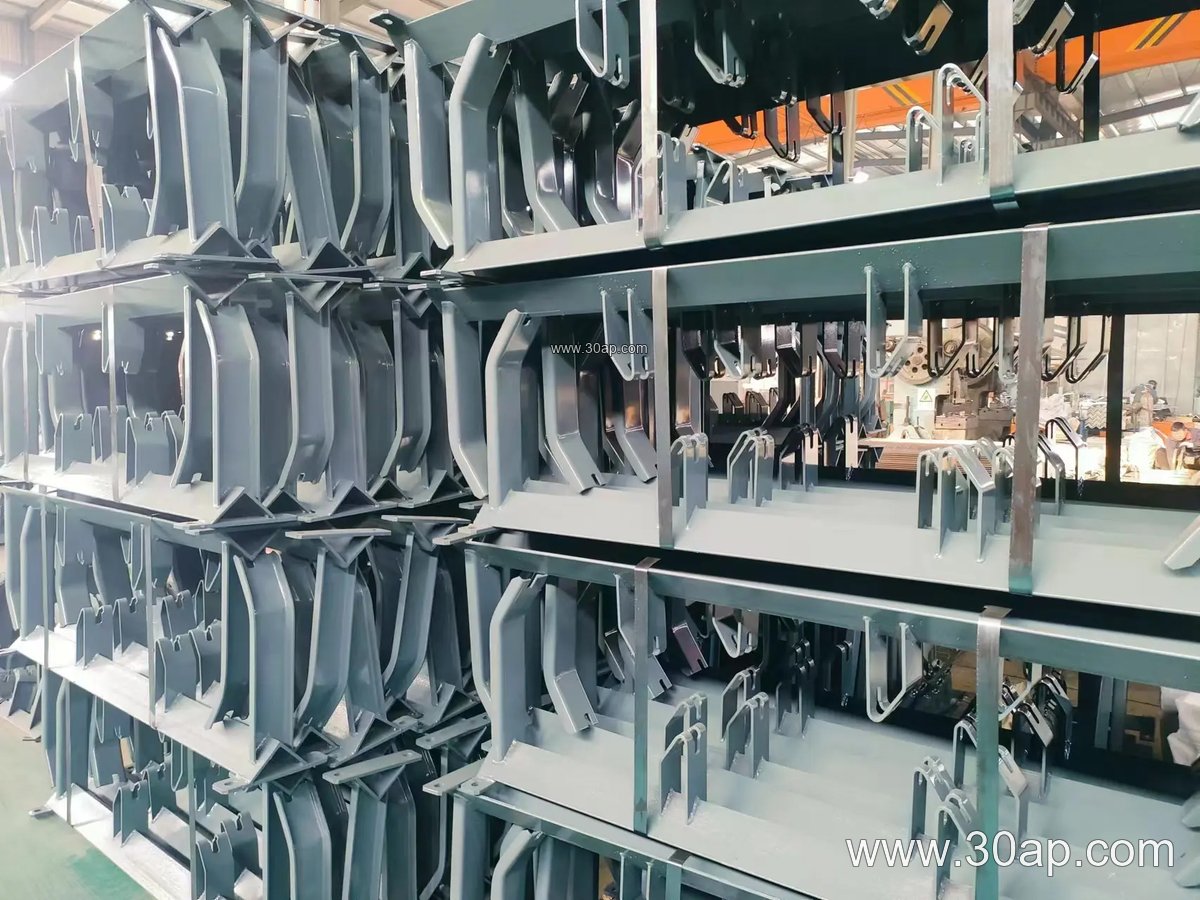
- Fixed trough brackets welded at a set angle
- Adjustable brackets with slotted holes or pivoting wings
- Bolted sets that ship flat and assemble on site
- Heavy plate sets for wide, high-tonnage lines
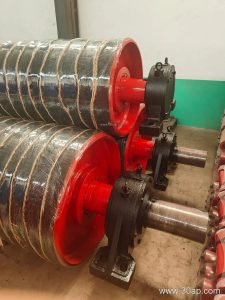
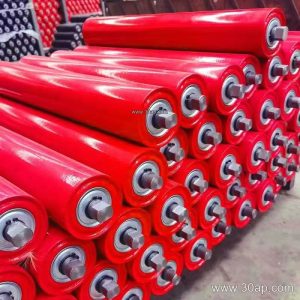
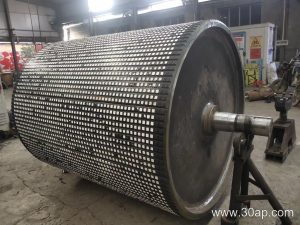
The bracket set works together with the idler roller, the conveyor pulley at the drive and tail ends, and the belt itself. A misaligned bracket can wear the idler shell unevenly and accelerate belt edge damage.
Trough Angle and Roller Diameter Choices
Trough angle controls how deep the belt channel sits. Common values are 20, 30, 35, and 45 degrees. A 20 or 30 degree set suits many aggregate and sand lines where material is not too abrasive and belt speed is moderate. A 35 degree set is a frequent middle choice for bulk material conveyor belts in cement and power plant coal handling. A 45 degree set gives deeper capacity for high-volume ore or rock, but it also increases belt flexing at the wing rollers.
Roller diameter should be matched to belt width, load, and speed rather than picked from a single chart. Common diameters include Ø89, Ø108, Ø133, Ø159, and Ø194. Wide belts carrying heavy ore usually need larger rollers and a stiffer bracket. Belt width and trough angle together determine the crossbeam length and mounting hole spacing, so these dimensions are confirmed per design, not treated as universal.
| Belt Width | Typical Trough Angle | Common Roller Diameter |
|---|---|---|
| B650 | 30 degrees | Ø89 |
| B800 | 35 degrees | Ø108 |
| B1000 | 35 degrees | Ø133 |
| B1200 | 45 degrees | Ø133 |
| B1400 | 35 to 45 degrees | Ø159 |
| B1600 | 35 to 45 degrees | Ø159 |
| B1800 | 35 to 45 degrees | Ø194 |
These pairings are examples only. A B1200 line can run a 35 degree set with a smaller roller if the load allows, and a B800 line in an abrasive iron ore duty may use a heavier bracket than the table suggests.
Where It Fits on the Conveyor
Trough idler bracket sets appear along the carrying run, from the loading point to the head end. In a coal mining conveyor belt system, they are spaced closely near the feed to support impact, then at wider spacing along the steady run. Transition brackets near the tail pulley gradually change the belt from flat to troughed, protecting the belt from a sharp fold. Return-side brackets are a separate family and are not a substitute for the trough set.
In a stone crushing line, a properly set bracket keeps the crusher conveyor belt centered and limits edge wear. In a port ship loading system, adjustable trough sets help fine-tune belt tracking when the belt is long and carries variable loads. The same bracket is also found in fertilizer plants and grain silos where gentle handling matters.
Buyer Checklist
- Confirm belt width, trough angle, and roller diameter as one package.
- Ask whether the set is fixed or adjustable, and how the angle is locked.
- Check steel section thickness and weld quality, not just the paint.
- Confirm mounting hole spacing against the existing conveyor frame.
- Match the bracket duty to the belt: an abrasion resistant conveyor belt on sharp rock needs a stiffer support than a smooth sand line.
- Consider corrosion and dust exposure in wash plants and ports.
For belt tracking issues, compare the trough idler bracket set with the transition and self-aligning brackets before changing the belt. For spare parts planning, keep a small stock of the most worn bracket sizes on hand. Buyers often pair bracket orders with conveyor belt, idler roller, and conveyor pulley checks so the whole line is reviewed at once.