What a Heavy-Duty Steel Conveyor Bracket Does
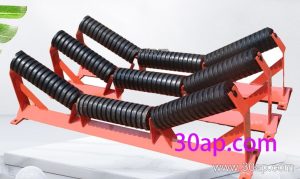
In a quarry, a cement plant, or a coal handling system, the conveyor structure has to carry more than just the belt. A heavy-duty steel conveyor bracket is the support component that holds idler rollers in the correct position along the carrying and return sides of a belt conveyor. It transfers the load from the belt and material into the conveyor frame, keeping the belt profile stable from the load zone to the discharge point. While often overlooked, this bracket is the backbone of reliable idler alignment and belt tracking.
This article focuses on the heavy-duty steel conveyor bracket, also called a heavy-duty idler support bracket, and how it is built, where it is used, and what to check before ordering.
Construction and Materials
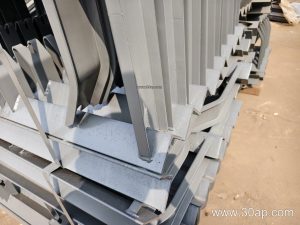
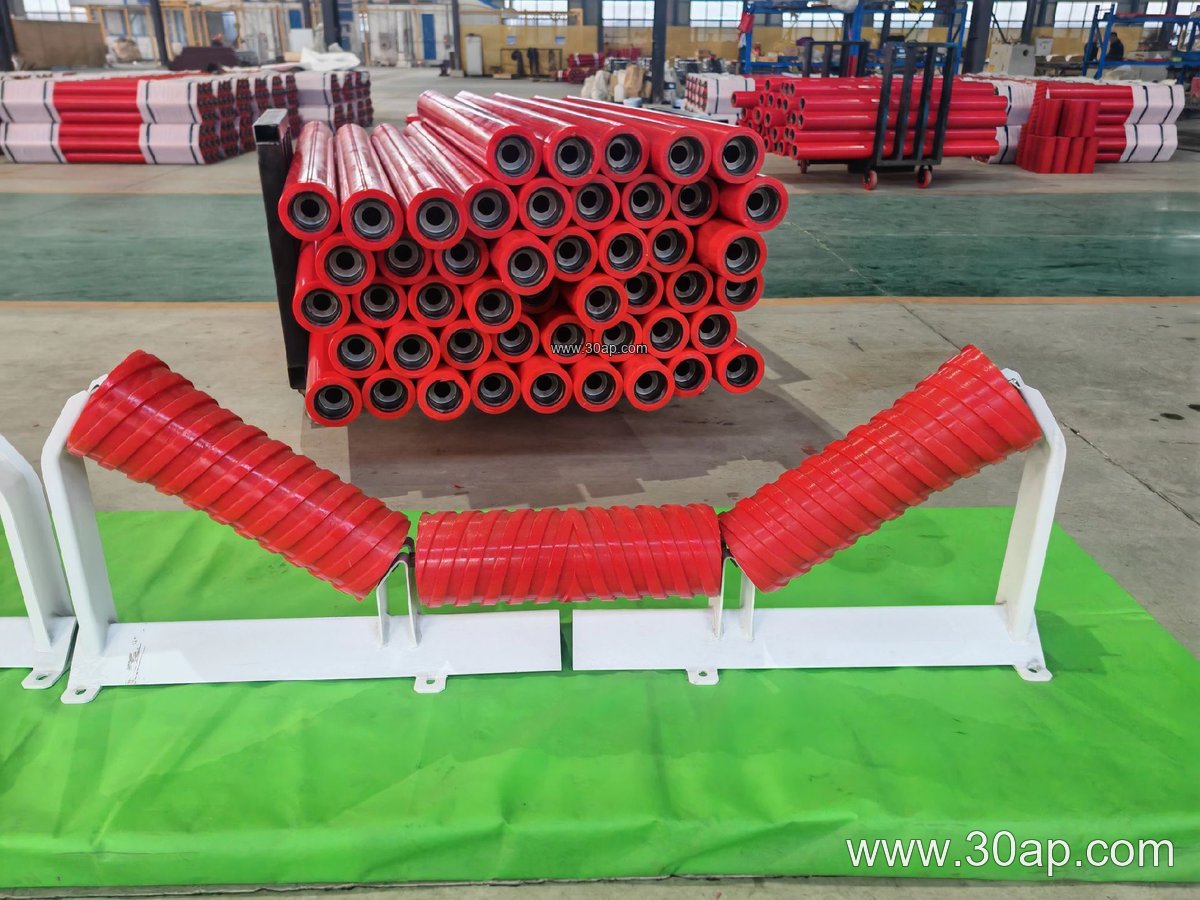
Heavy-duty steel conveyor brackets are typically fabricated from angle steel, channel steel, or formed steel plate. The material thickness and weld quality determine how well the bracket resists vibration, impact, and fatigue in continuous operation. A well-built bracket will have reinforced mounting holes, stiffened corners, and a finish that suits the environment—painted for general service or galvanized for wet and corrosive conditions.
Common bracket types include troughing brackets for the carrying side, transition brackets near pulleys, return brackets for the lower run, and impact brackets under loading points. Adjustable brackets allow the trough angle to be set on site, while fixed brackets are welded or bolted to a specific profile. For example, a B800 belt with a 35-degree trough and Ø108 idlers may use a fixed troughing bracket, while a B1200 system with a 45-degree profile might use an adjustable version to fine-tune belt contact. Installation hole spacing and crossbeam length are not fixed—they change with belt width and trough angle, so they should always be confirmed against the conveyor design.
Where These Brackets Are Used
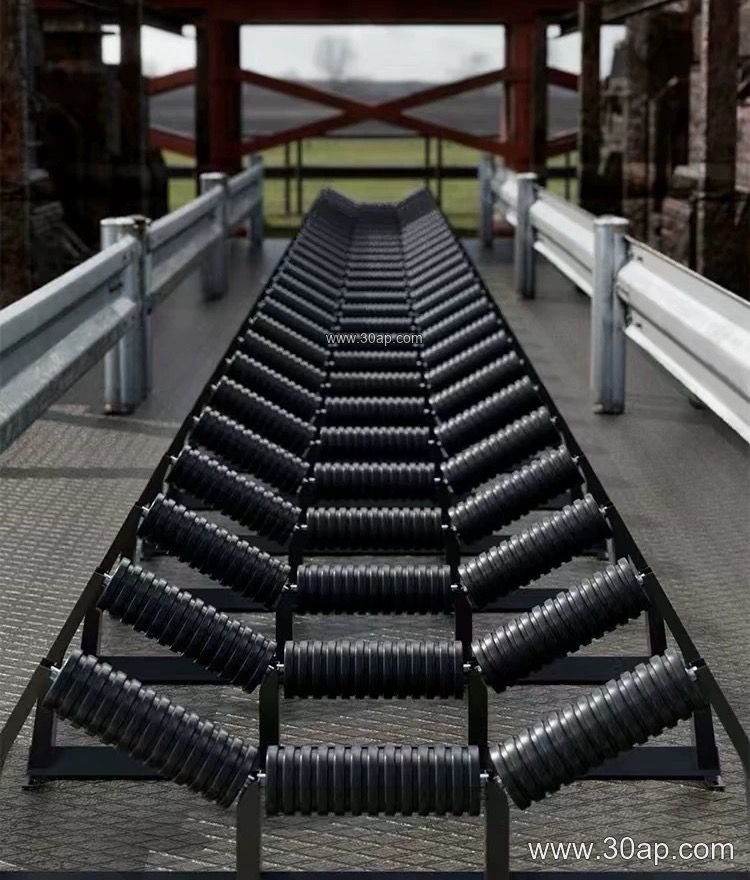
Heavy-duty steel conveyor brackets appear wherever bulk material moves continuously. In a limestone quarry or aggregate plant, they support the belt through crusher discharge and screening circuits. In a coal preparation plant or underground mining conveyor, flame retardant conveyor belts and abrasion resistant conveyor belts run on brackets designed for dusty, high-impact conditions. Cement plants use them on clinker and raw meal lines, while power plant coal handling and port ship loading conveyors rely on sturdy brackets to keep long belts aligned.
Other sectors include steel plants, fertilizer granulation lines, and grain silos. In each case, the bracket works with the conveyor belt, idler roller, and conveyor pulley to maintain a stable belt path. A misaligned or undersized bracket can cause belt edge wear, material spillage, and premature idler failure, so matching the bracket to the duty is essential.
Matching Brackets to Belt and Idler Sizes
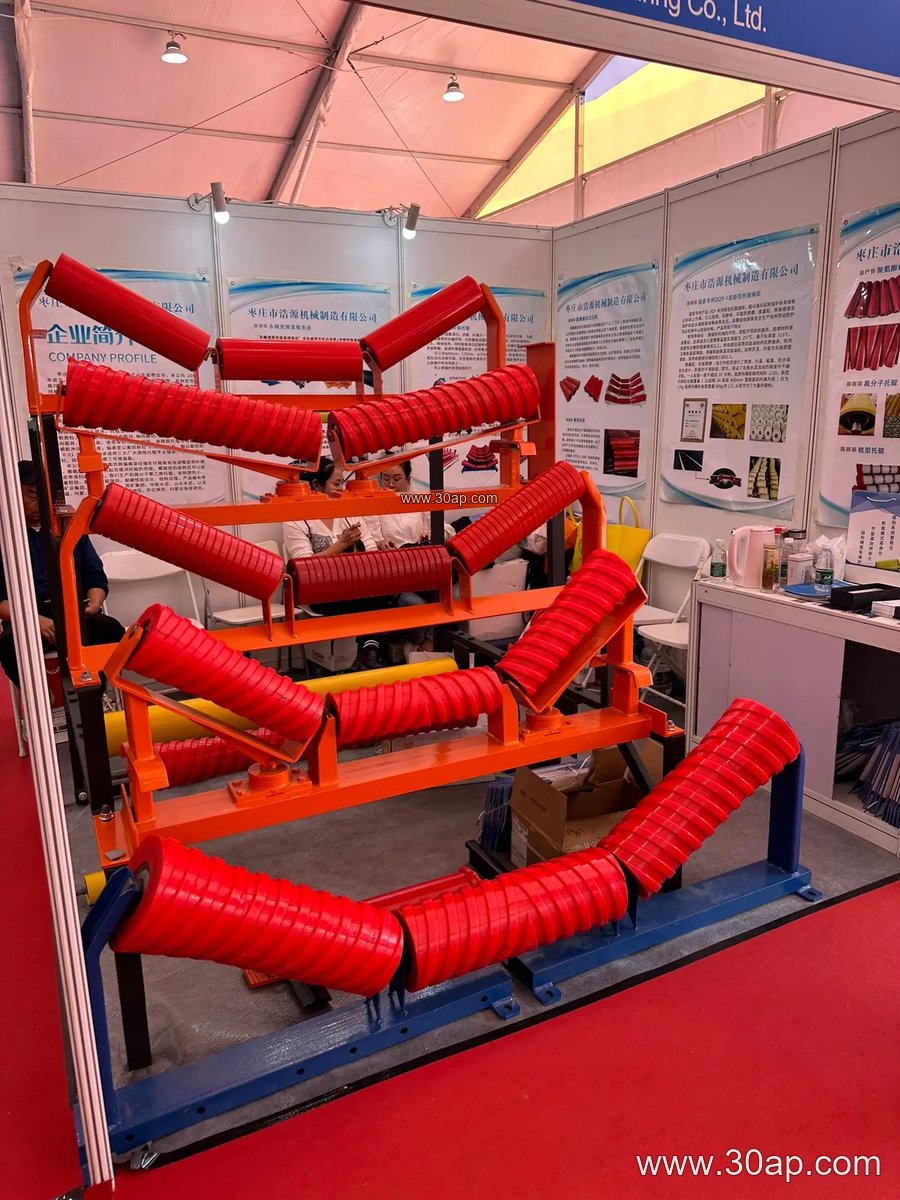
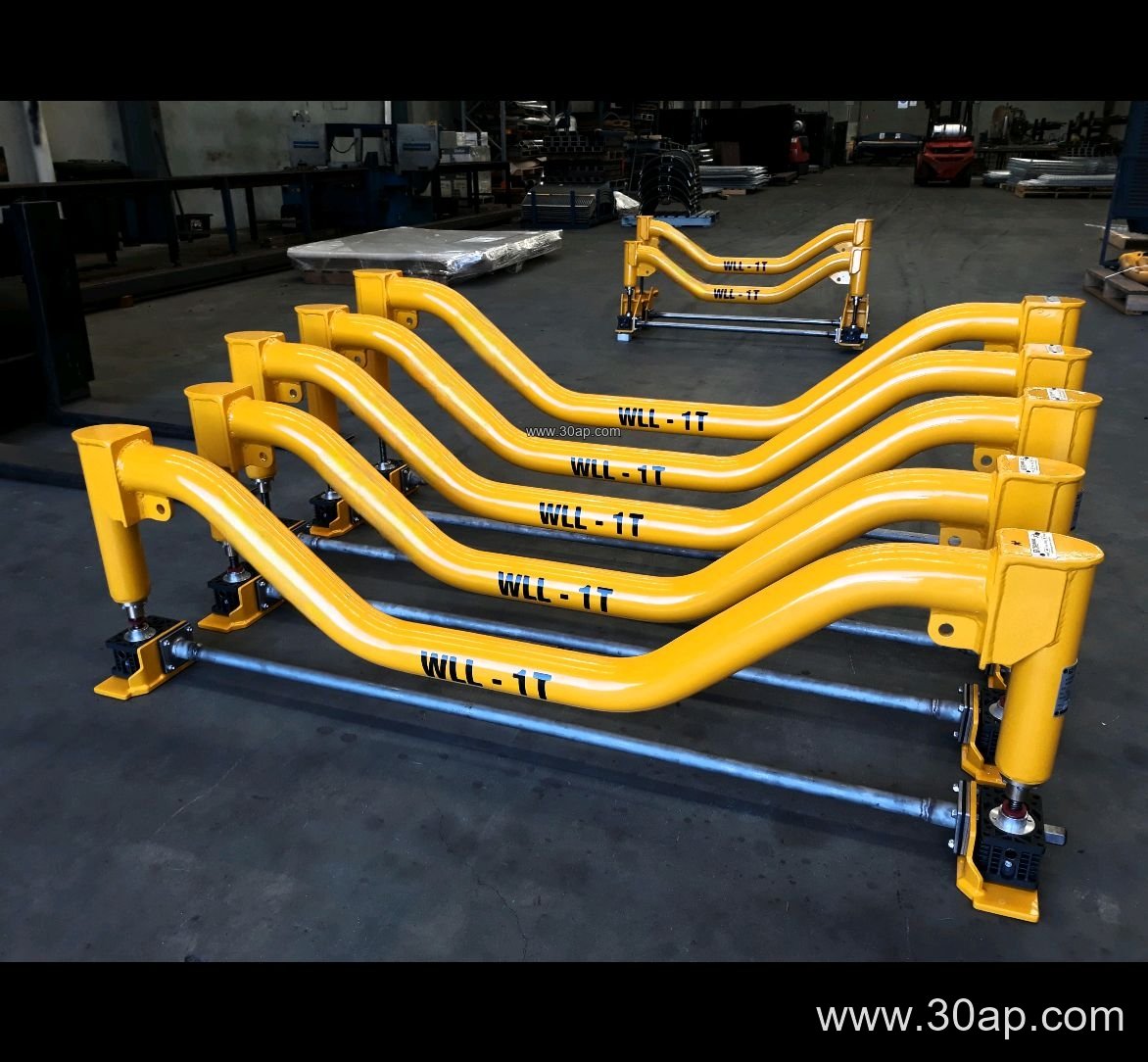
Selection starts with the belt width and the idler diameter. Typical belt widths range from B500 to B2200, and common idler diameters include Ø89, Ø108, Ø133, Ø159, and Ø194. The table below shows a few reference combinations—not mandatory pairings—to illustrate how bracket dimensions vary.
| Belt Width | Trough Angle | Idler Diameter | Bracket Style |
|---|---|---|---|
| B650 | 30° | Ø89 | Fixed troughing |
| B800 | 35° | Ø108 | Adjustable troughing |
| B1000 | 35° | Ø133 | Transition bracket |
| B1200 | 45° | Ø133 | Impact bracket |
| B1400 | 45° | Ø159 | Return V-bracket |
| B1600 | 35° | Ø159 | Fixed troughing |
| B1800 | 45° | Ø194 | Adjustable troughing |
| B2000 | 35° | Ø194 | Return bracket |
These are common reference values. A B800 belt is not limited to a 35-degree trough or a Ø108 idler—the final choice depends on the conveyor design, material characteristics, and belt speed. Similarly, the bracket for a drive pulley area differs from one near a tail pulley or bend pulley, so the location must be specified when ordering.
Buyer Checklist for Heavy-Duty Steel Conveyor Brackets
- Confirm belt width, trough angle, and idler diameter before requesting a quote.
- State the conveyor position: carrying side, return side, transition, or impact zone.
- Specify whether the bracket should be fixed or adjustable.
- Check material thickness and surface treatment for the site environment.
- Ask for dimensional drawings showing mounting hole spacing and crossbeam length.
- Consider the conveyor belt type—such as EP conveyor belt or steel cord conveyor belt—since belt stiffness affects bracket loading.
For harsh sites like a copper ore or iron ore operation, heavy-duty brackets should be paired with abrasion resistant conveyor belts and robust idler rollers. In coal mining, flame retardant conveyor belts and anti-static properties are often required, and the bracket must not interfere with grounding or belt tracking. Buyers can also review related components such as conveyor bracket options and conveyor pulley specifications to ensure the whole system works together.
Installation and Maintenance Notes
Proper installation keeps the bracket square to the conveyor centerline. Bolts should be tightened to the recommended torque, and adjustable brackets should be set to the specified trough angle before the belt is tensioned. During maintenance, check for loose bolts, bent brackets, and worn mounting holes. In dusty plants, clean the bracket surfaces so material buildup does not affect idler alignment. Replacing a damaged bracket early prevents more costly damage to the conveyor belt and pulleys.
Whether the application is a stone crushing line, a cement plant, or a port conveyor, the heavy-duty steel conveyor bracket is a small but critical part of the material handling chain. Selecting the right style and size for the belt and idler ensures longer service life and smoother operation.