What a Heavy-Duty Conveyor Belt Is
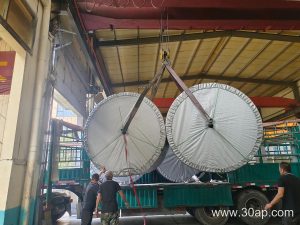
A heavy-duty conveyor belt is a robust, high-capacity belt designed for continuous transport of abrasive, heavy, or hot bulk materials in demanding industries such as mining, coal preparation, cement plants, power stations, and quarry operations. Unlike general-purpose belts, it combines a strong tension-bearing carcass with thick, wear-resistant covers to withstand impact, cutting, and flexing over long distances. Common synonyms include heavy-duty conveyor belting and high-capacity industrial conveyor belt, though the core product remains the same.
Construction and Key Components
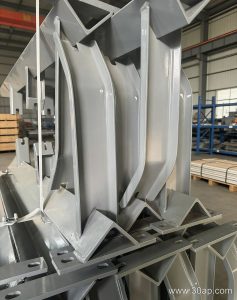
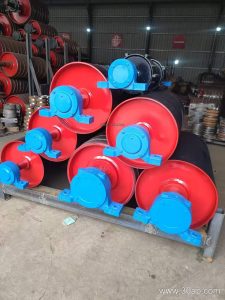
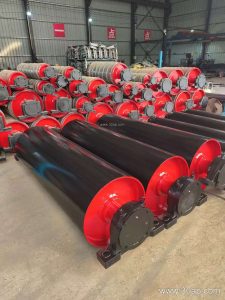
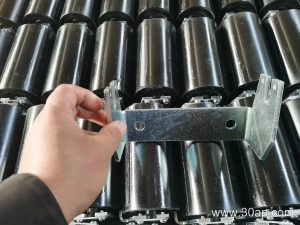
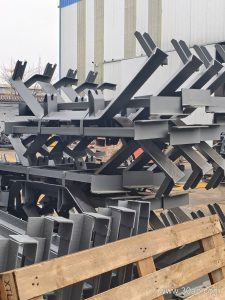
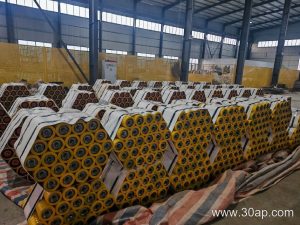
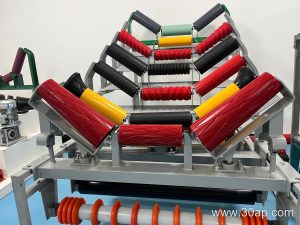
The belt’s performance comes from its carcass and cover compound. The carcass may be fabric-reinforced (EP or NN) or steel cord, while covers are formulated for specific conditions. A typical heavy-duty belt uses multiple plies or high-tensile steel cords to handle high tension and load support. Cover thickness often ranges from 4+2 mm to 8+3 mm, with 6+2 mm and 8+3 mm common in primary crushing and high-impact zones. The belt works together with conveyor pulleys, idler rollers, and conveyor brackets to maintain tracking and support. Drive, tail, and bend pulleys have distinct roles and are not interchangeable; each must be sized to the belt’s tension and speed requirements.
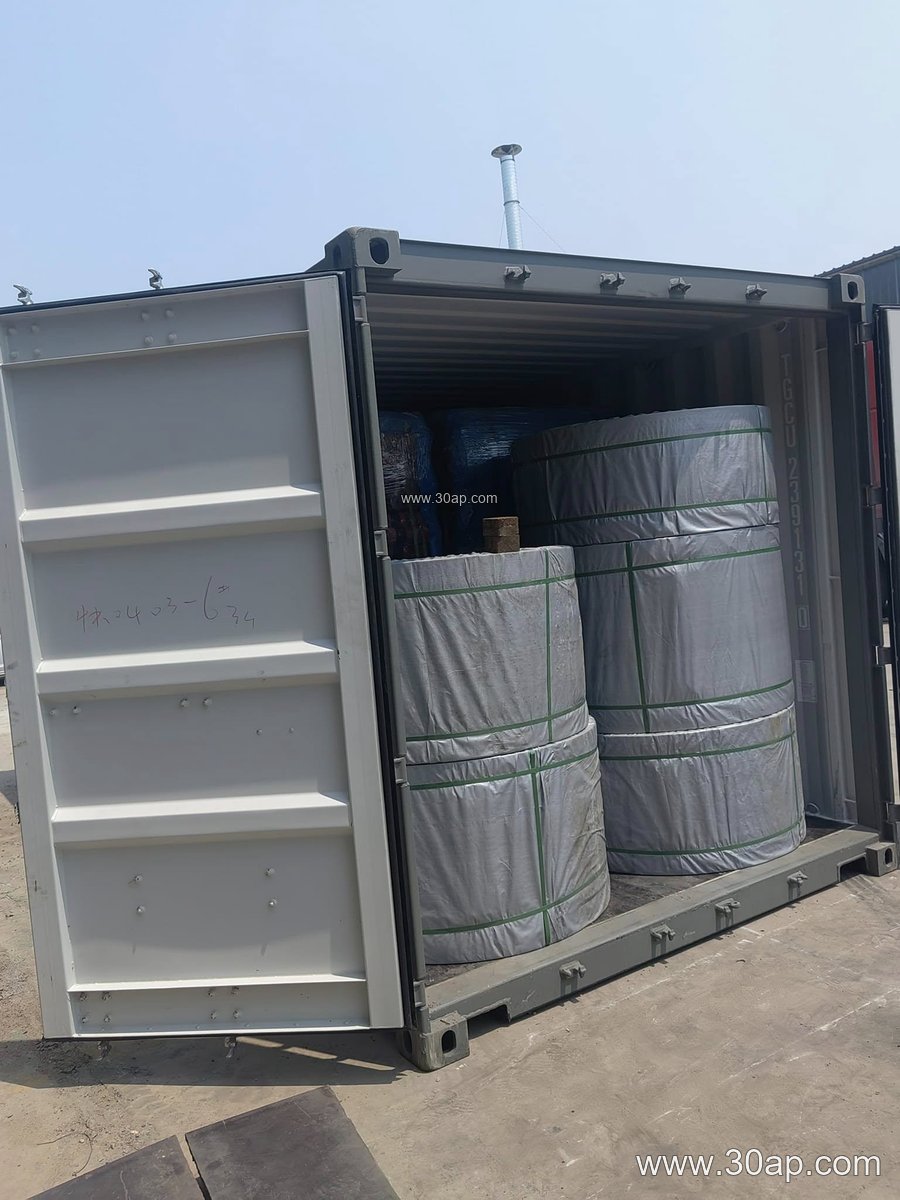
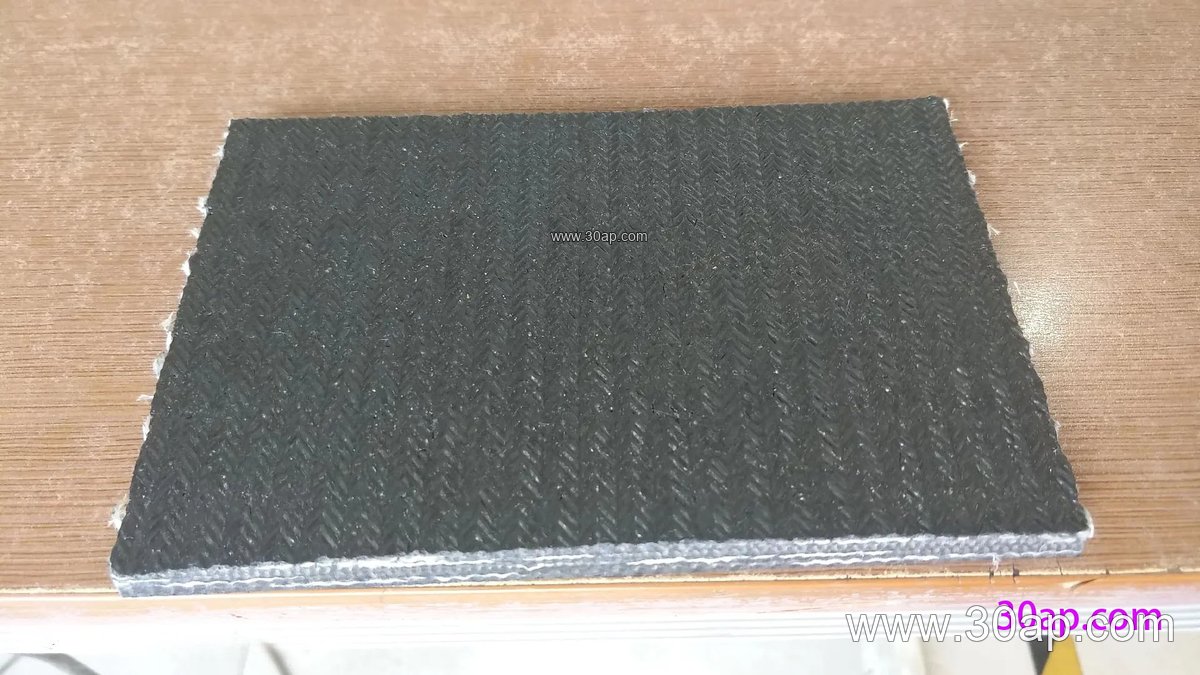
Common Carcass Types and Strength Grades
Fabric-core belts are widely used for moderate to high tension. EP (polyester-nylon) belts offer low stretch and good moisture resistance, available in grades such as EP200, EP400, EP630, EP1000, and EP1600. NN (nylon-nylon) belts provide high flexibility and impact resistance, with grades like NN200, NN300, and NN400. Steel cord belts, such as ST1000, ST1600, ST2000, or ST2500, are chosen for very long conveyors and high tonnage. For underground coal mining, PVG conveyor belts (e.g., PVG800S) combine flame retardancy with high strength. Rubber conveyor belts with fabric core remain a cost-effective choice for many quarry and aggregate applications.
Cover Compounds for Specific Duties
Heavy-duty service often demands more than standard rubber. Abrasion resistant conveyor belts protect against sharp rock and ore, while heat resistant conveyor belts handle cement clinker or sinter. Oil resistant and flame retardant conveyor belts are essential in coal handling and power plants. Cold resistant grades serve freezing climates, and anti-static properties are critical where dust ignition is a risk. Chevron or corrugated sidewall belts may be used on inclines, but they are different subtypes and not replacements for a standard heavy-duty belt.
Where Heavy-Duty Belts Are Used
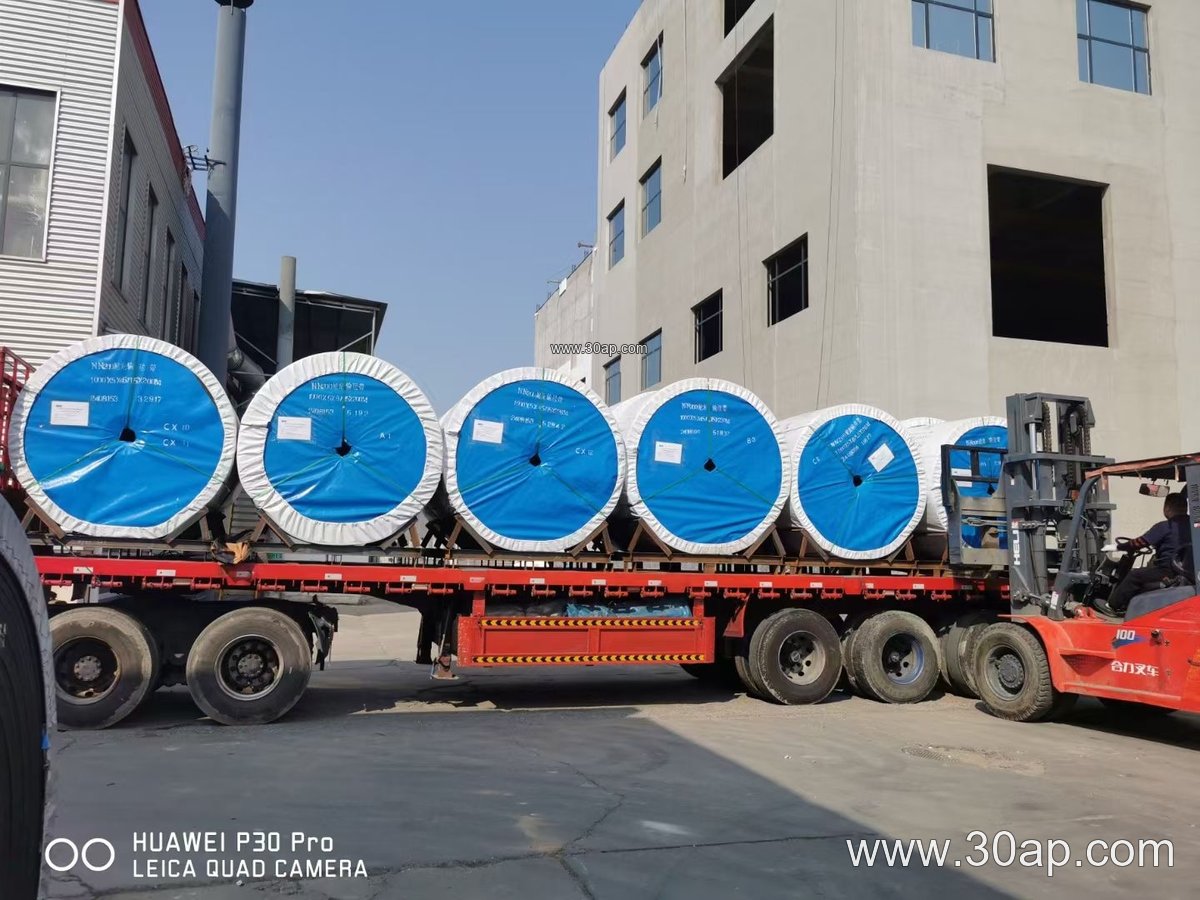
These belts are common in primary and secondary crushing circuits, overland conveyors, stockyard systems, and ship loading facilities. In mining, they transport ore, waste rock, and coal; in cement plants, they carry limestone, clinker, and additives; in power plants, they handle coal and ash. Quarries and sand making plants rely on them for aggregate and stone. The belt must be matched to the material’s lump size, temperature, and abrasiveness, and to the conveyor’s incline and loading conditions.
Buyer’s Checklist for Heavy-Duty Conveyor Belt
- Belt width: Common widths include 650 mm, 800 mm, 1000 mm, 1200 mm, 1400 mm, 1600 mm, and 1800 mm. Wider belts such as 2000 mm or 2200 mm serve high-capacity systems, but no single width is mandatory for every conveyor.
- Strength grade: Select EP or NN grade based on calculated tension; steel cord grades for very high tensions. Do not assume one belt width matches one pulley diameter—pulley sizing depends on belt tension, speed, and design.
- Cover thickness: Choose cover gauge according to impact and abrasion. Heavier covers suit primary crushing; thinner covers may suffice for sized material.
- Environmental properties: Flame retardant, anti-static, heat resistant, or oil resistant covers as required by the site.
- Compatibility: Confirm belt edges, splice type, and troughability with idler roller arrangement and pulley dimensions. Ensure conveyor brackets and frames support the belt’s weight and tension.
Maintenance and Operational Notes
Regular inspection of idler rollers, pulleys, and belt edges helps prevent tracking issues and premature wear. Keep covers clean and avoid overloading beyond design capacity. For high-temperature or oily conditions, verify that the selected cover compound retains its properties over time. Proper storage and handling of the belt before installation also extend service life. A heavy-duty conveyor belt is a long-term investment; matching it correctly to the conveyor system and duty cycle is the key to reliable performance.