What a Cement Conveyor Belt Is
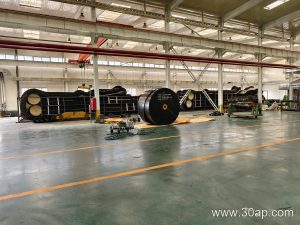
A cement conveyor belt is the load-carrying element of a troughed or enclosed conveyor system that moves clinker, limestone, gypsum, raw meal, cement powder, and other abrasive bulk materials between crushers, silos, kilns, and packing lines. In practice, most cement plant conveyors use a heavy-duty rubber belt with a fabric or steel cord carcass, selected for abrasion resistance, heat tolerance, and stable tracking under continuous load. The same belt family is often called a cement plant conveyor belt when the whole conveying line is being discussed, but the belt itself is the replaceable component that determines service life.
Because cement dust is fine and clinker is sharp and hot, the belt must resist cutting, edge wear, and cover hardening. Buyers typically compare an abrasion resistant conveyor belt with a heat resistant conveyor belt before choosing the cover compound, and may add a flame retardant conveyor belt where fire risk is present in coal or fuel handling areas.
Construction and Carcass Options
The belt usually combines a rubber cover, a reinforcing carcass, and a skim layer that bonds them. Carcass choice drives tensile strength and elongation:
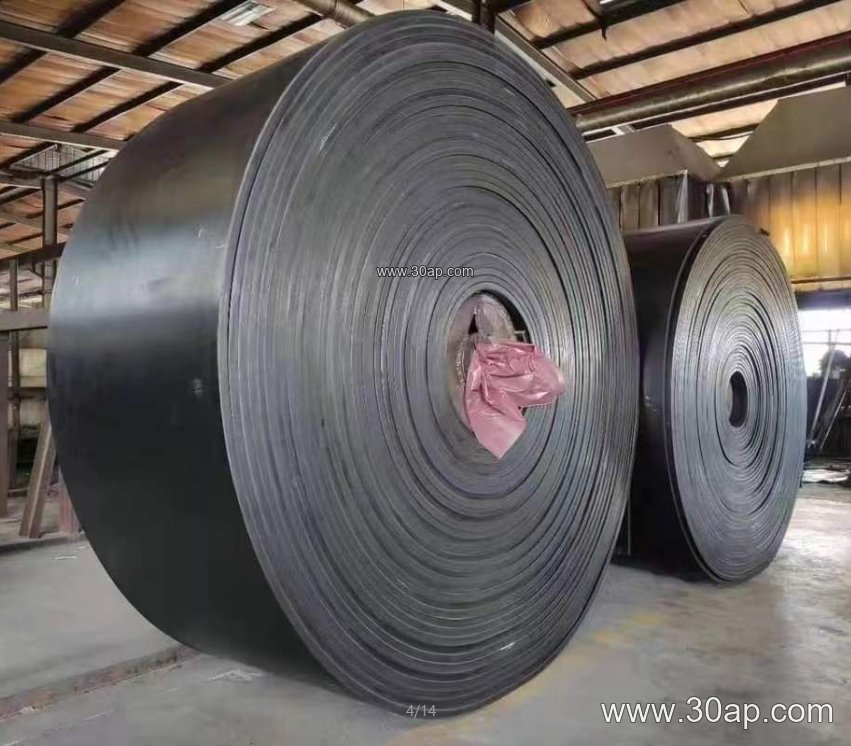
- Fabric core conveyor belt with EP or NN plies for general plant conveying
- Multi-ply fabric core conveyor belt where impact and tear resistance matter
- Steel cord conveyor belt for long, high-tension main lines
- Heat resistant and oil resistant covers for special duty
Typical reference data for cement duty belts are shown below. These are common ranges, not fixed supply promises, and final values are confirmed by design.
| Parameter | Common Reference |
|---|---|
| Belt width | B500, B650, B800, B1000, B1200, B1400, B1600, B1800, B2000 |
| Fabric strength grades | EP200, EP315, EP400, EP500, EP630, EP800, EP1000, EP1250 |
| Steel cord grades | ST1000, ST1250, ST1600, ST2000, ST2500 |
| Cover thickness | 4+2, 5+2, 6+2, 8+3 mm |
| Ply count | 2 to 6 layers |
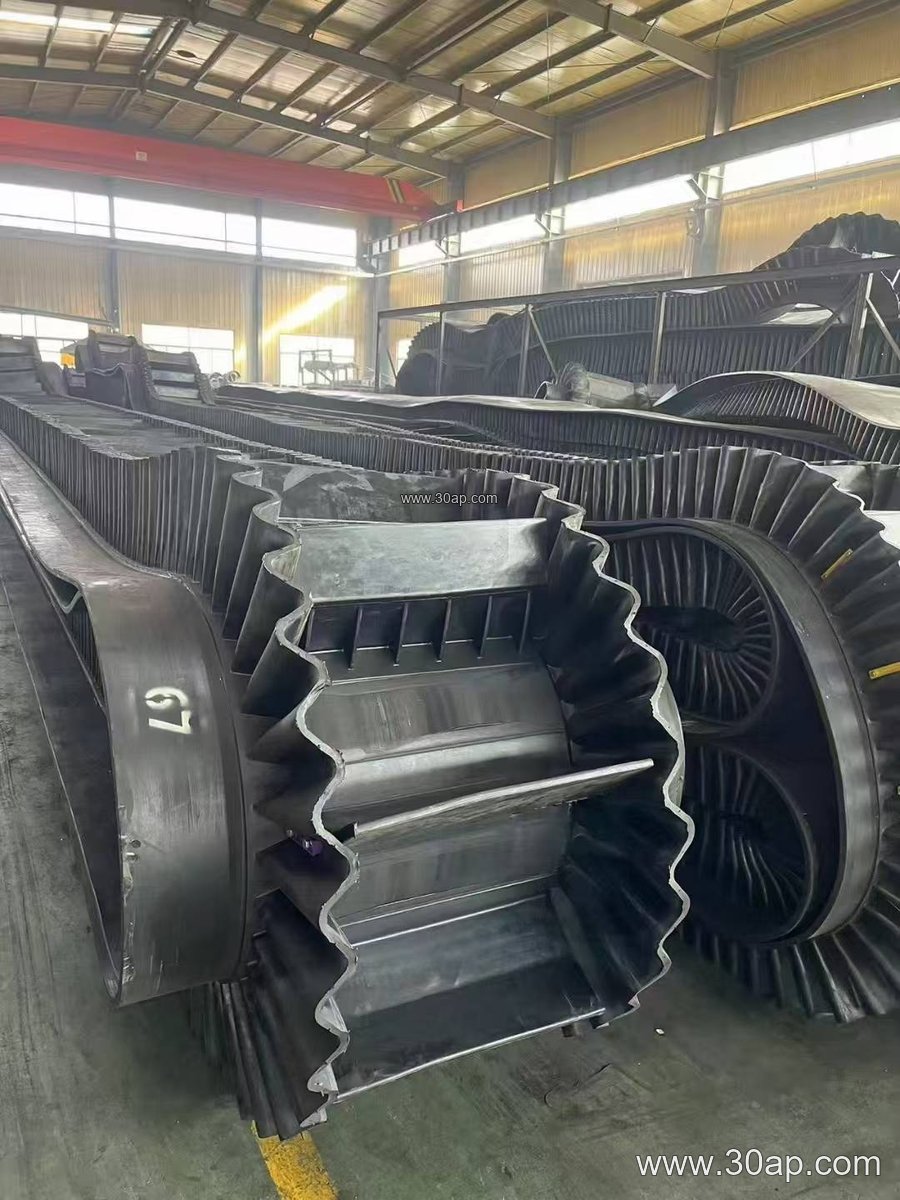
An EP conveyor belt such as EP630 or EP800 is common on medium-duty clinker and limestone lines, while an ST2000 or ST2500 steel cord belt suits long overland or high-lift sections. Chevron conveyor belt and corrugated sidewall conveyor belt designs appear on inclined transfer points where material would otherwise roll back.
Where It Works in the Cement Flow
Cement production moves material through several stages, and each stage loads the belt differently. Crusher discharge belts face sharp, lumpy rock; raw mill feed belts handle fine, dry material; clinker belts see heat and abrasion together; and cement transfer belts need good edge stability and dust containment. In quarry and aggregate sections, a quarry conveyor belt or aggregate conveyor belt often shares the same specification logic as the cement line, especially where the same stockyard feeds both kiln and sales.
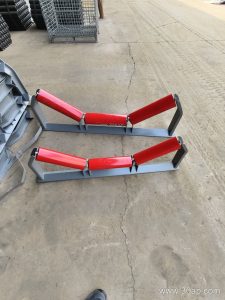
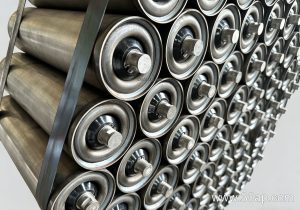
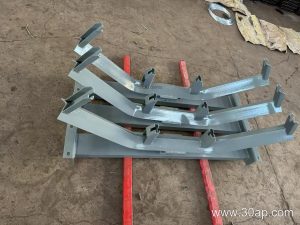
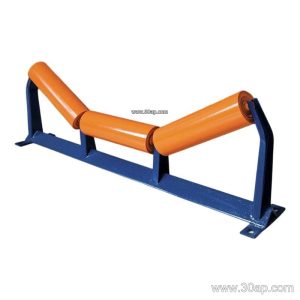
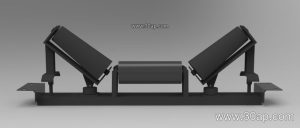
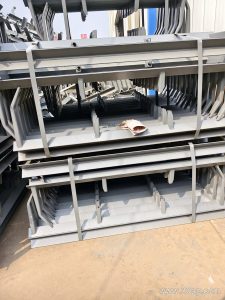
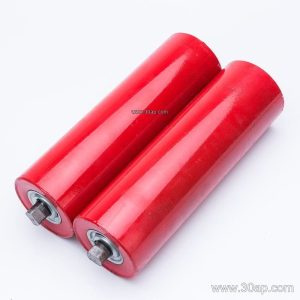
Supporting hardware matters as much as the belt. An idler roller set controls trough shape and belt sag, a conveyor pulley at the drive and tail ends transfers power and maintains tension, and a conveyor bracket holds the frame and rollers in alignment. Drive pulleys, tail pulleys, and bend pulleys serve different functions and are not interchangeable, so belt tension and pulley lagging should be reviewed together.
Selection Points for Buyers
Start with the material: lump size, temperature, moisture, and abrasiveness. Then confirm the duty cycle, incline, and whether the line runs underground or outdoors. A cold resistant conveyor belt is relevant in freezing climates, while an anti-static conveyor belt may be needed where dust ignition is a concern.
- Match tensile grade to the calculated working tension with a safe margin
- Choose cover thickness for impact and wear, not only for load
- Confirm belt width against the existing frame and pulley face
- Check splice method and whether an endless conveyor belt is preferred
- Review belt cleaning and dust control at transfer points
- Plan spare belt, roller, and pulley stock for shutdown windows
For cement plants, power plants, mines, ports, and sand and stone yards, the practical approach is to specify a cement conveyor belt by application rather than by one universal size. A belt width such as B1200 or B1600 can be paired with different pulley diameters depending on tension and shaft design, so the conveyor layout should be confirmed before ordering. Buyers who compare EP fabric core, steel cord, chevron, and sidewall options on the same duty sheet usually get a more reliable and longer-lasting installation.