What a Food Grade Conveyor Belt Is
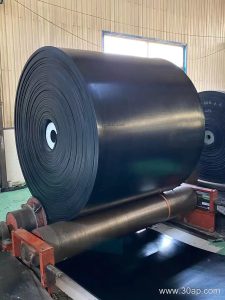
A food grade conveyor belt is a belt designed for direct or indirect contact with food, beverages, and pharmaceutical ingredients. Unlike a standard Rubber Conveyor Belt used in a quarry or cement plant, this belt must be formulated with compounds that resist moisture, cleaning chemicals, and microbial growth. The belt surface is typically smooth and non-porous, and the carcass is selected to avoid wicking or delamination when washed. Buyers often refer to it simply as a food conveyor belt, but the accurate equivalent name is a hygienic food-grade conveyor belt.
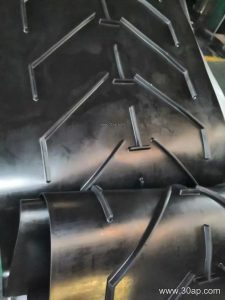
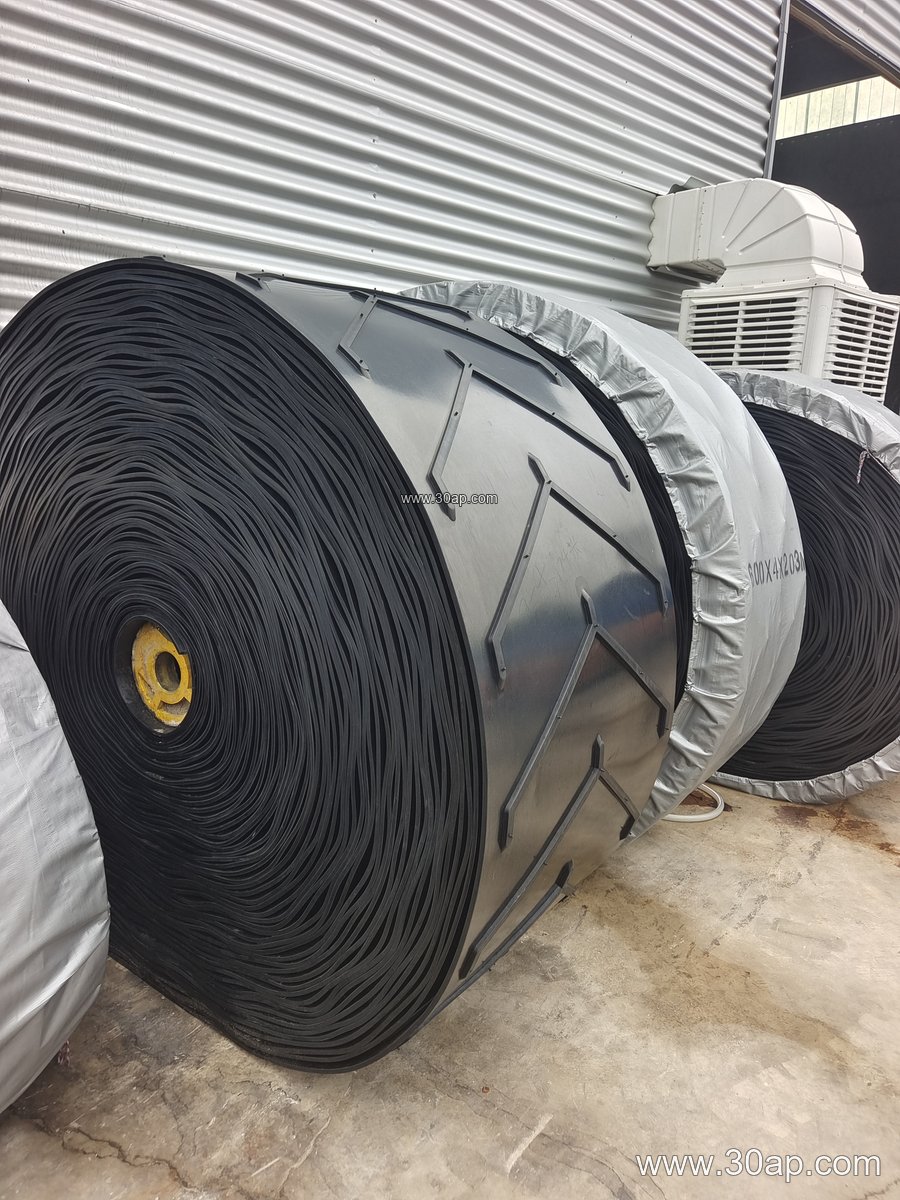
It is important to distinguish this product from other belt subtypes. A Chevron Conveyor Belt is used for inclined bulk haulage, while a Skirted Conveyor Belt or Corrugated Sidewall Conveyor Belt handles loose material at steep angles. Those are not interchangeable with a food grade belt. The food grade version focuses on cleanability and material safety rather than impact resistance or heavy mining duty.
Construction and Material Choices
The belt usually combines a fabric core with a food-compliant cover. Common carcass options include EP Conveyor Belt fabric and NN Conveyor Belt fabric, both of which offer good flexibility for small pulley diameters. For higher tension applications, a Steel Cord Conveyor Belt may be overkill and is rarely used in food processing. A Multi-Ply Fabric Core Conveyor Belt is more typical, with two to four plies providing balanced strength and troughability.
The cover compound is where food safety begins. Manufacturers offer white, blue, and green covers that resist staining and allow visual inspection. Surface forms may include smooth, matte, or lightly textured finishes. A PVC Conveyor Belt or PVG Conveyor Belt is sometimes chosen for wet or oily food environments, while a Rubber Conveyor Belt with a food-grade compound suits dry bakery or grain handling. The belt edge can be sealed to prevent moisture ingress, and an Endless Conveyor Belt is often specified to avoid a mechanical splice that could trap food particles.
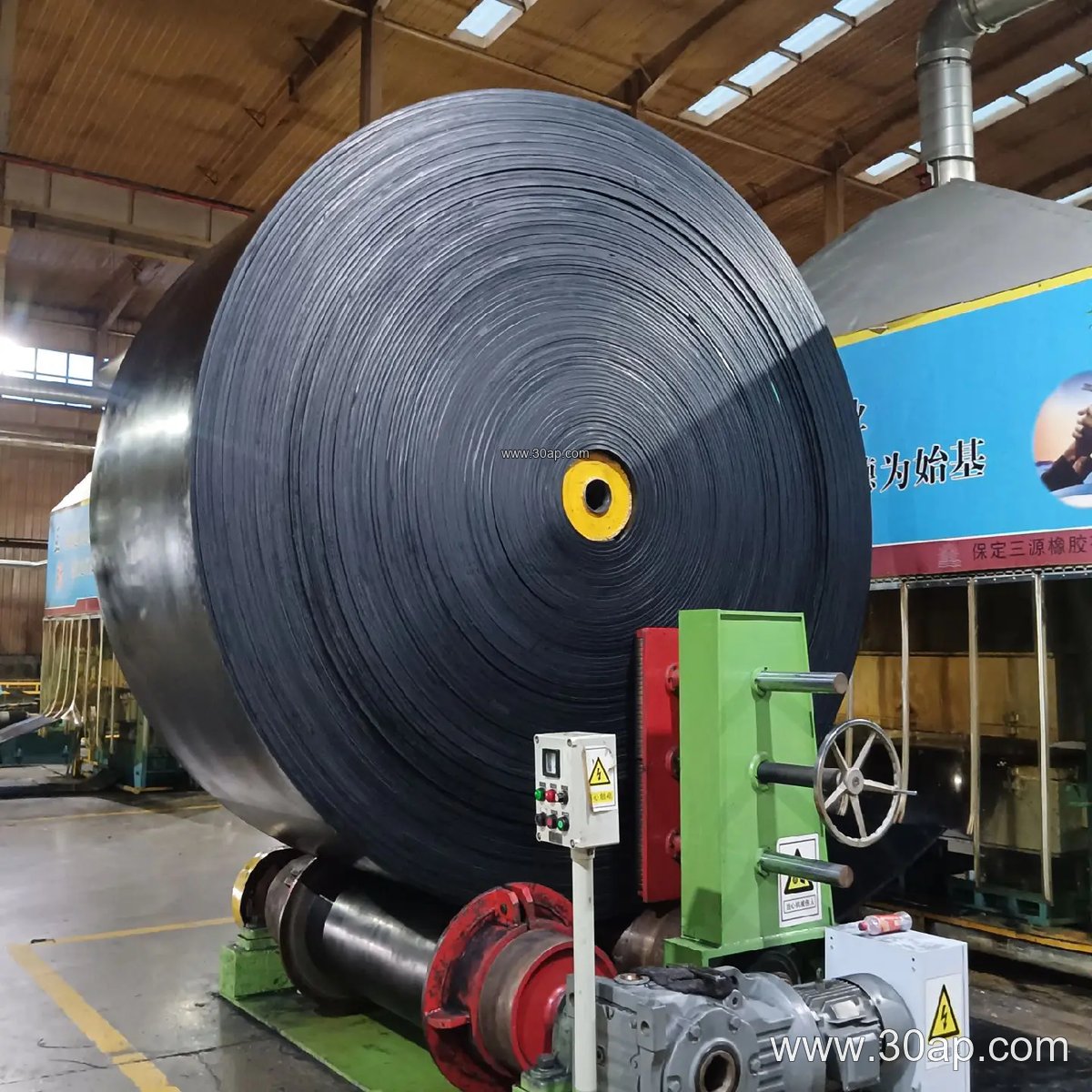
Table 1 lists common reference parameters for food grade belts. These are typical ranges, not universal specifications; final dimensions depend on the conveyor design.
| Parameter | Common Reference |
|---|---|
| Belt width | B500, B650, B800, B1000, B1200, B1400 |
| Cover thickness | 3+1.5 mm, 4+2 mm, 5+2 mm |
| Carcass plies | 2 to 4 plies (Multi-Ply Fabric Core) |
| Strength class | EP200, EP315, EP400, EP500 |
| Surface finish | Smooth or fine matte |
Where It Is Used
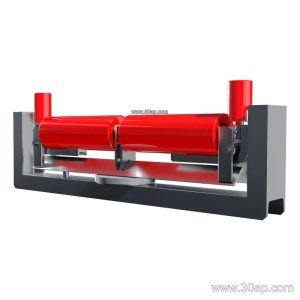
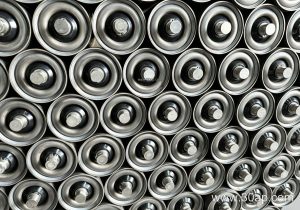
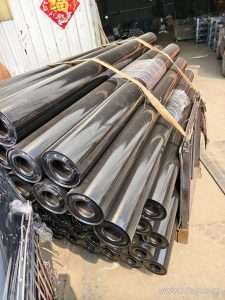
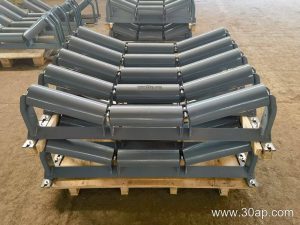
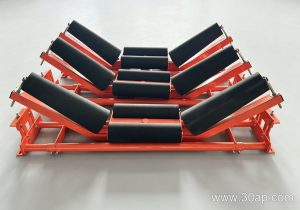
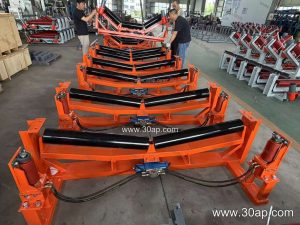
Food grade belts appear in bakeries, dairy plants, fruit and vegetable lines, meat processing, confectionery, and packaging halls. They also serve in pharmaceutical blending and in facilities that handle edible powders. The belt runs over conveyor pulleys and idler rollers that must be easy to clean; frame components such as the conveyor bracket should be designed without crevices. In a food plant, a conveyor pulley is often stainless steel or coated, and the idler roller is sealed against washdown water. These components are not interchangeable with drive pulleys or tail pulleys, but they work together to keep the belt tracking and tensioned.
Outside the food sector, similar belt constructions appear in recycling and light aggregate handling, but those belts do not carry food-grade approval. A quarry conveyor belt or crusher conveyor belt uses a different rubber compound and is not a substitute for a hygienic belt. The same logic applies to a Flame Retardant Conveyor Belt used in a coal mine: it meets fire safety needs but not food contact requirements. Buyers should never swap a food grade belt for a Mining Conveyor Belt or an Abrasion Resistant Conveyor Belt simply because the dimensions match.
Selection and Maintenance Notes
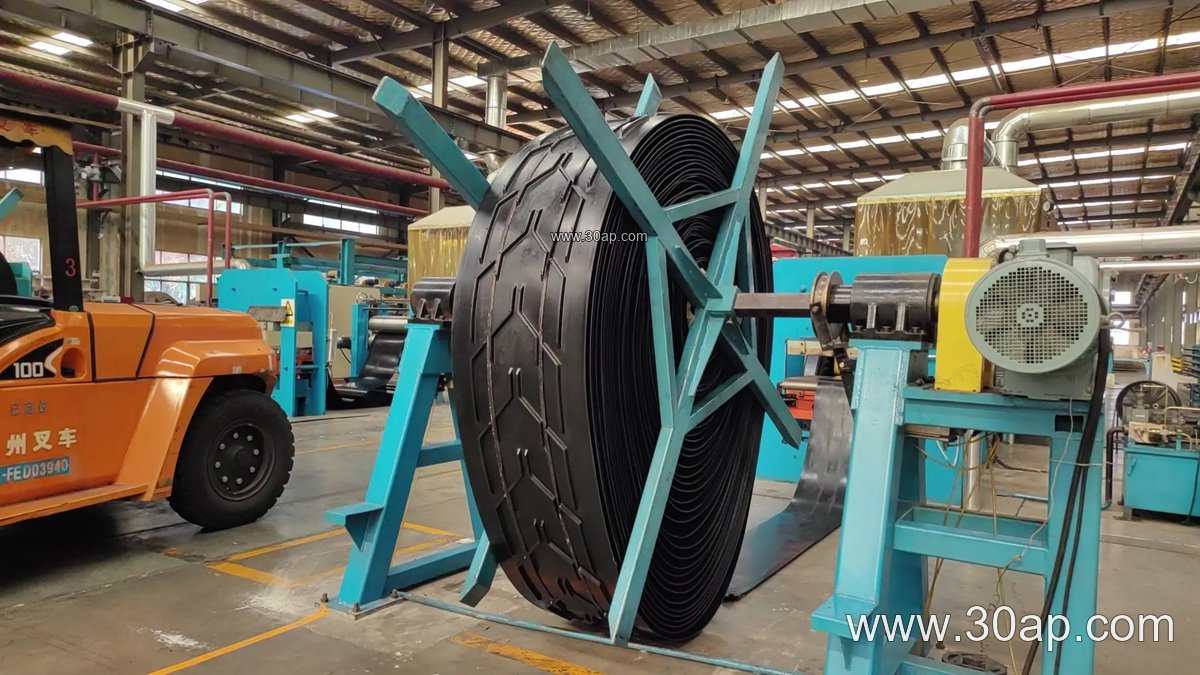
Start with the product being conveyed. Dry flour, wet vegetables, and oily fried snacks place different demands on the cover. A PVC Conveyor Belt may resist oils better than a plain rubber cover, while a Polyurethane belt is common for cut-resistant applications. Check the minimum pulley diameter recommended for the carcass; a thick Multi-Ply Fabric Core Conveyor Belt needs larger pulleys than a thin two-ply belt. Do not assume that a 600mm Conveyor Belt automatically matches a specific pulley size, and do not derive shaft diameter from belt width alone.
Cleaning is the main maintenance task. Remove debris from the belt surface and from the conveyor pulley and idler roller regularly. Inspect the belt edge for cracks and the splice for lifting. An Endless Conveyor Belt reduces splice failures but still needs tension checks. Keep a spare food grade belt on hand if production cannot stop, and verify that cleaning agents are compatible with the cover compound. For broader plant needs, items such as a Rubber Conveyor Belt for non-food zones or a Heat Resistant Conveyor Belt for dryers should be specified separately from the food grade line.
Finally, confirm documentation from the belt manufacturer regarding the compound and any migration testing. Requirements vary by country and by food type, so the buyer should match the belt to the local regulatory framework rather than relying on a generic label. Visit food grade conveyor belt for related guidance on belt selection, and compare conveyor pulley and idler roller options before finalizing the conveyor layout.