What the NN400 Conveyor Belt Is
The NN400 Conveyor Belt is a multi-ply fabric core belt built on nylon (NN) warp and weft cords. In the naming system used across the conveyor industry, the number after NN refers to the nominal tensile strength of the carcass, so NN400 sits in the middle-to-heavy range of nylon fabric belts. It is one of the standard grades of NN Conveyor Belt, positioned above NN100, NN200 and NN300, and below higher-strength constructions. For buyers comparing options, an EP Conveyor Belt is a different carcass family (polyester warp, nylon weft), while a Steel Cord Conveyor Belt uses steel cables instead of fabric plies; the NN400 remains a fabric-core product throughout.
The belt is frequently described simply as a Fabric Core Conveyor Belt, and its nylon plies give it good flexibility, impact absorption and resistance to fatigue flexing around pulleys. That combination is why it appears in bulk handling circuits where the belt must run continuously and absorb shock at loading points.
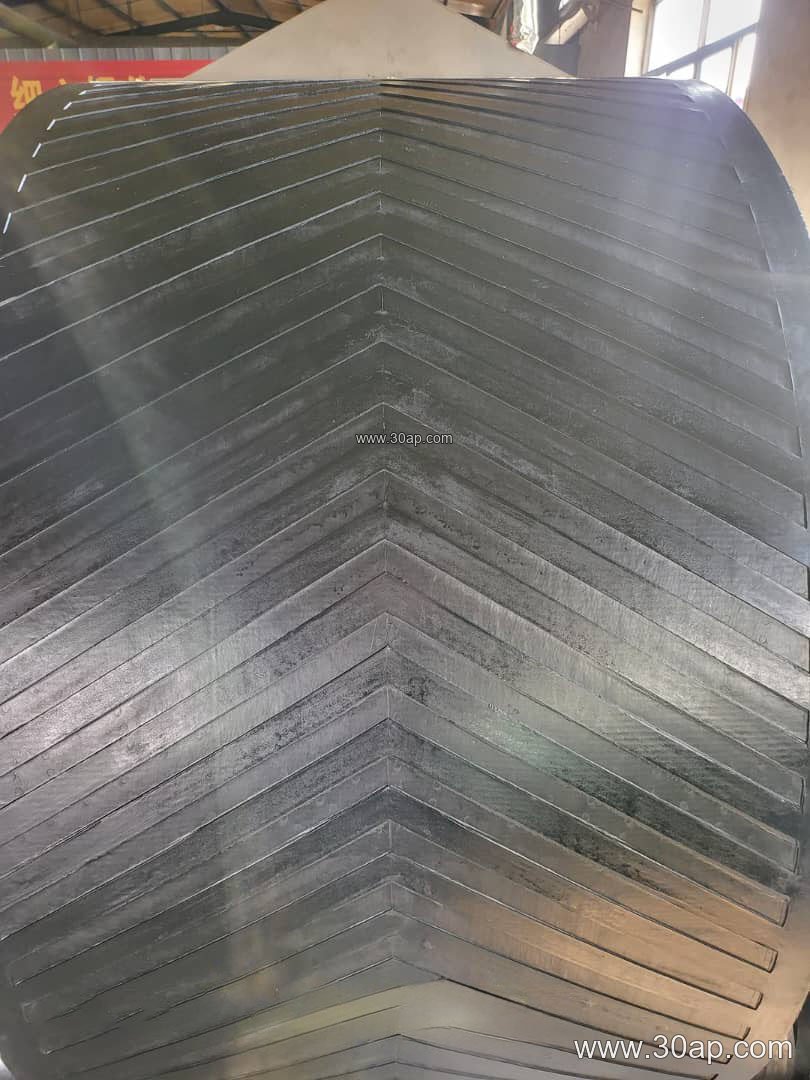
Construction and Standard Build
A typical NN400 belt uses several nylon fabric plies bonded with rubber skim, covered on both faces with abrasion-resistant rubber. Ply count is usually 2 to 6 layers depending on the strength and duty required, and the carcass is protected by edge gum and, where specified, breaker fabric. Cover thickness is selected by the application rather than fixed by the strength grade.
| Parameter | Common Range |
|---|---|
| Carcass type | NN nylon fabric, multi-ply |
| Nominal strength | NN400 grade (per the manufacturer data sheet) |
| Ply count | 2 to 6 plies, by design |
| Belt width | B500, B650, B800, B1000, B1200, B1400, B1600 and wider on request |
| Cover thickness | 3+1.5, 4+2, 5+2, 6+2, 8+3 mm |
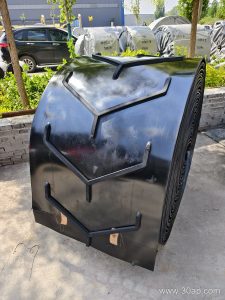
| Surface options | plain, chevron, corrugated sidewall, skirted |
These figures are typical reference values, not universal specifications. Actual ply count, cover gauge and width should always be confirmed against the design duty and the manufacturer’s data sheet.
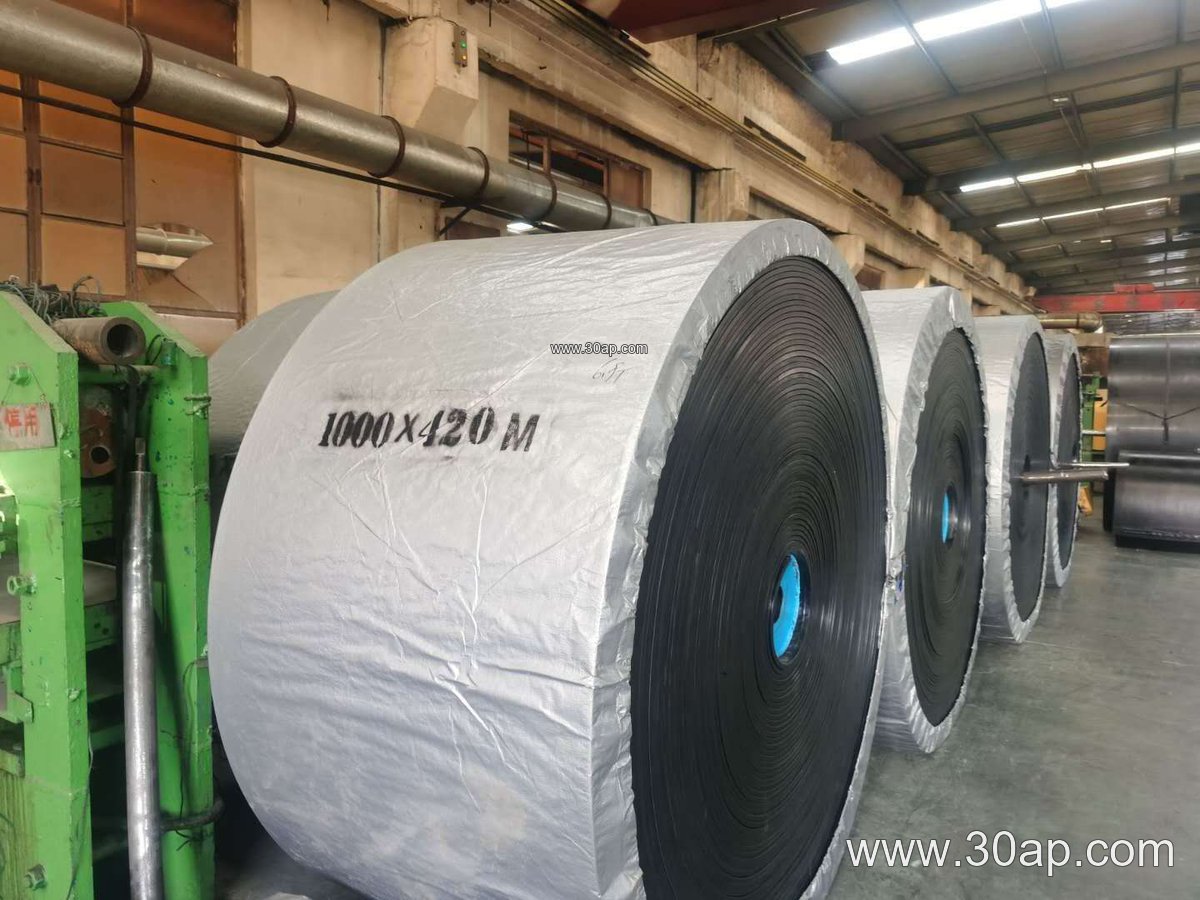
Where It Fits in the Plant
NN400 Conveyor Belt is often chosen for main haulage and transfer belts in mines, quarries and aggregate plants, where lump size and impact are moderate but the belt runs many hours per day. In a coal mining conveyor line, a flame retardant and anti-static version is usually specified for underground service, while surface coal handling may use a standard abrasion resistant build. Cement plants use it on clinker and raw meal transfer belts, and power plants apply it to limestone and ash handling. Sand and gravel operations, crushing circuits and port loading conveyors also use this grade where a steel cord belt would be unnecessarily stiff or expensive.
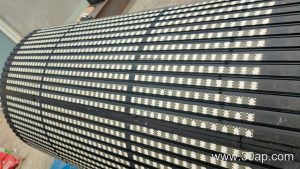
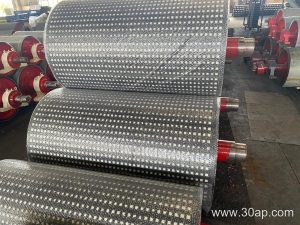
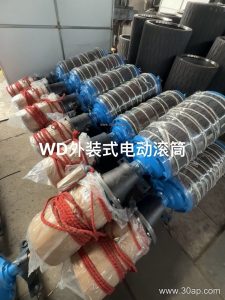
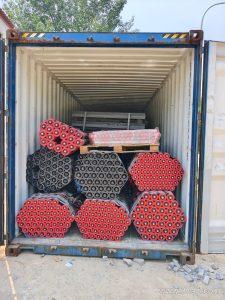
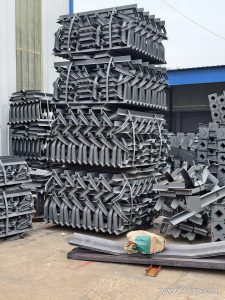
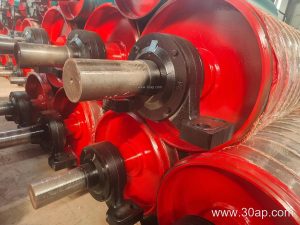
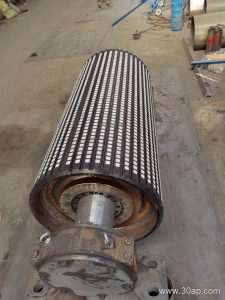
Because the carcass flexes easily, NN400 works well on conveyors with relatively small pulley diameters and on routes with multiple bends. It is commonly matched with a conveyor pulley at the drive and tail positions, idler roller sets along the carrying and return runs, and conveyor brackets supporting the frame. The belt suits troughed idlers and can be supplied as an Endless Conveyor Belt where a spliced-on-site joint is not preferred.
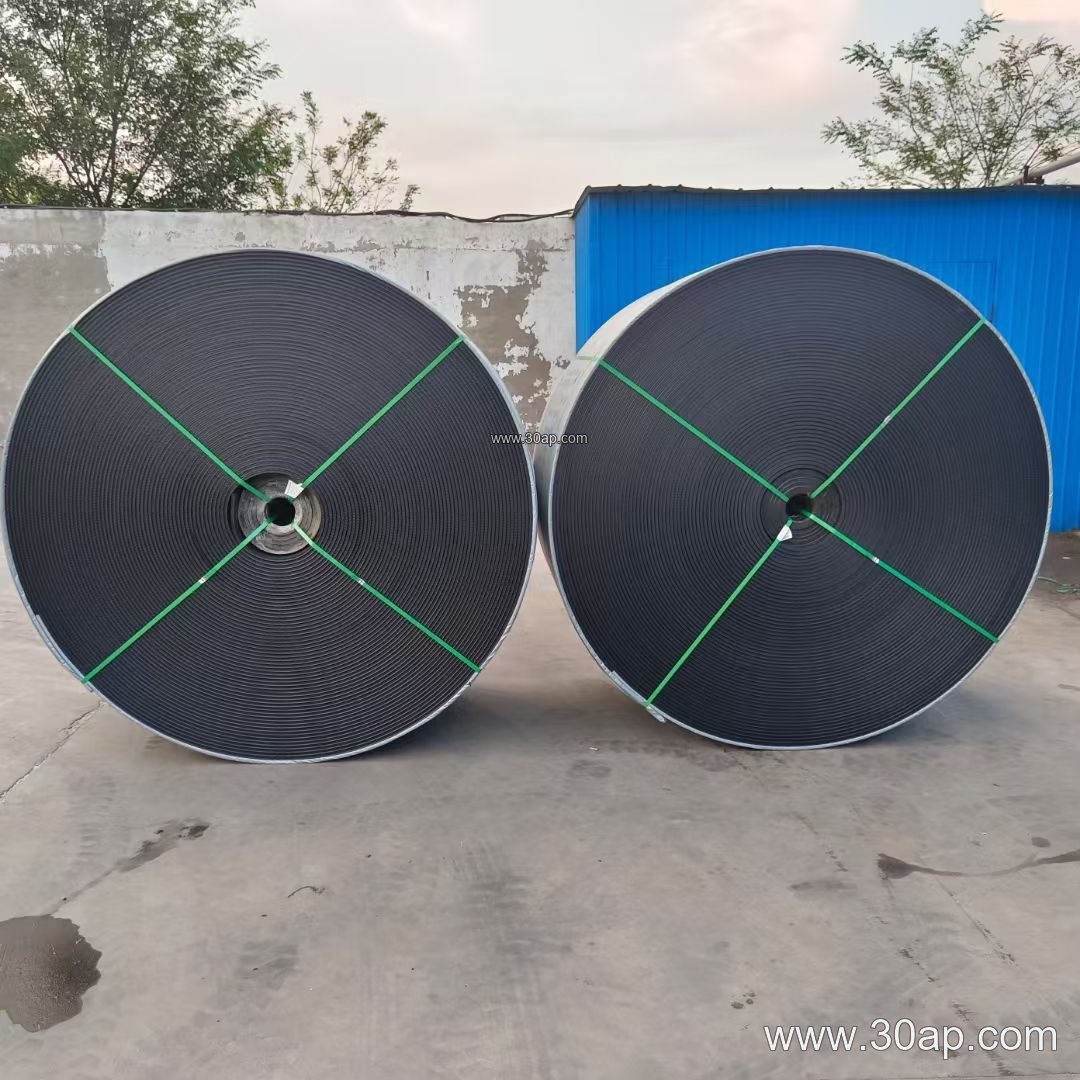
Selecting the Right Variant
The NN400 grade defines the carcass strength, but the cover compound defines service life. For abrasive rock and ore, an Abrasion Resistant Conveyor Belt build with a thicker top cover is usual; for hot clinker or sinter, a Heat Resistant Conveyor Belt compound is needed; for oily scrap or recycled material, an Oil Resistant Conveyor Belt cover helps. Cold climates call for a Cold Resistant Conveyor Belt, and underground coal work generally requires Flame Retardant Conveyor Belt and Anti-Static Conveyor Belt properties. Where material must be contained on steep inclines, a Chevron Conveyor Belt or a Corrugated Sidewall Conveyor Belt profile may be more suitable than a plain surface, and enclosed routes may use a Pipe Conveyor Belt instead.
Buyers should confirm belt width against the conveyor’s actual trough and pulley face, check the minimum pulley diameter recommended for the ply count, and verify the splice method. A wider belt does not automatically require a larger pulley, and shaft diameter depends on the pulley design and load, not on belt width alone.
Installation and Maintenance Notes
- Align idler roller frames and check that the conveyor pulley faces are square to the belt centerline before tensioning.
- Keep loading chutes centered so impact is distributed across the belt width.
- Inspect edges and splices regularly; nylon carcass belts can wick moisture at damaged edges.
- Store spare rolls indoors, away from heat and ozone sources, and rotate stock.
- Match cover grade to the actual material and temperature rather than defaulting to one compound.
For any project, the NN400 Conveyor Belt should be specified together with its cover grade, ply count, width and joint type, and the surrounding conveyor pulley, idler roller and conveyor bracket arrangement reviewed as one system. That approach keeps a fabric core belt running at its expected service life in mining, cement, power and aggregate duty.