What a Conveyor Idler Shaft Does on the Line
Every troughing or return station on a belt conveyor depends on a simple but highly stressed part: the conveyor idler shaft. This is the stationary axle that runs through the roller shell and carries the bearing assemblies at each end. While the shell rotates with the moving belt, the shaft stays fixed, held by the conveyor bracket or frame. If that axle bends, wears at the journal, or loses its grip on the bearing, the whole idler station starts to drag, misalign, or seize.
On a quarry conveyor or a cement plant transfer point, a failed shaft rarely announces itself politely. It shows up as a hot bearing housing, a wobbling roller, belt edge damage, or spillage from a sagging belt line. Understanding how the part is made and specified helps maintenance teams replace it correctly instead of matching by eye.
Construction and Materials
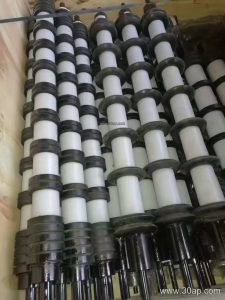
Most conveyor idler shafts are produced from round carbon steel bar, often in grades such as Q235 or C45 depending on load expectations. The bar is cut to length, then the ends are machined to form journals that seat the bearings. Common bearing numbers found on these axles include 6204, 6205, 6305, 6306, 6308 and 6310, and the journal diameter must match the bearing bore precisely. A shoulder or circlip groove usually locates the bearing axially.
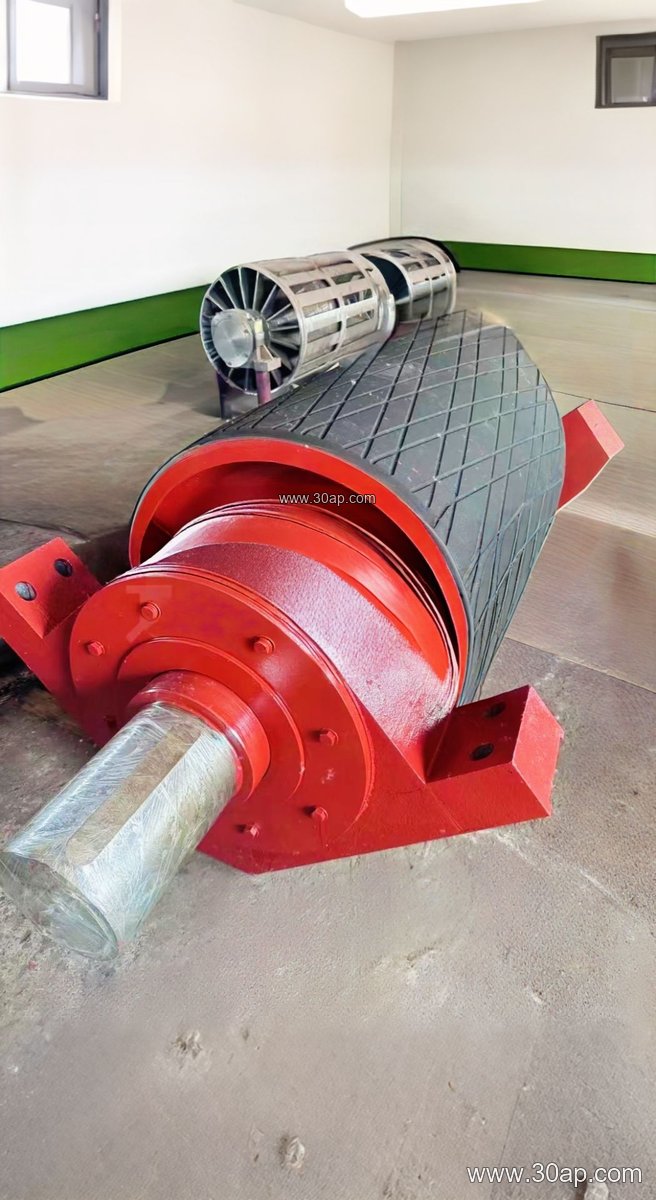
Many designs use a through shaft with flattened ends that drop into the bracket slots, preventing rotation. Others use a threaded end with nuts, or a cross-drilled pin hole. Surface treatment matters in wet or corrosive service; galvanizing, zinc plating, or a protective coating is common in wash plants and port terminals handling damp bulk material.
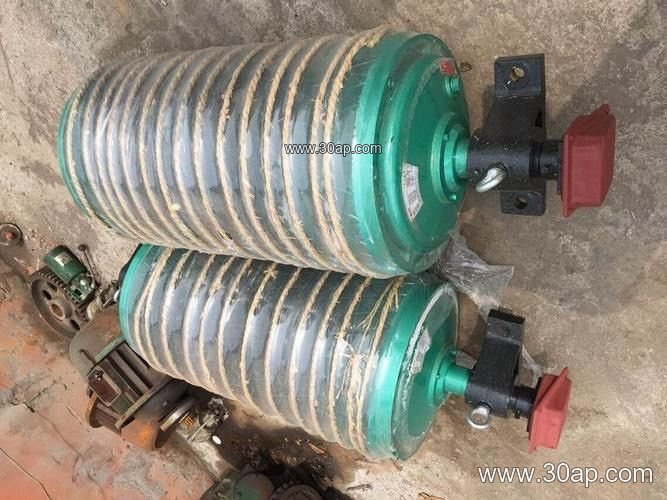
- Straightness tolerance is critical, since even slight bowing accelerates bearing wear.
- Journal finish affects seal life, especially where dust is fine and abrasive.
- Keyway or flat sections must be cut cleanly to avoid stress risers.
Where These Shafts Are Used
The part appears across nearly every bulk handling sector. In an iron ore or copper ore operation, heavy troughing idlers on wide belts rely on robust axles to survive impact from large lumps. A coal mining conveyor, particularly underground, needs flame retardant conveyor belt combined with well-sealed idlers to limit fire risk and dust ingress. In a power plant coal yard, the same shaft design supports both carrying and return rolls along long inclined runs.
Aggregate lines feeding a crusher often use impact idlers at the load point, and those stations place extra bending load on the axle. Sand and gravel plants, fertilizer granulation lines, and grain terminals each bring their own challenges, from abrasion to moisture. The shaft itself does not change shape dramatically, but its diameter, length, and bearing selection are tuned to the duty.
Matching Shaft, Roller and Belt Width
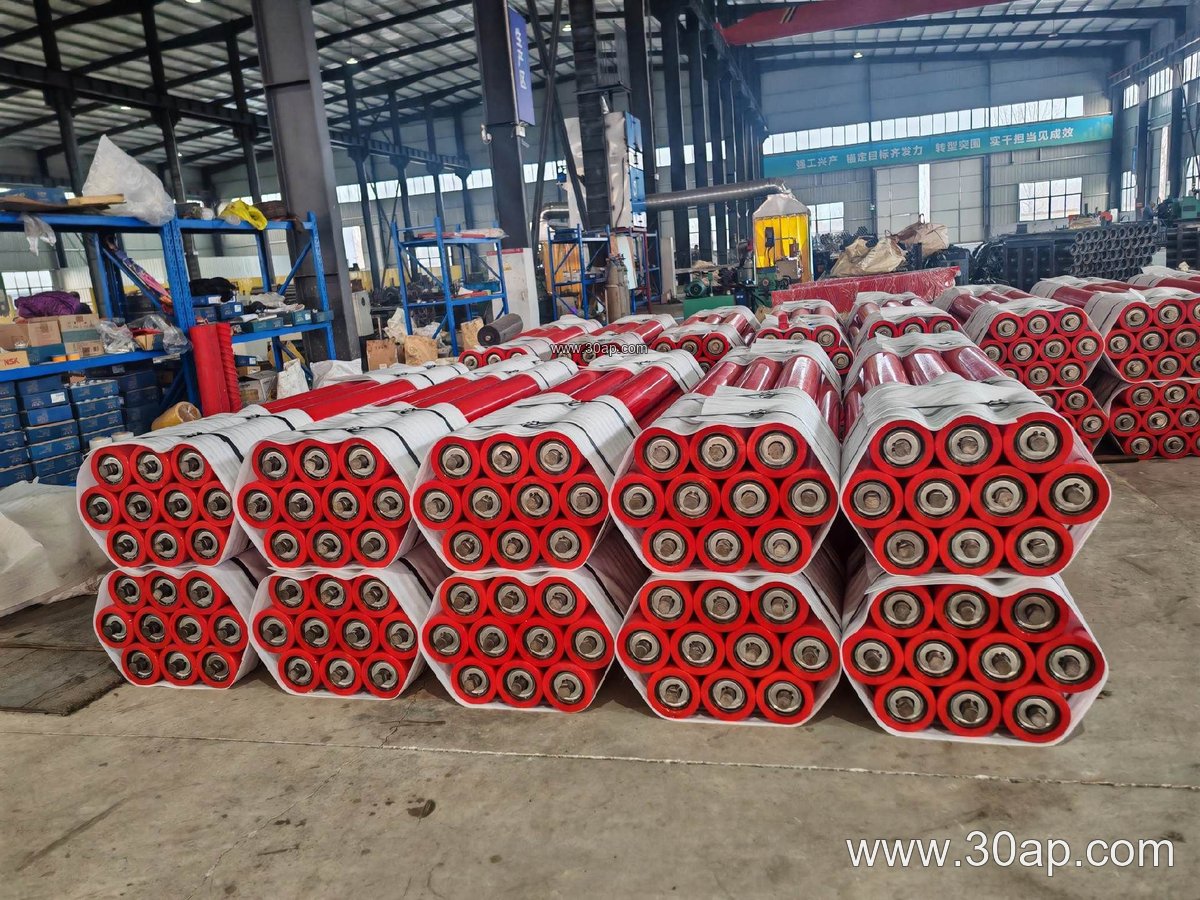
Buyers should avoid treating any single dimension as a universal rule. Roller length changes with belt width, trough angle, and whether the station is a single-roll, two-roll, or three-roll troughing set. The table below gives common reference examples for the middle roll of a three-roll troughing station; side rolls and return rolls can differ.
| Belt Width | Typical Middle Roll Length | Common Shaft Diameter Range |
|---|---|---|
| B500 | about 200 mm | Ø20 to Ø30 mm |
| B650 | about 250 mm | Ø20 to Ø30 mm |
| B800 | about 315 mm | Ø25 to Ø35 mm |
| B1000 | about 380 mm | Ø25 to Ø40 mm |
| B1200 | about 465 mm | Ø30 to Ø45 mm |
| B1400 | about 530 mm | Ø30 to Ø45 mm |
| B1600 | about 600 mm | Ø35 to Ø50 mm |
| B1800 | about 670 mm | Ø35 to Ø50 mm |
These figures are reference data, not fixed pairings. A wide, heavily loaded conveyor may use a larger axle than a light-duty line of the same belt width. Roller diameters such as Ø89, Ø108, Ø127, Ø133, Ø159 and Ø178 also influence shaft size, because a bigger shell usually carries a larger bearing and a thicker journal.
Buyer Checklist
When ordering replacement conveyor idler shafts, confirm the roller diameter, shell length, bearing number, journal diameter, and end configuration. Ask whether the idler uses a through shaft or a stub axle, since these are not interchangeable. Specify the environment: a wash plant may need plated journals, while a sinter plant may need heat-tolerant grease and closer bearing clearance.
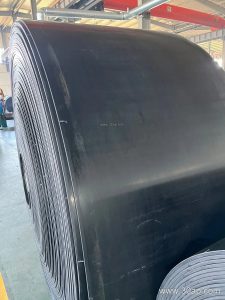
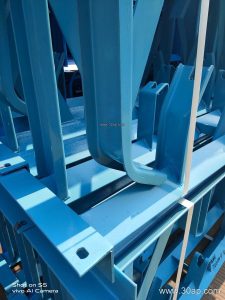
Also consider the belt construction on the same line. A steel cord conveyor belt or a multi-ply fabric core belt transmits different tension and tracking behavior, and misalignment loads eventually reach the idler axle. Pairing quality shafts with correctly specified conveyor pulleys and sturdy conveyor brackets keeps the whole station aligned. For operators in mining, cement, and port industries, small details like seal type and shaft straightness often decide whether an idler lasts months or years.