What an Aggregate Production Line Idler Does
In a crushing and screening plant, the belt conveyor is the backbone that moves material between stages. The aggregate production line idler is the rotating component that supports the conveyor belt and the load it carries. Without a reliable set of idlers, even a well-designed conveyor will suffer from belt misalignment, spillage, and premature wear. This article focuses on the idler roller used in aggregate handling—what it is, how it is built, where it fits, and what to consider when specifying or replacing units.
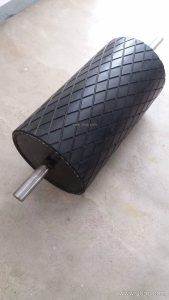
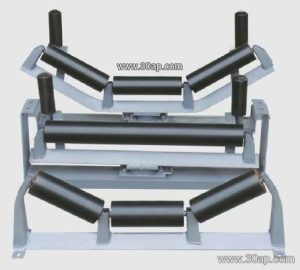
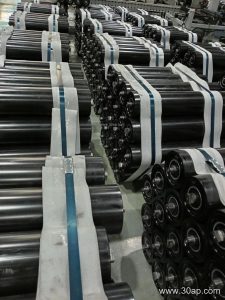
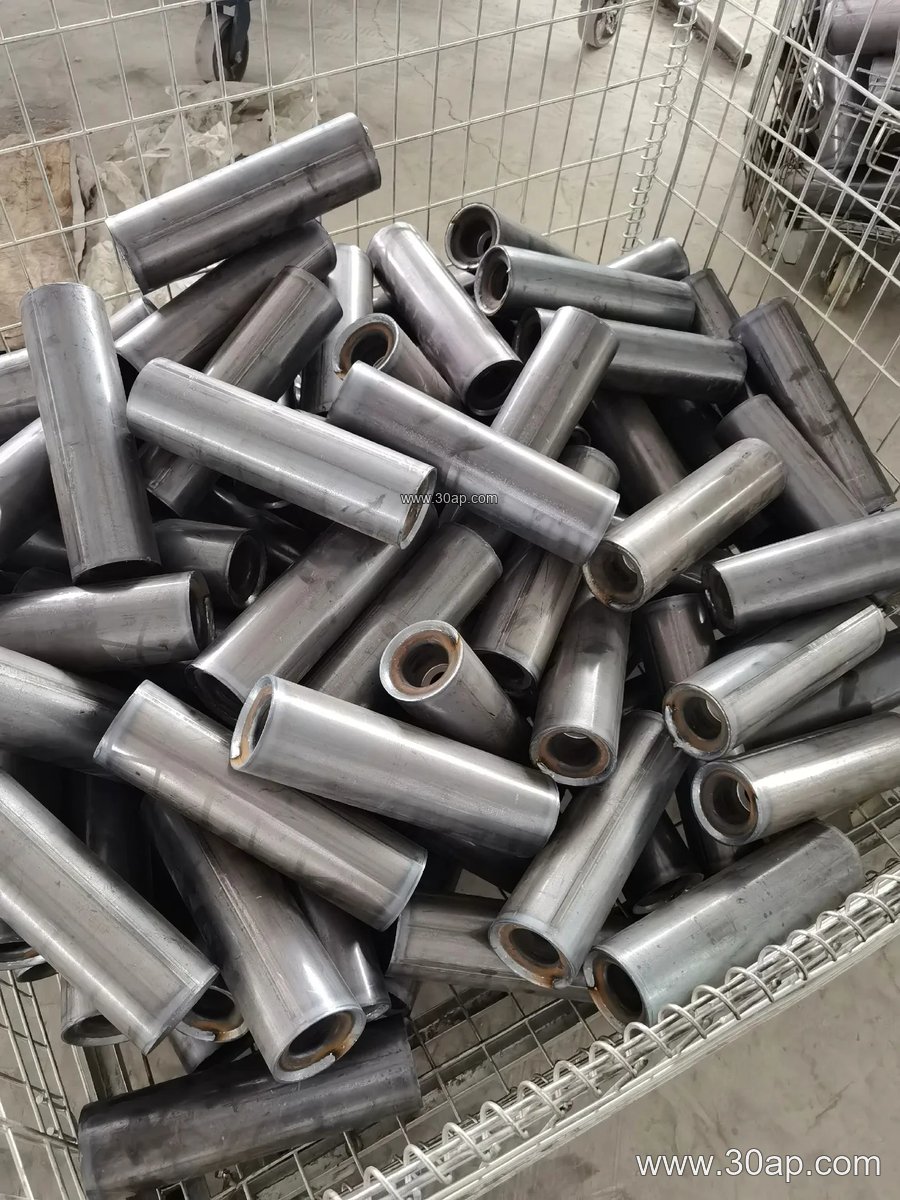
An idler roller consists of a steel tube shell, bearing housings, seals, and a shaft. The shell is often made from welded steel pipe, and for abrasive aggregate duties, the surface may be fitted with rubber rings or ceramic tiles to reduce wear. Bearings are typically deep-groove ball bearings, with common sizes such as 6204, 6205, 6305, 6306, 6308, and 6310 selected according to load and speed. The seal arrangement is critical: in dusty quarry and sand and gravel plants, fine particles can penetrate poorly sealed bearings and cause seizure. Good labyrinth or contact seals extend service life.
Common Idler Types in Aggregate Handling
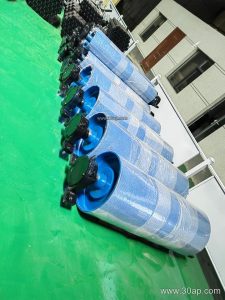
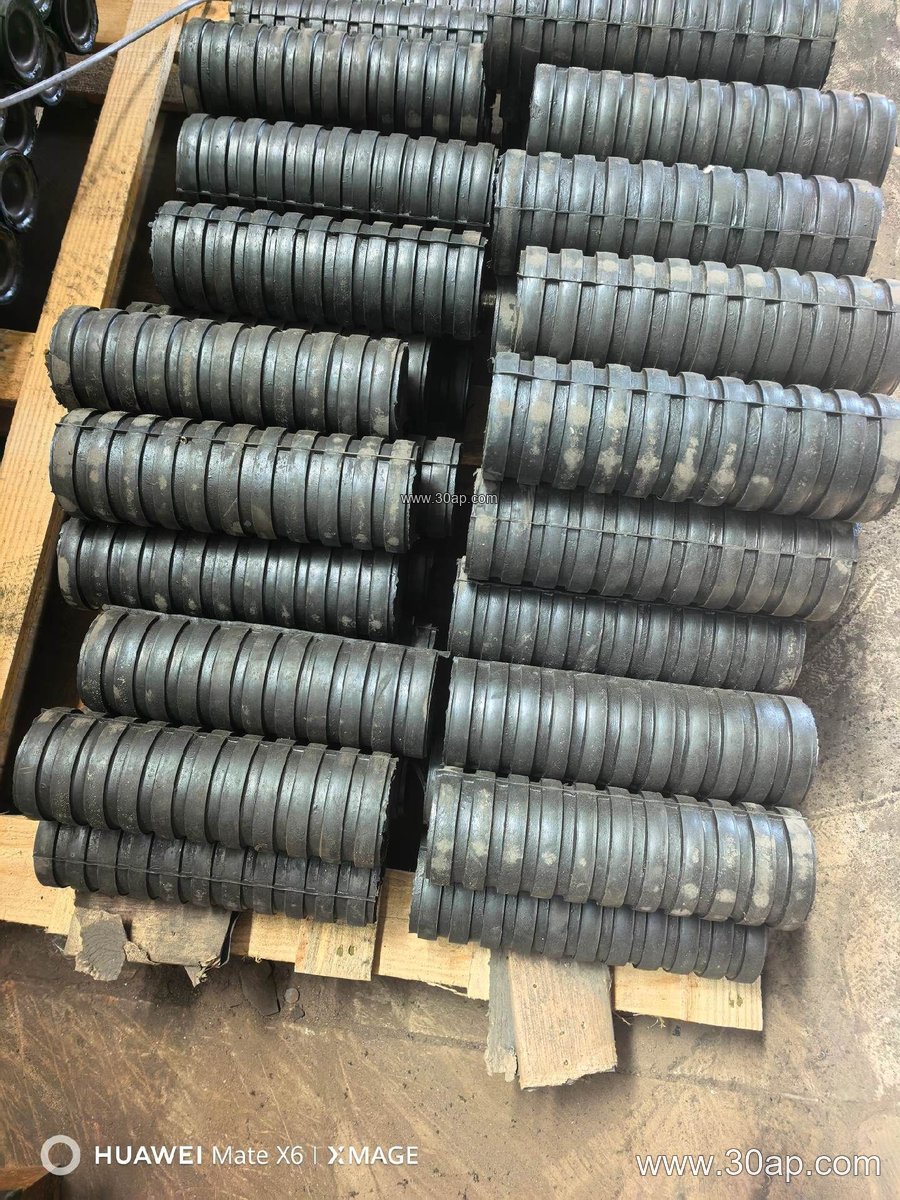
The carrying side of the belt usually uses three-roll troughing idlers set at a trough angle of 20, 30, 35, or 45 degrees. The return side uses flat or V-return idlers to support the empty belt. At transfer points where material drops onto the belt, impact idlers with rubber rings absorb shock and protect the belt. Self-aligning idlers help correct belt tracking on long conveyors. The table below lists typical reference dimensions for troughing idlers; actual roll length depends on belt width, trough angle, and idler arrangement.
| Belt Width | Typical Roll Length (three-roll troughing) | Common Roll Diameter Range |
|---|---|---|
| B500 | 200 mm | Ø63–Ø89 mm |
| B650 | 250 mm | Ø76–Ø102 mm |
| B800 | 315 mm | Ø89–Ø108 mm |
| B1000 | 380 mm | Ø102–Ø127 mm |
| B1200 | 465 mm | Ø108–Ø133 mm |
| B1400 | 530 mm | Ø127–Ø159 mm |
| B1600 | 600 mm | Ø133–Ø178 mm |
| B1800 | 670 mm | Ø159–Ø194 mm |
| B2000 | 750 mm | Ø178–Ø219 mm |
These values are common examples, not fixed pairings. Side rolls and center rolls can differ, and the final selection should follow the conveyor design. A wider belt does not automatically dictate a specific shaft diameter; the shaft is sized from the calculated load and bearing selection.
Where the Idler Fits in the Plant
In a quarry or aggregate production line, troughing idlers support the conveyor belt on the carrying run, while return idlers support the belt on its way back. Impact idlers are placed under the loading point from a crusher or screen. In a cement plant, idlers handle clinker and limestone; in a coal mining operation, they support coal on belt conveyors. The same basic idler roller design is used, but the seal and surface options may change with the material. For dusty, abrasive aggregate, rubber-disc impact idlers and ceramic-covered rolls are common choices. For sticky material, self-cleaning spiral idlers may be considered.
Buyer Checklist for Idler Rollers
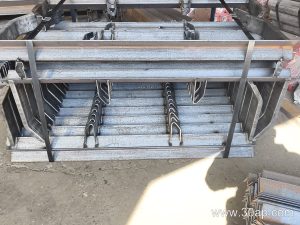
When specifying an aggregate production line idler, confirm the belt width, trough angle, and idler arrangement first. Then check the roll diameter and bearing size against the load and speed. The shaft diameter should come from the conveyor design, not from a rule of thumb tied to belt width alone. Seal type matters in dusty plants; ask for details on bearing protection. For impact zones, specify rubber-ring or impact-resistant rolls. Also consider the conveyor bracket and frame compatibility, because mounting dimensions vary between manufacturers.
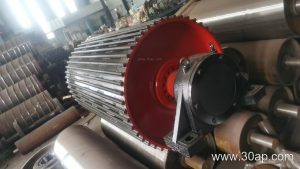
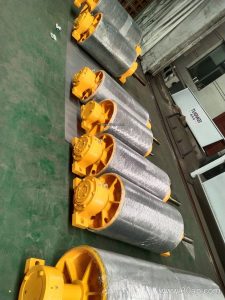
Replacement idlers should match the existing roll length and shaft end configuration. Keeping a small stock of common troughing and return idlers can reduce downtime in a sand and gravel plant or crushing circuit. During maintenance, check for seized bearings, worn shells, and misaligned frames. A worn idler can damage the conveyor belt, so early replacement is cost-effective. Remember that drive pulleys, tail pulleys, and bend pulleys are separate components with different functions; they are not interchangeable with idlers.
Related Conveyor Components
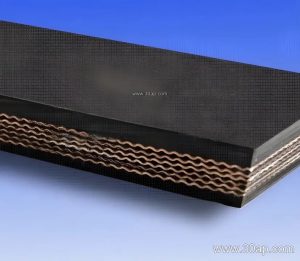
The idler works together with the conveyor belt, conveyor pulley, and conveyor bracket. In aggregate plants, abrasion-resistant belts such as EP conveyor belt or heavy-duty rubber conveyor belt are common, and the idler must match the belt width and load. For dusty or wet conditions, a well-sealed idler roller protects the belt and keeps the line running. Whether the plant handles limestone, granite, or recycled concrete, selecting the right idler type and size is a practical step toward reliable conveying.