What a Polyurethane Idler Is
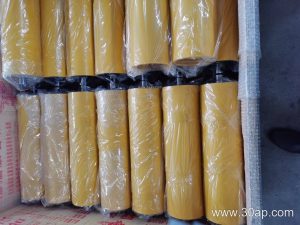
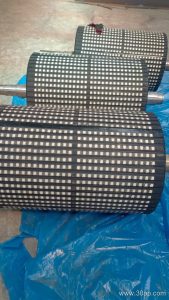
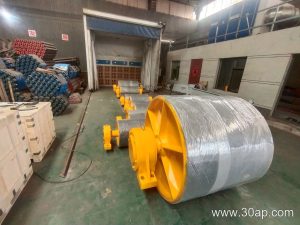
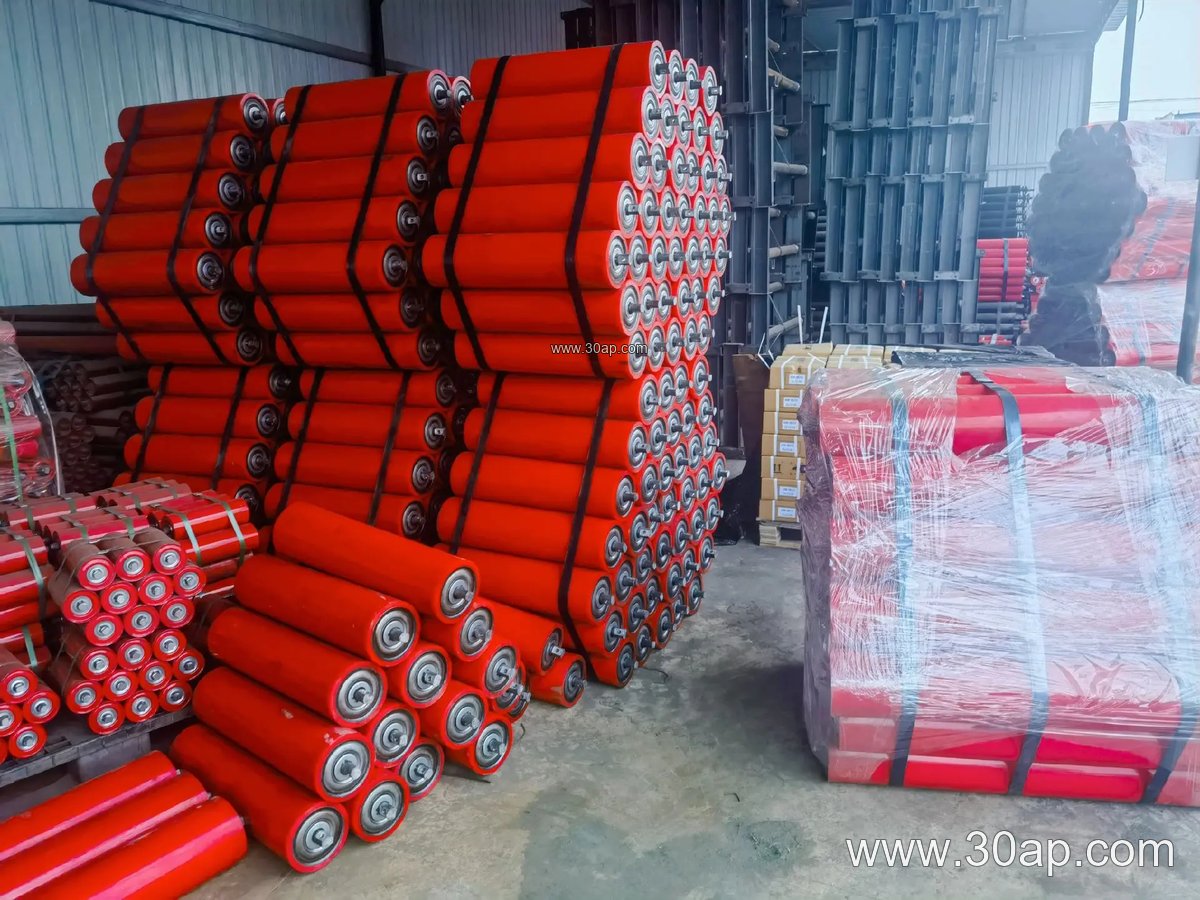
A polyurethane idler is a conveyor idler roller whose outer shell is formed from polyurethane rather than plain steel or rubber-covered steel. It sits under the carrying or return strand of a conveyor belt and supports the belt and its load while turning on internal bearings. In a quarry, a cement plant or an ore handling line, the polyurethane idler is usually chosen where the belt runs wet, dusty or abrasive, and where a steel shell would wear quickly or build up sticky material. It is a distinct product from a conveyor pulley: drive, tail and bend pulleys transmit power or change belt direction, while the polyurethane idler only supports the belt. Those pulley types are not interchangeable with an idler, and neither are they interchangeable with each other.
How the Idler Is Built
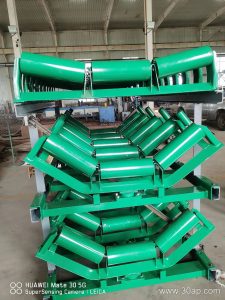
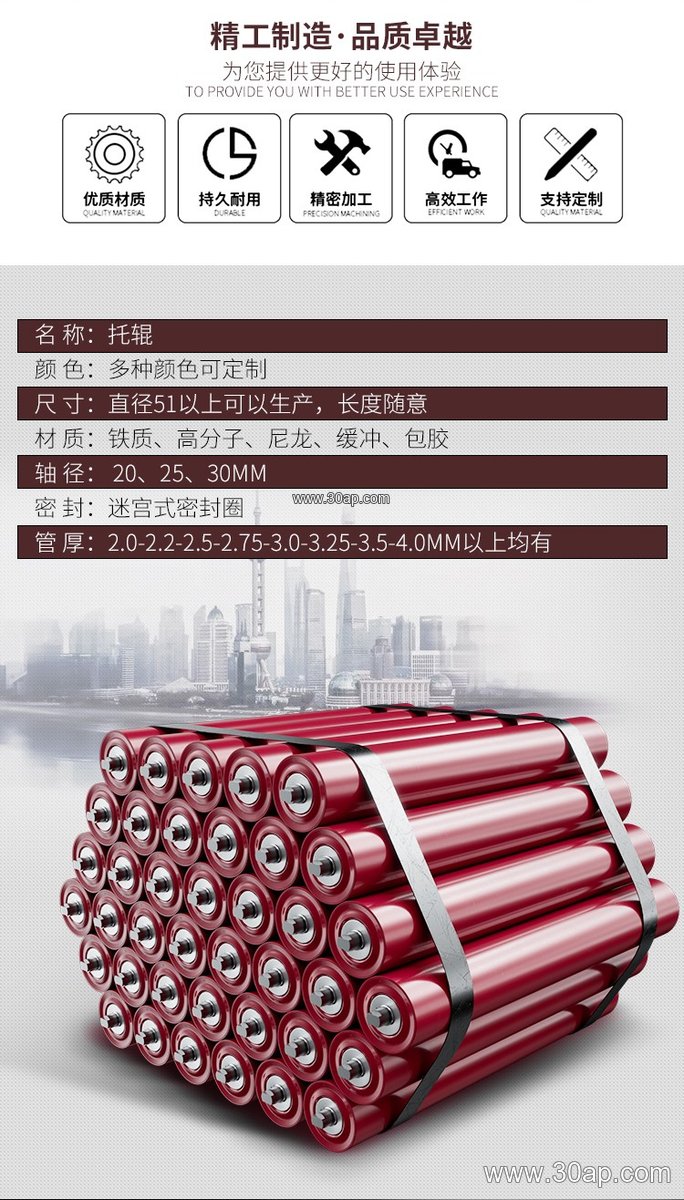
The core is normally a steel tube, with a shaft running through sealed bearing housings at each end. The polyurethane layer is bonded or cast onto the tube to form the rolling surface. The bearings are commonly 6204, 6205, 6305, 6306, 6308 or 6310 depending on the shaft and load, and the seal arrangement matters as much as the bearing number in wet or gritty service. Roller diameters are usually selected from a range such as Ø63, Ø76, Ø89, Ø102, Ø108, Ø127, Ø133, Ø159, Ø178, Ø194 or Ø219 mm. The polyurethane surface can be smooth or profiled, and a profiled form is useful where the belt needs extra grip or where fines tend to cling. The roller length follows the belt width, trough angle and idler arrangement, so no single length should be assumed from belt width alone.
Where It Fits on the Conveyor
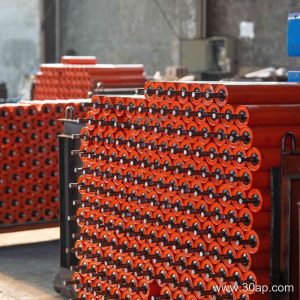
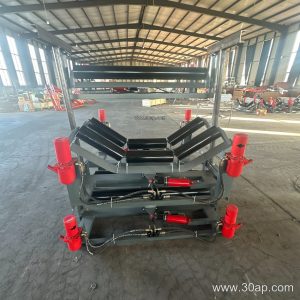
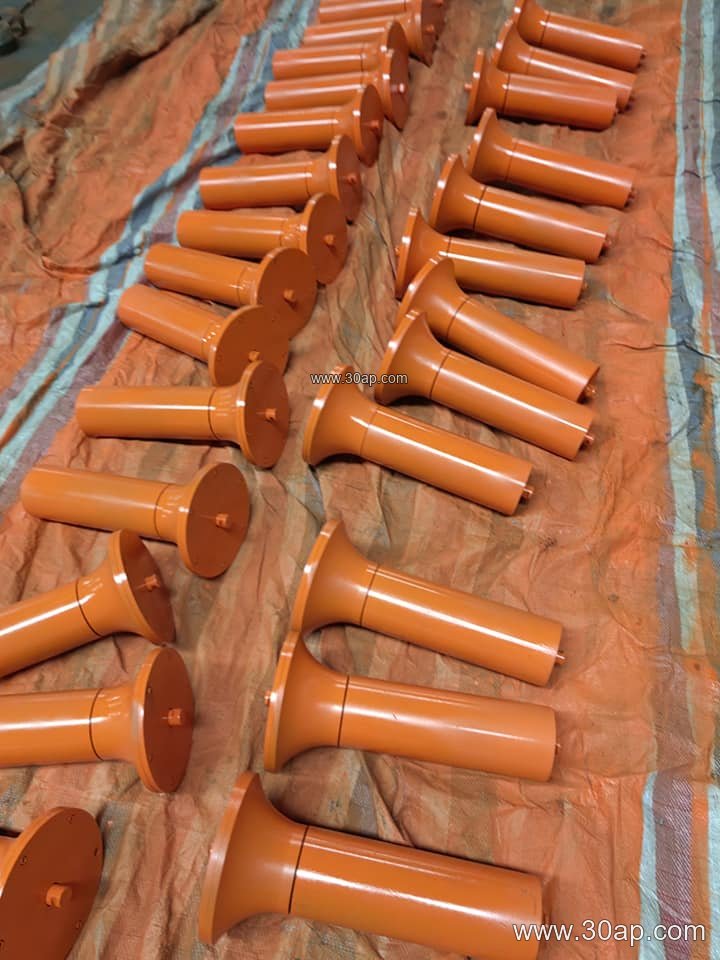
Polyurethane idlers appear in troughing sets, return runs and transition zones. A three-roll troughing set on a 35 degree trough is common in bulk handling, while a 20 degree set may suit a flatter belt profile. Return idlers may be flat or V-shaped, and a V-return helps keep the belt centred on the return strand. In a coal handling plant or a limestone crushing circuit, the polyurethane idler is often found on the carrying side where dust and moisture are present. On a belt feeding a crusher, a buffer or impact idler may be used at the load point instead of a standard troughing idler, and that comparison is worth making when specifying. The idler works together with the conveyor bracket that holds it, and the bracket type must match the roller shaft and frame.
Typical Service Environments
Polyurethane idlers are used in sand and gravel plants, cement works, power station coal yards and metal ore handling. They also appear in fertilizer and grain conveyors where a non-marking, low-friction surface is welcome. On a conveyor carrying abrasive aggregate, the belt itself may be an abrasion resistant conveyor belt, and the idler surface should be chosen to match that duty. Where the belt is a heavy-duty mining conveyor belt or a steel cord conveyor belt, the idler load rating and bearing selection become more important than the surface colour. The idler does not replace the belt specification; a flame retardant conveyor belt or a heat resistant conveyor belt is selected for the belt’s own requirements, while the idler is selected for support, wear and sealing.
Sizes and Selection Notes
The table below gives common reference values only. Actual roller length and diameter are confirmed by the conveyor design.
- Common belt widths: B400, B500, B650, B800, B1000, B1200, B1400, B1600, B1800, B2000, B2200, B2400
- Common trough angles: 20, 30, 35 and 45 degrees
- Common roller diameters: Ø63 to Ø219 mm
- Common bearing numbers: 6204, 6205, 6305, 6306, 6308, 6310
For a three-roll troughing set, example roller lengths are often around 200 mm for B500, 250 mm for B650, 315 mm for B800, 380 mm for B1000, 465 mm for B1200, 530 mm for B1400, 600 mm for B1600, 670 mm for B1800 and 750 mm for B2000. These are typical examples, and side rollers and centre rollers can differ. A 1200 mm wide conveyor belt does not automatically dictate one shaft diameter, and one belt width should never be tied to one pulley diameter.
What a Buyer Should Check
Ask for the shaft diameter, bearing number, seal type and polyurethane hardness, not just the roller diameter. Confirm the trough angle and the idler set arrangement, and check whether a transition or buffer idler is needed at the load zone. For a conveyor in a wet quarry or a dusty cement plant, the seal and the polyurethane bond are the parts that decide service life. Buyers should also confirm that the conveyor bracket matches the shaft end, and that the idler is compatible with the belt running speed. A polyurethane idler is a support component, so it should be specified together with the belt, the frame and the conveyor pulley layout rather than in isolation.