What a Conveyor Side Guide Roller Does
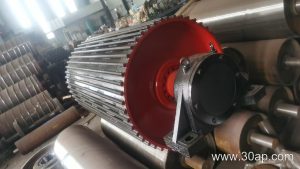
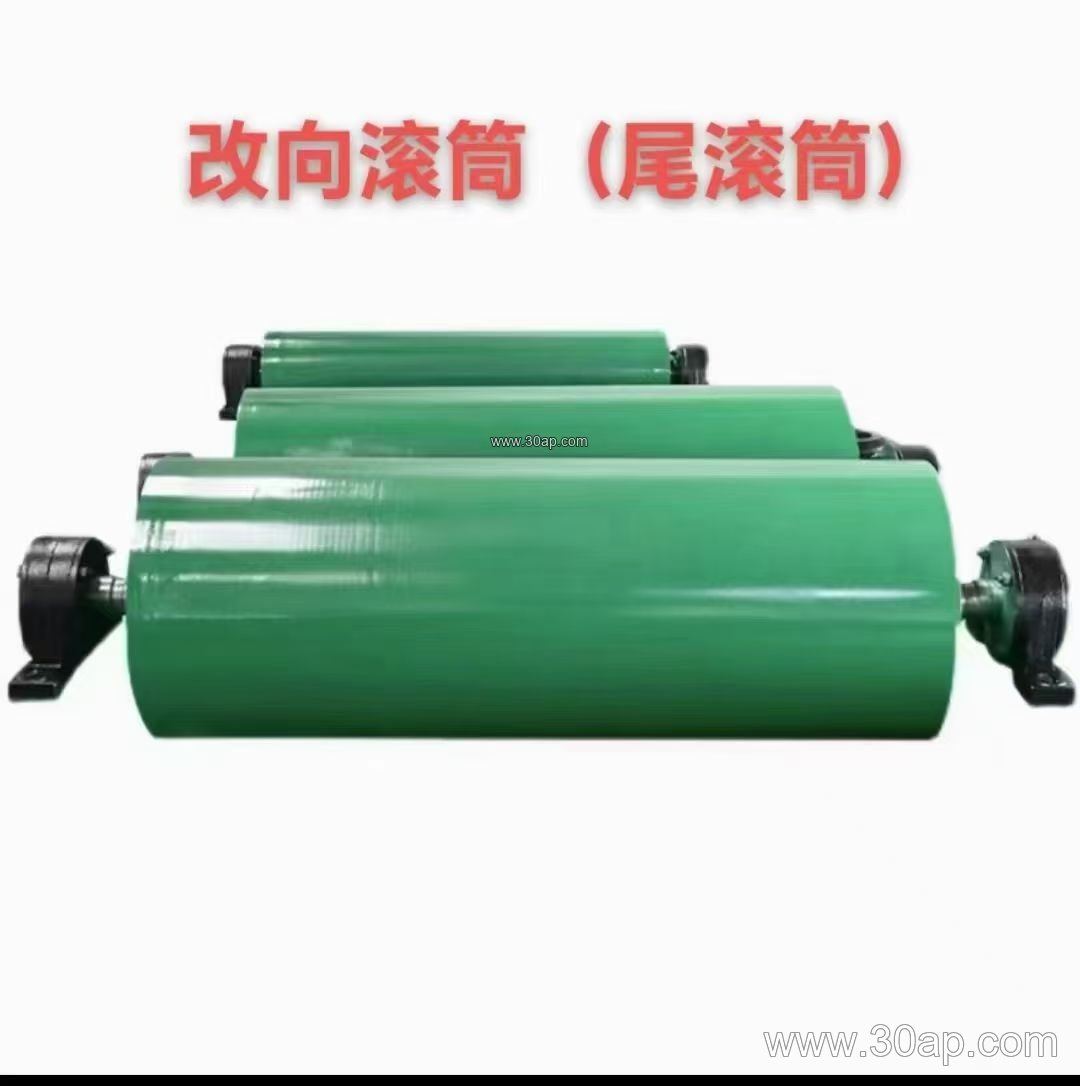
A conveyor side guide roller is a small but hard-working component mounted along the edges of a conveyor to keep the belt from wandering off its intended path. In practice, this part is often called a side guide idler or edge guide roller, and it belongs to the wider family of idler rollers that support and steer the belt. Unlike a conveyor pulley, which drives or redirects the belt at the head and tail, the side guide roller sits at the belt edge and applies gentle lateral correction. That distinction matters when specifying parts: a drive pulley, tail pulley and bend pulley are not interchangeable with an edge guide roller, and each performs a different job in the conveyor line.
In quarry and aggregate circuits, a drifting belt can spill material, damage the belt edge and shorten service life. A well-placed side guide roller helps prevent that without adding much cost or complexity.
How the Side Guide Roller Is Built
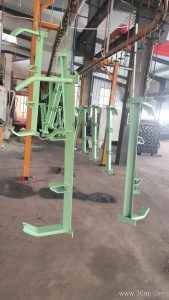
Most side guide rollers share the basic construction of a standard idler: a steel tube shell, a shaft, bearing housings and a sealing arrangement. The difference is the mounting position and, often, the roller face. Some units use a plain steel shell, while others are fitted with a rubber ring or a nylon sleeve to reduce friction against the belt edge. The roller is normally held by a conveyor bracket or a dedicated guide frame that allows small adjustments in position.
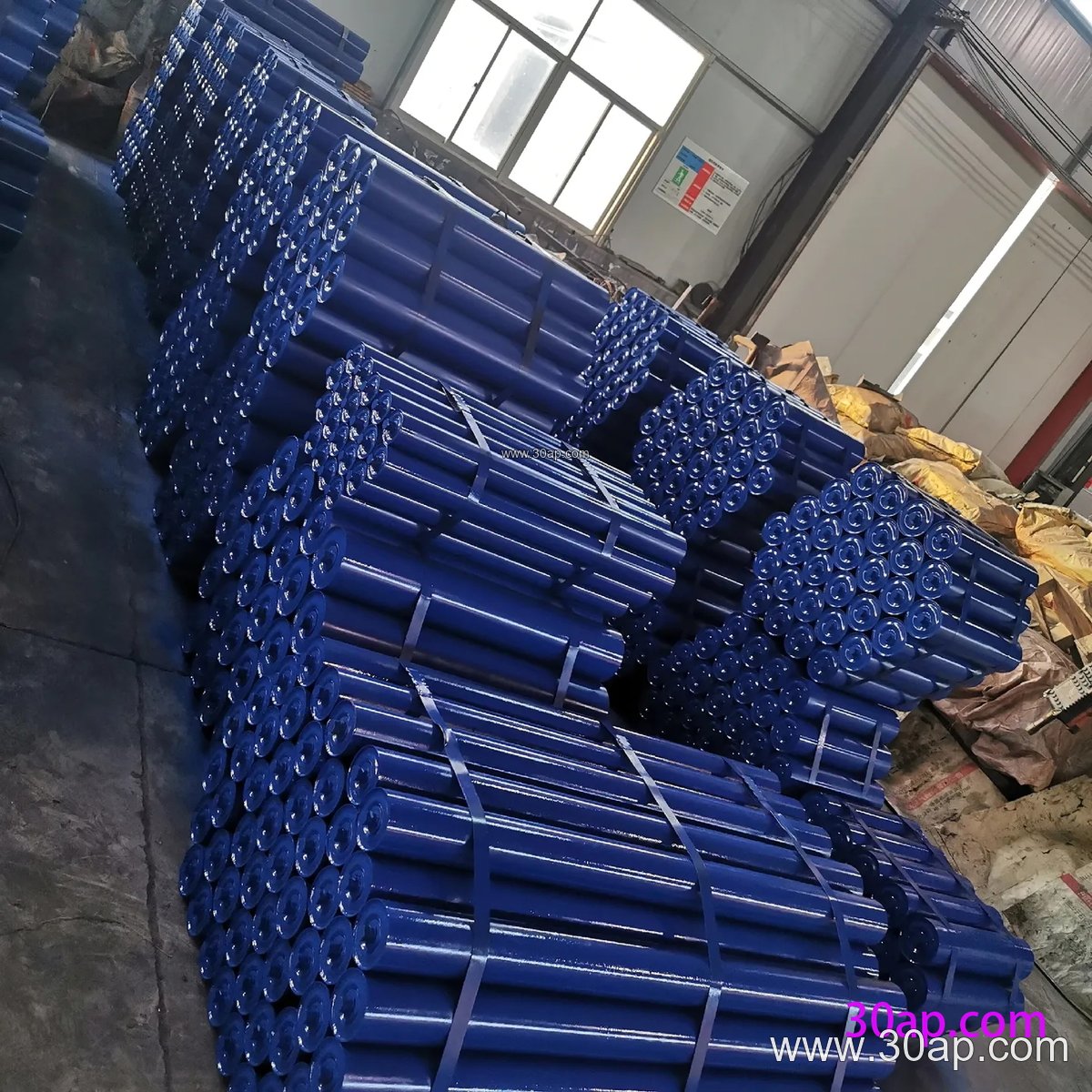
Common roller diameters in general conveyor service include Ø63, Ø76, Ø89, Ø102, Ø108 and Ø127 mm, with larger sizes such as Ø133, Ø159 and Ø178 mm used on heavier belts. Bearing sizes are usually selected to match the load and shaft, with 6204, 6205, 6305, 6306 and 6308 among the frequent choices. These are reference values, not fixed pairings; the correct bearing depends on the shaft and duty, not on roller diameter alone.
Where It Fits on the Conveyor
Side guide rollers are typically installed near loading points, on long straight runs and ahead of transition zones where the belt changes trough shape. In a coal mining conveyor or a power plant coal handling line, edge control is important because even a small misalignment can wear the belt edge and create dust. The same applies in cement plants, steel plants and port ship loading systems where a fabric core conveyor belt or steel cord conveyor belt runs at speed.
The guide roller is not a substitute for a training idler or a self-aligning troughing set. It is a complementary part: the training idler corrects the belt across the full width, while the side guide roller works at the edge. In a stone crushing line feeding a crusher conveyor belt, both may be used together to keep the belt centered under the load.
Matching the Roller to the Belt and the Frame
Belt width and roller length should be checked together. A side guide roller does not follow the same length rules as a three-roll troughing set, where common roll lengths are roughly 200 mm for B500, 250 mm for B650, 315 mm for B800, 380 mm for B1000, 465 mm for B1200 and 530 mm for B1400. Those figures describe troughing rolls, not edge guide rolls. The guide roller length and shaft diameter must be confirmed from the frame drawing and the belt edge clearance.
Buyers should also consider the belt type. An abrasion resistant conveyor belt running in a sand and gravel plant may need a smooth, low-friction guide surface, while a heat resistant conveyor belt in a sinter or cement application may call for a different sleeve material. A flame retardant conveyor belt used underground brings its own safety requirements, and the guide roller should not introduce a wear point that damages the belt cover.
Selection and Maintenance Notes
- Confirm the mounting bracket and frame dimensions before ordering.
- Check that the roller face suits the belt cover and the environment.
- Keep the guide roller free-turning; a seized roller can scrub the belt edge.
- Inspect seals and bearings during routine idler roller checks.
- Do not use a side guide roller to correct a badly misaligned conveyor; fix the structure first.
For bulk material conveyor belt systems, a small investment in correct edge guidance often pays back through longer belt life and less spillage. Whether the line handles iron ore, copper ore, clinker or grain, the side guide roller is a practical detail worth specifying carefully.