What a Conveyor Side Guide Roller Does
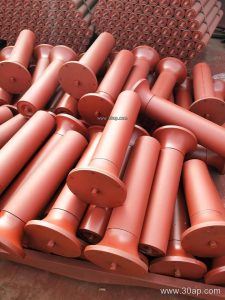
A conveyor side guide roller is a small-diameter idler mounted vertically or at a steep angle along the edges of a conveyor belt, usually just ahead of a loading point, a transfer chute, or a section where the belt tends to wander. Rather than carrying the full weight of the material, this roller acts as a lateral stop: its face contacts the belt edge and gently steers the belt back toward the center line. In a quarry, a coal handling plant, or a cement kiln feed line, a belt that runs off-center can rub the frame, spill material, and damage the carcass, so these edge rollers are a simple and effective alignment aid.
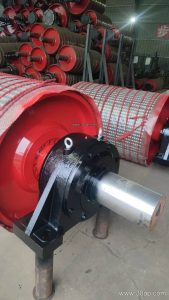
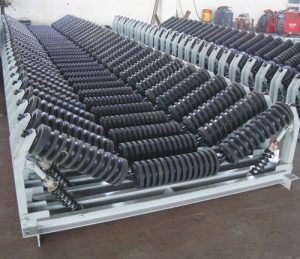
The same component is often called a belt edge guide roller or a vertical side guide idler. It is a distinct item from the carrying idler roller under the trough and from the conveyor pulley at the head or tail, and it should not be confused with either when specifying spares.
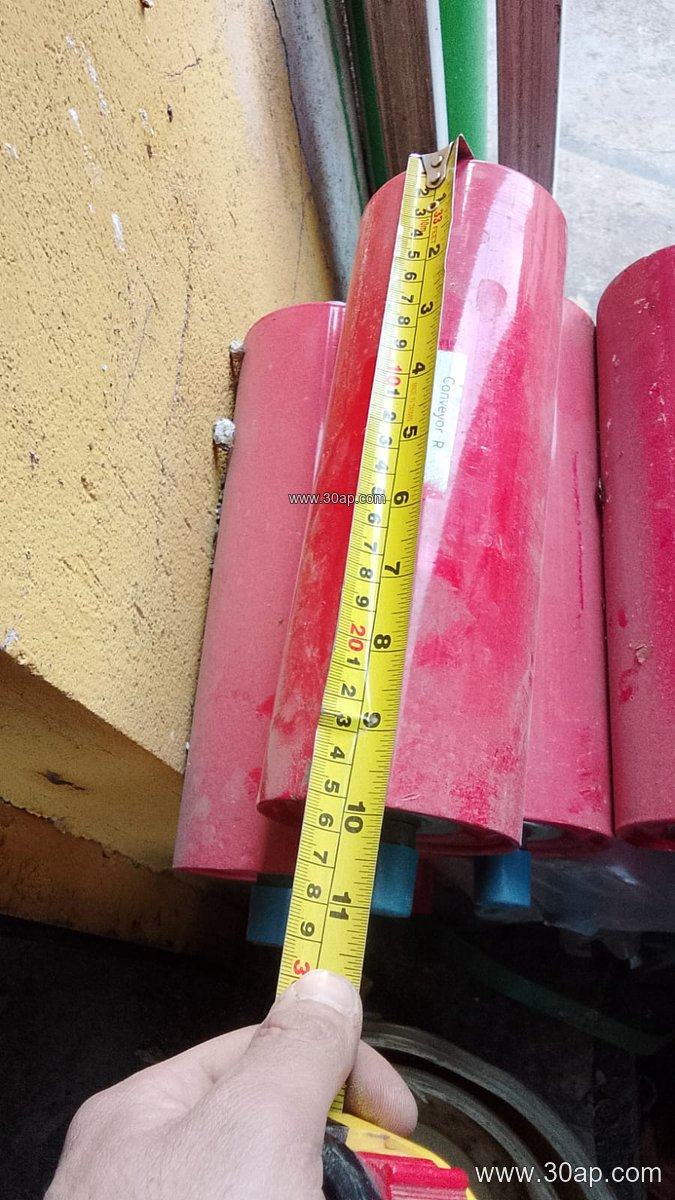
Construction and Mounting
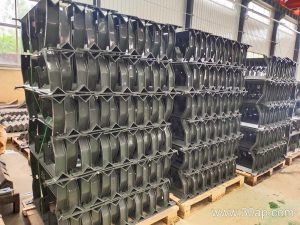
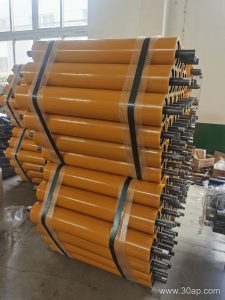
Most side guide rollers are built around a steel tube shell with a sealed ball bearing at each end, fitted to a short shaft that is clamped into a conveyor bracket welded or bolted to the stringer. Because the roller turns only when the belt touches it, bearing protection matters more than load rating. Common bearing sizes include 6204, 6205, and 6305, matched to the shaft and shell diameter by the manufacturer rather than fixed by belt width alone.
Shell diameters are usually smaller than carrying idlers; a side guide roller often falls in the Ø63 to Ø108 range, although heavier edge guides on wide belts may use larger shells. Roller faces can be plain steel, nylon, or rubber covered. A rubber-covered face gives friction and protects the belt edge, which is useful when handling an abrasive Abrasion Resistant Conveyor Belt in a stone crushing line. Mounting height and offset are set so the roller touches the belt only when it drifts, avoiding continuous drag and unnecessary wear.
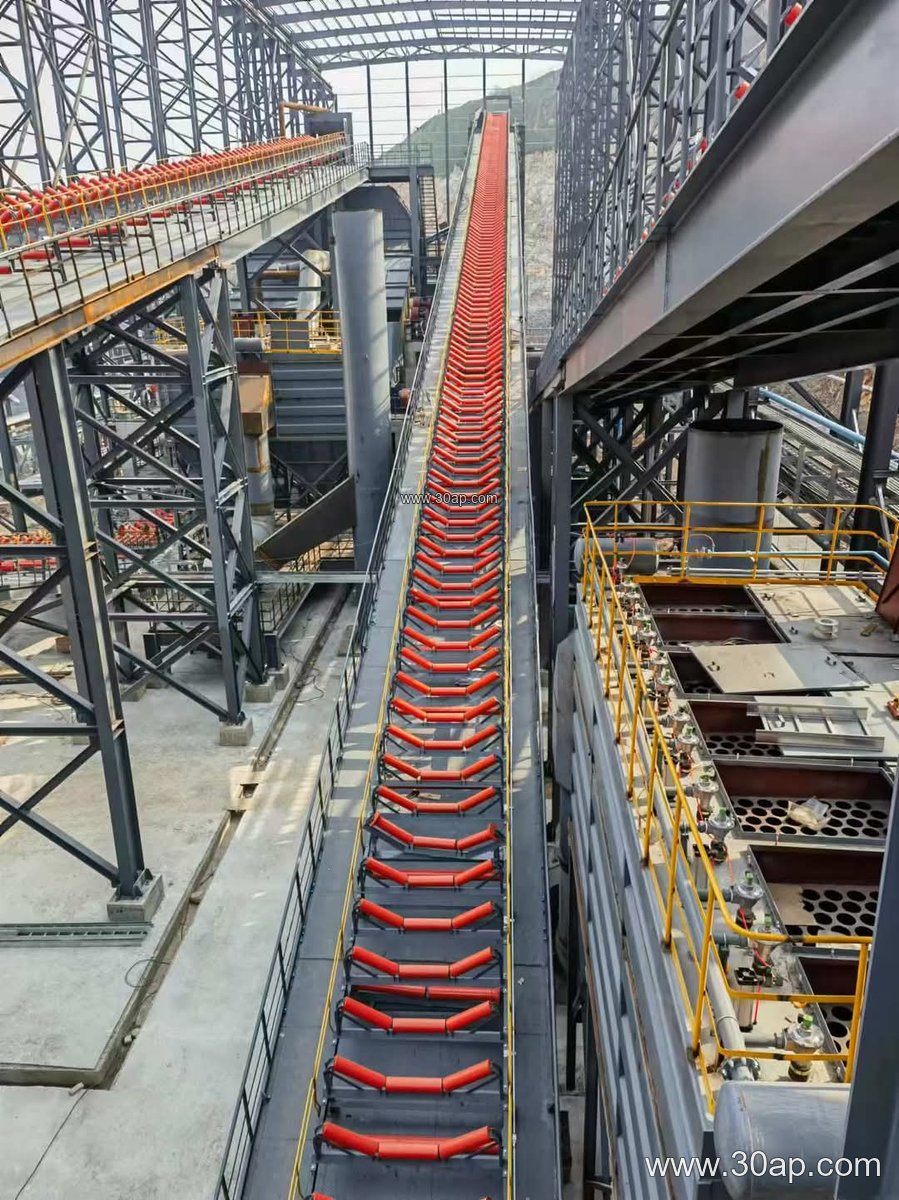
Where These Edge Rollers Fit
Typical locations are the entry to a loading skirt, the discharge of a crusher, and the transition between a troughed section and a flat section. In a sand and gravel plant, a pair of side guide rollers ahead of the screen feed keeps the belt centered under the chute. In a power plant coal yard, they help control belt tracking on long inclined runs where wind and uneven loading push the belt sideways.
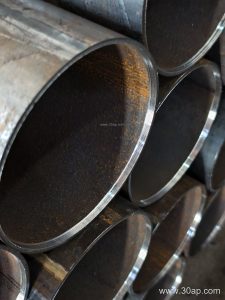
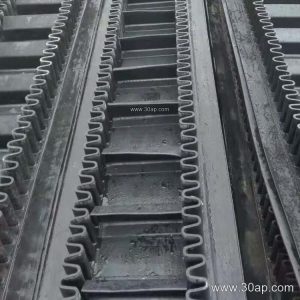
They are also used at the tail area of a pipe conveyor belt or a corrugated sidewall belt, where the belt must be held in a precise position before entering the idler frame. On a steel cord conveyor belt running at high tension, edge guides should be checked for alignment so they correct drift without scuffing the cover.
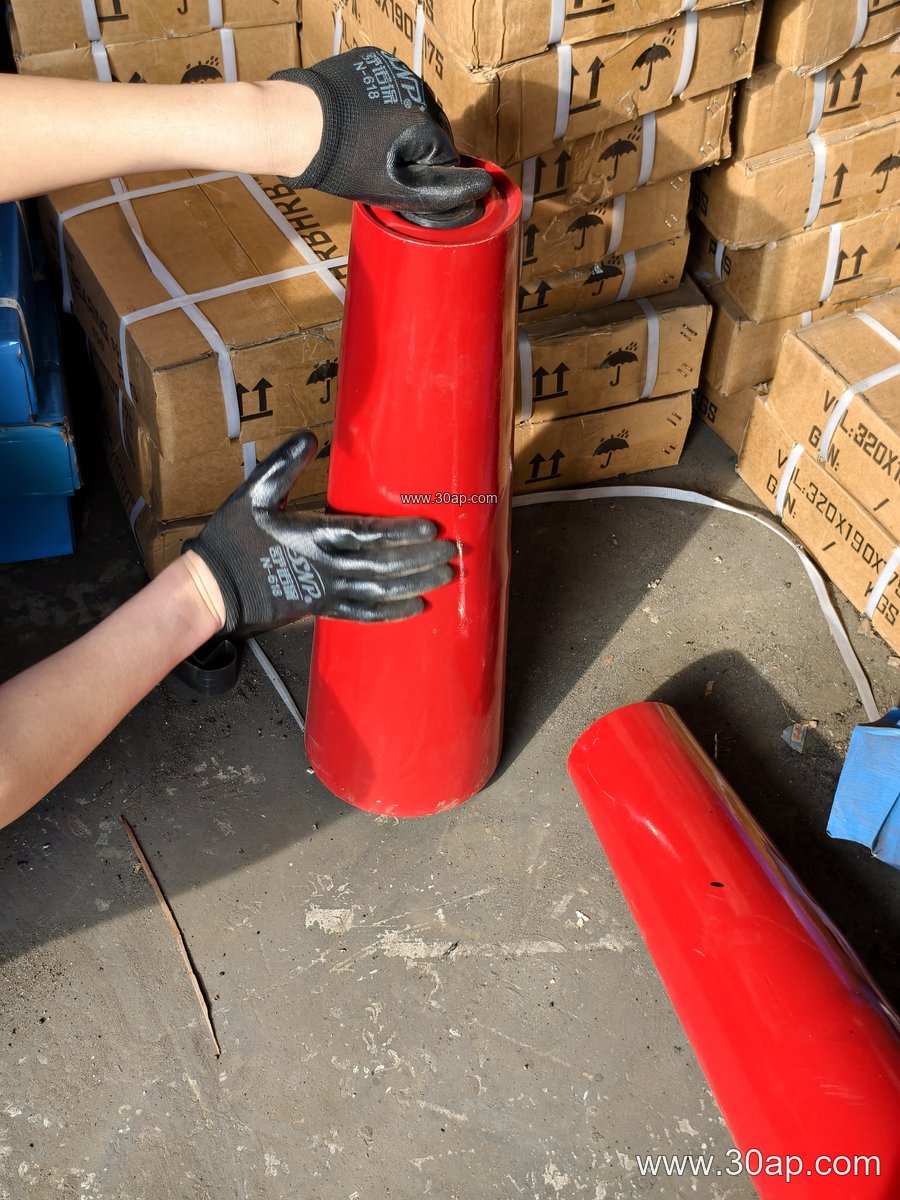
Choosing the Right Size
Selection starts with belt width and the space available at the frame. The table below lists common reference dimensions; actual roller length and shaft size are determined by the conveyor design, not by width alone.
| Belt width | Typical side roller shell Ø | Typical roller length | Bearing reference |
|---|---|---|---|
| B500 | Ø63–Ø76 | about 150–200 mm | 6204 |
| B650 | Ø76–Ø89 | about 200–250 mm | 6204 / 6205 |
| B800 | Ø89–Ø108 | about 250–315 mm | 6205 |
| B1000 | Ø89–Ø108 | about 315–380 mm | 6205 / 6305 |
| B1200 | Ø108–Ø133 | about 380–465 mm | 6305 |
| B1400 | Ø108–Ø133 | about 465–530 mm | 6305 / 6306 |
| B1600 | Ø133–Ø159 | about 530–600 mm | 6306 |
| B1800 | Ø133–Ø159 | about 600–670 mm | 6306 / 6308 |
For wide belts such as a 1800mm Wide Conveyor Belt or a 2000 mm unit, the guide roller is often paired with a matching bracket that allows lateral adjustment. The adjustment range is more important than a fixed dimension, because tracking changes as the belt stretches and the load pattern shifts.
Buyer Checklist
- Confirm the mounting arrangement: weld-on bracket, bolt-on bracket, or clamp type, and check the shaft diameter against the bracket bore.
- Ask for the bearing seal type. Dust and fines in a quarry or a coal yard will destroy an open bearing quickly.
- Match the roller face to the application. Rubber or nylon reduces belt edge wear; plain steel is cheaper but less forgiving.
- Check that the roller is free-turning and that the shaft is not bent, since a seized guide roller can cut into the belt edge.
- Order spares together with the conveyor bracket so replacement does not require re-drilling the frame.
Inspect side guide rollers during routine idler checks. A roller that no longer spins, or one that has been pushed out of position, is a sign that belt tracking needs attention upstream. Correcting the cause, such as off-center loading or a misaligned pulley, is more effective than adding more guide rollers.