What a Coal Mining Conveyor Belt Does Underground and on the Surface
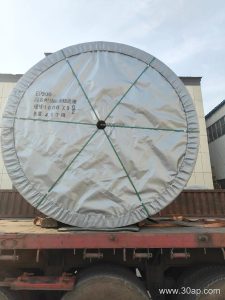
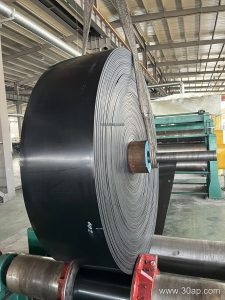
A Coal Mining Conveyor Belt is the load-carrying element of a continuous haulage system that moves run-of-mine coal from the face, transfer points, and stockpiles to preparation plants, load-out stations, or power plant bunkers. In an underground coal mine, the belt often works in confined roadways with limited ventilation, wet floors, and fine coal dust, while surface installations handle higher tonnages over longer distances. The same product family is also described as a coal conveyor belt or a mining conveyor belt, and these terms refer to the same article rather than different equipment.
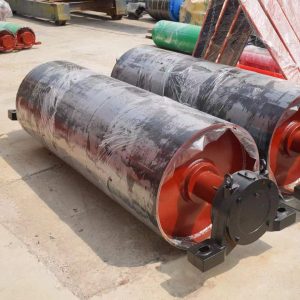
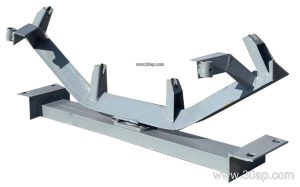
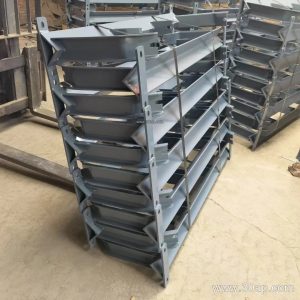
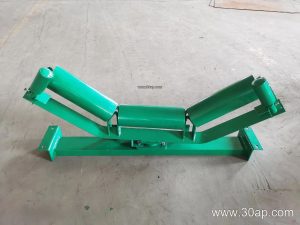
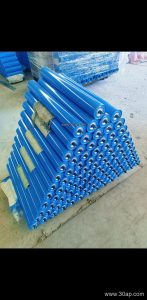
The belt is only one part of the circuit. A typical coal handling line combines the belt with idler rollers that support the carcass, a conveyor pulley at the drive and tail ends, and conveyor brackets that hold the structure in alignment. Each component has its own function, and none should be treated as a substitute for another.
Construction of the Belt
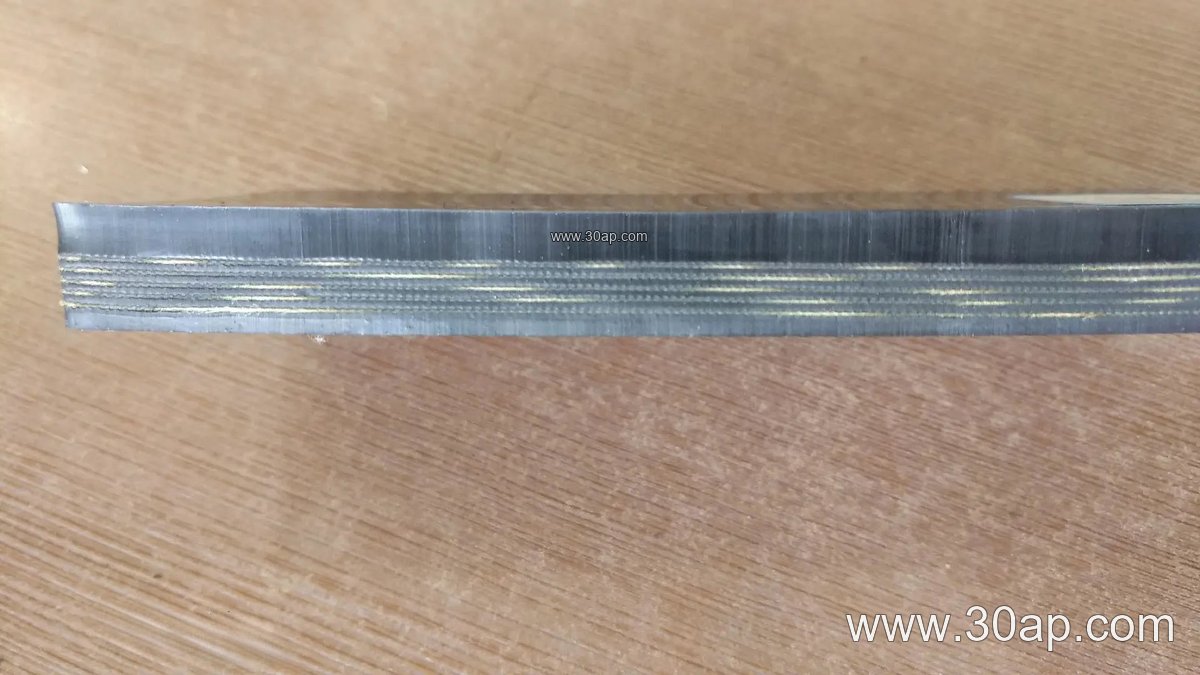
Most coal mining conveyor belts use a fabric core or a steel cord carcass covered with rubber or PVC compounds. The carcass carries tension, while the covers resist abrasion, impact, and moisture. Common constructions include:
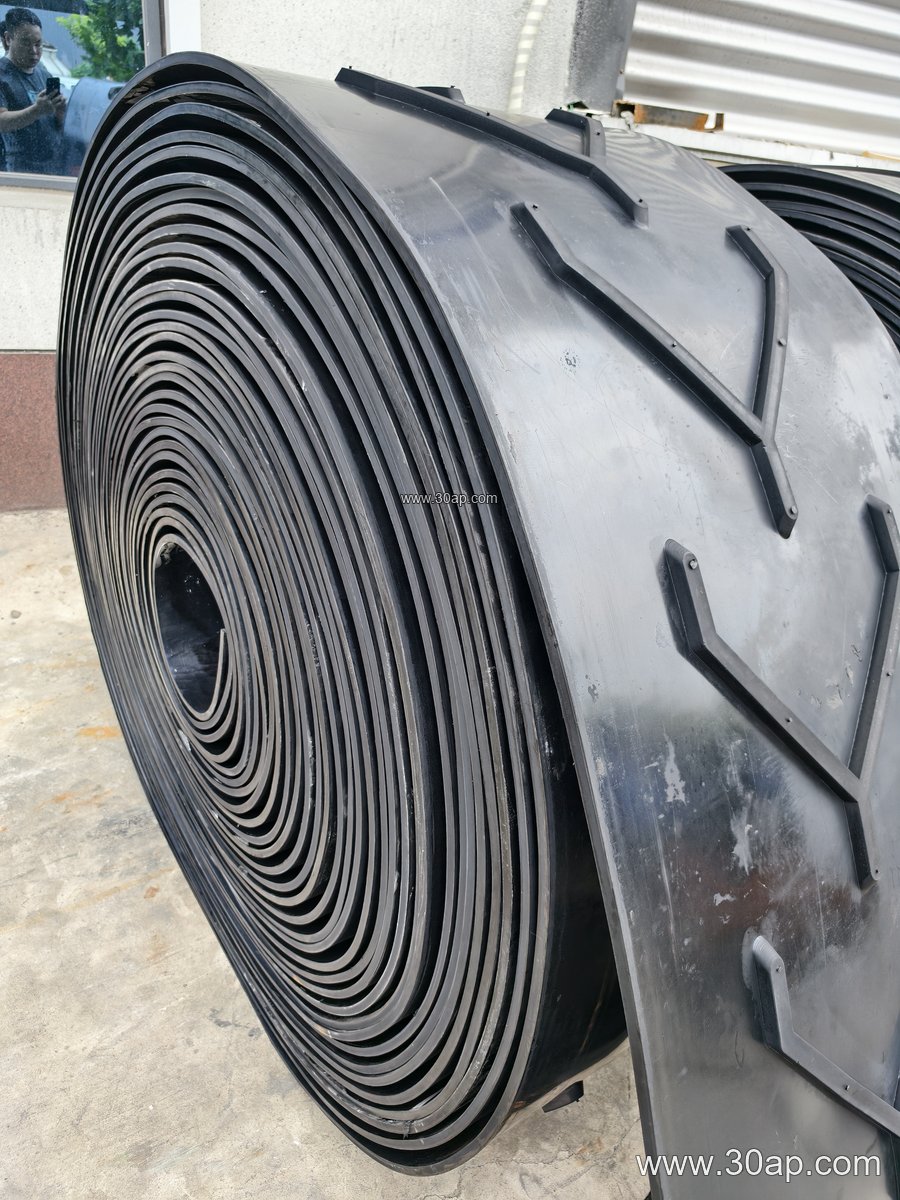
- Multi-ply fabric core with EP or NN fabric, often used for short to medium conveyors and transfer belts.
- Steel cord designs for long overland lines and high-tonnage trunk conveyors.
- PVC or PVG belts for underground roadways where flame resistance and anti-static behavior are required.
- Special cover grades such as abrasion resistant, flame retardant, fire resistant, anti-static, and oil resistant compounds.
The top and bottom cover thickness is usually written as a pair, for example 4+2 mm or 6+2 mm, and the number of fabric plies commonly ranges from two to six depending on the duty. These figures are reference values only; final construction is set by the conveyor design.
Typical Specifications and How They Are Written
Buyers often see a coal mining conveyor belt described by carcass type, strength grade, width, and cover thickness. The table below shows representative examples of how such descriptions appear; it is not a fixed catalog and does not imply that one width matches one pulley size.
| Description | Common Reference | Typical Use |
|---|---|---|
| EP fabric core | EP200 to EP1000, 2 to 5 plies | Main haulage, transfer conveyors |
| NN nylon core | NN200 to NN400 | Flexible, impact-prone sections |
| Steel cord | ST1000 to ST2500 | Long distance, high tension |
| PVG solid woven | PVG800, PVG800S | Underground coal roadways |
| Width | B650, B800, B1000, B1200, B1400, B1600 | Selected by capacity and lump size |
| Cover thickness | 3+1.5, 4+2, 5+2, 6+2, 8+3 mm | Set by abrasion and impact duty |
Surface forms matter too. A chevron conveyor belt or a corrugated sidewall belt is chosen when the incline is steep or material must be contained. A pipe conveyor belt can enclose the load on curved routes. These are separate designs and should be compared only when the route or material behavior calls for them.
Where the Belt Is Used
Coal mining is the primary application, but similar belts serve cement plants, power plant coal yards, quarries, sand and aggregate operations, steel plants, and port loading systems. In a coal preparation plant, a flame retardant conveyor belt is common because of dust and ignition risk. In a power plant, a heat resistant conveyor belt may be needed near hot ash or clinker areas, while an abrasion resistant conveyor belt suits coke and limestone handling. Cold resistant grades are used in northern mines and winter stockyards.
For underground coal mining conveyor belt installations, the belt usually runs on idler rollers spaced closely enough to limit sag, and the drive pulley is selected from the calculated tension rather than from belt width alone. The tail pulley and bend pulleys guide the return strand, and each pulley type keeps its own role in the layout.
Buyer Checklist
- Confirm the material, lump size, moisture, and temperature range before choosing a cover grade.
- State the required strength grade, width, ply count, and cover thickness in the inquiry.
- Check flame resistance and anti-static requirements for underground coal duty.
- Review splice method, edge condition, and pulley interaction with the conveyor designer.
- Plan inspection of idler rollers, pulley lagging, and brackets as part of routine maintenance.
Accurate selection comes from the conveyor layout, not from a single number. A belt that is correct for a 1200mm trunk conveyor may be unsuitable for a short transfer in a crusher building, and the reverse is also true. Matching the coal mining conveyor belt to its duty, structure, and environment is what keeps the haulage line productive.