What a 2400mm Conveyor Belt Is
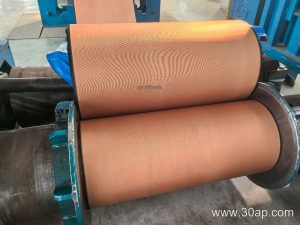
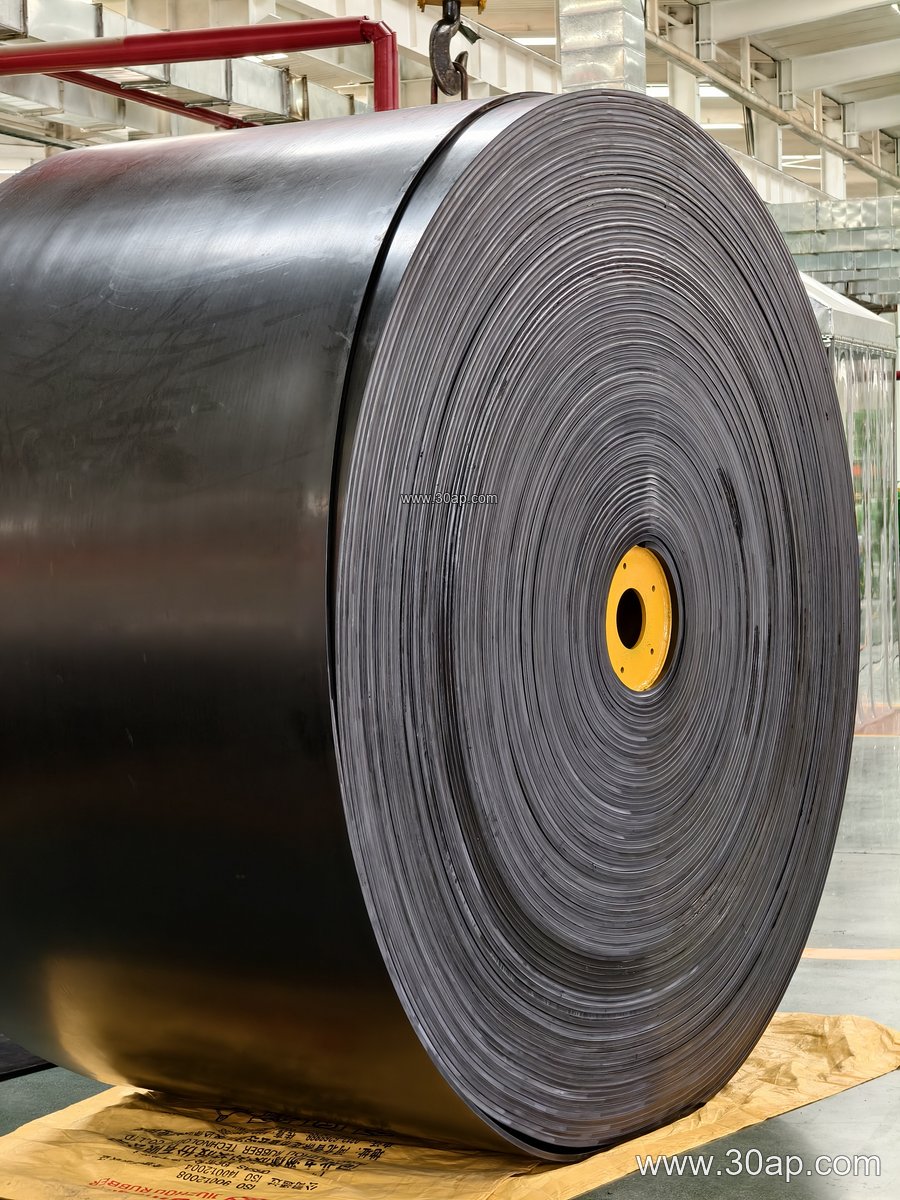
A 2400mm conveyor belt is an extra-wide belt intended for high-capacity bulk material handling. At this width, the belt is usually described as a wide conveyor belt or extra-wide conveyor belt, and it is built for main haulage lines rather than small transfer points. The width allows a deep material bed and high tonnage per hour, which is why it appears in large mining, coal, cement, power, port, and aggregate operations.
The belt is not a single product family. It can be supplied as an EP conveyor belt, an NN conveyor belt, or a steel cord conveyor belt, depending on tension and impact requirements. Surface and edge details such as chevron, skirted, or corrugated sidewall construction may also be specified when the route needs them.
Construction and Common Specifications
At 2400mm, carcass design matters more than on narrow belts. Fabric cores are usually multi-ply, while steel cord constructions are chosen for long center distances and high operating tension. Cover rubber grades are selected for the duty: abrasion resistant for ore and rock, flame retardant or fire resistant for coal mining and underground coal mining, heat resistant for cement and steel plant service, and oil resistant where lubricants or oily cargo are present.
The values below are common reference points, not fixed supply promises. Final construction is confirmed by the belt designer.
- Width: 2400mm (B2400)
- Fabric carcass: commonly 2 to 6 plies
- EP grades often considered: EP400, EP630, EP800, EP1000, EP1250
- Steel cord grades often considered: ST1250, ST1600, ST2000, ST2500
- Cover rubber combinations: 5+2, 6+2, 8+3 mm
- Surface options: plain, chevron, skirted, corrugated sidewall
Belt thickness, splice type, and cover grade should be read together with the conveyor profile. A thick cover does not by itself make a belt suitable for a given load.
Where the Width Fits
Wide belts are common on primary crushing and mainline conveyors in quarry, aggregate, iron ore, copper ore, and gold mining circuits. In cement plants they may carry clinker or raw material; in power plants they handle coal; in ports they support ship loading and stockyard transfer. A 2400mm belt is also seen in sand making and stone crushing lines where a crusher conveyor must handle a broad, heavy discharge.
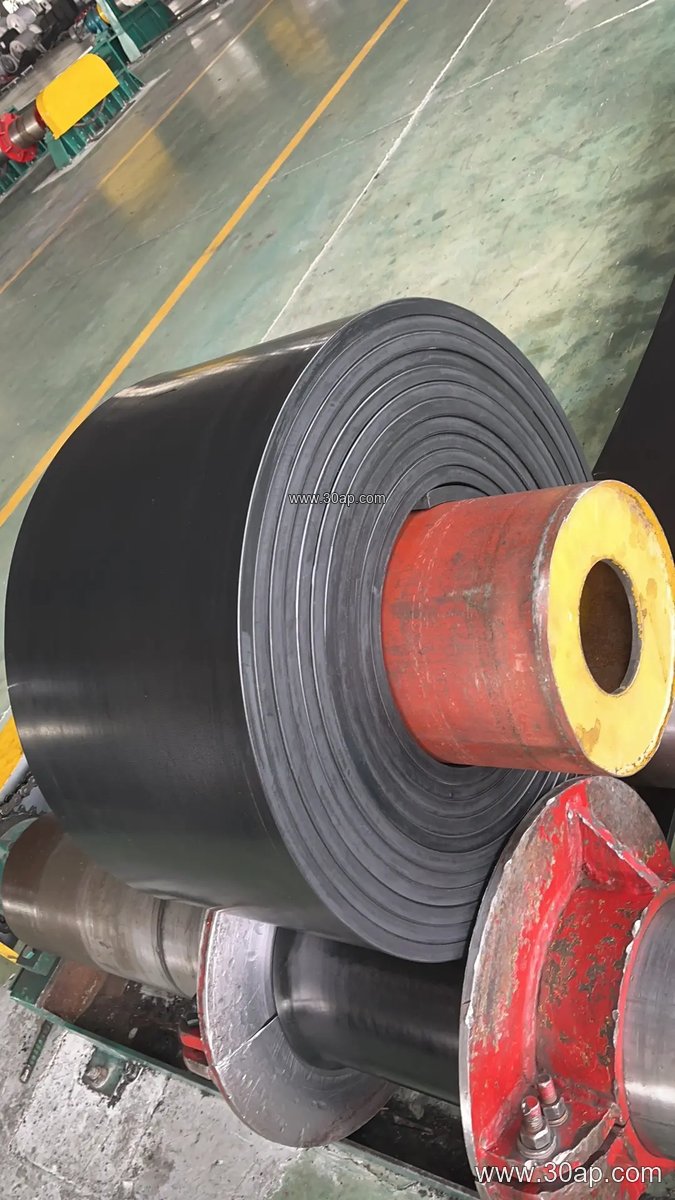
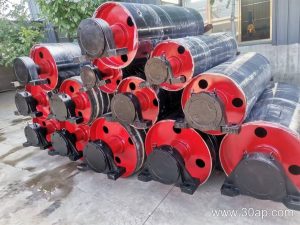
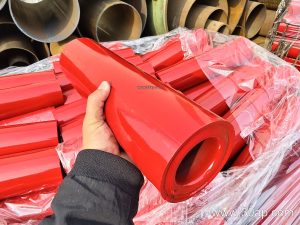
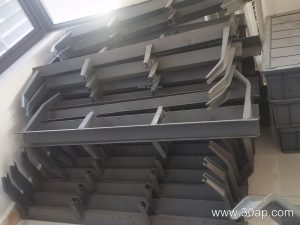
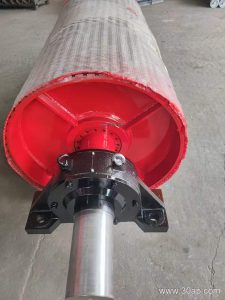
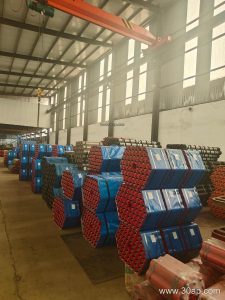
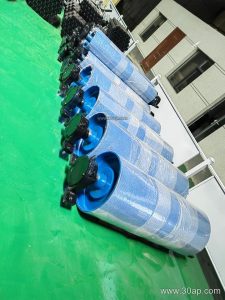
The belt works with conveyor pulleys, idler rollers, and conveyor brackets that are sized for the load. Drive pulleys, tail pulleys, and bend pulleys each have a separate role and are not interchangeable; the same applies to different idler and bracket types. Belt width alone does not determine pulley diameter or shaft size, so those components must be matched through the conveyor design.
Buyer Checklist
Before ordering, confirm the actual duty: material type, lump size, throughput, incline, and ambient conditions. Check whether the line needs a flame retardant conveyor belt, a heat resistant conveyor belt, or a high abrasion resistant grade. For cold climates, a cold resistant belt may be relevant; for dusty or explosive atmospheres, anti-static properties may be required.
Ask for the carcass grade, number of plies, cover thickness, and splice method in writing. Confirm edge condition, because a 2400mm belt is more sensitive to mistracking and edge damage than a 1200mm wide conveyor belt. Review the pulley and idler roller arrangement, and make sure the conveyor bracket spacing supports the belt load. Spare belt, repair strips, and splicing materials should be planned before commissioning.
For wider plant planning, compare the 2400mm belt with 1800mm or 2000mm options only where the conveyor design allows. The correct choice is the one that meets capacity and safety requirements, not simply the widest available belt.