What the Carrying Bracket Does on a Belt Conveyor
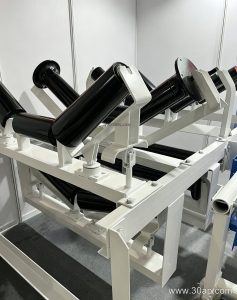
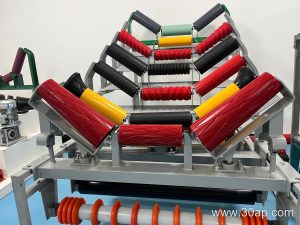
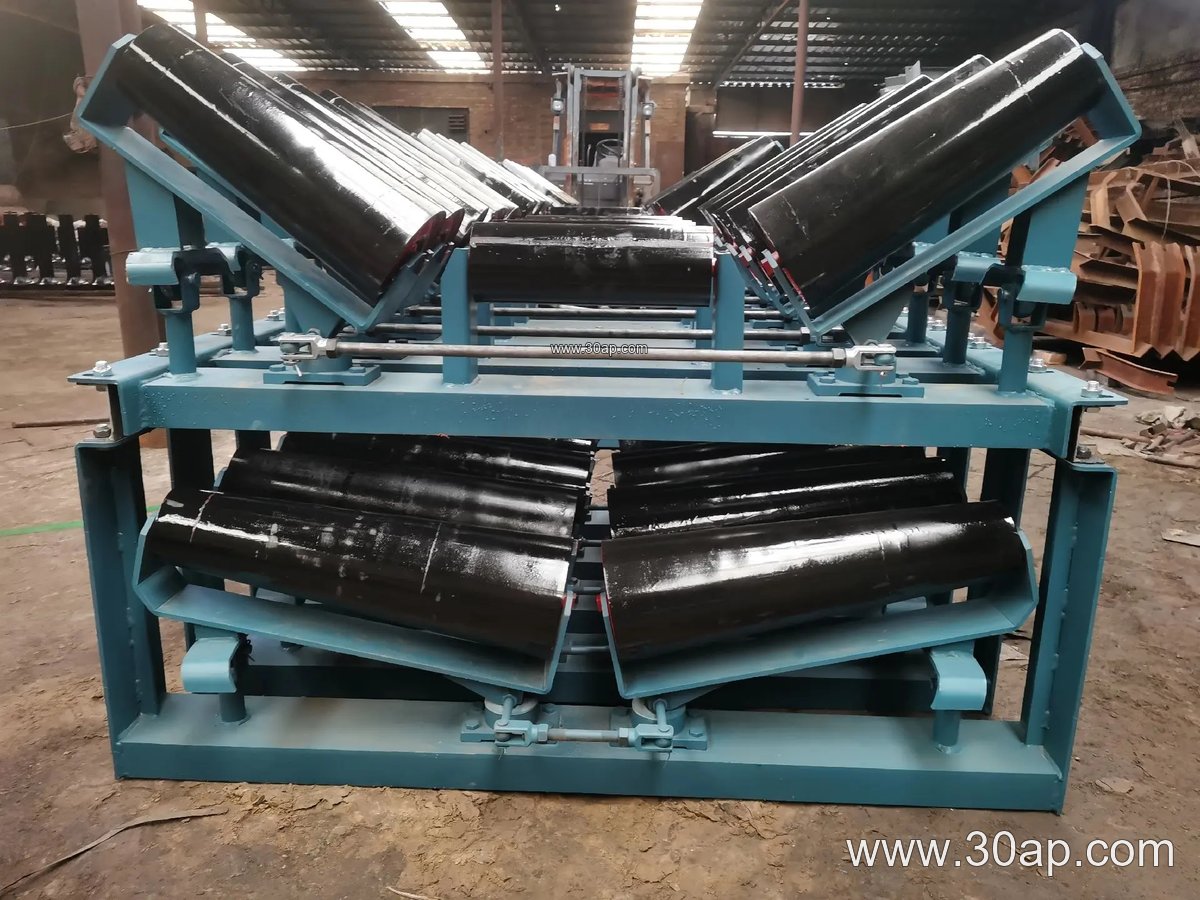
A conveyor carrying bracket is the steel frame that holds the upper idler rollers in position and gives the belt its trough shape. It sits between the stringers or frame rails, carries the load side of the belt, and keeps the idler roller spacing consistent along the run. In a quarry, a coal handling plant or a cement kiln feed line, the bracket is a small part of the structure but it decides how evenly the belt sits and how well the load stays centred.
Because it is often called a carrying idler bracket or troughing bracket, buyers sometimes confuse it with the return-side frame. They are different parts of the same conveyor, and each has its own geometry and load case.
Construction and Common Forms
Most units are fabricated from angle steel, channel steel or folded steel plate, then drilled or punched for the idler shaft. The bracket may be fixed or adjustable, and the adjustable version lets maintenance staff set the trough angle without changing the frame. Common trough angles include 20, 30, 35 and 45 degrees, and a forward-leaning arrangement of about 1.5 to 2 degrees is used where belt tracking needs help.
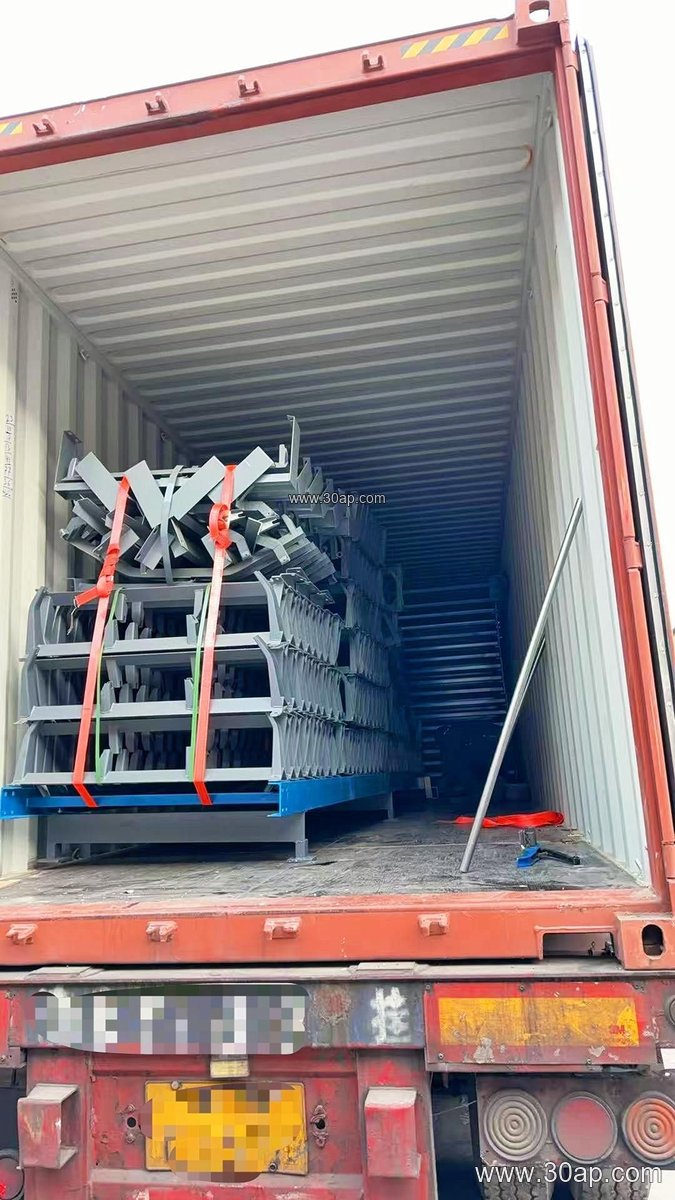
Typical reference data for the main carrying frame family is shown below. These are common values, not fixed matches; the final hole spacing and crossbeam length are determined by belt width, trough angle and the idler chosen.
| Item | Common Reference Values |
|---|---|
| Belt width | B500, B650, B800, B1000, B1200, B1400, B1600, B1800 |
| Trough angle | 20°, 30°, 35°, 45° |
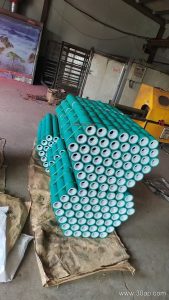
| Idler diameter | Ø89, Ø108, Ø133, Ø159, Ø194 |
| Material | Angle steel, channel steel, folded plate |
| Mounting | Fixed or adjustable, bolted to stringer |
A typical combination might read B800, 35 degrees, Ø108, or B1200, 45 degrees, Ø133. None of these is compulsory, and a wider belt does not force a single roller size.
Where It Fits in the Conveyor Layout
The carrying bracket belongs on the loaded side of the conveyor. Its neighbours are the transition bracket near the tail, the impact bracket under the loading point, and the self-aligning bracket on long straight sections. On the return side you would normally find a flat or V-return bracket, which is a separate product and should not be substituted for the carrying frame.
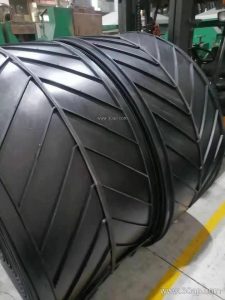
In a limestone mine or a sand and gravel line, the carrying frame is usually paired with a three-roller trough set and a rubber conveyor belt or an EP conveyor belt. In a power plant coal yard, a flame retardant conveyor belt may run over the same style of bracket, while a steel cord conveyor belt on a long overland route needs a heavier frame and larger idler roller.
Matching the Bracket to Belt and Idler
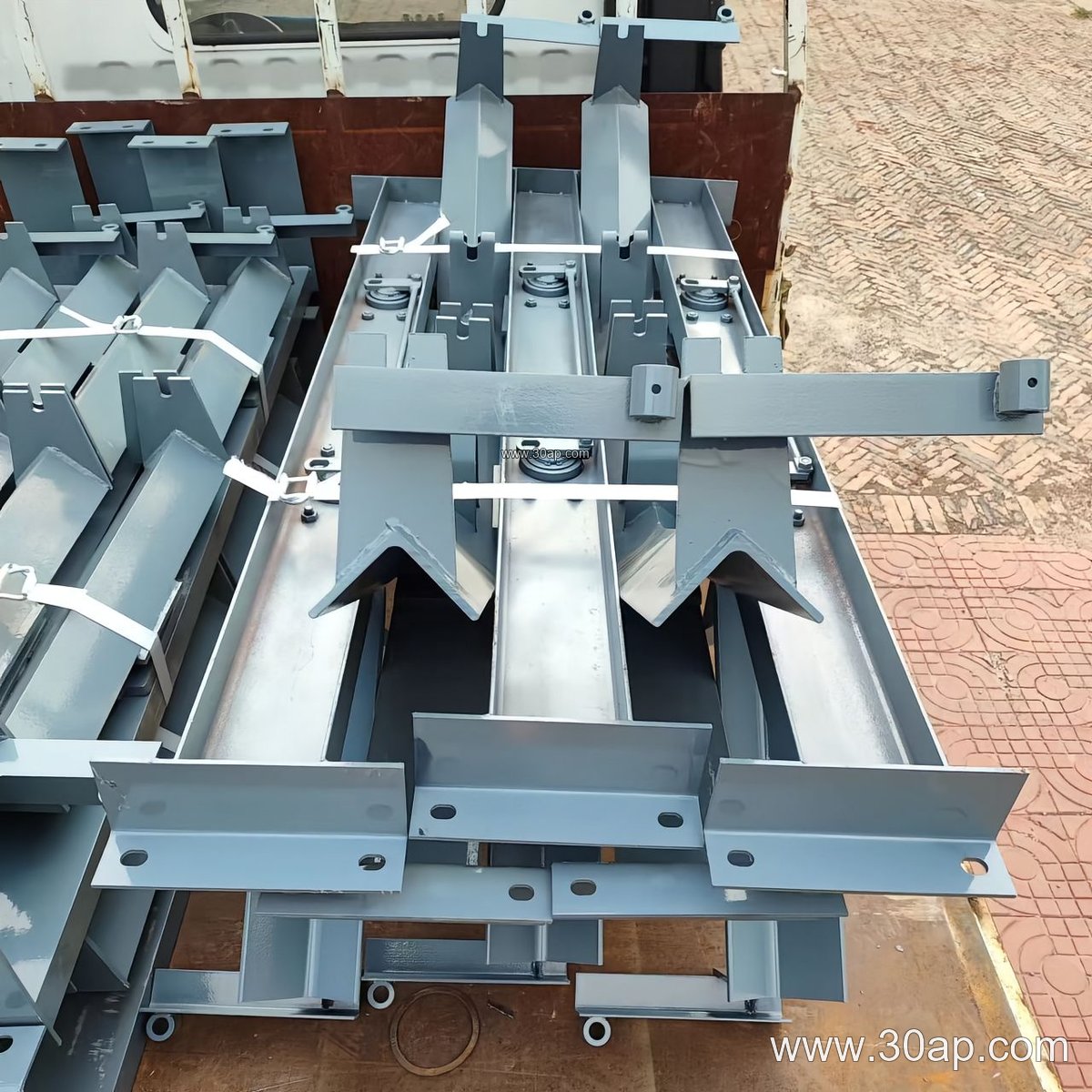
Selection starts with the belt width and the desired trough angle, then moves to the idler diameter and the load per bay. A 650 mm belt on a small aggregate conveyor may use Ø89 idlers at 30 degrees, while a 1400 mm belt in an iron ore plant may call for Ø159 idlers at 35 or 45 degrees. The bracket must accept the idler shaft, keep the three rolls in line, and sit square to the belt centreline.
- Check the hole pitch and crossbeam length against the actual idler drawing.
- Confirm the frame height suits the stringer and the belt clearance.
- For loading zones, use an impact bracket rather than a standard carrying frame.
- On long runs, consider a self-aligning carrying bracket to reduce edge wear.
Articles on conveyor bracket selection often overlap with idler and pulley topics, but the carrying frame is judged mainly by stiffness, hole accuracy and corrosion protection. A galvanized or painted finish matters in wet coal preparation plants and in coastal ports.
Buyer Checklist Before Ordering
Ask for a drawing that shows belt width, trough angle, idler diameter and mounting hole spacing together. Confirm whether the frame is fixed or adjustable, and whether the supplier can match an existing stringer pattern. For harsh duty such as a copper ore conveyor or a crusher discharge line, check plate thickness and weld quality rather than relying on a catalogue photo.
Finally, keep the carrying bracket, the return bracket and the transition bracket as separate line items in the spare parts list. Mixing them up causes downtime, and the carrying frame is the one that carries the load every day.