What an NN100 Conveyor Belt Is
An NN100 Conveyor Belt is a fabric-core rubber belt built with nylon (NN) warp and weft cords in its carcass. The number 100 refers to the nominal tensile strength class of the fabric layer, commonly expressed in newtons per millimeter per ply. In practice, an NN100 belt sits at the lighter end of the nylon belt family, which makes it a practical choice for medium-duty conveying where flexibility, troughability and cost control matter more than extreme tension capacity.
It belongs to a wider group that includes EP Conveyor Belt, Multi-Ply Fabric Core Conveyor Belt and Steel Cord Conveyor Belt. Each of these products solves a different tension and impact problem, and they should not be treated as direct replacements for one another.
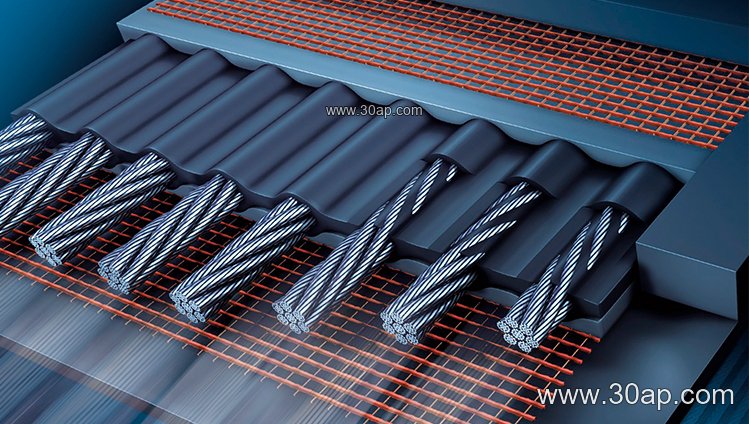
How the Belt Is Built
The carcass is the working heart of the NN Conveyor Belt. Multiple plies of nylon fabric are bonded with rubber skim, then covered on both faces with abrasion-resistant rubber. A buyer will usually see the construction described as a cover thickness pair, such as 3+1.5 mm or 4+2 mm, where the first figure is the top cover and the second is the bottom cover. Typical carcass builds range from two to six plies, depending on load and pulley geometry.
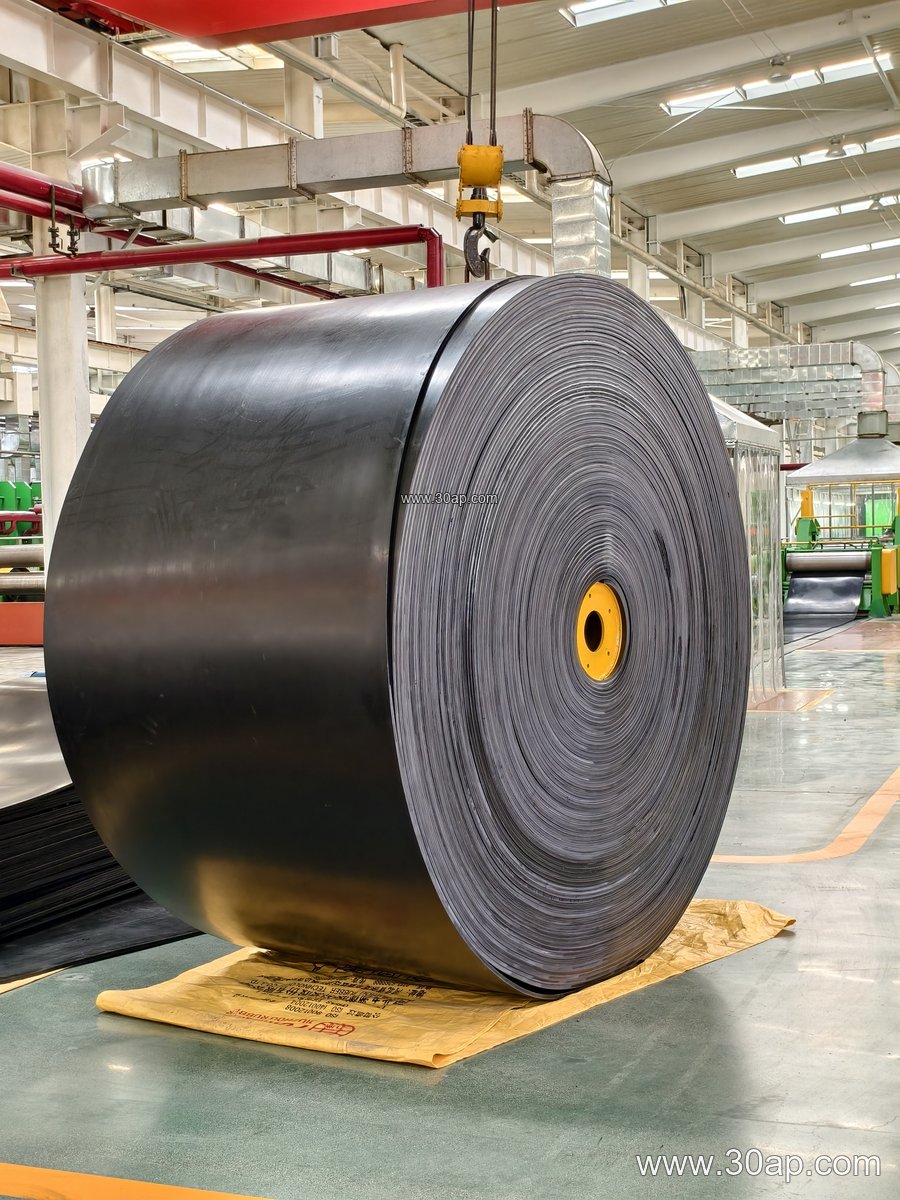
- Nylon fabric plies give high elongation and good fatigue resistance.
- Skim rubber holds the plies together and resists delamination.
- Top and bottom covers protect the carcass from abrasion, moisture and material impact.
- Edge construction and splicing method affect belt life as much as the rubber compound.
Where It Fits on the Conveyor
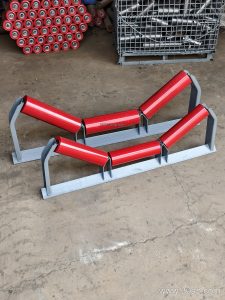
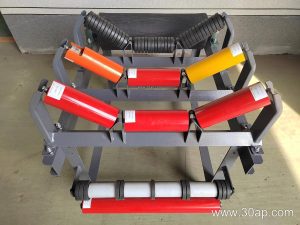
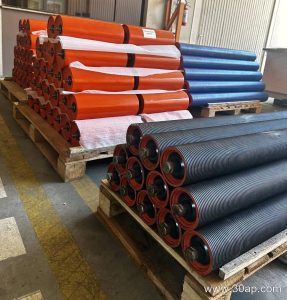
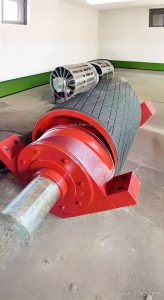
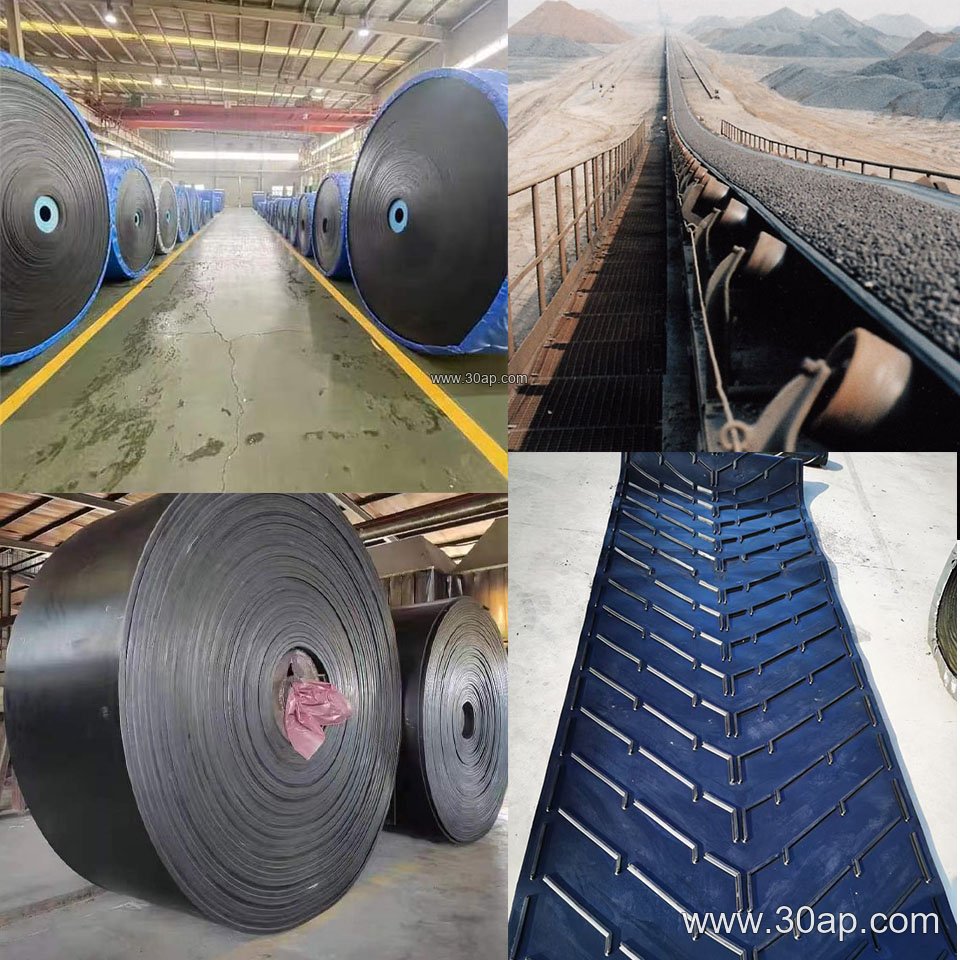
An NN100 belt is at home on medium-length bulk material conveyors in a quarry, sand and gravel plant, cement plant, power plant, foundry or general factory floor. It works well on a conveyor fitted with idler roller sets, a head conveyor pulley, a tail pulley and a bend pulley, where the belt must flex repeatedly around relatively small diameters. In mining and coal handling, a Flame Retardant Conveyor Belt or an anti-static variant may be required by site rules, while a standard NN100 belt suits non-hazardous duties.
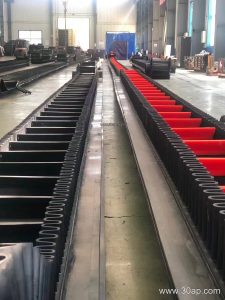
For very abrasive stone or ore, an Abrasion Resistant Conveyor Belt grade is often worth considering. For hot clinker or cement, a Heat Resistant Conveyor Belt is the relevant comparison. Users who need higher tension in the same fabric family may look at NN200 Conveyor Belt or NN300 Conveyor Belt, while those moving to steel reinforcement move to a Steel Cord Conveyor Belt. A Chevron Conveyor Belt or Corrugated Sidewall Conveyor Belt solves incline and material-spill problems that a flat belt cannot.
Common Reference Data
The following values are typical reference ranges, not fixed supply promises. Final construction is confirmed by design for each conveyor.
| Item | Typical reference |
|---|---|
| Strength class | NN100, with NN200 and NN300 as higher classes |
| Belt width | B500, B650, B800, B1000, B1200, B1400, B1600 |
| Cover thickness | 3+1.5 mm, 4+2 mm, 5+2 mm, 6+2 mm |
| Carcass plies | 2 to 6 plies, depending on duty |
| Surface form | Plain, chevron or sidewall, as required |
Widths such as 650mm Conveyor Belt, 800mm Conveyor Belt and 1000mm Conveyor Belt are common in aggregate and cement plants. A 1200mm Conveyor Belt or 1400mm Conveyor Belt appears on larger trunk conveyors. Belt width and pulley diameter are matched by conveyor design, so no single width should be assumed to fit one pulley size.
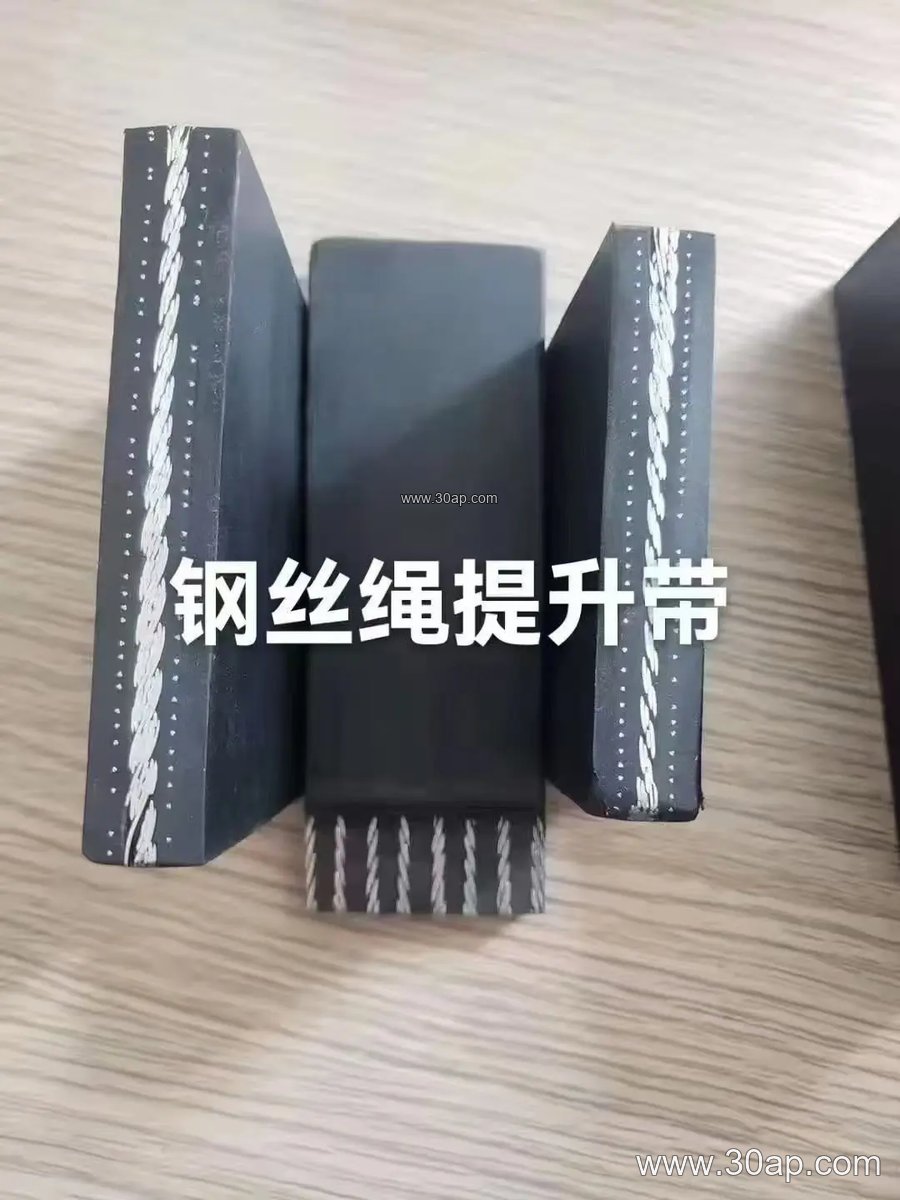
What a Buyer Should Check
Start with the duty: material type, lump size, tonnage per hour, incline and ambient temperature. Then confirm the required cover grade, such as abrasion resistant, oil resistant or cold resistant, and whether flame retardancy is mandatory. Check the pulley diameters, trough angle and transition distance, because a stiff heavy belt and a flexible NN100 belt behave differently there. Ask how the belt will be spliced, since an Endless Conveyor Belt or a properly vulcanized joint reduces downtime.
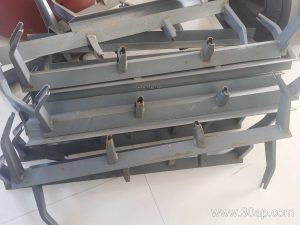
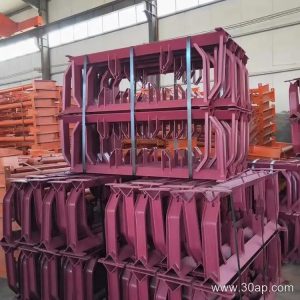
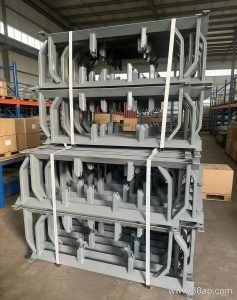
Also review the whole conveyor line, not just the belt. Worn idler roller bearings, misaligned conveyor bracket frames and damaged pulley lagging shorten belt life quickly. A spare belt stored flat, dry and away from sunlight will last longer before installation.
Maintenance Notes
Track belt edge wear, cover gouges and splice condition at each shutdown. Keep the tail pulley and bend pulley clean, check idler roller rotation, and correct mistracking early. Small repairs on an NN Conveyor Belt are usually cheaper than a full replacement, and a maintenance log helps reveal whether the problem is the belt or the conveyor structure around it.