What a Coal Conveyor Idler Does on the Line
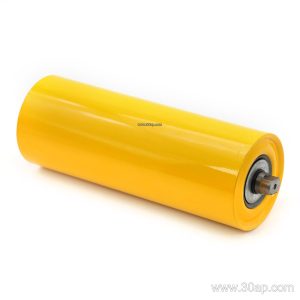
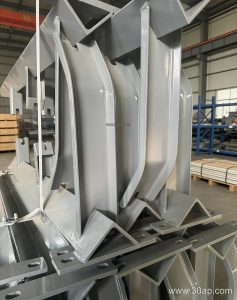
A coal conveyor idler is the rotating roller that supports the conveyor belt along its carrying and return runs. In a coal handling system, these idlers keep the belt aligned, reduce friction, and help control material spillage. They are part of a broader conveyor structure that includes the conveyor pulley, conveyor bracket, and the belt itself. While drive, tail, and bend pulleys transmit power and change belt direction, the idler roller simply carries the load and lets the belt move smoothly. That distinction matters when specifying parts, because a pulley and an idler are not interchangeable.
Construction and Common Surface Forms
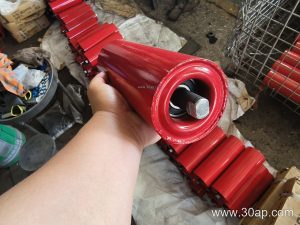
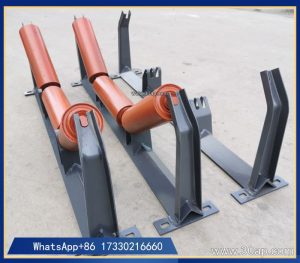
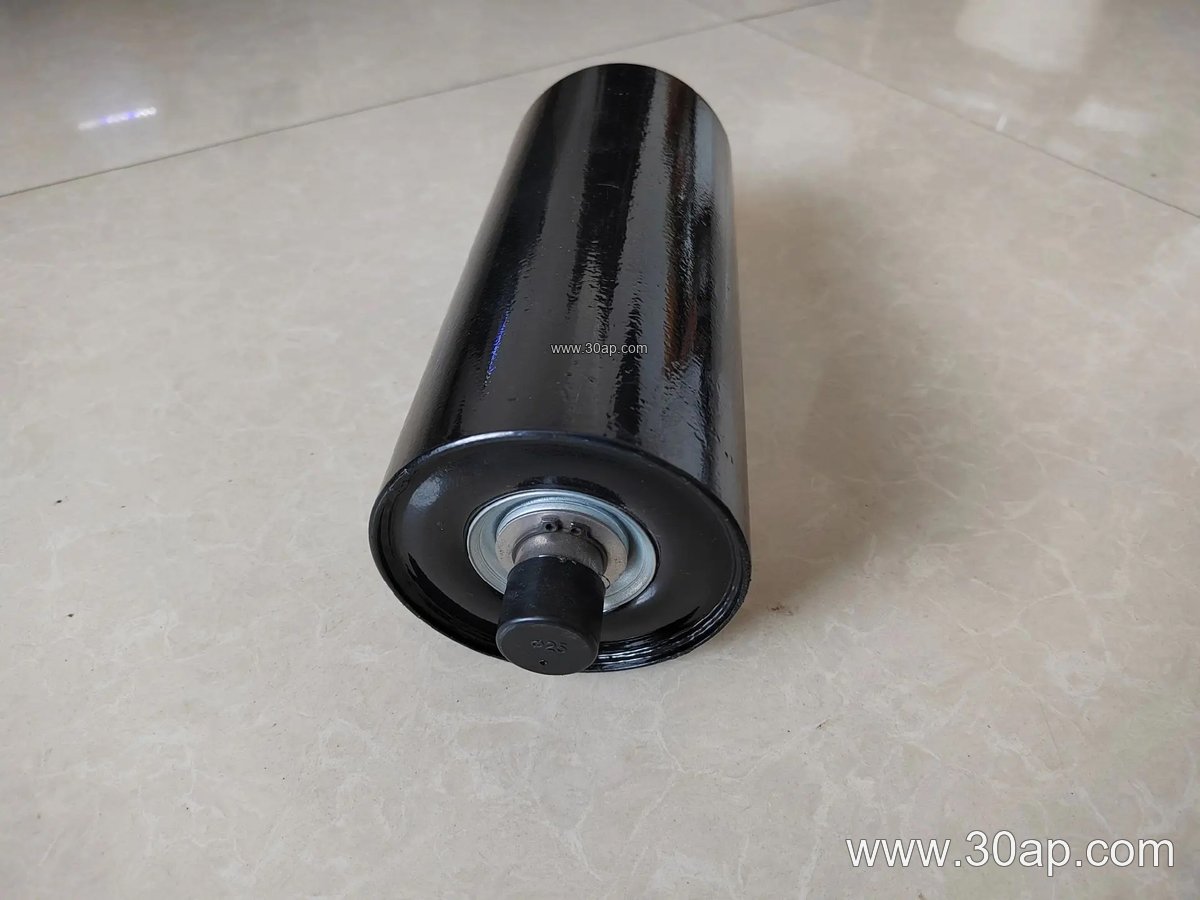
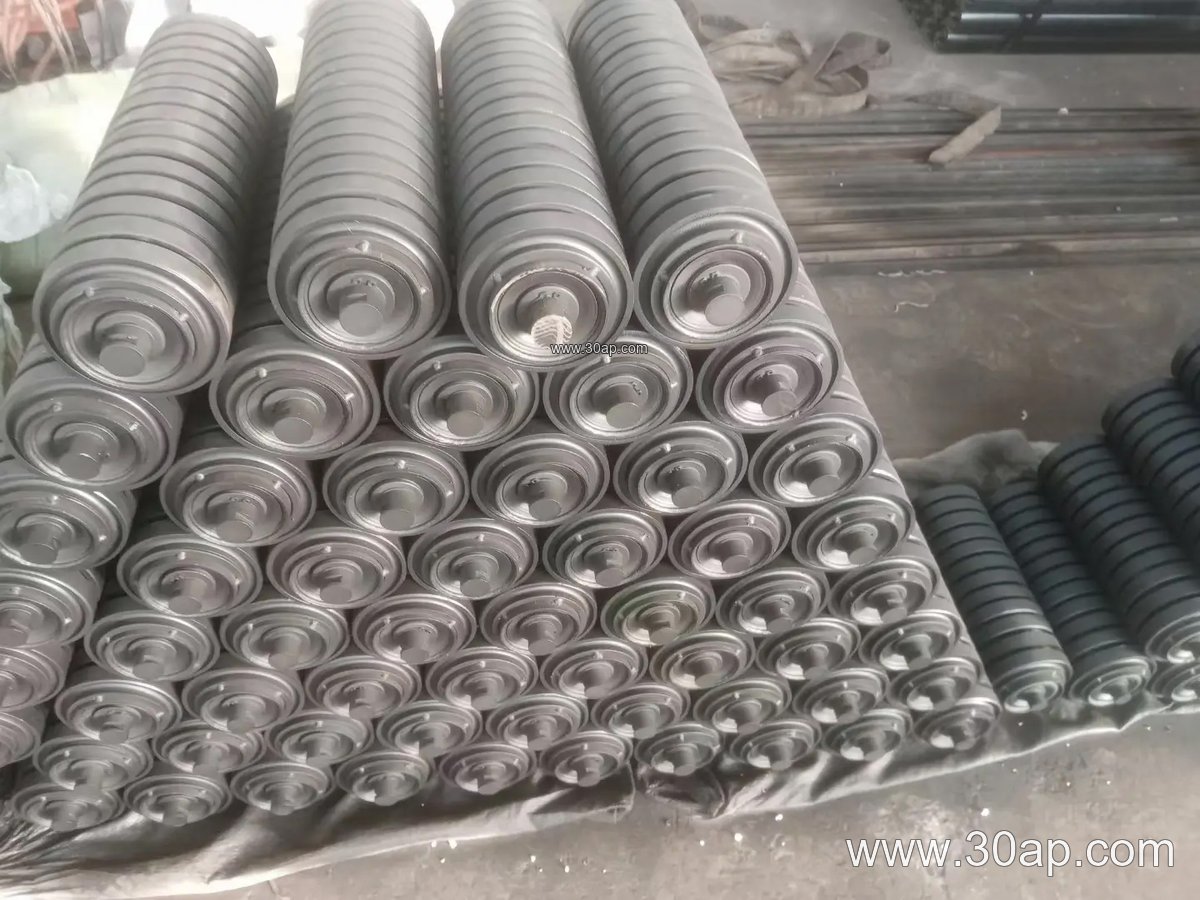
A typical coal conveyor idler uses a steel tube shell, bearing housings, and a shaft. The roller surface may be plain steel, nylon, ceramic, or rubber-covered. Rubber rings are often chosen on impact zones where coal lumps fall onto the belt. Bearing sizes such as 6204, 6205, 6305, 6306, 6308, and 6310 appear in common designs, but the bearing should be matched to the actual load and speed by the conveyor designer. Sealing is critical in coal dust environments; good labyrinth seals help keep fines out of the bearing cavity.
Where Coal Idlers Are Used
These idlers appear in coal mines, washing plants, power station coal yards, and port stockyards. In a coal mining conveyor belt system, troughing idlers support the loaded belt on the carry side, while return idlers support the empty belt underneath. In a power plant coal handling line, the same rollers help move fuel from unloading points to bunkers. The working environment is often dusty and abrasive, so abrasion resistant conveyor belt and flame retardant conveyor belt grades are frequently paired with robust idler frames.
Common Idler Types and Arrangements
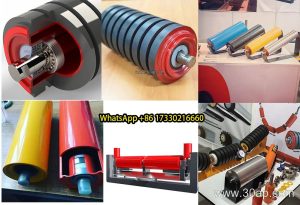
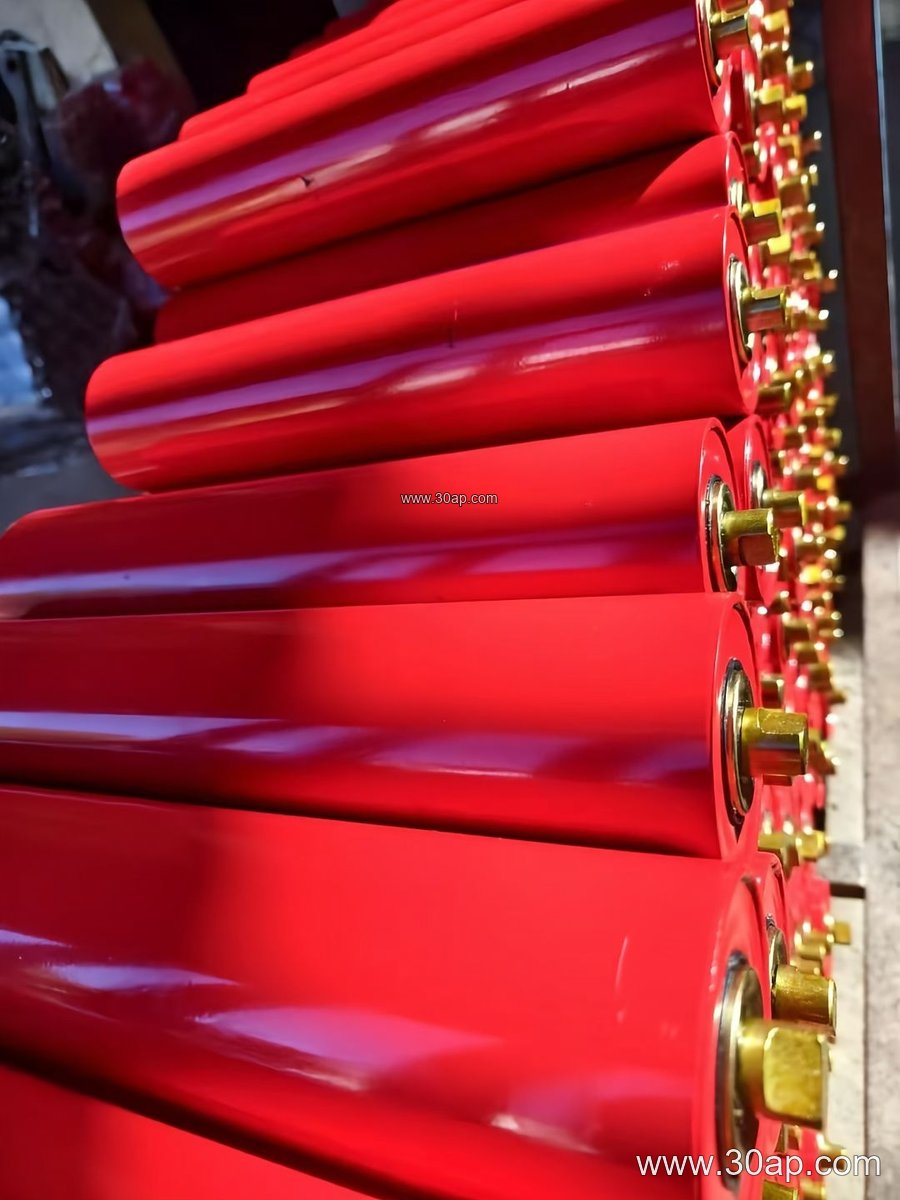
Selection starts with the belt width and the job the idler performs. Troughing idlers are usually supplied as single-roller, two-roll, or three-roll sets. Three-roll troughing sets are common on wider belts, with trough angles of 20, 30, 35, or 45 degrees. Transition idlers ease the belt from flat to troughed. Return idlers may be flat or V-shaped. Impact idlers with rubber rings are placed under loading points. Self-aligning idlers, including friction and tapered types, help correct belt drift. The table below gives common reference values, not fixed matches.
| Idler Type | Common Roll Diameter (mm) | Typical Belt Width Range | Note |
|---|---|---|---|
| Troughing idler, 3-roll | Ø89, Ø102, Ø108, Ø127, Ø133 | B500 to B1800 | Roll length varies with belt width and trough angle |
| Impact idler, rubber ring | Ø102, Ø108, Ø127, Ø133, Ø159 | B650 to B2000 | Used at transfer points |
| Return idler, flat or V-type | Ø89, Ø102, Ø108, Ø127 | B500 to B1600 | Supports empty belt |
| Self-aligning idler | Ø89, Ø108, Ø133 | B650 to B1400 | Helps control belt misalignment |
As an example of roll length, a three-roll troughing set on B800 may use rolls around 315 mm long, while B1200 may use rolls around 465 mm. Side rolls and center rolls can differ. These figures are common examples and should be confirmed against the actual conveyor design.
What Buyers Should Check
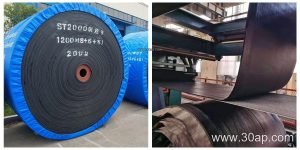
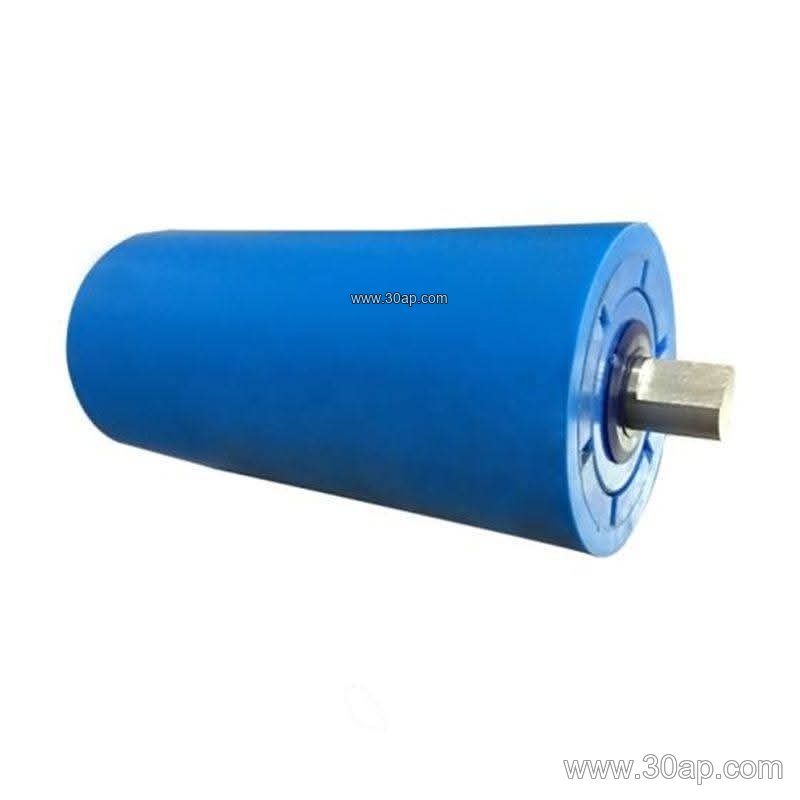
Before ordering a coal conveyor idler, confirm the belt width, trough angle, idler arrangement, roll diameter, shaft diameter, and bearing size. Ask about the sealing arrangement and the shell thickness for abrasive coal service. If the conveyor runs underground, check that the belt and idler components suit the local fire safety requirements. For a system using EP conveyor belt or steel cord conveyor belt, the idler spacing and load rating should be calculated from the belt tension and material weight, not assumed from belt width alone. A coal mining conveyor belt may be 1000mm or 1200mm wide, but the idler set must still match the frame and the load.
Maintenance and Replacement Notes
Inspect idlers for seized bearings, worn shells, and build-up of coal fines. Replace damaged rollers before they damage the belt edge. Keep spare troughing and return idlers on hand for critical lines. When replacing, match the idler type and dimensions to the original frame; do not substitute a conveyor pulley or a different bracket type. For more details on idler rollers, conveyor brackets, and related conveyor components, visit kundingconveyor.com.