What a Tapered Idler Does
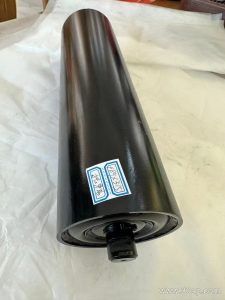
A tapered idler is a self-aligning idler roller whose shell is machined or formed into a gentle cone. The larger diameter sits toward the center of the conveyor and the smaller diameter toward the edge, or the taper runs in the opposite direction depending on the tracking correction required. This shape produces a small differential surface speed across the belt width, which nudges a drifting conveyor belt back toward the center line. In bulk handling plants, a tapered idler is often used as a training idler on the carry side, where misalignment causes edge damage and spillage.
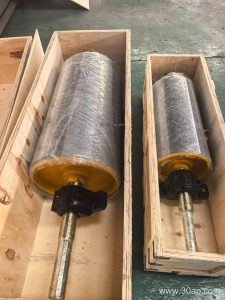
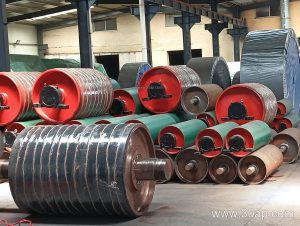
The product is also called a conical self-aligning idler or taper training idler. It is not a drive pulley, tail pulley, or bend pulley; those are conveyor pulleys that transmit power or change belt direction. A tapered idler is a rotating support that also corrects belt tracking.
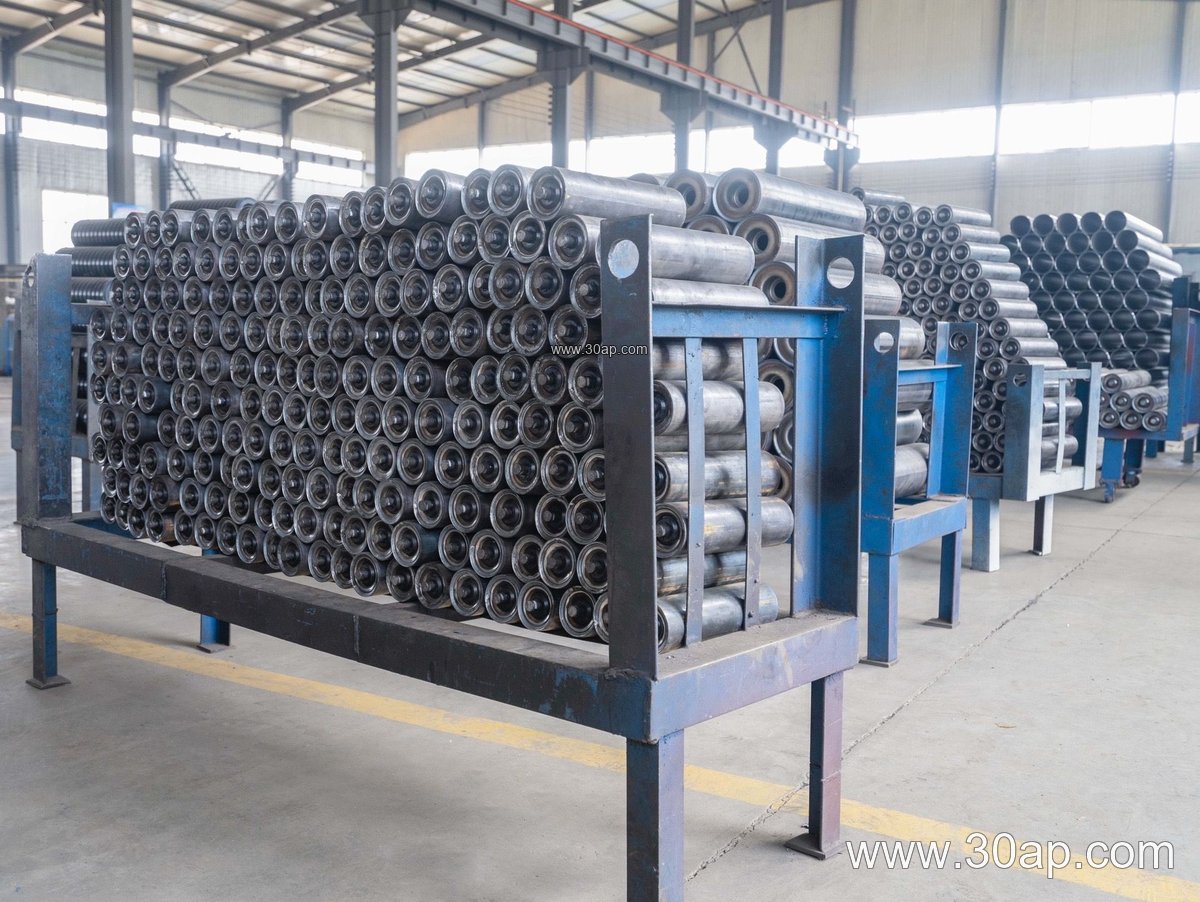
Construction and Mounting
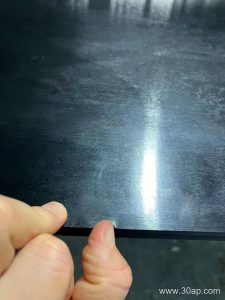
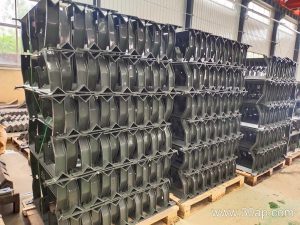
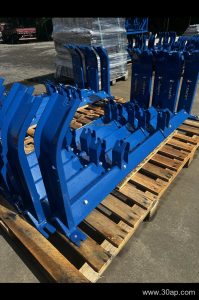
A typical unit combines a tapered steel shell, a through shaft, sealed bearing housings, and a mounting bracket that allows the idler to pivot slightly. The bracket may be a fixed frame or a swivel arrangement that responds to belt edge contact. Roll face options include plain steel, nylon, and rubber lagging for grip and wear protection. Common bearing sizes used in idler rollers include 6204, 6205, 6305, 6306, 6308, and 6310; the bearing is selected by load and shaft design, not by belt width alone.
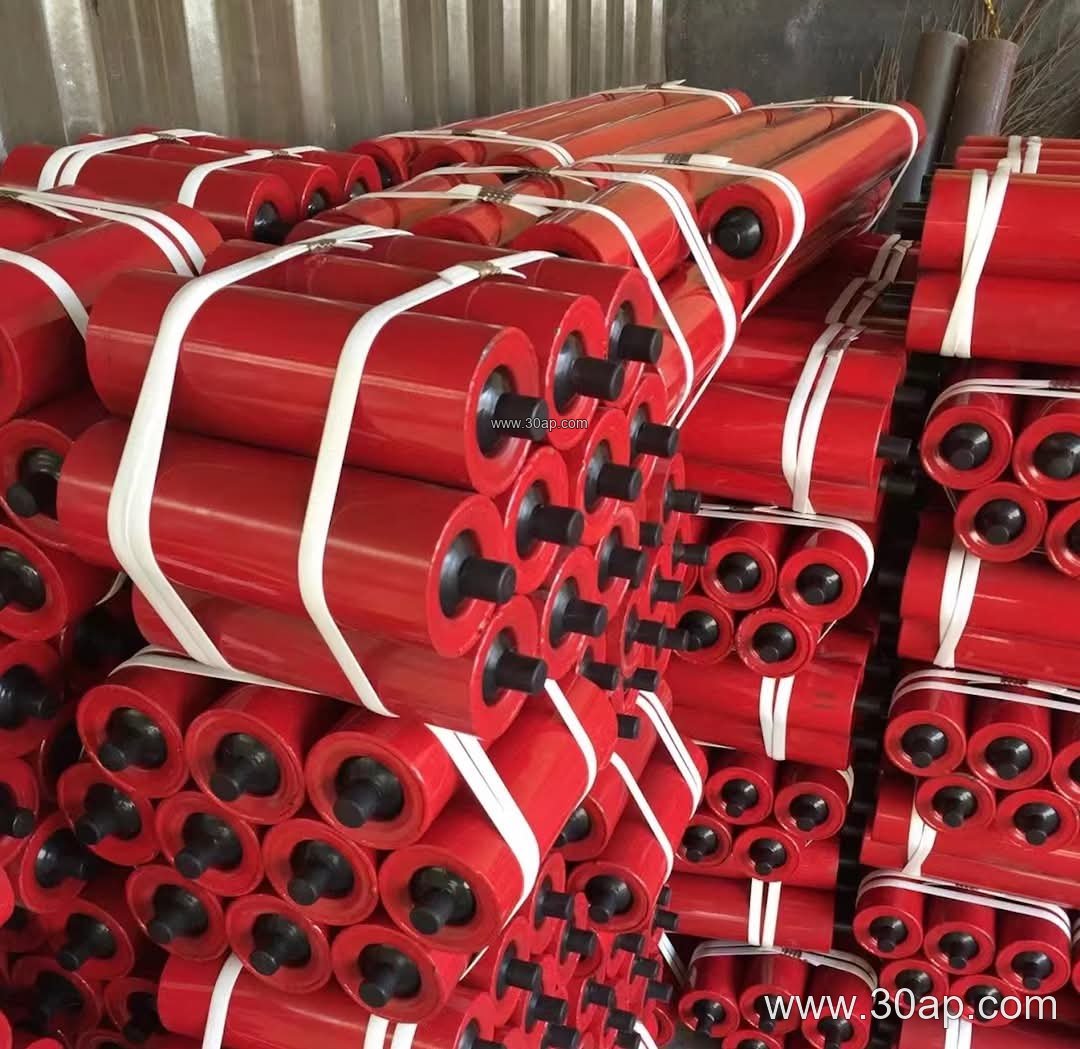
Tapered idlers usually appear in pairs or as part of a training station. The pivot axis and the taper angle work together, so the mounting bracket must be aligned square to the conveyor center line. On a coal mining conveyor belt or a quarry conveyor belt, a small tracking error can quickly wear the edge; a tapered idler gives the operator a mechanical correction that does not rely on sensors.
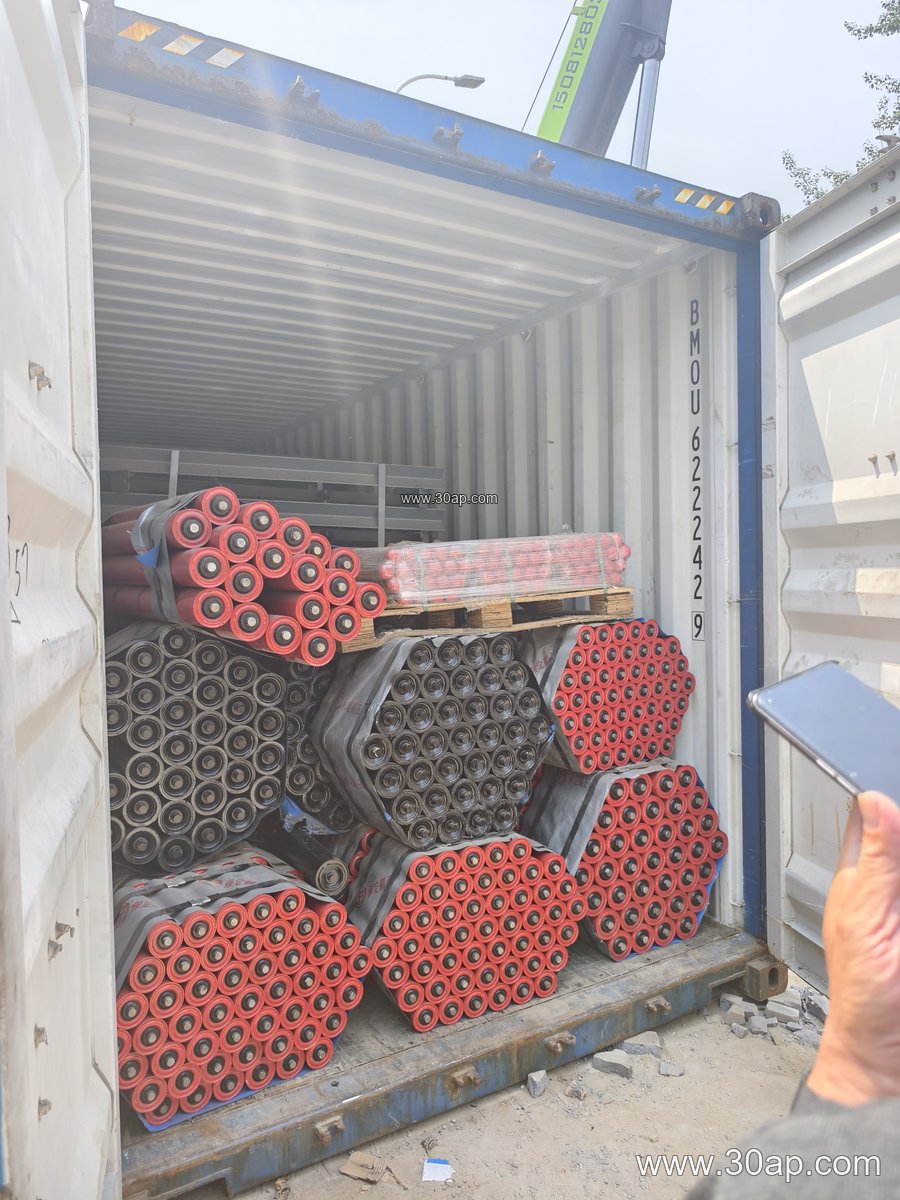
Where It Fits on the Conveyor
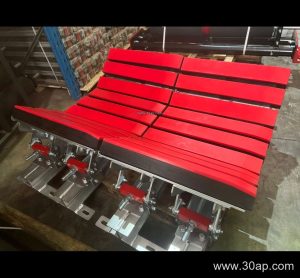
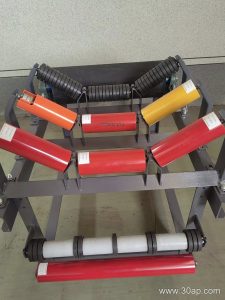
These idlers are most often installed on the carry side, a few belt widths before a transfer point or a conveyor pulley. They can also be used on the return side in special training arrangements, but the return strand usually uses a plain return roller or a V-return idler. A tapered idler should not be confused with a transition idler, which supports the belt as it changes trough angle near a pulley, or with a buffer idler, which absorbs impact at a loading point. Each has a different job.
In a cement plant, a power plant coal yard, or an iron ore terminal, the tapered idler is a small component with a large effect on belt life. It helps keep an EP conveyor belt or a steel cord conveyor belt centered on the structure, reducing contact with the conveyor bracket and the frame.
Common Dimensions and Selection Notes
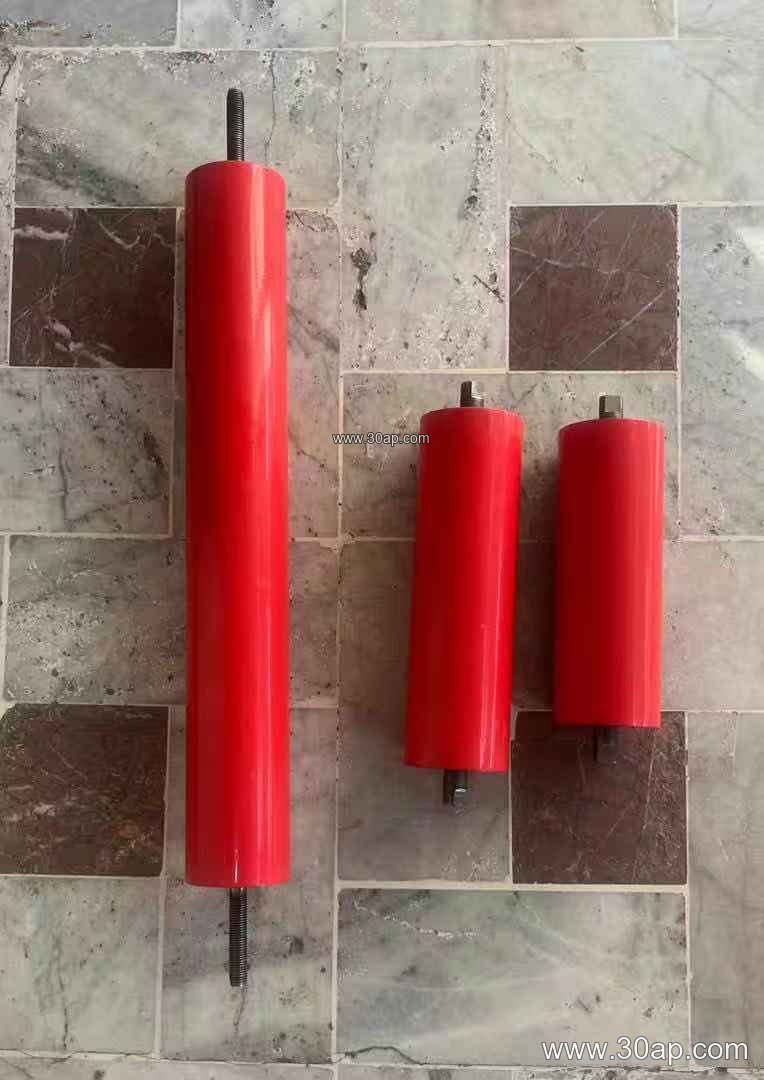
Idler diameter and belt width are related to load and belt stiffness, but there is no single rule that one belt width must use one pulley diameter. The table below lists common reference values; final sizes are confirmed by the conveyor designer.
| Reference item | Common range or example |
|---|---|
| Idler diameter | Ø63, Ø76, Ø89, Ø102, Ø108, Ø127, Ø133, Ø159, Ø178, Ø194, Ø219 mm |
| Belt width | B400, B500, B650, B800, B1000, B1200, B1400, B1600, B1800, B2000, B2200, B2400 |
| Trough angle | 20°, 30°, 35°, 45° |
| Roll surface | Steel tube, nylon, ceramic, rubber ring |
| Bearing examples | 6204, 6205, 6305, 6306, 6308, 6310 |
Roll length changes with belt width, trough angle, and idler arrangement. For a three-roll troughing set, common roll lengths are about 200 mm for B500, 250 mm for B650, 315 mm for B800, 380 mm for B1000, 465 mm for B1200, 530 mm for B1400, 600 mm for B1600, 670 mm for B1800, and 750 mm for B2000. These are examples only; side rolls and center rolls can differ.
Buyer Checklist
- Confirm the belt width, trough angle, and whether the idler is for training or for plain support.
- Check the shaft diameter and bearing seat against the existing conveyor bracket.
- Ask for the taper direction and the mounting orientation, since a reversed taper can worsen tracking.
- Match the roll surface to the duty: rubber for grip and noise reduction, nylon for light abrasive service, steel for general bulk Material.
- Review the conveyor belt type and condition. A worn or mistracked rubber conveyor belt may need edge repair before a new tapered idler can work well.
For a coal mining conveyor belt or a heavy-duty mining conveyor belt, the idler should be selected with the same care as the conveyor pulley and the frame. A tapered idler is a practical tracking aid, but it works best when the belt is properly spliced, the structure is square, and the loading point is centered. More conveyor components and technical notes are available at www.conveyorbeltidler.com for belt, idler roller, and pulley selection.