What a Coal Mine Belt Conveyor Pulley Does
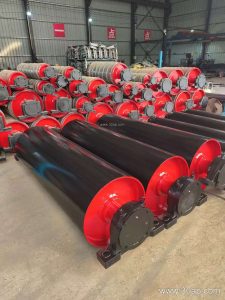
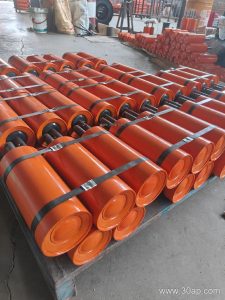
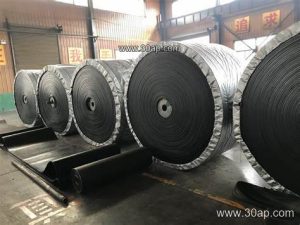
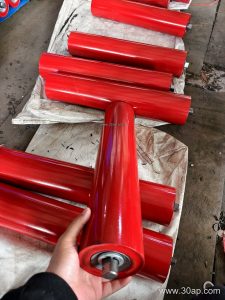
A coal mine belt conveyor pulley is the rotating drum that carries, drives, tensions or redirects the conveyor belt along a mining conveyor system. In an underground coal mining conveyor or a surface coal handling line, the pulley transfers motion from the drive unit to the belt and keeps the belt tracking through the structure. It is a core component alongside the conveyor belt, idler roller, conveyor bracket and frame, and its condition directly affects belt life and system uptime.
The same product is also called a conveyor drum or belt conveyor drum. Position matters: drive pulleys, tail pulleys and bend pulleys are not interchangeable names. A drive pulley transmits torque at the head, a tail pulley returns the belt at the discharge end, and a bend pulley changes belt direction without driving. Each has its own load case and surface requirement.
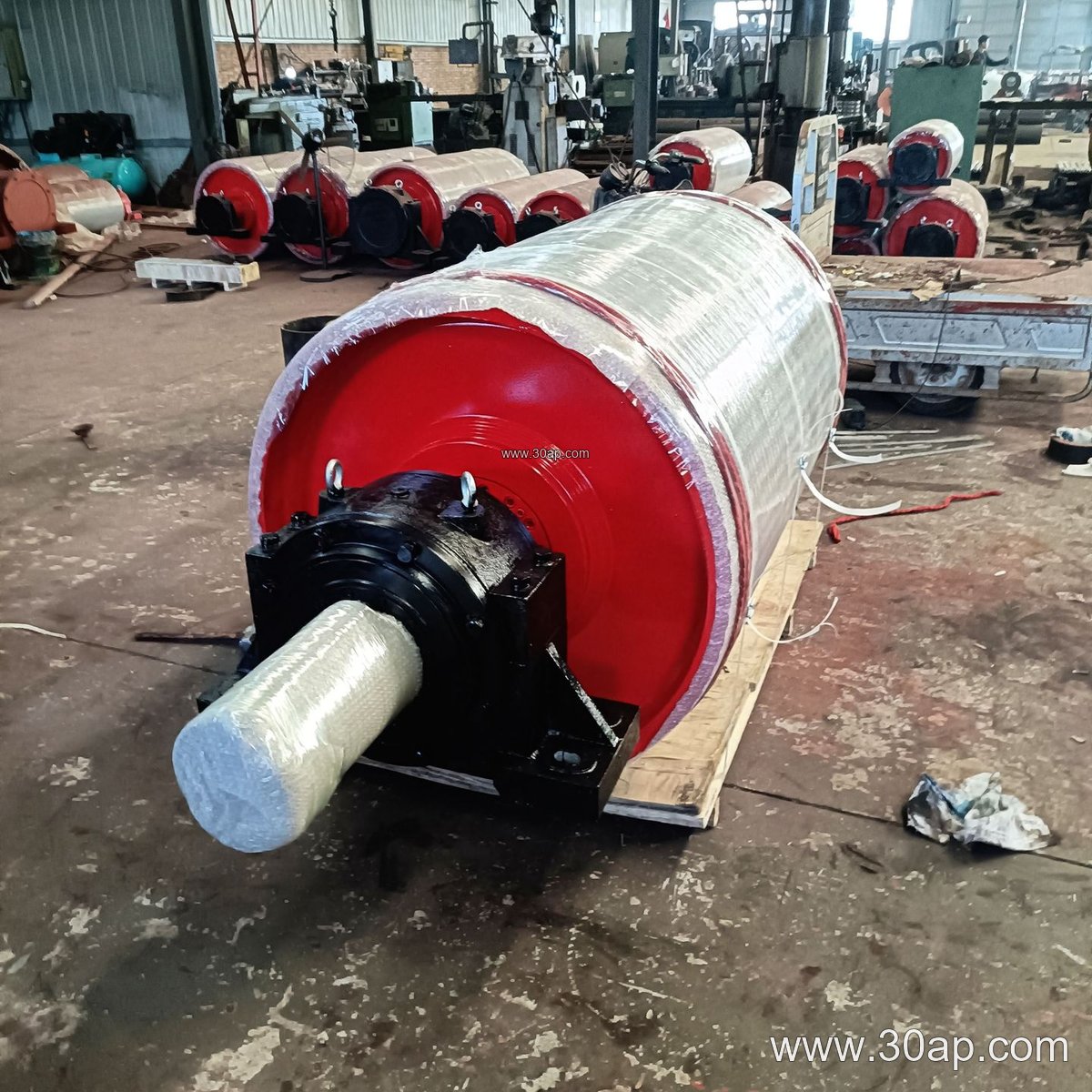
Construction and Surface Options
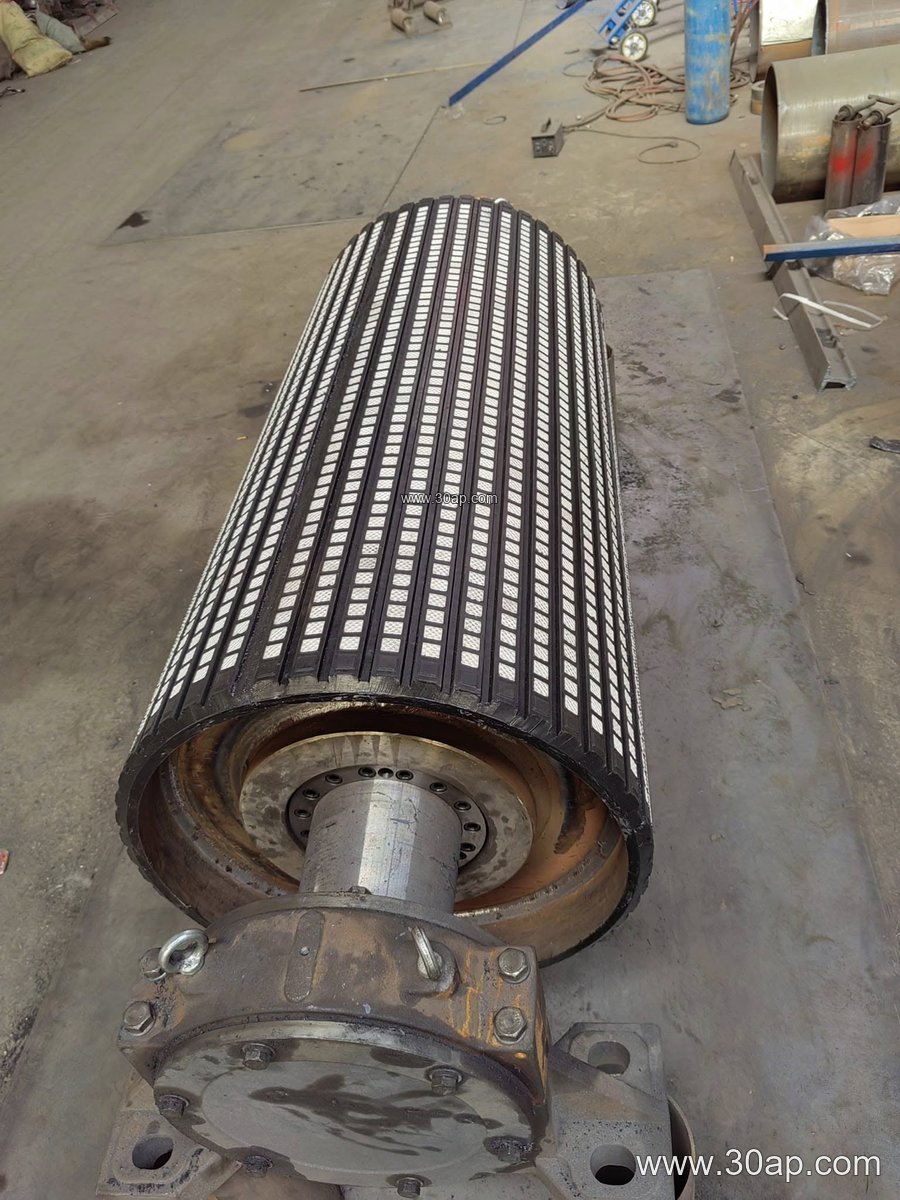
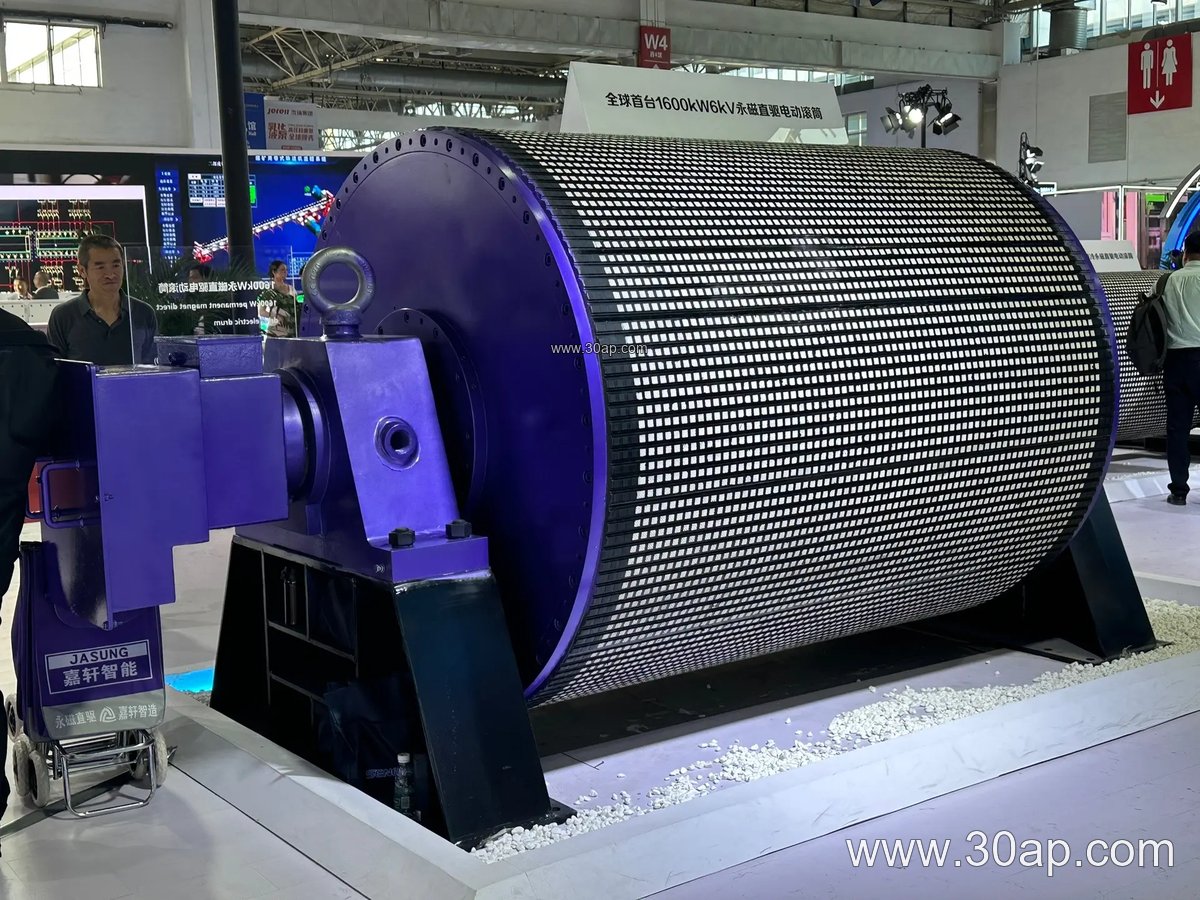
Most units are built from a steel shell, a shaft, end discs and a hub, with bearing housings mounted on the conveyor bracket. The shell is machined and then covered with a rubber or ceramic lagging to raise friction and protect the belt. Lagging may be plain, diamond grooved, herringbone grooved or ceramic faced, with common thicknesses of 8, 10, 12, 15 or 20 mm. In coal mining, flame retardant and anti-static properties are often requested for both the lagging and the conveyor belt, so buyers should confirm these requirements with the supplier.
Typical Reference Combinations
The table below shows common design pairings, not fixed rules. A given belt width can work with several pulley diameters depending on torque and belt tension.
| Belt Width | Typical Pulley Diameter | Common Shaft Diameter |
|---|---|---|
| B800 | Ø500, Ø630 | Ø80–Ø120 |
| B1000 | Ø630, Ø800 | Ø100–Ø140 |
| B1200 | Ø800, Ø1000 | Ø120–Ø160 |
| B1400 | Ø800, Ø1000, Ø1250 | Ø140–Ø180 |
| B1600 | Ø1000, Ø1250 | Ø160–Ø200 |
| B1800 | Ø1250, Ø1400 | Ø180–Ø200 |
Shell face width is usually a little wider than the belt, for example about 950 mm for B800 and about 1400 mm for B1200. Shaft diameter should be calculated from torque and load, never copied from belt width alone.
Where It Fits in Coal Handling
These pulleys are used in underground coal mining conveyors, wash plants, power plant coal yards and port bulk terminals. A heavy-duty mining conveyor moving coal from a crusher to a stockpile may use a large drive pulley with diamond lagging, while a short transfer conveyor might use a compact tail pulley with plain rubber. In a coal preparation plant, a bend pulley helps route the belt around tight structures. Similar drums appear in limestone quarries, cement plants, iron ore and copper ore lines, and aggregate conveyor systems, though the duty cycle and lagging choice differ.
Selection and Maintenance Notes
- Match the pulley to the belt type: an EP conveyor belt, steel cord conveyor belt or PVG conveyor belt each has different tension and elongation behavior.
- Confirm lagging hardness, groove pattern and flame retardant grade for the local environment.
- Check bearing size, sealing and lubrication interval for dusty coal service.
- Inspect shell wear, lagging wear and shaft alignment during scheduled shutdowns.
- Keep the belt cleaner and idler roller set in good order to reduce pulley load.
For more information on matching drums with conveyor belts, idlers and brackets, visit conveyorpulley.example.com and review the coal mining conveyor belt and drum selection notes.