What a Rubber Disc Idler Does on a Conveying Line
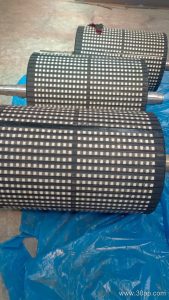
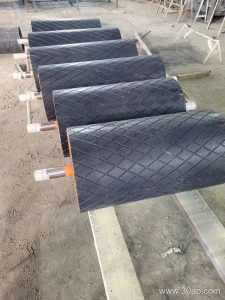
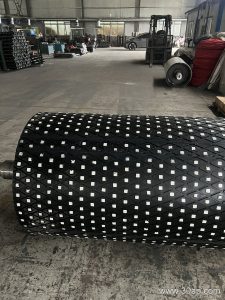
A rubber disc idler is an idler roller built with a series of resilient rubber rings or discs mounted along a steel shaft, rather than a single continuous steel shell. Each disc flexes slightly under load, so the roller absorbs the energy of falling material instead of passing it straight into the frame. In a quarry, a limestone mine, or a crushing and screening circuit, this cushioning behavior is the reason the component is often chosen for the loading point and other high-impact positions.
The same product is also described in the field as a rubber ring idler or rubber disc roller. These are equivalent names for the same item; they are not interchangeable with grooved idlers, spiral idlers, or self-aligning designs.
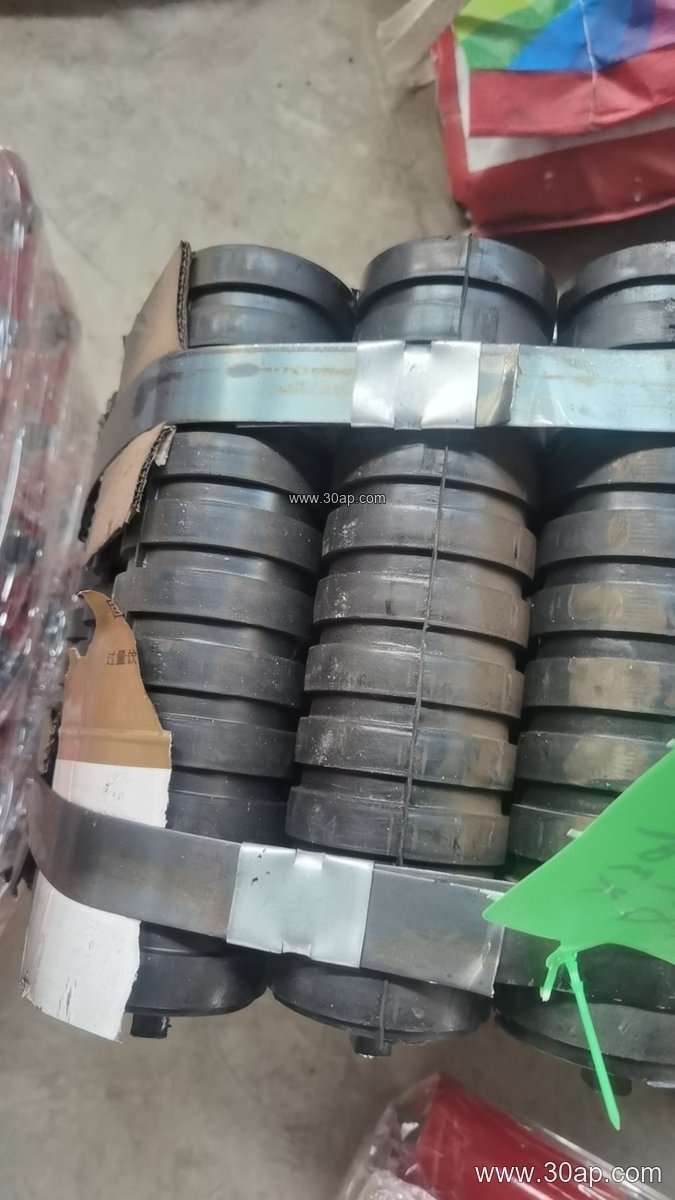
Construction and Surface Details
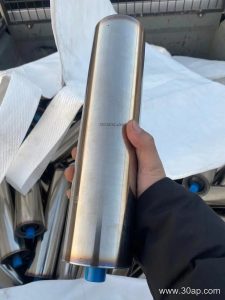
Most units combine a steel shaft, sealed bearing housings at each end, and a set of rubber discs pressed or bonded onto a core. The discs are usually spaced at regular intervals, and the gap between them lets fines fall away instead of packing around the shell. Bearing selection follows the load and speed of the installation; common sizes include 6204, 6205, 6305, 6306, 6308, and 6310, but no single bearing is tied to one roller diameter.
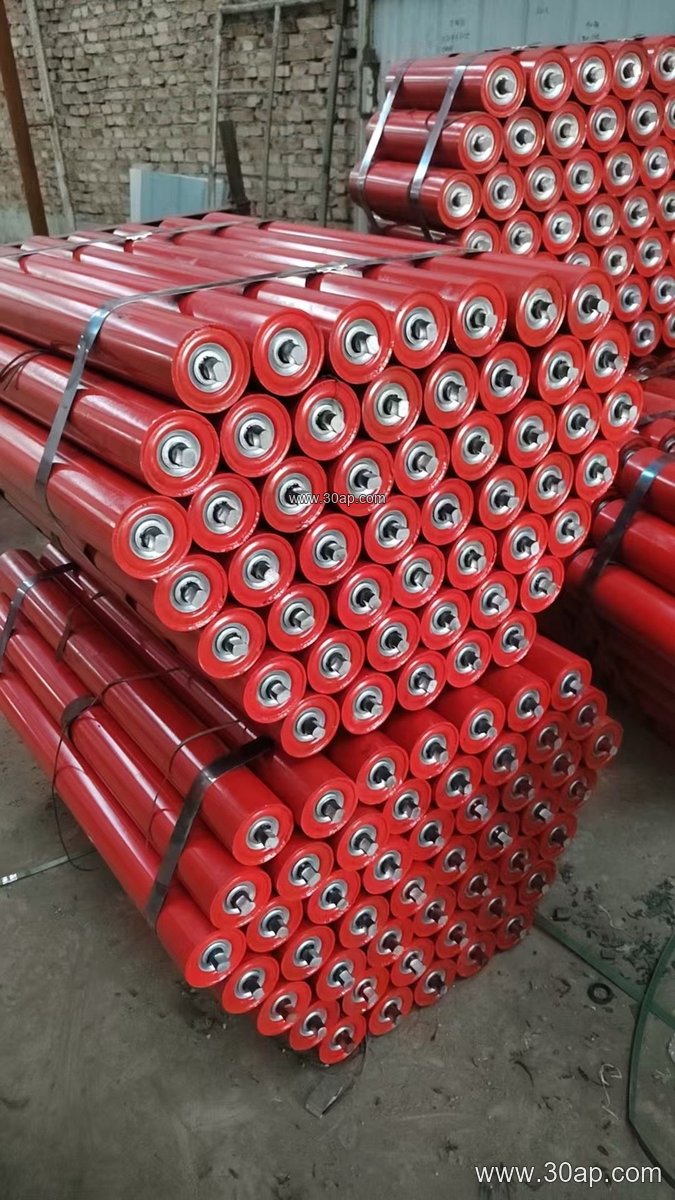
Roller diameters for conveyor idlers commonly range from Ø63 and Ø76 up to Ø159, Ø178, Ø194, and Ø219, with Ø89, Ø102, Ø108, Ø127, and Ø133 among the everyday sizes. The right diameter depends on belt speed, load, and the space available under the belt line, so it should be confirmed against the conveyor design rather than assumed.
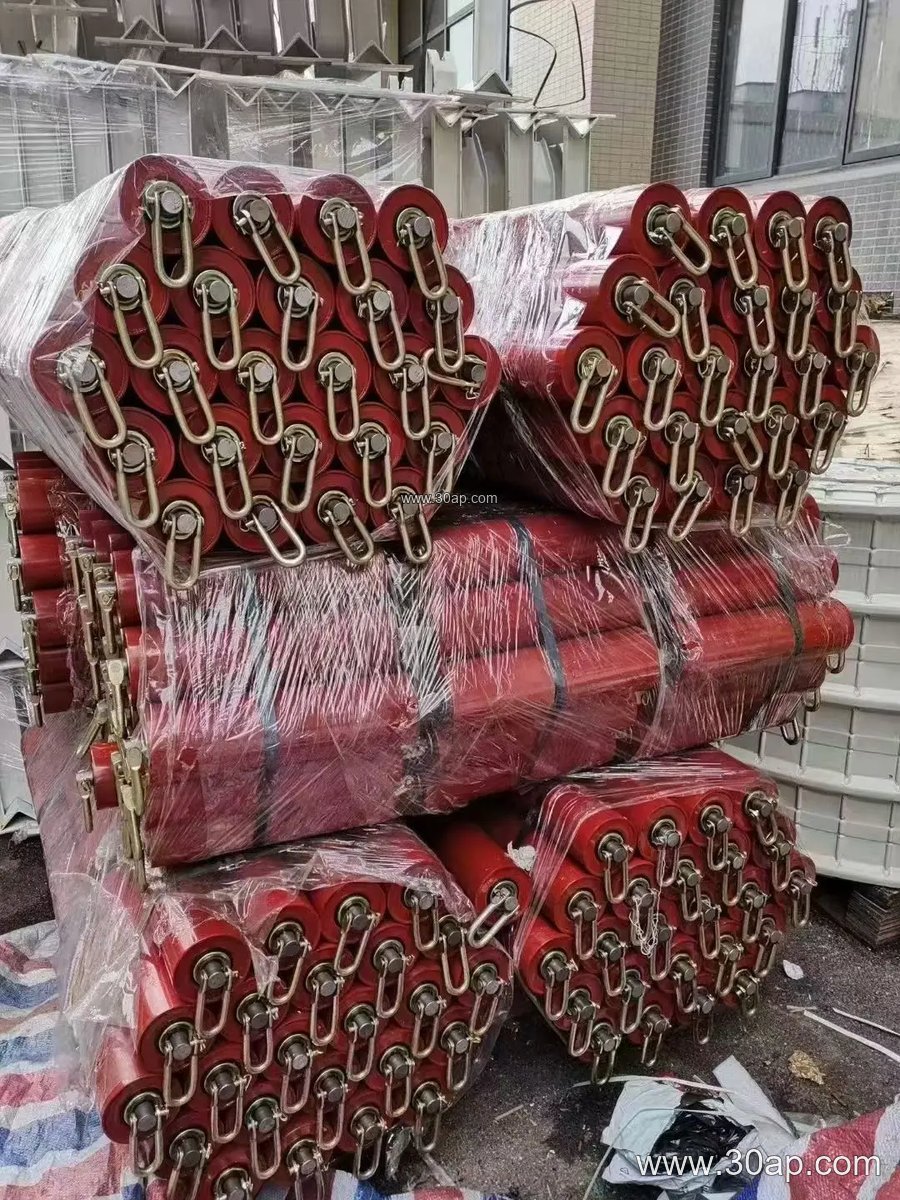
| Parameter | Typical reference values |
|---|---|
| Roller diameter | Ø63, Ø76, Ø89, Ø102, Ø108, Ø127, Ø133, Ø159, Ø178, Ø194, Ø219 |
| Belt width | B400, B500, B650, B800, B1000, B1200, B1400, B1600, B1800, B2000, B2200, B2400 |
| Bearing | 6204, 6205, 6305, 6306, 6308, 6310 |
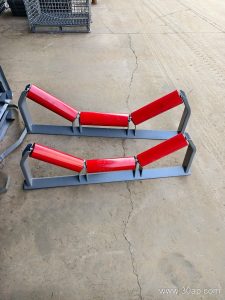
| Trough angle (where used in a set) | 20°, 30°, 35°, 45° |
Disc thickness, hardness, and spacing are usually set by the manufacturer for the intended duty. Softer compounds give more cushioning but wear faster under sharp, hot, or oily material, so the compound should match the cargo.
Where It Fits in a Bulk Handling System
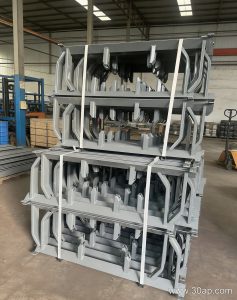
The most common position is the impact zone below a transfer chute, where a conveyor belt receives crushed rock, ore, or clinker. A rubber disc idler is also used in some return-side positions where sticky material tends to build up on a plain shell. It works alongside the conveyor pulley at the head or tail, the conveyor bracket that holds the idler frame, and the belt itself, which may be an abrasion resistant conveyor belt, a flame retardant conveyor belt for coal handling, or a heat resistant conveyor belt near hot material.
Typical workplaces include aggregate plants, cement kiln lines, power station coal yards, iron ore and copper ore handling, and port loading systems. In each case the goal is the same: reduce shock loading on the belt and frame without blocking the material path.
Selection Points for Buyers
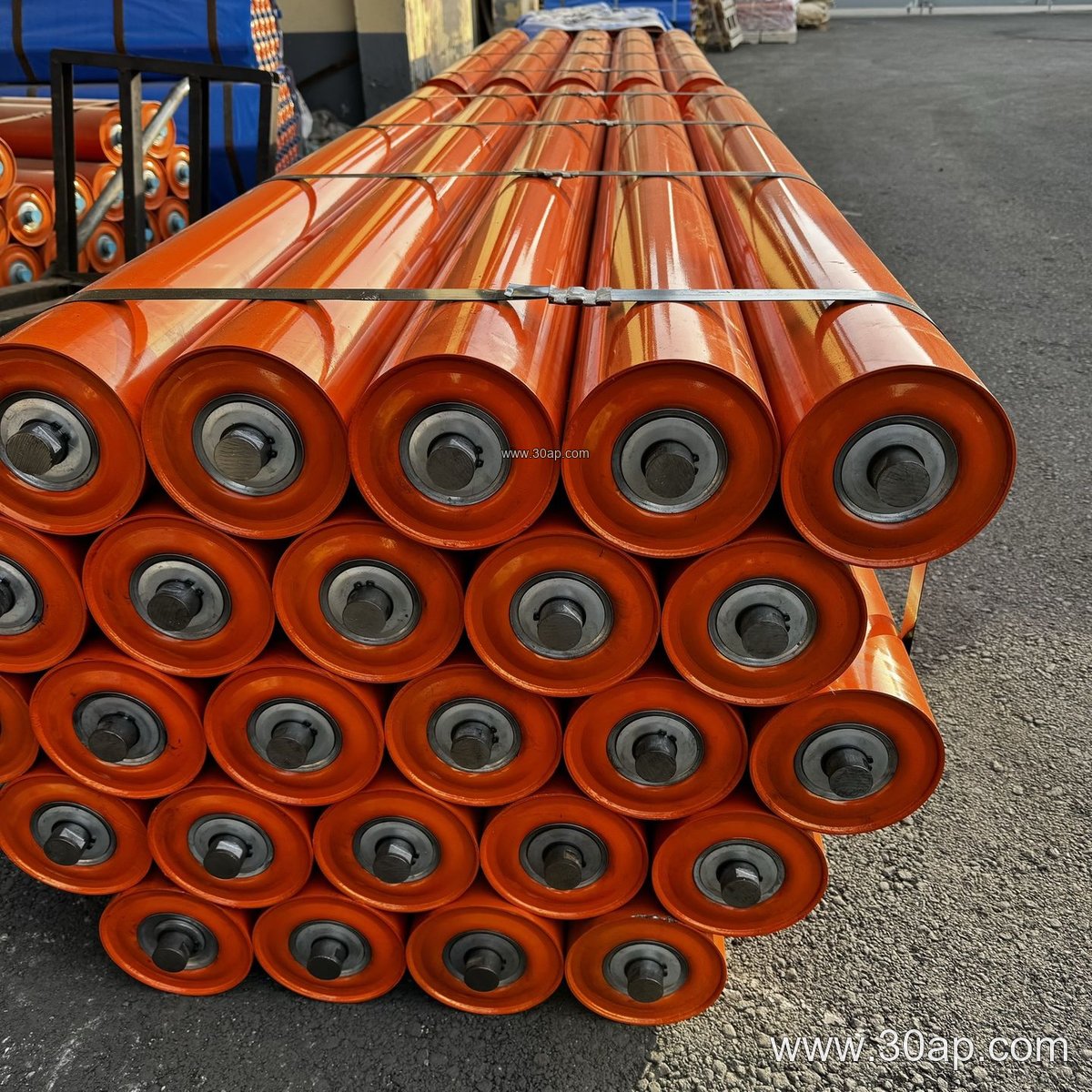
- Confirm the belt width and the trough angle of the existing idler set before ordering; roller length changes with belt width, trough angle, and frame form, and side rollers may differ from the center roller.
- State the lump size, drop height, and material temperature at the loading point, since these drive disc hardness and thickness.
- Check shaft end fixing and frame spacing against the current conveyor bracket so the replacement drops in without modification.
- Ask how the discs are secured and whether individual discs can be replaced, which affects long-term maintenance in a dusty plant.
- For coal or underground work, confirm that the rubber compound and any antistatic requirement suit the local safety rules.
Maintenance is mostly inspection: watch for cracked or missing discs, worn bearing seals, and material trapped between rings. A disc idler that loses its cushioning will transfer impact to the belt cover, and on a heavy-duty mining conveyor belt that damage can shorten service life well before the carcass is worn out.
How It Compares With a Plain Steel Idler
A standard steel-shell impact idler is stiffer and generally cheaper, but it does less to soften the fall of large lumps. A rubber disc idler trades some of that rigidity for elasticity, which suits primary crushing stations and transfer points with high drops. For light, clean cargo the extra cushioning may not be needed, and a plain or grooved roller can be the more economical choice. Matching the roller type to the actual duty, rather than to habit, keeps both the belt and the frame working longer.