What an EP200 Conveyor Belt Is
An EP200 Conveyor Belt is a fabric core belt built on polyester warp and polyamide weft canvases. The “200” refers to the nominal tensile strength of the carcass, commonly expressed as 200 N/mm per ply. In practice this means a two-ply EP200 belt and a three-ply EP200 belt behave quite differently, so buyers should always confirm ply count along with the strength grade. Because the polyester warp limits elongation and the polyamide weft absorbs impact, this EP rubber conveyor belt sits in the medium-strength range, between light NN grades and high-tension steel cord constructions.
The same product is also sold as an EP fabric core conveyor belt or an EP conveyor belting, and these names describe the same polyester-polyamide carcass rather than a different belt type.
How the Belt Is Built
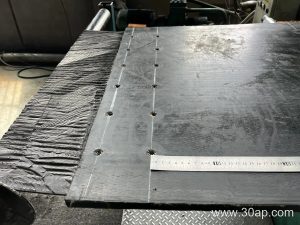
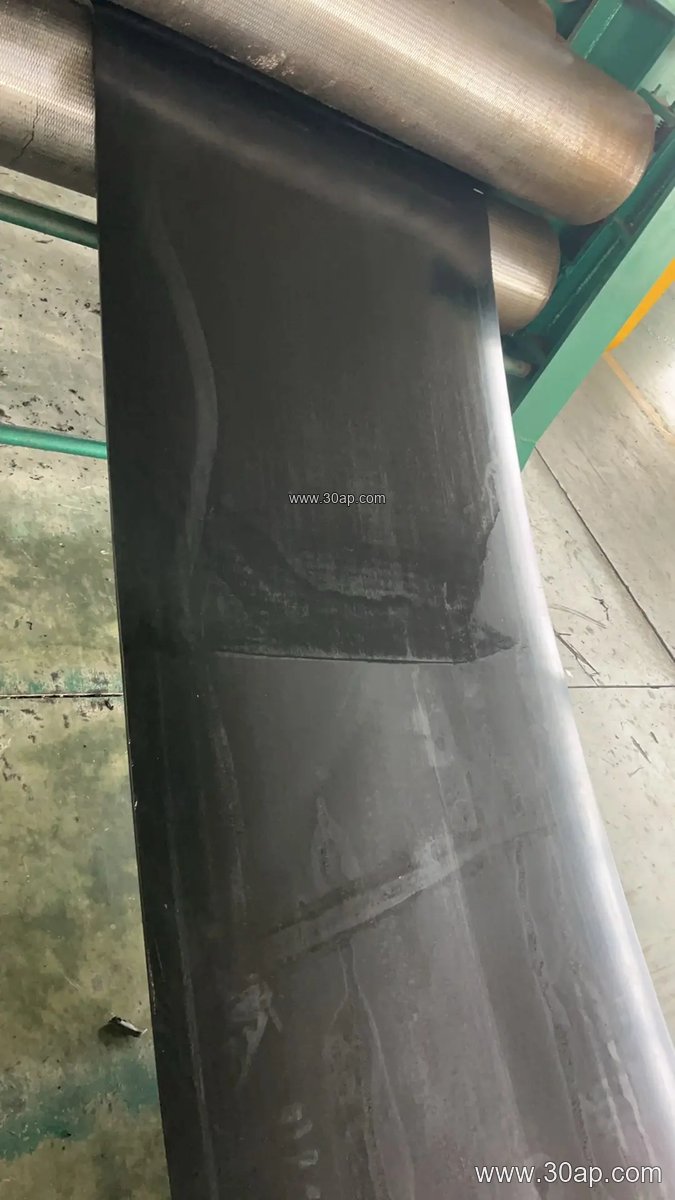
The carcass is the load-bearing element. EP fabric plies are calendered with rubber skim, assembled, and then bonded to top and bottom cover compounds under heat and pressure. Cover thickness is usually written as top plus bottom, for example 4+2 mm or 5+2 mm. A typical EP200 conveyor belt may use 2 to 4 plies depending on the required strength and the belt width.
- Carcass: polyester warp, polyamide weft, 2 to 4 plies common for EP200
- Cover rubber: abrasion resistant, heat resistant, oil resistant or flame retardant grades
- Edge: cut edge or molded edge, depending on manufacturer and application
- Optional features: chevron profile, corrugated sidewall, or anti-static compound
Edge construction matters on long conveyors. A cut edge is common and economical, while a molded edge can help resist fraying in wet or highly abrasive service.
Typical Working Conditions
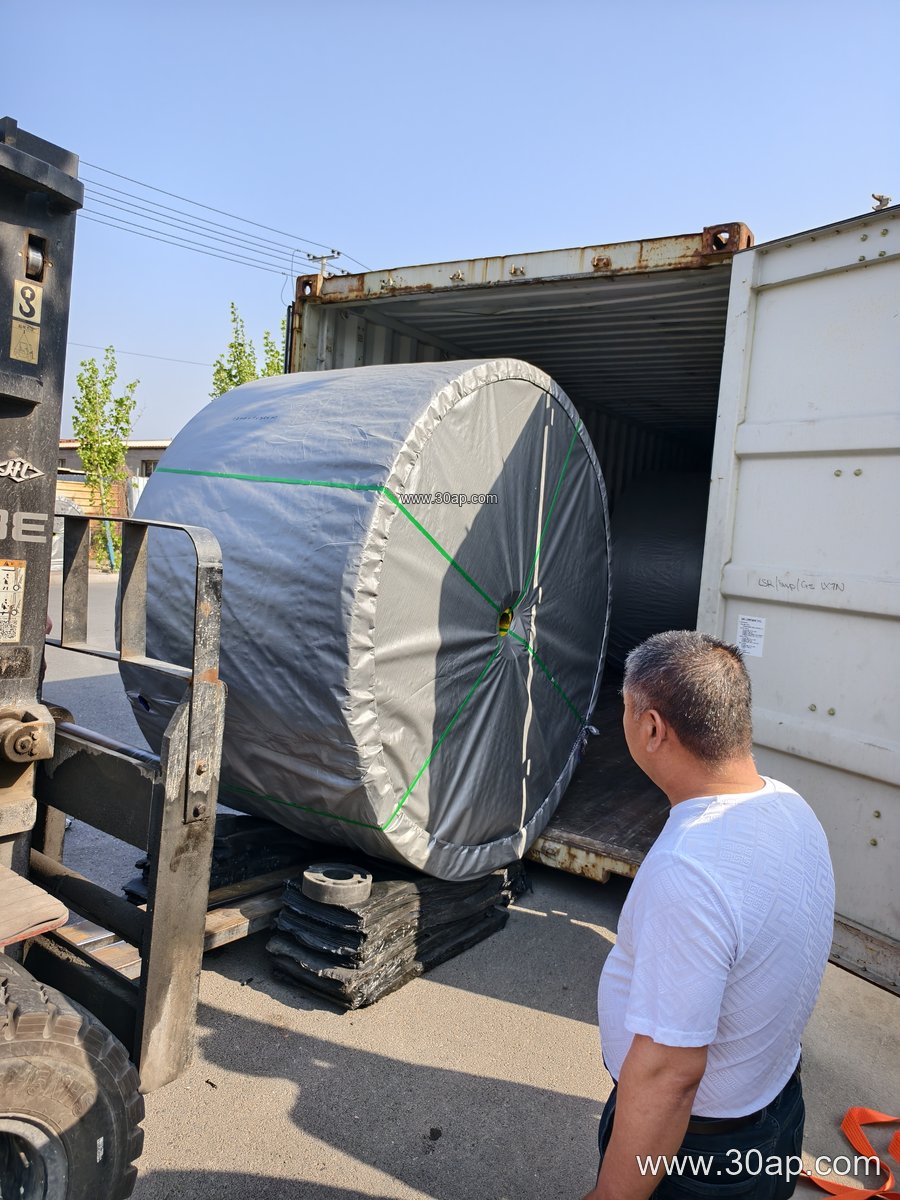
This belt is widely used in mines, coal preparation plants, cement works, power plants, quarries, sand and gravel yards, and port bulk terminals. A heavy-duty mining conveyor belt of this grade can carry crushed rock, ore, clinker and aggregate on inclined or horizontal runs. Where the material is hot, a heat resistant conveyor belt compound is chosen; where coal dust and methane are present, a flame retardant conveyor belt or fire resistant conveyor belt specification is normally requested.
For comparison only, an NN conveyor belt uses nylon in both warp and weft and stretches more under load, while a steel cord conveyor belt carries far higher tension in very long overland systems. Neither replaces the EP200 belt in its own working range. Users who need to contain dust or prevent spillage may look at a skirted conveyor belt or a pipe conveyor belt, but these are separate constructions with their own design rules.
Common Reference Data
The table below lists typical values used in catalogues and project drawings. Treat them as reference data, not as fixed supply promises.
| Parameter | Common reference values |
|---|---|
| Strength grade | EP200, with EP100, EP300, EP400 and higher grades available in the same family |
| Ply count | 2 to 4 plies typical, 2 to 6 plies across the wider EP range |
| Belt width | B500, B650, B800, B1000, B1200, B1400, B1600 |
| Cover thickness | 3+1.5, 4+2, 5+2, 6+2, 8+3 mm |
| Cover grade | Abrasion resistant, heat resistant, oil resistant, flame retardant, anti-static, cold resistant |
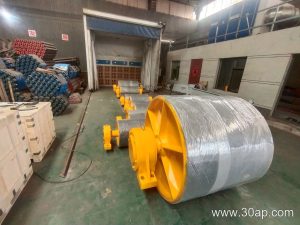
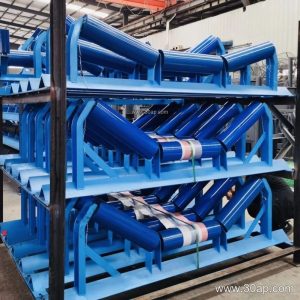
Width and pulley diameter are matched by conveyor design, not by a single fixed rule. A 1000mm belt may run on different pulley sizes in different installations, so the drive pulley, tail pulley and bend pulley should each be checked against the belt’s minimum pulley recommendation. The same applies to idler roller spacing and conveyor bracket layout.
Buyer Checklist
- Confirm the actual ply count and cover thickness, not just the EP200 grade.
- State the material, lump size, temperature and whether the belt runs underground.
- Ask for the minimum pulley diameter recommended for the carcass.
- Check whether flame retardant or anti-static properties are required by the site.
- Confirm belt width and edge type against the conveyor frame and conveyor pulley dimensions.
- Review splicing method, since endless conveyor belt joints are usually vulcanized on site.
For buyers sourcing through www.beltconveyorsystem.com, it helps to send a simple data sheet covering width, strength grade, ply count, cover thickness and working environment. That information lets suppliers propose a suitable EP conveyor belt rather than a generic one.
Installation and Maintenance Notes
Alignment is the first thing to check after installation. A belt that runs off-centre will wear its edges quickly, and no cover compound can compensate for poor tracking. Inspect the conveyor pulley lagging, idler roller rotation and conveyor bracket condition at the same time. Keep the belt clean and avoid material build-up on return rollers.
Store spare belts in a dry, shaded place and avoid sharp folds. When a belt is stored for a long time, rotate the roll occasionally to prevent set marks. During operation, watch for cover wear, edge damage and carcass exposure; early repair of small cuts is cheaper than replacing a full roll. Records of running hours and tonnage help plan replacement before a failure stops the line.