What a Coal Conveyor Idler Does on the Line
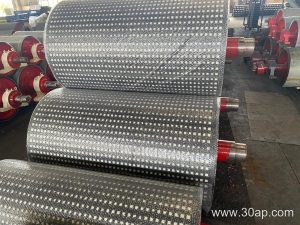
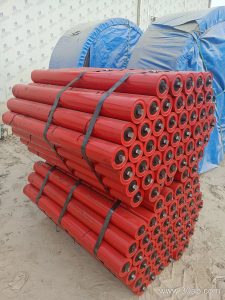
A coal conveyor idler is the rotating roller that supports the conveyor belt and the load it carries. On a coal mining conveyor belt or a power plant coal yard, these idlers keep the belt tracking smoothly, reduce friction, and protect the belt from sagging between pulleys. While the conveyor pulley drives or redirects the belt, the idler roller does the quiet, continuous work of carrying the load. The right idler selection affects belt life, energy use, and spillage control, especially in dusty and abrasive conditions.
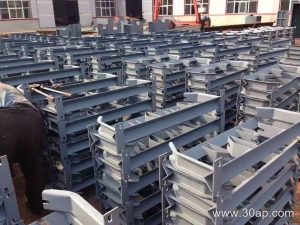
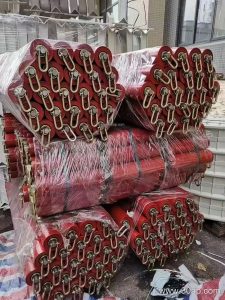
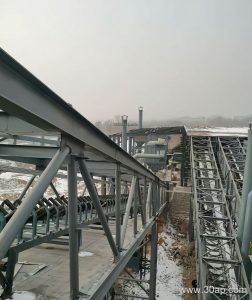
In a typical coal handling system, idlers are mounted on a conveyor bracket or frame at regular intervals. The troughing idlers shape the belt into a trough to hold bulk material, while return idlers support the empty belt on its way back. The idler is a simple assembly, but its details matter in coal mines, cement plants, ports, and aggregate yards.
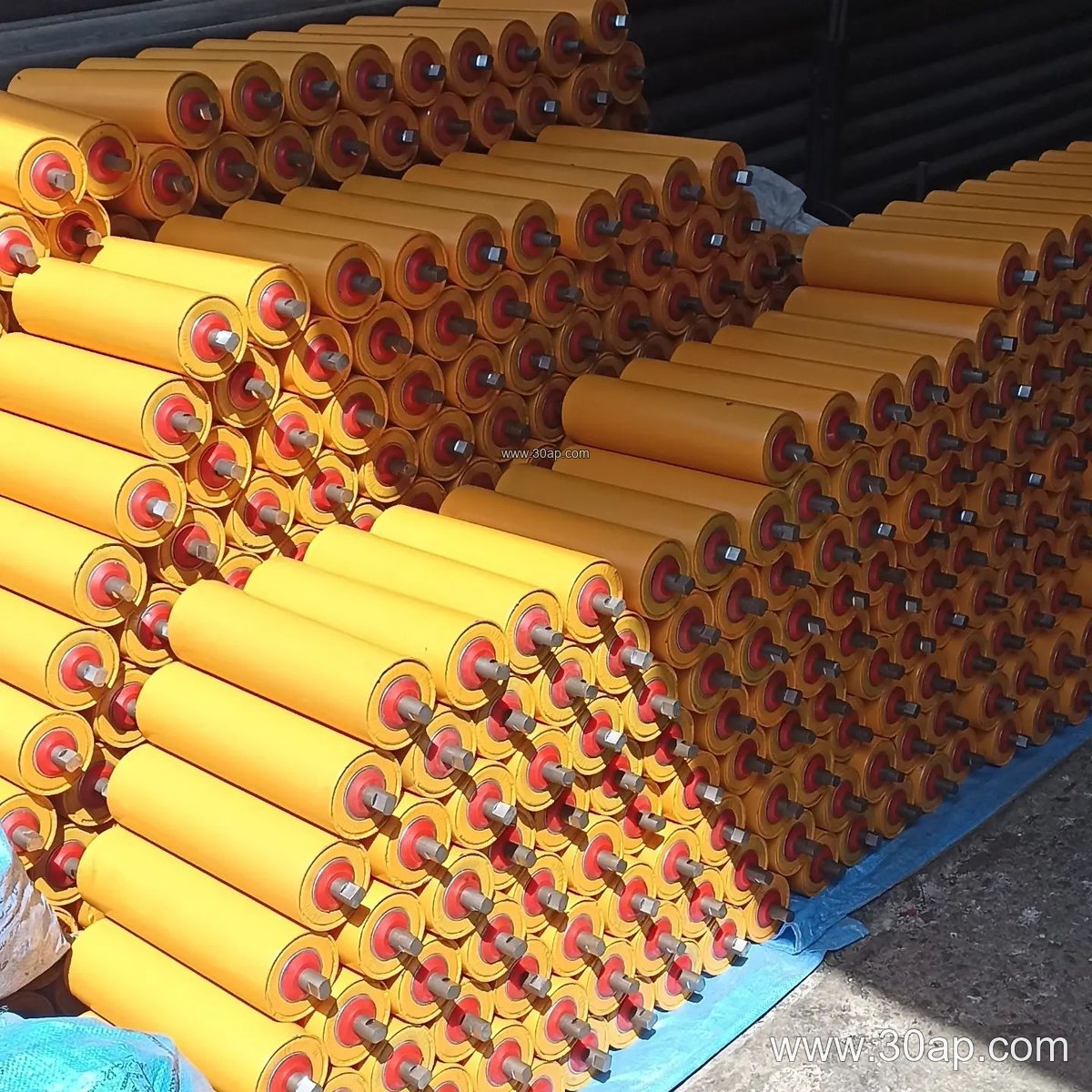
Construction Details That Matter Underground and Above Ground
The basic idler roller consists of a steel tube shell, bearing housings, a shaft, and seals. Roller surfaces may be plain steel, nylon, ceramic, or rubber rings depending on the duty. For coal mining conveyor belt service, sealed-for-life bearings and effective labyrinth seals are common to keep out fine coal dust and water. Bearing sizes such as 6204, 6205, 6305, 6306, 6308, and 6310 appear across different idler series, but the bearing choice should match the load and speed rather than a single roller diameter.
Common roller diameters include Ø63, Ø76, Ø89, Ø102, Ø108, Ø127, Ø133, Ø159, Ø178, Ø194, and Ø219. Belt widths range from B400 up to B2400, and the idler length is determined by belt width, trough angle, and idler arrangement. For a three-roll troughing set, typical center roll lengths are roughly 200 mm for B500, 250 mm for B650, 315 mm for B800, 380 mm for B1000, 465 mm for B1200, 530 mm for B1400, 600 mm for B1600, 670 mm for B1800, and 750 mm for B2000. These are common examples only; side rolls and center rolls can differ, and final dimensions should follow the conveyor design.
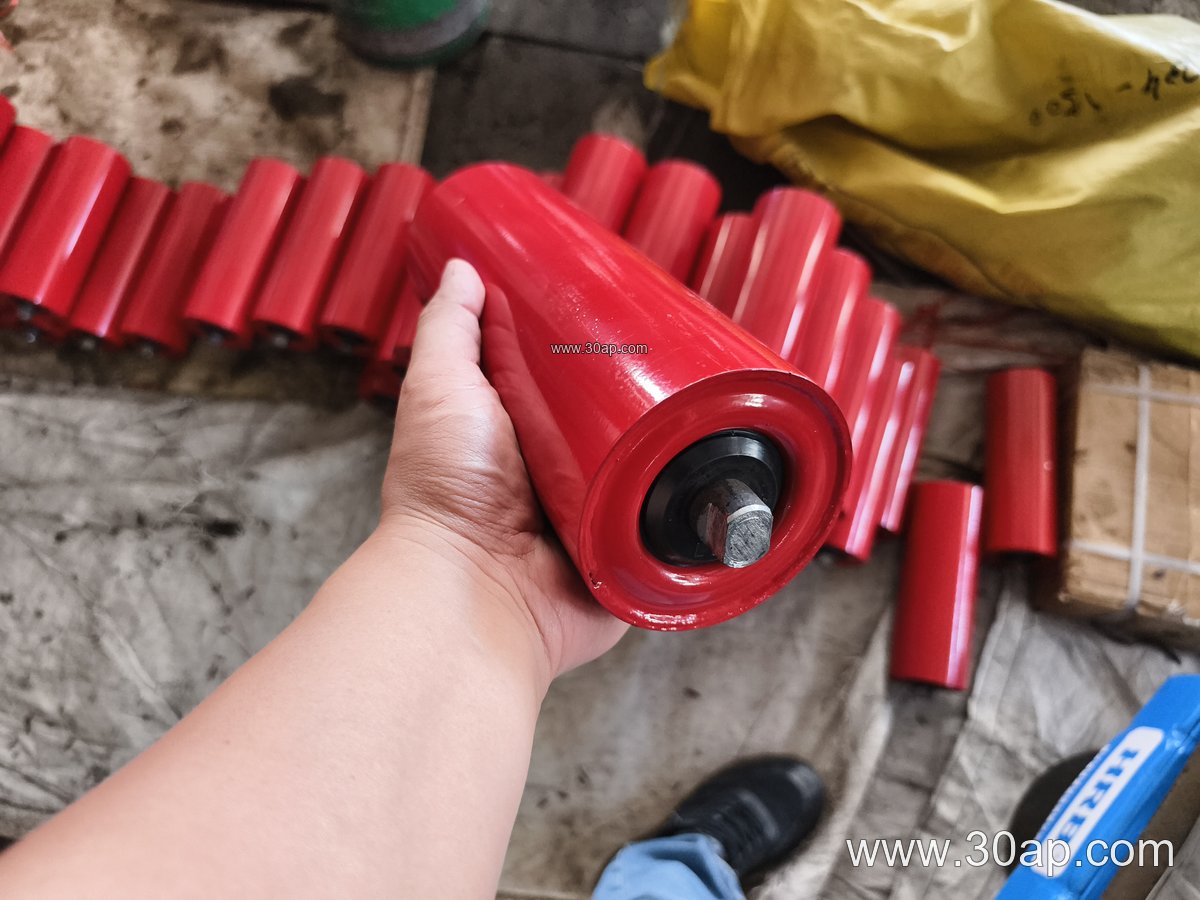
Common Idler Types in Coal Handling
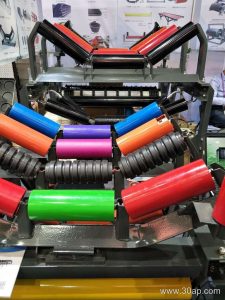
Troughing idlers are the workhorses on the carrying side, usually arranged as single-roll, two-roll, or three-roll sets. Three-roll troughing sets with 20, 30, 35, or 45 degree trough angles are widely used to center the load. Transition idlers ease the belt from flat to troughed profile near pulleys and help prevent belt edge stress. On the return side, flat return idlers or V-return idlers support the empty belt. Impact idlers with rubber rings are placed under loading points to absorb the drop of coal from crushers or transfer chutes. Self-aligning idlers, including friction and tapered types, help correct belt wander on long runs.
Roller surface choice depends on the environment. Rubber rings reduce impact and noise at transfer points, while ceramic or nylon covers may be selected for abrasive fines. In dusty coal yards, good sealing is often more important than a special shell material.
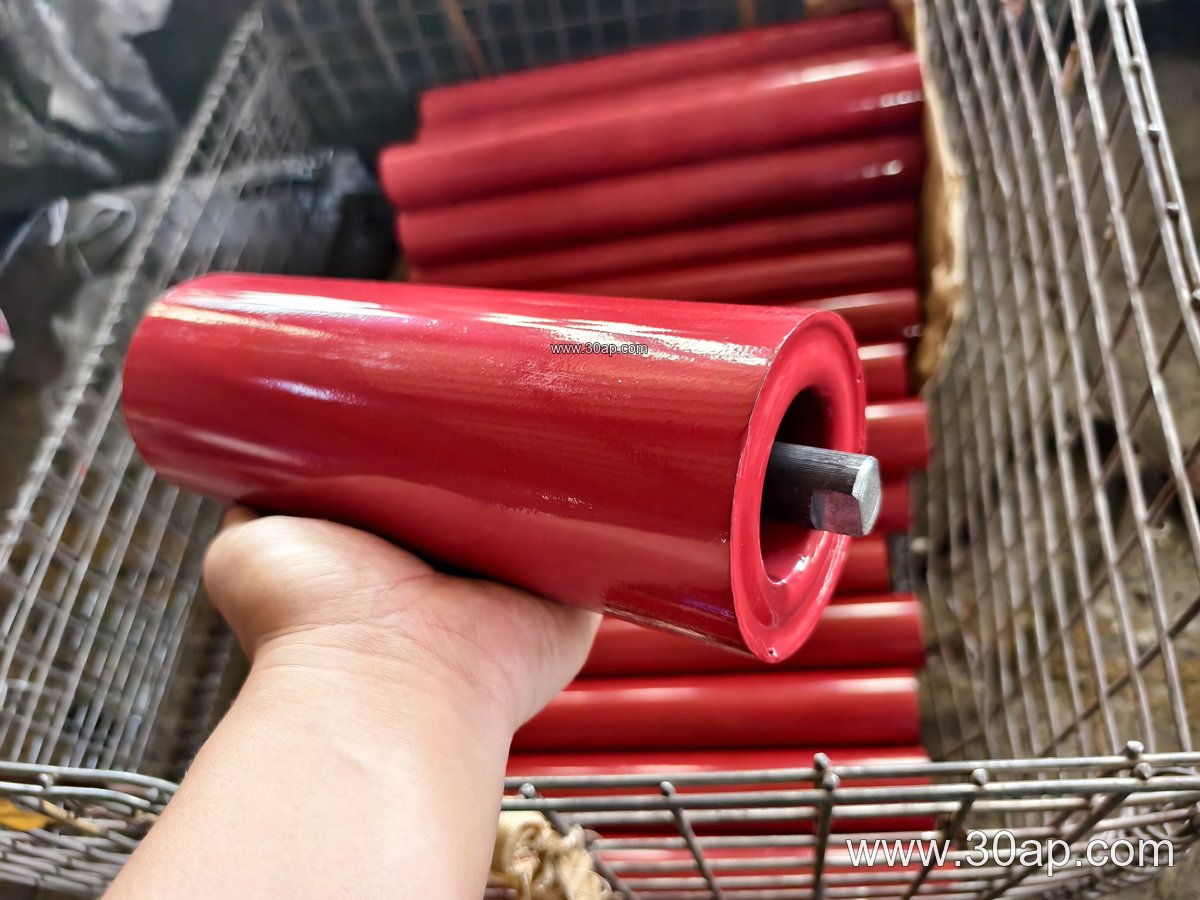
Matching Idlers to the Conveyor and the Material
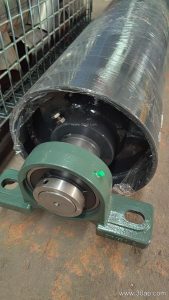
Coal is relatively soft but often abrasive and dusty. A coal conveyor idler should be selected with the belt width, belt speed, load weight, and trough angle in mind. The idler spacing along the conveyor affects belt sag and power demand; spacing is usually tighter near loading points and wider on straight runs. The conveyor belt itself also matters. A heavy-duty mining conveyor belt or a flame retardant conveyor belt may require different idler support than a lightweight aggregate belt. For comparison, a pipe conveyor belt encloses the material and uses a different idler arrangement, so it is not a direct substitute for a troughing idler on an open coal line.
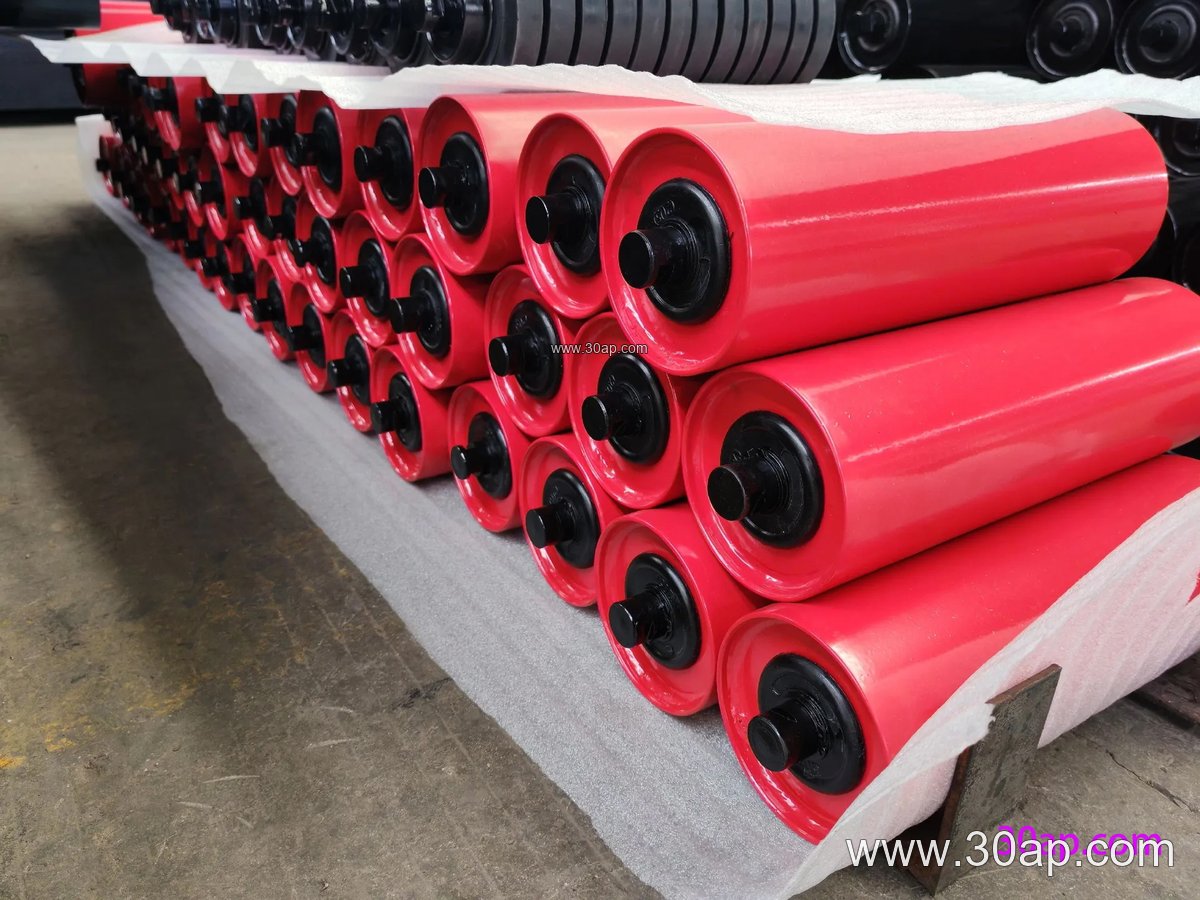
Buyers should ask for the idler diameter, shaft size, bearing type, seal design, roller length, and trough angle as a set, not as isolated numbers. A 1200mm wide conveyor belt does not automatically dictate one pulley diameter or one idler size; the conveyor designer confirms the combination. The same applies to belt widths like 650mm, 800mm, or 1000mm, which may appear with several idler series depending on duty.
Installation, Inspection, and Replacement Notes
Proper alignment at installation prevents premature wear. Idlers should sit square to the belt centerline, and the conveyor bracket should be checked for distortion. After startup, listen for noisy bearings and watch for belt misalignment. Seized idlers can wear through the belt cover or damage the conveyor pulley. In coal dust, scheduled cleaning around the idler frame helps seals last longer.
When replacing idlers, keep the same roller diameter, length, and trough angle unless the conveyor design is being changed. Mixing sizes can create uneven support and tracking problems. For abrasive service, impact idlers at the load zone and well-sealed return idlers are practical upgrades. For high temperature or oil-exposed areas, confirm the idler and belt specifications together, since a heat resistant conveyor belt or oil resistant conveyor belt may need compatible support components.
Buyer Checklist
- Confirm belt width, belt speed, and material lump size.
- Specify trough angle and idler arrangement (single, two-roll, or three-roll).
- State roller diameter, shaft size, bearing series, and seal type.
- Identify impact, return, and self-aligning positions separately.
- Check that idler dimensions suit the conveyor bracket and pulley layout.
- Ask for dimensional drawings rather than relying on one size alone.
For coal mines, wash plants, cement works, and port terminals, the coal conveyor idler is a small component with a large effect on uptime. Selecting it with the full conveyor context in mind keeps the belt running straight and the material moving.