What an NN100 Conveyor Belt Is
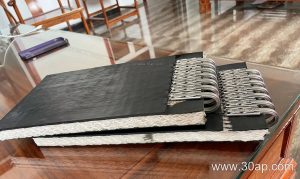
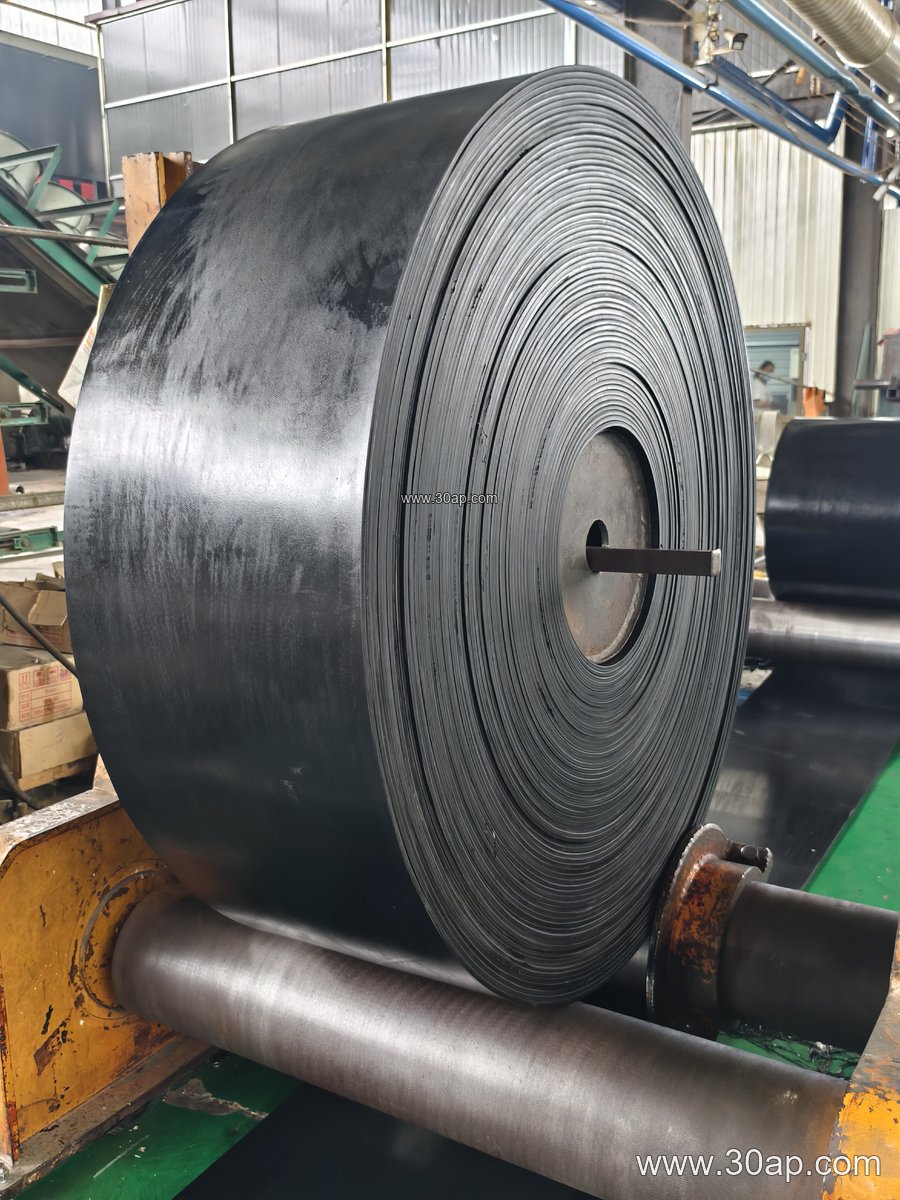
An NN100 Conveyor Belt is a fabric-core rubber belt built on nylon (NN) warp and weft canvas. The designation NN100 refers to the nominal tensile strength of the carcass, commonly expressed as 100 N/mm per ply. Because both warp and weft yarns are nylon, the belt stretches more evenly across its width than a cotton or polyester-cotton carcass, which helps it track well on long runs and absorb starting shocks. Buyers often meet it under the equivalent name nylon fabric core conveyor belt, and both terms describe the same product.
It sits in the same family as the EP Conveyor Belt, where polyester warp and nylon weft are used. The two are related but not identical, and the choice between them usually comes down to elongation, moisture behaviour and budget rather than a simple upgrade path.
How the Belt Is Built
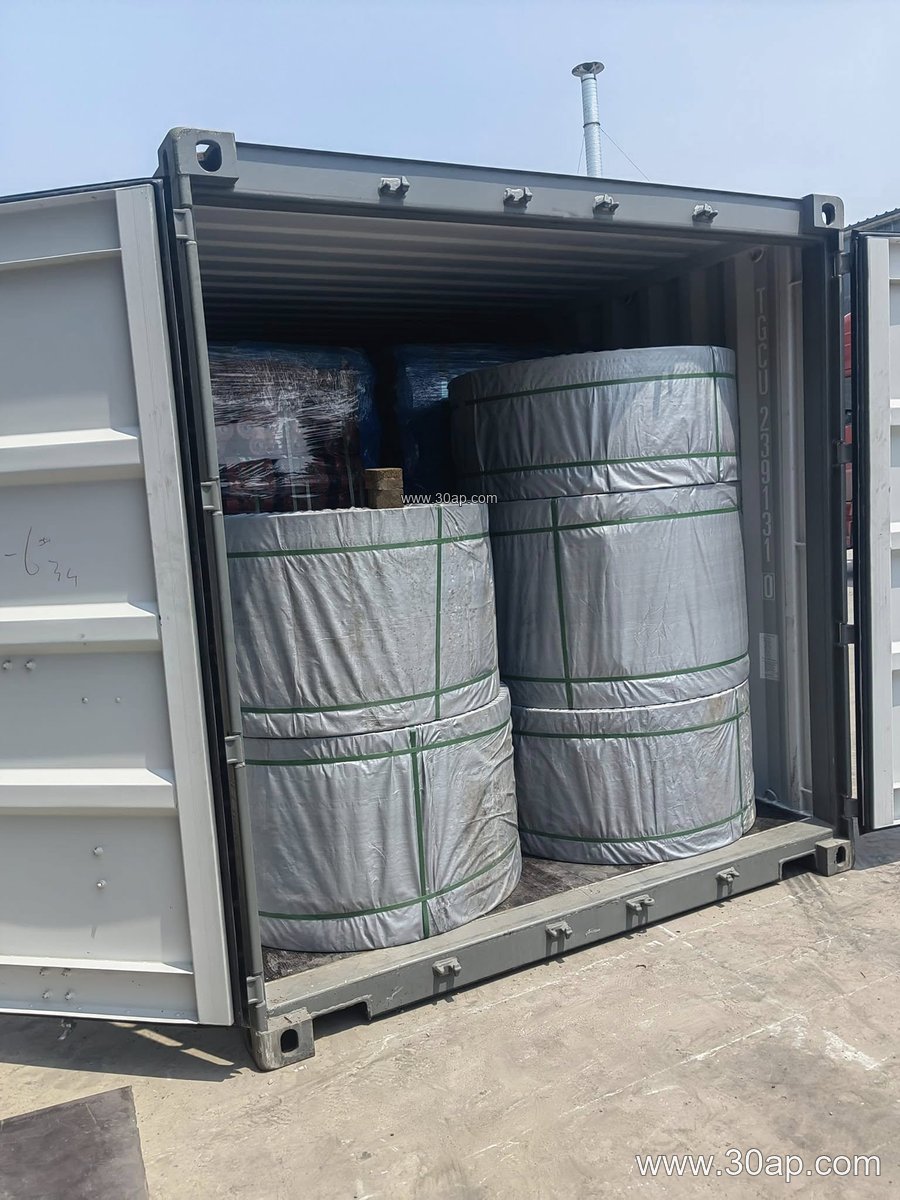
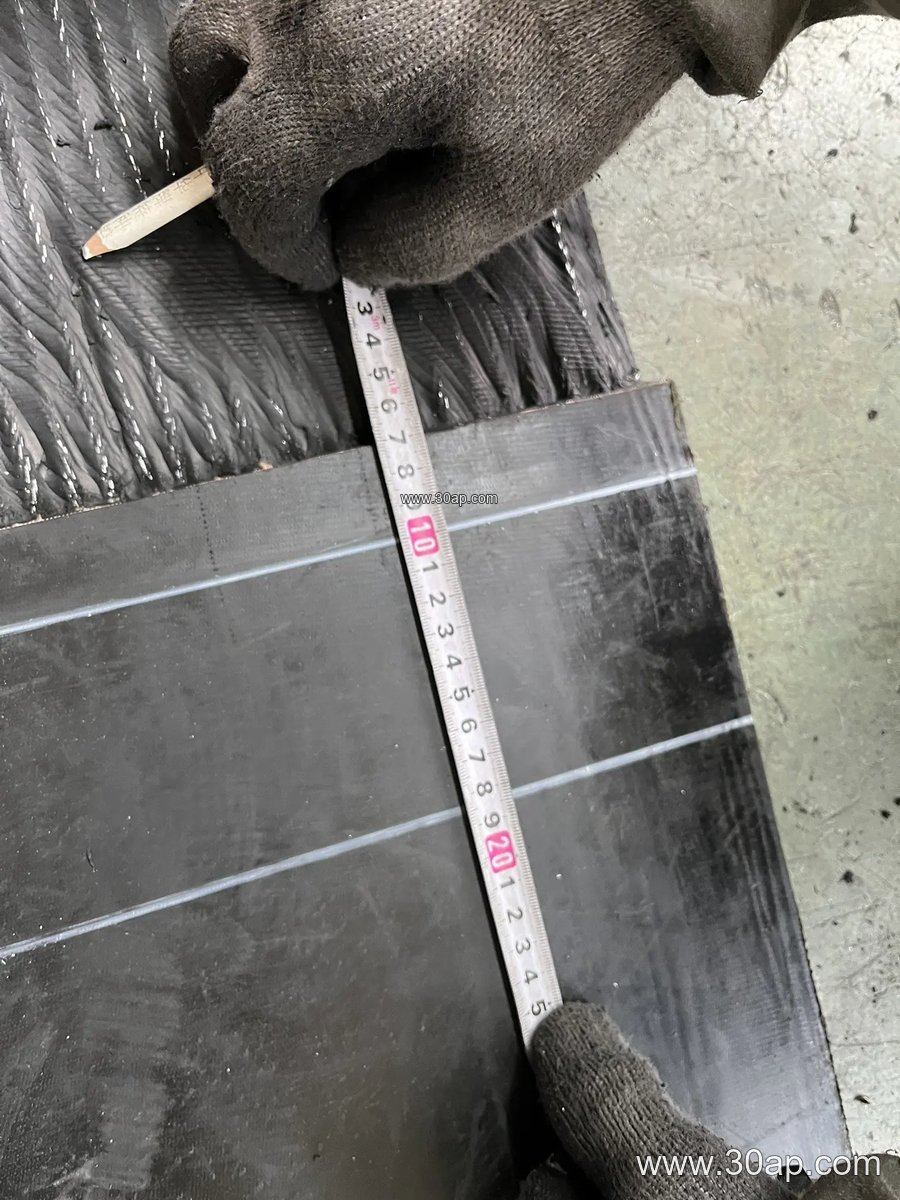
A typical NN Conveyor Belt combines three elements: the nylon carcass, skim and friction rubber that bonds the plies, and top and bottom cover rubber. Carcass plies usually range from two to six layers depending on the duty. Cover thickness is stated as top plus bottom, for example 3+1.5 mm, 4+2 mm, 5+2 mm, 6+2 mm or 8+3 mm for heavier service.
- Nylon carcass for flexibility and impact absorption
- Skim compound to prevent ply separation under flexing
- Cover rubber selected for abrasion, heat, oil, flame or cold resistance
- Optional chevron, skirted or corrugated sidewall profiles for inclined and contained conveying
Because nylon absorbs moisture and can shrink or grow slightly during service, correct splice preparation and adequate take-up travel matter more than on a steel cord belt. An Endless Conveyor Belt made from NN100 fabric is common on short to medium centres where a vulcanised joint is preferred.
Where It Fits in the Plant
NN100 is a moderate-strength belt, so it appears most often on medium-duty and general bulk handling lines rather than on the highest-tension mainlines. Typical settings include:
- Aggregate and sand conveying in a quarry or sand making plant
- Cement plant clinker and raw meal transfer lines
- Coal handling in a power plant or coal preparation section
- Crushing circuits where a crusher conveyor belt must tolerate lumps and impact
- Port and ship loading conveyors handling bulk material
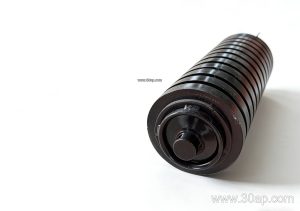
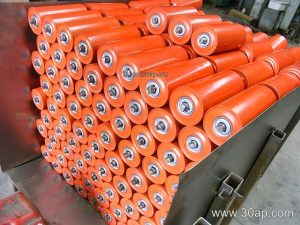
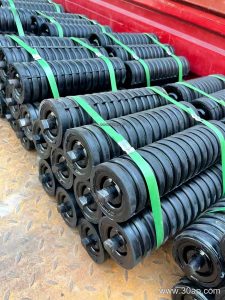
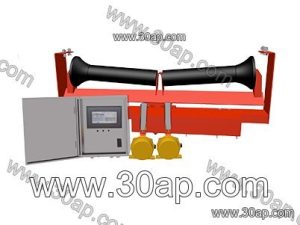
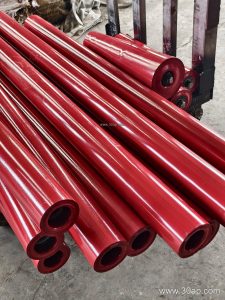
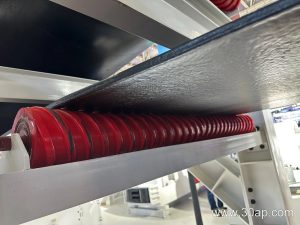
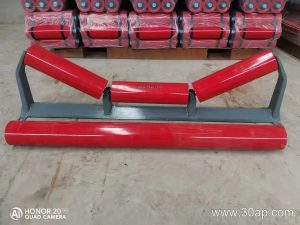
In these duties the belt runs over a conveyor pulley at the head and tail, supported by idler roller sets spaced according to load, and held in line by conveyor bracket and frame assemblies. A worn idler roller or misaligned conveyor pulley will damage any belt, so mechanical condition is checked alongside belt specification.
Specifications a Buyer Should Confirm
Numbers below are common reference values, not a supply promise; actual construction is confirmed per design and per manufacturer.
| Parameter | Common range or example |
|---|---|
| Carcass type | NN nylon fabric, 2 to 6 plies |
| Nominal strength | NN100; higher grades such as NN200 and NN300 exist for heavier duty |
| Belt width | B500, B650, B800, B1000, B1200, B1400, B1600, B1800, B2000 |
| Cover thickness | 3+1.5 mm, 4+2 mm, 5+2 mm, 6+2 mm, 8+3 mm |
| Cover grade | Abrasion resistant, heat resistant, oil resistant, flame retardant, anti-static, cold resistant |
Abrasives such as iron ore, copper ore or quarry rock usually call for a high abrasion resistant cover. Underground coal mining conveyors generally need flame retardant and anti-static properties, and PVC or PVG belts are often specified there instead of fabric-rubber constructions. Heat resistant grades suit cement and sinter transfer points, while oil resistant covers are chosen where lubricated machinery or oily feedstock is present. Food grade belts belong to a separate specification discussion.
Width selection depends on lump size, required capacity and troughing angle, not on a fixed rule. A 500mm belt and a 2000mm belt both exist within the same product family, and a wide belt is not automatically the right answer for a narrow chute. Belt width and pulley diameter are matched through conveyor design calculations, so no single shaft or pulley size can be assumed from width alone.
Selection and Maintenance Notes
When specifying an NN Conveyor Belt, provide the material, lump size, capacity, centre distance, incline, ambient temperature and any fire or oil exposure. State whether a cut edge or moulded edge is required, and confirm the splice method. During operation, watch for edge wear, cover gouging and ply separation; these usually point to loading impact, off-centre loading or a seized idler roller. Keeping pulleys lagged and aligned, and inspecting the conveyor pulley and idler roller bearings on schedule, extends belt life considerably.
For a medium-duty line with moderate tension and good impact tolerance, an NN100 nylon fabric core belt is a practical, serviceable choice. Confirm the final construction with the belt supplier against the conveyor design rather than relying on catalogued reference figures alone.