What a 2200mm Conveyor Belt Is
A 2200mm conveyor belt is a wide-format belt built for high-volume bulk transport. At 2.2 meters across, it sits near the upper end of standard wide belt production, and it is usually specified where a single stream must carry a large tonnage without splitting into parallel lines. In plant layouts for mines, cement works, power stations and large quarries, this width lets one conveyor replace two narrower units, which simplifies transfer points and reduces the number of drives to maintain.
The product is still a conveyor belt first: a tension-carrying carcass wrapped in rubber covers, running over idler rollers and trained by conveyor pulleys at the head and tail. Width changes the engineering, not the basic principle.
Construction and Common Configurations
Wide belts are normally fabric-cored or steel-cord reinforced. Fabric constructions such as EP conveyor belt and NN conveyor belt are common in general bulk handling, while steel cord conveyor belt grades suit long lifts and high tension. A heavy-duty mining conveyor belt in this width often uses multiple fabric plies or a steel cord carcass with thick covers.
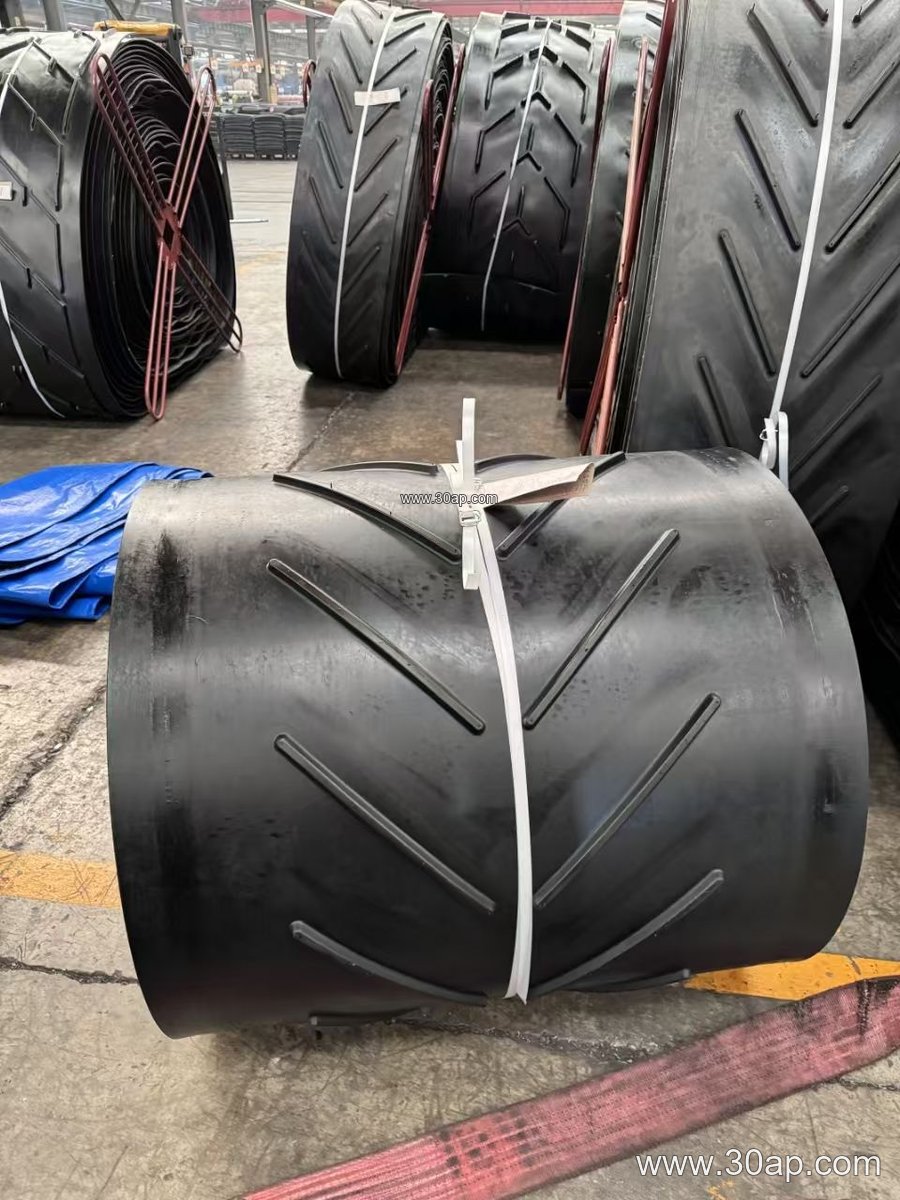
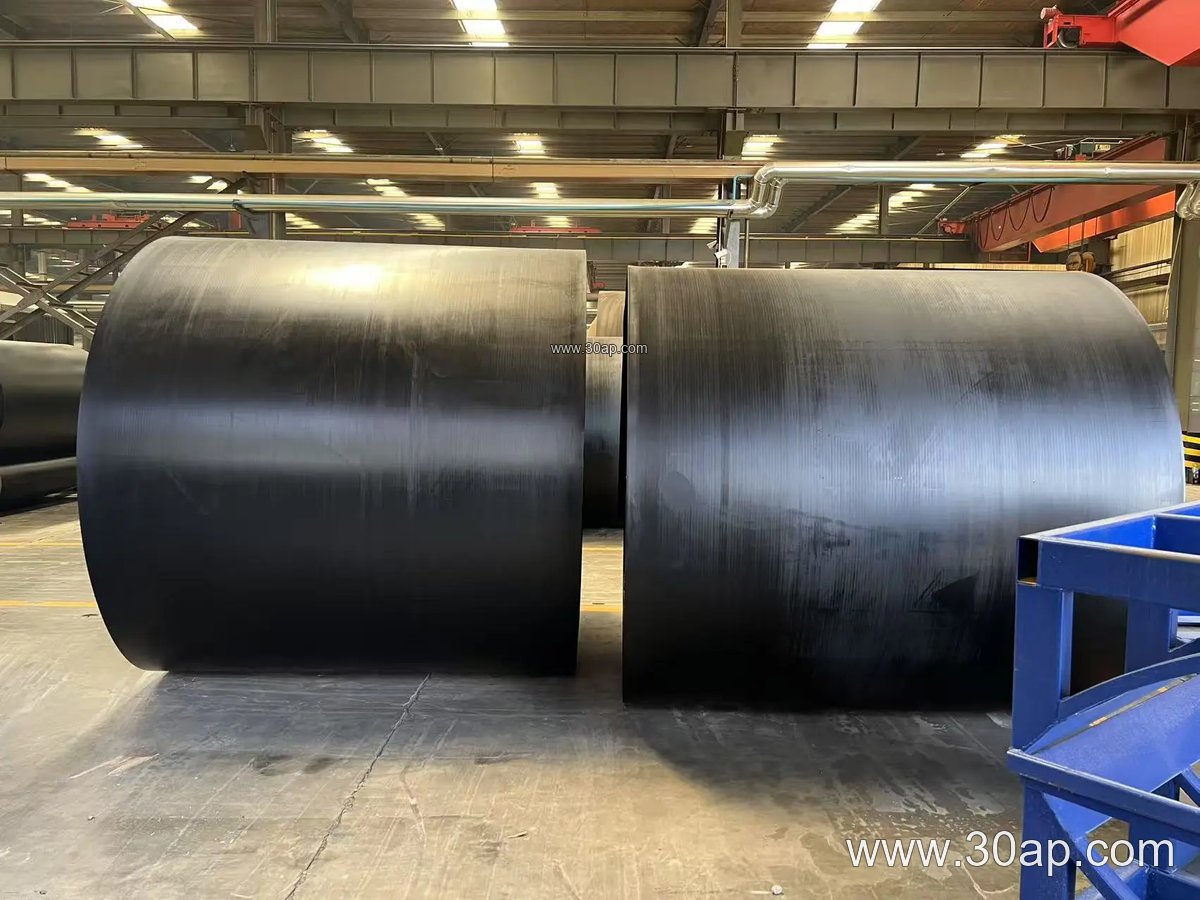
Cover thickness is usually given as top plus bottom, for example 6+2 mm or 8+3 mm for abrasive rock. Buyers should treat these as typical references, since the final build follows the duty and the manufacturer’s design.
| Parameter | Typical reference range |
|---|---|
| Belt width | 2200 mm |
| Carcass type | Multi-ply fabric or steel cord |
| Fabric plies | Commonly 2 to 6 |
| Strength grades (EP) | EP200 to EP2000, selected by tension |
| Cover thickness | 3+1.5, 4+2, 5+2, 6+2, 8+3 mm |
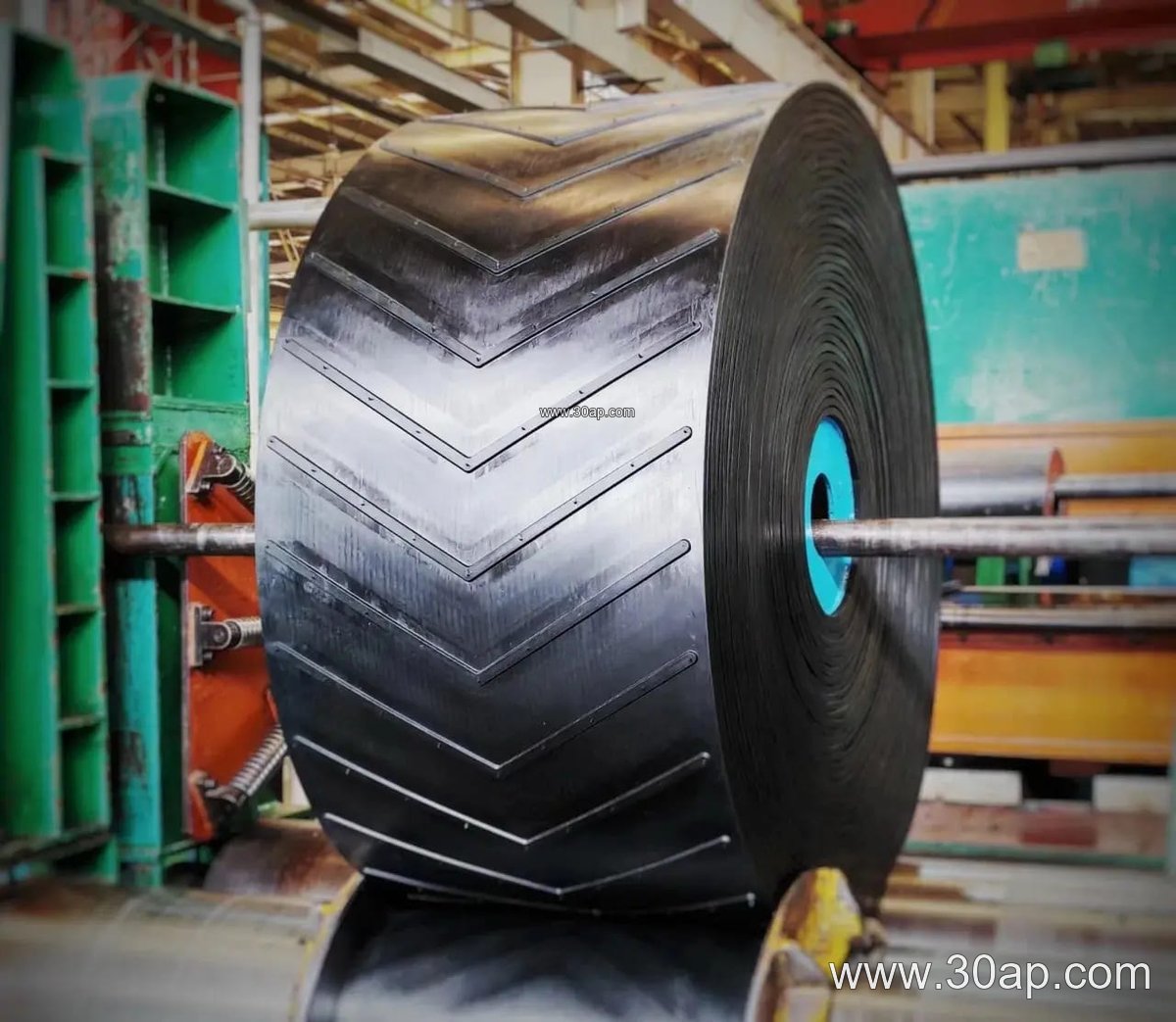
| Surface options | Smooth, chevron, corrugated sidewall, skirted |
Special grades are available for difficult conditions: heat resistant conveyor belt for clinker and sinter, flame retardant conveyor belt and anti-static conveyor belt for underground coal mining, oil resistant and chemical resistant grades for processing plants, and cold resistant belt for outdoor winter operation.
Where This Width Fits
Primary crushing stations in hard-rock mines, raw material yards at cement plants, coal stockyard and ship loading conveyors, and large aggregate plants are the classic homes for a 2200mm conveyor belt. At a port or a power plant coal yard, the wide belt keeps lump size and throughput high while limiting spillage at transfer chutes. In sand and gravel operations, it often follows a crusher conveyor belt section where surge loads are heavy.
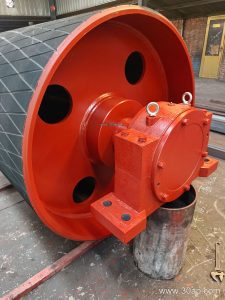
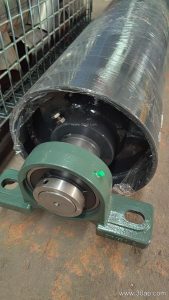
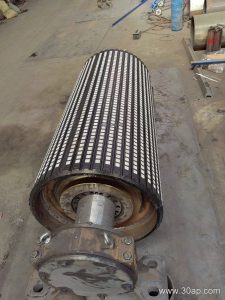
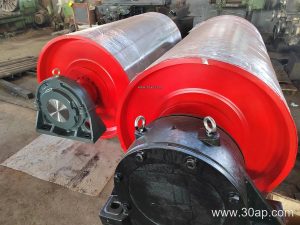
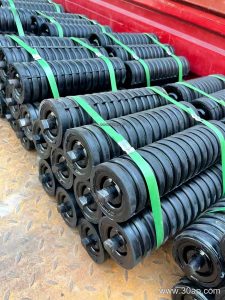
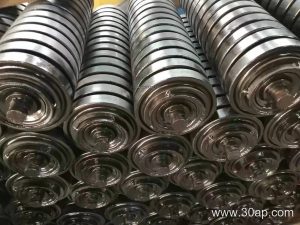
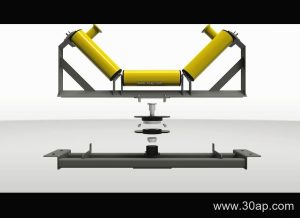
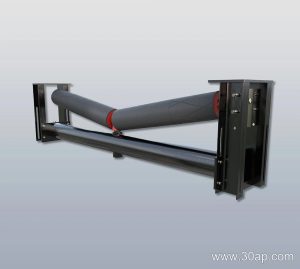
Wide belts demand matching hardware: idler roller frames rated for the load, a properly sized conveyor pulley at drive and tail, and rigid conveyor brackets so the structure holds alignment across the full 2.2 m span.
Selection Points for Buyers
- Confirm the calculated tension first, then choose carcass and strength grade; do not pick a grade by width alone.
- Match cover compound to the material: abrasion resistant conveyor belt for rock, heat resistant grades for hot loads, flame retardant for underground work.
- Check pulley face width and lagging, and verify that the drive and tail pulley diameters suit the carcass and splice.
- Plan the splice method and the space needed for it; wide belts need a flat, accessible area for vulcanizing.
- Review loading conditions and impact zones, and consider impact resistant belt or extra cover thickness at the feed point.
For a large quarry or a coal mining conveyor belt line, an extra-wide belt also affects chute design, skirt rubber and training idlers, so specify the whole system rather than the belt in isolation. At www.beltconveyorsystem.com the focus is on matching belt, roller and pulley specs before the order is placed.
Care and Long-Term Performance
Alignment matters more on a 2200mm conveyor belt than on narrow belts. Check idler roller rotation, pulley lagging wear and structure squareness regularly. Keep the belt clean and avoid material buildup on return rollers, which can cause edge damage. Store spare belt in a dry, shaded area and rotate stock. Tension settings should follow the manufacturer’s guidance, and splice inspections should be scheduled rather than reactive.
Used well, a wide belt delivers steady capacity for years. The key is treating width as one design input among many, alongside carcass, cover grade and the conveyor pulley and idler system that carry it.