What the Sand Making Plant Conveyor Belt Has to Handle
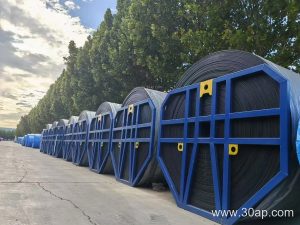
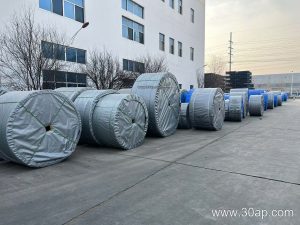
A sand making plant conveyor belt works in one of the harshest circuits in aggregate production. Crushed stone, manufactured sand, and screened fines move between jaw or cone crushers, vertical shaft impactors, vibrating screens, and stockpiles, often while the material is still sharp and warm from processing. The belt therefore has to resist cutting, abrasion, and impact at the loading point rather than simply carry weight. In practice, an Abrasion Resistant Conveyor Belt or a heavy-duty EP Conveyor Belt is the usual starting point, with the carcass and cover grade matched to the duty.
The same conveyor line usually passes through several environments, from an open quarry floor to a covered screening tower. That is why buyers often specify a Quarry Conveyor Belt and a Crusher Conveyor Belt as separate items on the same purchase list, even though both are fabric-core or steel-cord constructions.
Construction of the Belt and the Components Around It
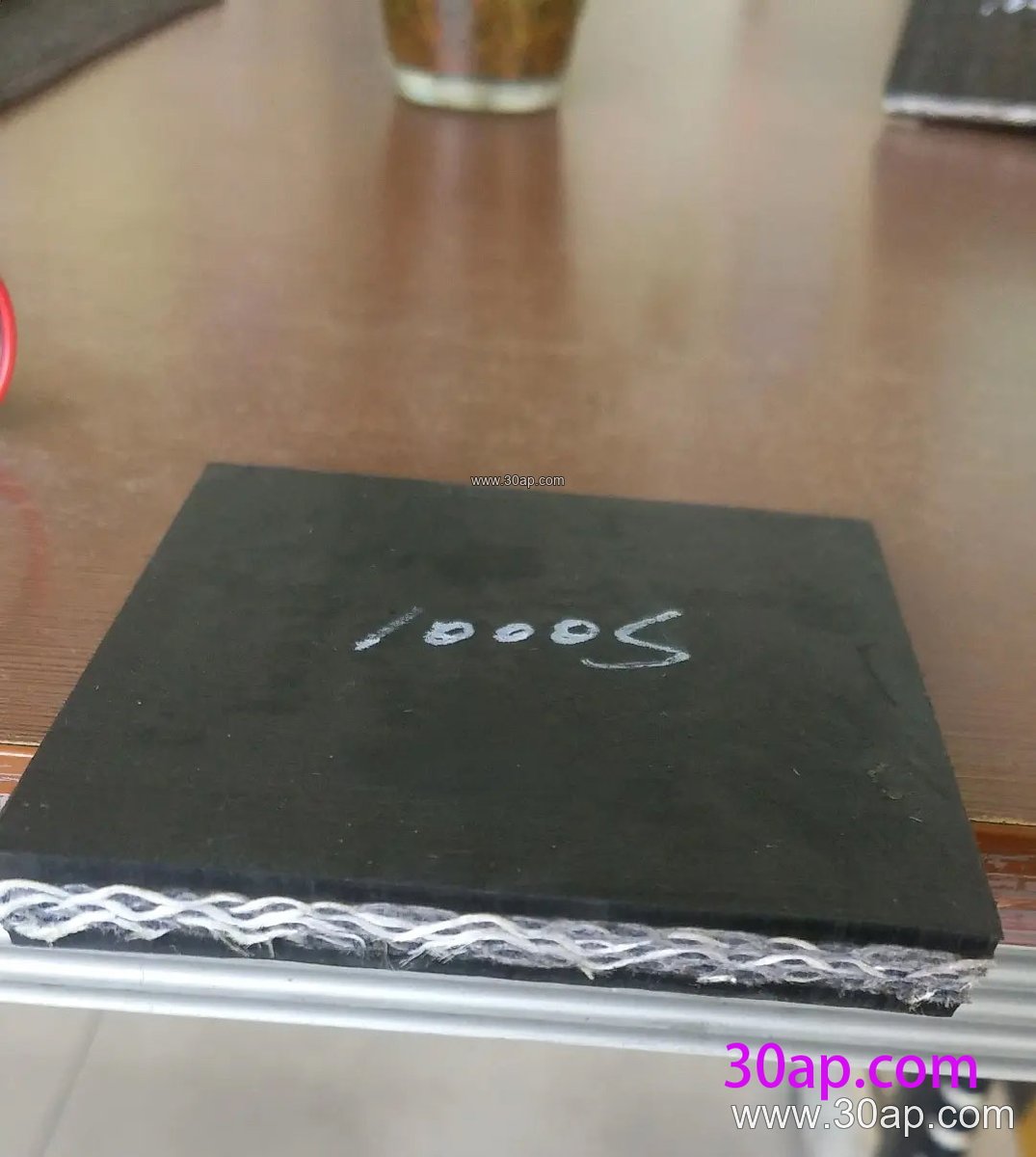
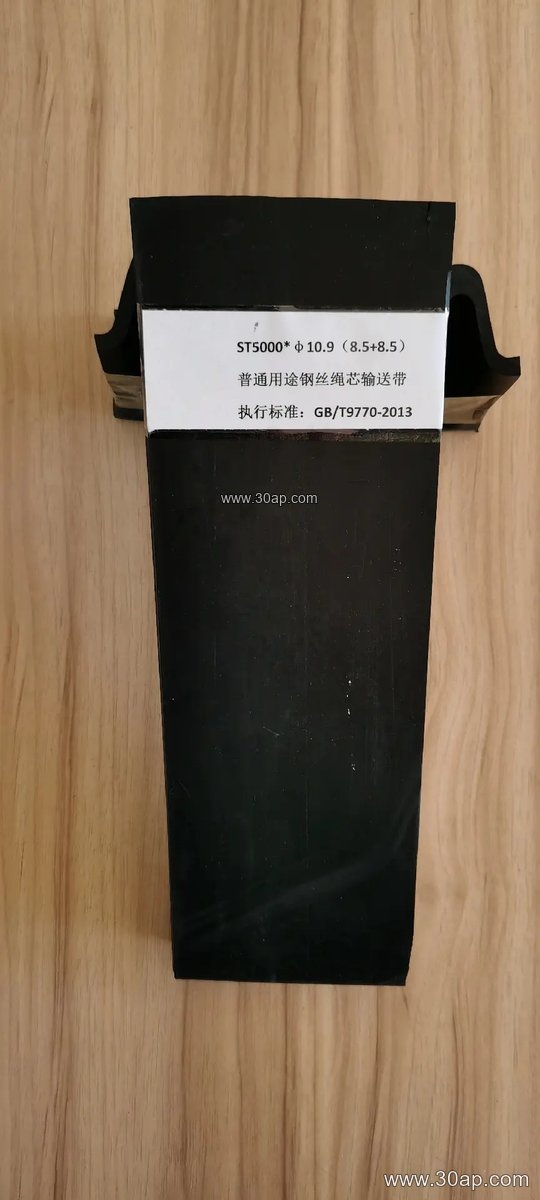
The belt itself is a composite. A fabric core, typically EP or NN, provides tensile strength and troughability; steel cord is chosen when the center distance and tonnage demand higher breaking strength. Rubber covers on the top and bottom faces protect the carcass. Common cover combinations in this duty include 4+2 mm, 5+2 mm, and 6+2 mm, with 8+3 mm used where lump size and drop height are severe. Carcass plies usually run from two to six layers depending on the required strength grade.
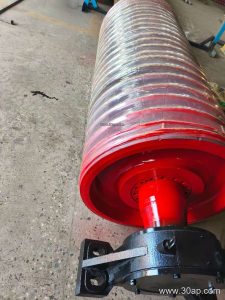
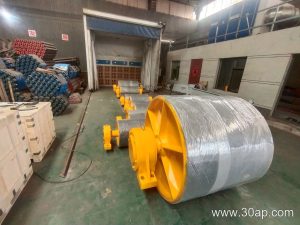
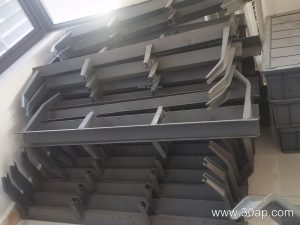
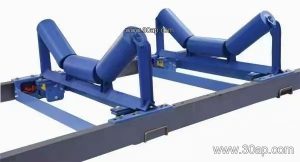
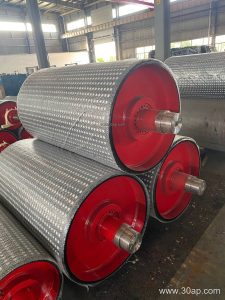
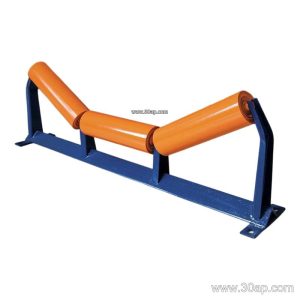
Around the belt, the conveyor pulley set matters as much as the belt. The drive pulley transmits torque, the tail pulley sets the return path at the feed end, and bend pulleys guide the belt through take-up and transition zones. These are distinct components and are not interchangeable. Idler rollers support the loaded strand and control sag, while the conveyor bracket holds idlers and pulleys in alignment. A misaligned frame will shorten belt life faster than a slightly under-specified cover.
Typical reference values for sand plant belts
The table below shows common reference ranges, not fixed supply promises. Final values are determined by conveyor design, tonnage, and manufacturer data.
- Belt width: B500, B650, B800, B1000, B1200, B1400, B1600
- EP strength grades: EP200, EP315, EP400, EP500, EP630, EP800, EP1000
- Steel cord grades: ST1000, ST1250, ST1600, ST2000
- Cover thickness: 3+1.5, 4+2, 5+2, 6+2, 8+3 mm
- Ply count: 2 to 6 layers, by design
- Surface options: plain, Chevron Conveyor Belt, Corrugated Sidewall Conveyor Belt
Matching the Belt to Each Transfer Point
Not every section of a sand plant needs the same specification. The primary feed from the crusher discharge typically carries large, sharp lumps and needs impact resistance plus a thick top cover. Screen feed and sand transfer lines run faster and lighter, where a 4+2 mm cover on a 3-ply EP carcass may be sufficient. Stockpile and load-out conveyors often benefit from a Chevron Conveyor Belt or a Skirted Conveyor Belt when the incline is steep or material must be contained at the edges.
Where dust control and enclosed transfer are required, a Pipe Conveyor Belt can replace an open troughed run, though it changes the pulley and idler arrangement completely. In cement, power plant, and coal handling areas of a combined site, a Flame Retardant Conveyor Belt or Anti-Static Conveyor Belt may be specified for safety, while a Heat Resistant Conveyor Belt is used where clinker or warm sand is present.
Buyer Checklist Before Ordering
Start with the material: particle size, moisture, temperature, and abrasiveness. Then confirm the conveyor geometry, including incline angle, transition distances, and pulley diameters. Belt width should follow the required capacity and lump size, and the strength grade should follow the calculated tension with a sensible safety margin. Do not assume that a given belt width locks in a single pulley diameter or shaft size; those are set by the conveyor designer.
Ask for the carcass type, cover grade, ply count, and edge construction in writing. For a Sand Making Plant Conveyor Belt, splice method also deserves attention: mechanical fasteners suit short, movable lines, while vulcanized splices give a smoother surface on long fixed runs. Keep spare idler roller sets and at least one bend pulley on site, and check belt tracking after every frame adjustment.
Finally, plan maintenance around wear patterns. Loading-point impact, edge fraying, and cover gouging tell you whether the next belt should move up a cover class or gain an extra ply. Reasonable spare stock and a clear specification reduce downtime more reliably than buying the heaviest belt available.