What a Disc Idler Is
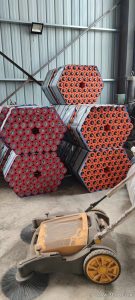
A disc idler is a type of conveyor idler roller that uses a series of circular discs, typically made of rubber or polymer, mounted along a shaft instead of a continuous cylindrical shell. This design is often chosen for applications where material buildup, impact, or belt tracking issues are a concern. The disc idler is sometimes referred to as a disc roller or rubber disc idler, and it belongs to the broader family of conveyor idlers that support the conveyor belt along its path.
Unlike standard steel idlers, the disc idler’s segmented surface allows for flexibility and self-cleaning properties. It is particularly useful in handling sticky or wet materials that might otherwise adhere to a smooth roller surface. The disc idler is not a substitute for drive pulleys, tail pulleys, or bend pulleys, which serve different functions in a conveyor system.
Construction and Design Features
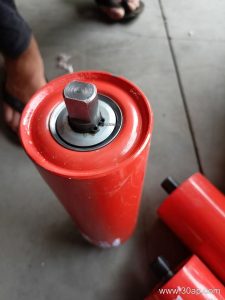
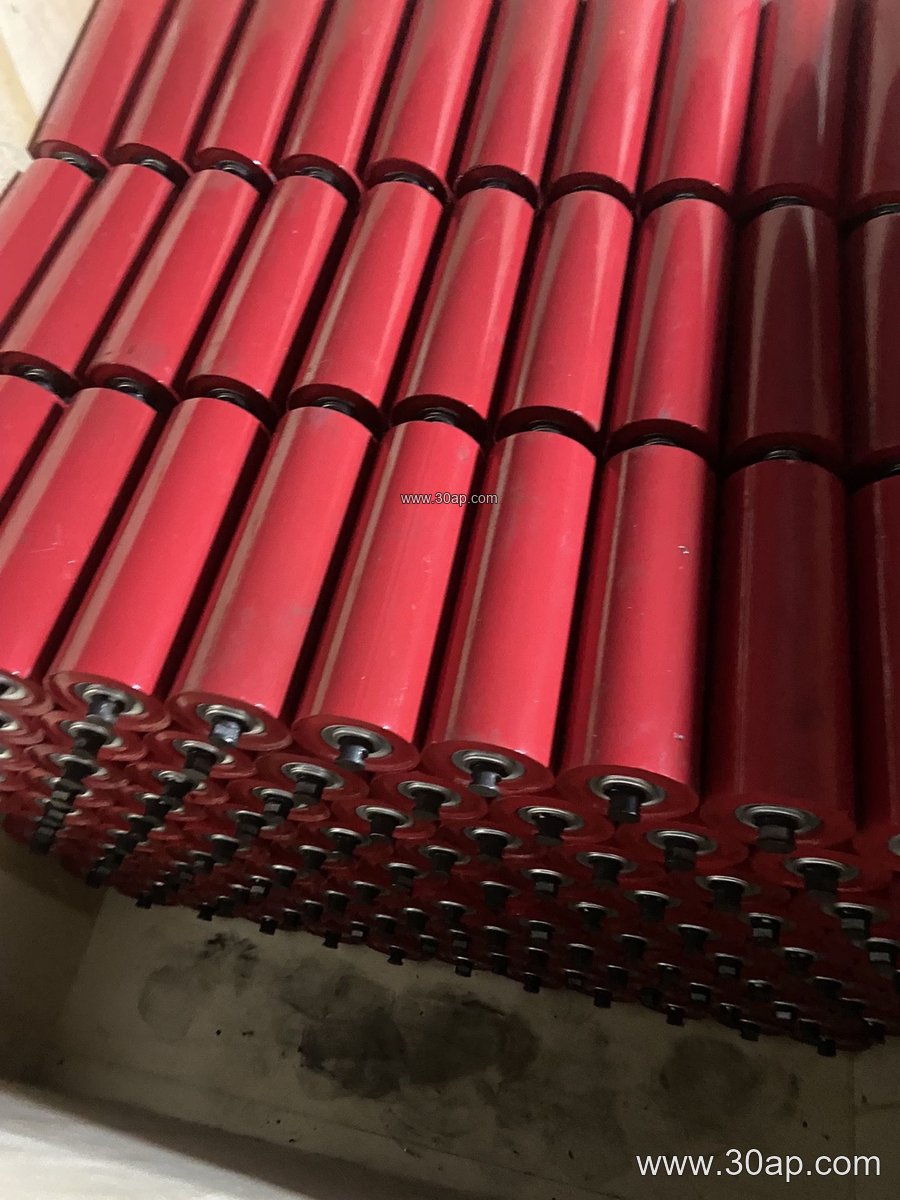
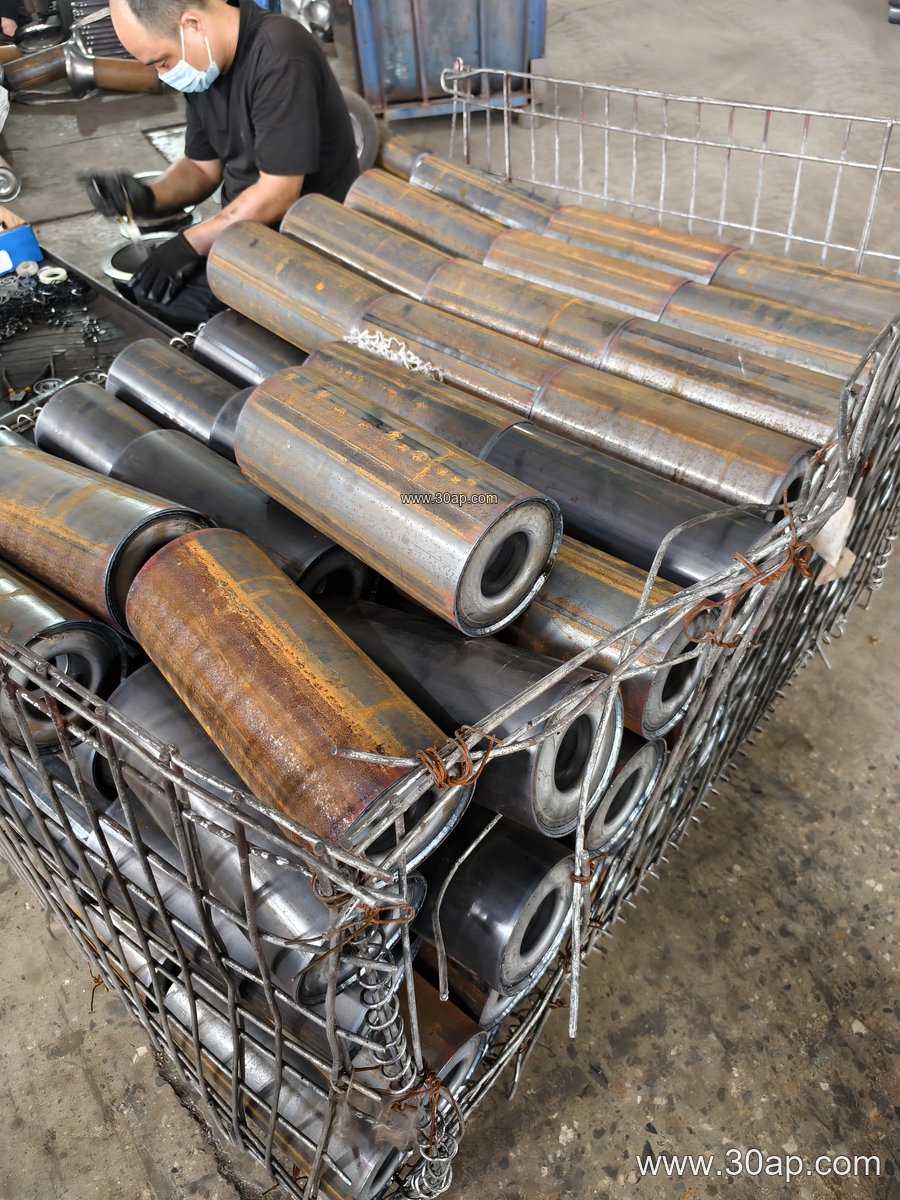
The typical disc idler consists of a central shaft, often made of steel, onto which multiple discs are pressed or molded. These discs are usually made of rubber or a durable elastomer, and they are spaced at intervals along the shaft. The shaft is supported by bearings housed in end caps, which are sealed to protect against dust and moisture. Common bearing sizes for idlers include 6204, 6205, 6305, and 6308, though the specific bearing is selected based on load and speed requirements.
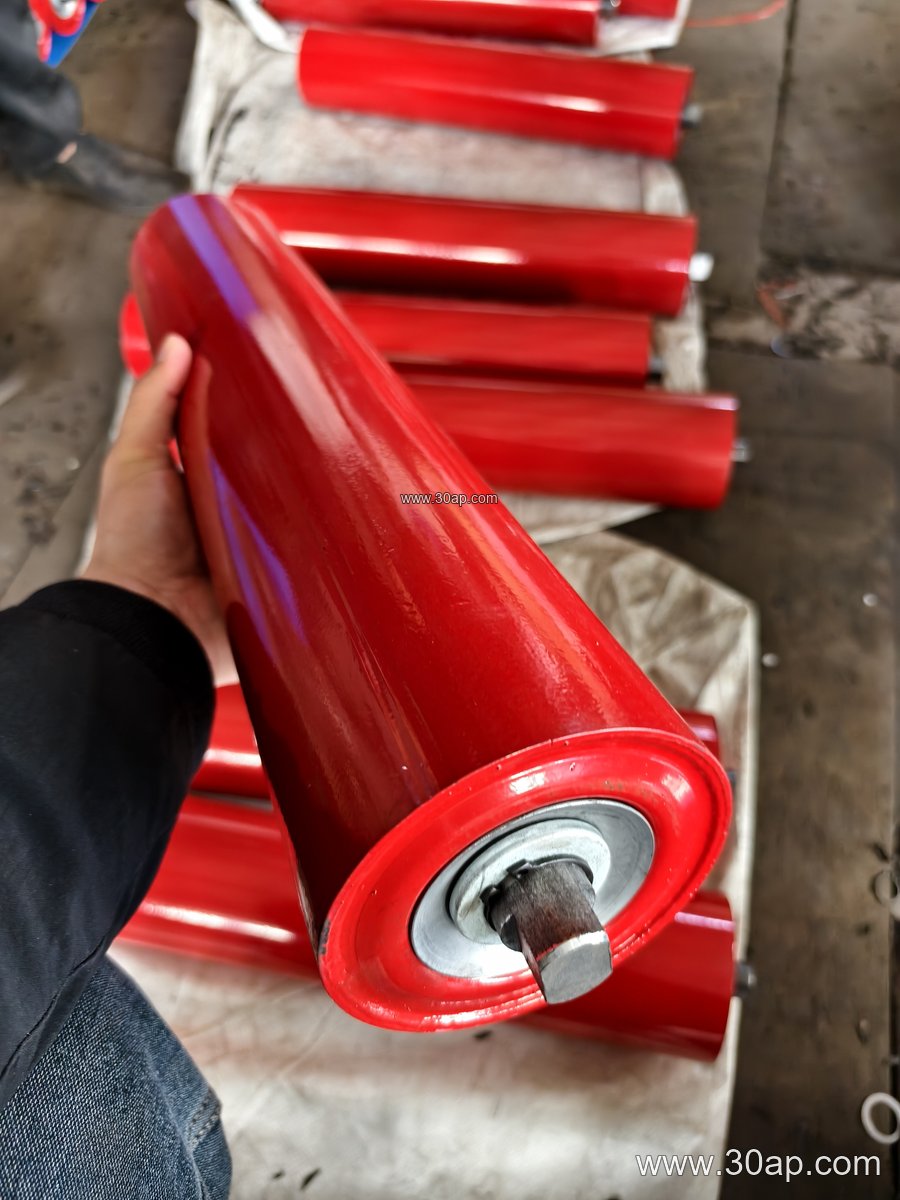
The discs can vary in diameter and thickness, and their profile may be flat or slightly crowned to aid belt tracking. The overall diameter of a disc idler is often in the range of Ø89 to Ø159 mm, but this depends on the conveyor design. The length of the idler is matched to the conveyor belt width; for example, a belt width of 800 mm might use an idler with a roller length of around 315 mm in a three-roll troughing set, but this is not a fixed rule. The disc idler can be supplied in troughing configurations (20°, 30°, 35°, or 45°) or as a return idler, depending on the application.
Where Disc Idlers Are Used
Disc idlers are frequently found in industries that handle bulk materials with high moisture or stickiness. In sand and gravel plants, they help prevent material from clinging to the rollers, reducing maintenance. In cement plants, they are used in raw material and clinker conveying where dust and fines can be problematic. Coal mining operations, particularly in underground mining conveyor belts, may employ disc idlers to handle coal with high moisture content. They are also seen in power plant coal handling systems and port loading facilities where spillage and buildup are common.
Because the disc design allows for some flexibility, it can absorb impact from lumpy materials, making it suitable for crusher discharge points and transfer stations. However, it is not intended for high-speed applications or where precise belt support is critical. In such cases, conventional troughing idlers or impact idlers with rubber rings may be more appropriate.
Selection and Maintenance Tips
When selecting a disc idler, consider the belt width, the material being conveyed, and the environmental conditions. The disc material should be compatible with the conveyed material; for instance, oil-resistant rubber is available for oily materials. The bearing type and sealing arrangement should match the duty level. Regular inspection of disc wear and bearing condition is recommended, as worn discs can affect belt tracking. Lubrication is usually not required for sealed-for-life bearings, but checking for seal damage is important.
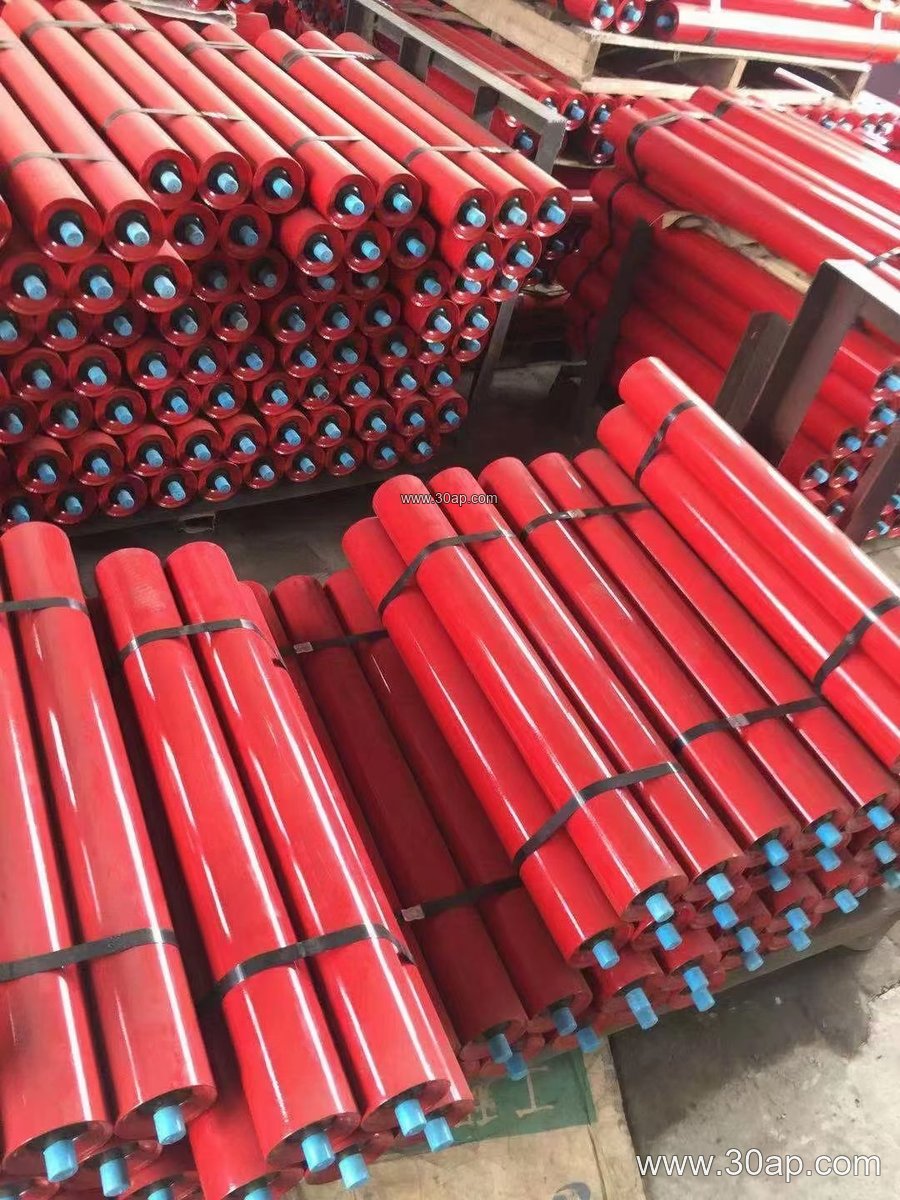
Disc idlers are often used alongside conveyor brackets and conveyor pulleys to complete the support system. Proper alignment during installation ensures even load distribution and extends service life. While disc idlers offer advantages in specific conditions, they are not a universal replacement for all idler types; engineers should evaluate each conveyor section’s requirements.
Key Parameters at a Glance
The table below summarizes common reference values for disc idlers. These are typical examples, not fixed specifications; actual sizes are determined by the conveyor design.
| Parameter | Common Range or Example | Notes |
|---|---|---|
| Roller diameter | Ø89, Ø102, Ø108, Ø127, Ø133, Ø159 mm | Selected based on load and belt width |
| Belt width | B500 to B2000 mm | Idler length varies with belt width and trough angle |
| Trough angle | 20°, 30°, 35°, 45° | Affects material cross-section and idler geometry |
| Bearing | 6204, 6205, 6305, 6306, 6308 | Depends on radial load and speed |
| Disc material | Rubber, polymer | Rubber offers grip and impact absorption |
For more information on conveyor belt and idler compatibility, visit www.example.com/conveyor-idler. Our team can help you match disc idlers to your specific conveyor belt system.