What a Pipe Conveyor Belt Does
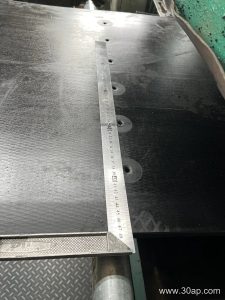
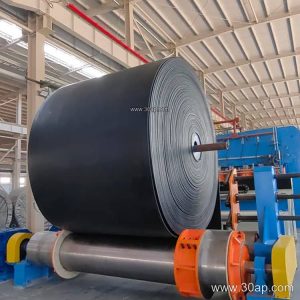
A Pipe Conveyor Belt is a fabric or steel cord conveyor belt that is formed into a closed tube along the carrying run. The belt is flat at the tail pulley, where material is loaded, then gradually curls into a round or nearly round shape through a series of idler roller arrangements. At the discharge end, it opens again so material can be released in a controlled stream. This enclosed profile is the defining feature of the product, and it separates the pipe conveyor belt from conventional troughed belts used on the same plant site.
The closed shape keeps dust inside the tube, protects the material from rain and wind, and allows the route to bend in both horizontal and vertical curves. That flexibility is useful in cement plants, coal preparation areas, power plants, ports, and quarry operations where space is tight or where material spillage must be limited.
Construction and Belt Build
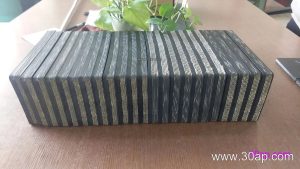
The belt body usually combines a fabric core or a steel cord core with rubber covers. Fabric core options include EP conveyor belt constructions and NN conveyor belt grades, while long, high-tension routes may call for a steel cord conveyor belt. Cover compounds are selected for the duty: abrasion resistant conveyor belt grades for sand, clinker and ore; heat resistant conveyor belt compounds for hot cement or ash; oil resistant conveyor belt covers for oily feedstock; and flame retardant conveyor belt or anti-static conveyor belt builds for underground coal mining and other hazardous areas.
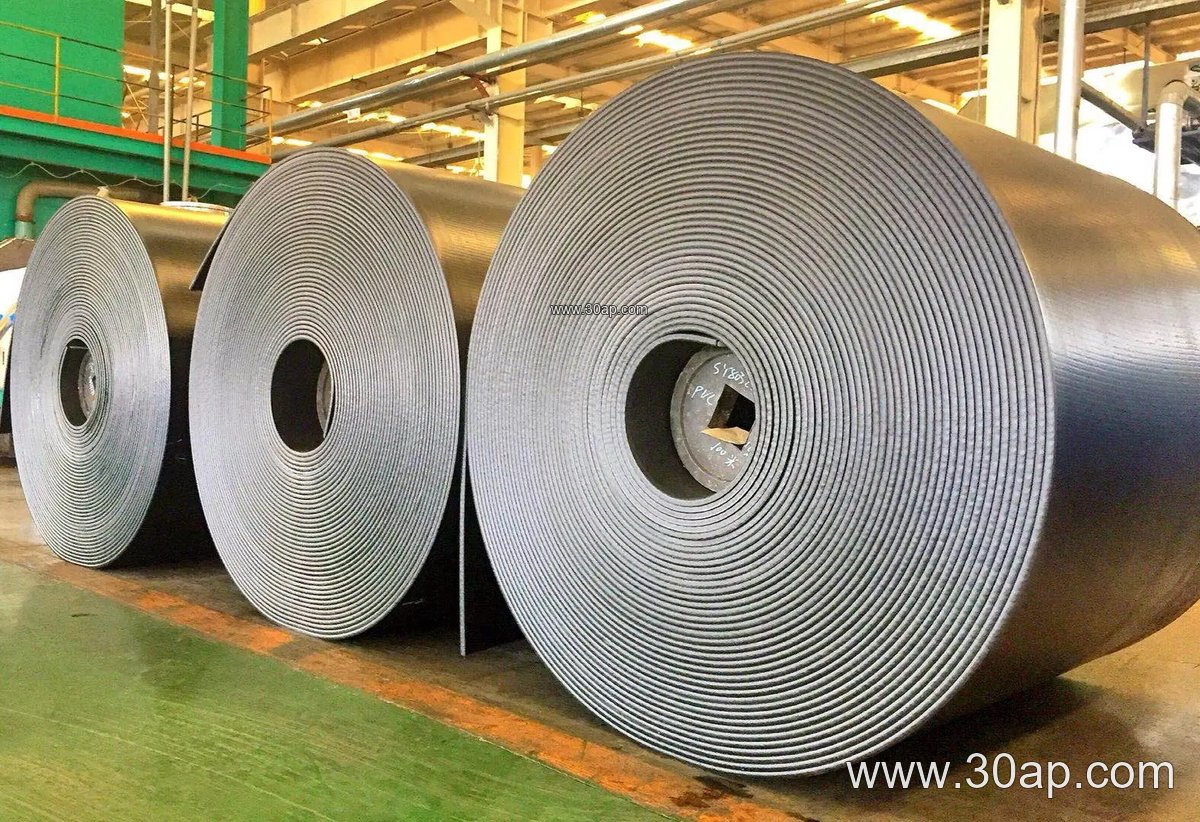
Because the belt must fold into a tube, the carcass and covers need good flexibility and consistent thickness. Edge quality matters as well, since the overlapping edges form the closed seam. A pipe conveyor belt is often specified with a particular transverse rigidity so it holds a stable tube without collapsing, yet still opens cleanly at the discharge.
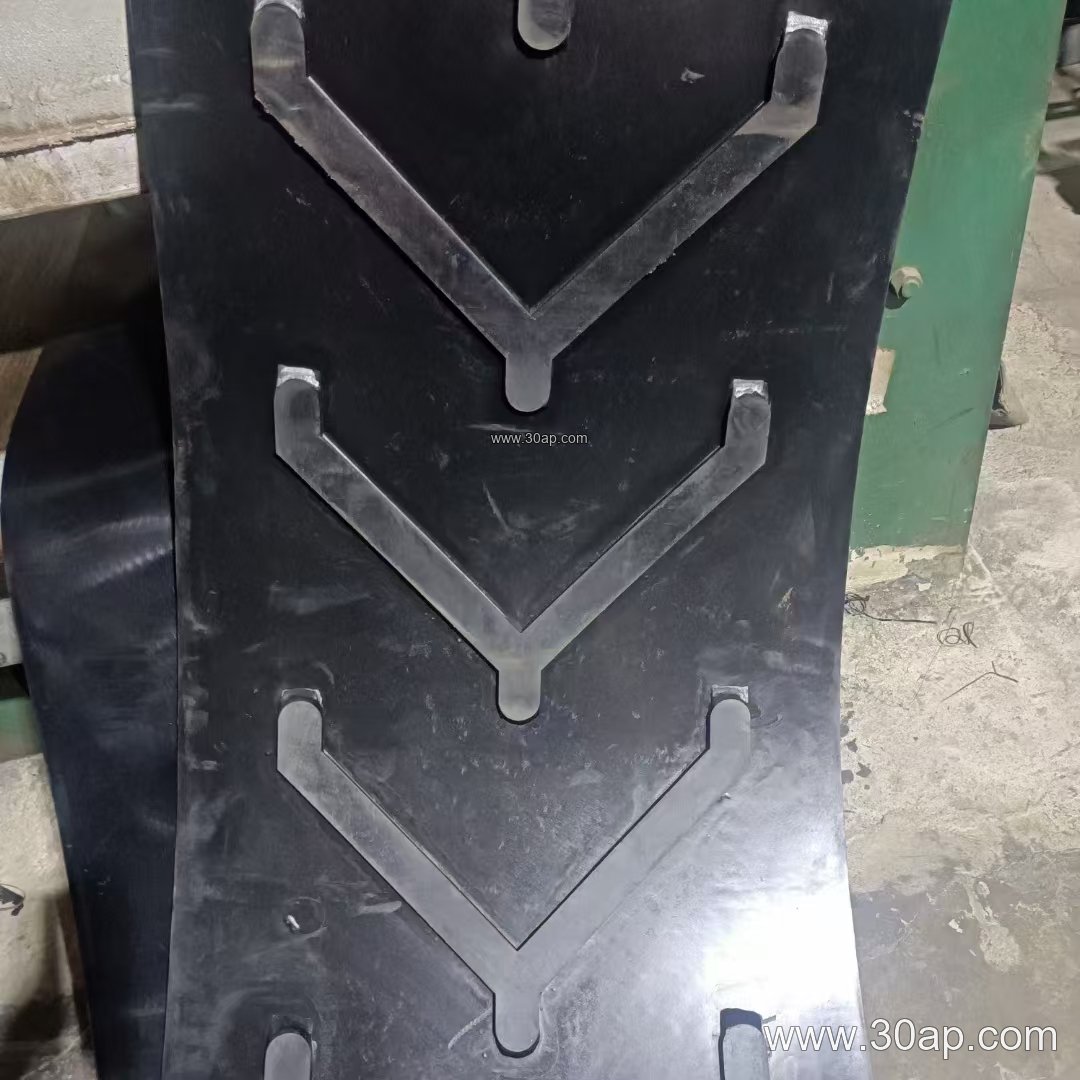
Typical Reference Data
The values below are common reference points only. Actual belt construction is confirmed by the conveyor designer and the belt manufacturer for each project.
- Fabric core grades: EP200, EP315, EP400, EP500, EP630, EP800, EP1000, EP1250, EP1600, EP2000
- Steel cord grades: ST1000, ST1250, ST1600, ST2000, ST2500, ST3150
- Belt widths: B500, B650, B800, B1000, B1200, B1400, B1600, B1800, B2000
- Cover thickness examples: 3+1.5 mm, 4+2 mm, 5+2 mm, 6+2 mm, 8+3 mm
- Carcass plies: commonly 2 to 6 layers in fabric designs
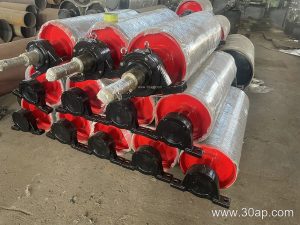
Belt width and pulley diameter are matched by design calculation, not by a fixed rule. A wider belt does not automatically dictate one shaft size, and the drive pulley, tail pulley and bend pulleys each have their own duty in the system.
Where It Fits in the Plant
Pipe conveyor belts appear in mining conveyor belt systems, coal mining conveyor belt routes, cement conveyor belt lines, steel plant conveyor belt installations, power plant conveyor belt circuits, and port conveyor belt or ship loading conveyor belt projects. They also suit aggregate conveyor belt and crusher conveyor belt duty where dust control is important. In a sand making plant conveyor belt or stone crushing conveyor belt layout, the enclosed run can pass over roads and walkways without a full gallery.
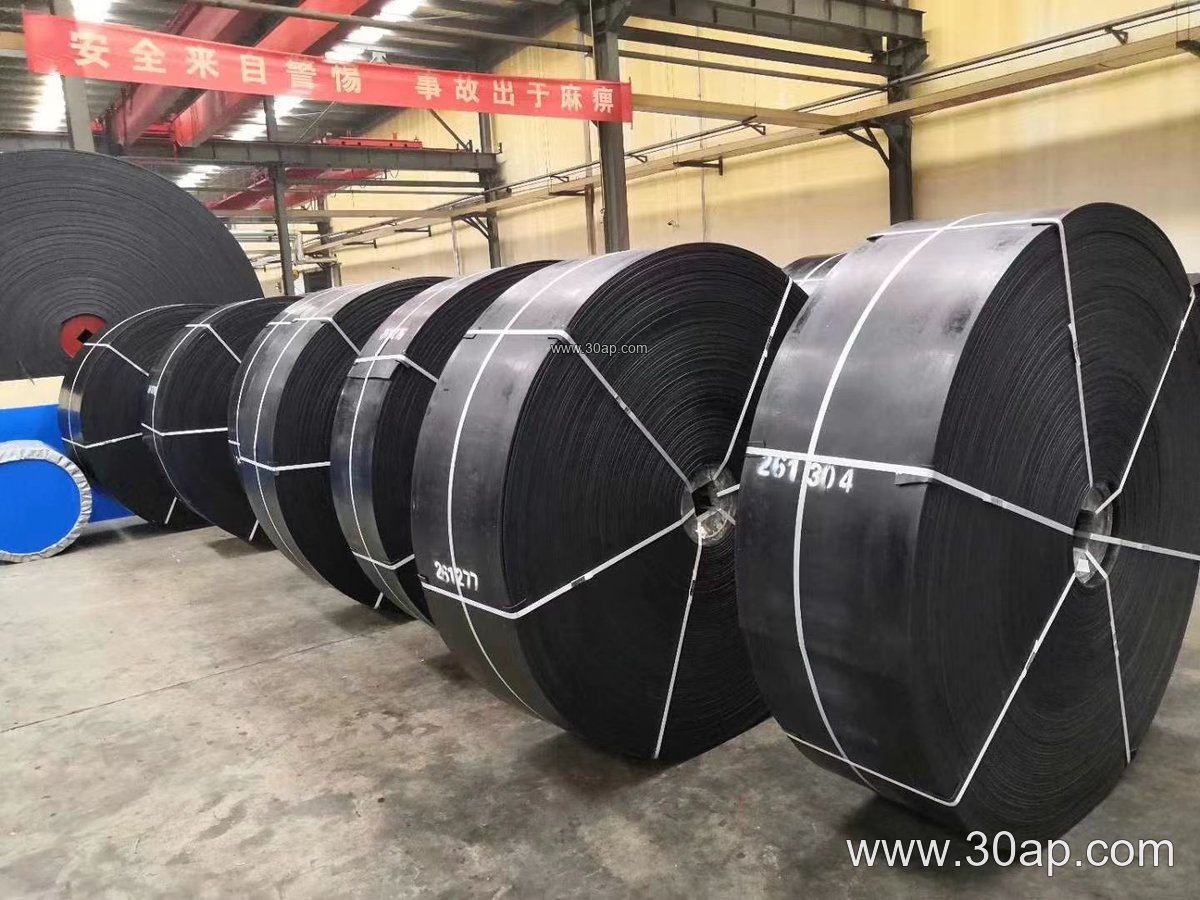
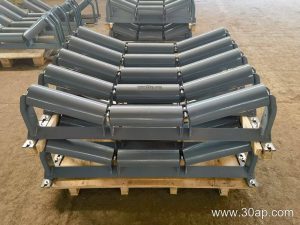
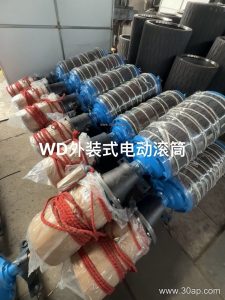
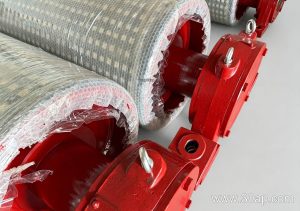
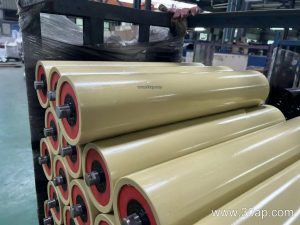
The supporting hardware is part of the same design story. Idler roller frames are arranged in panels that twist the belt into shape, and the conveyor pulley set at the head and tail must be sized for the belt tension. Conveyor bracket details, pulley lagging and take-up arrangements all influence how well the tube stays closed. On a long route, a heavy-duty mining conveyor belt specification may be needed, while a shorter transfer might use a standard EP rubber conveyor belt.
Buyer Checklist
Before ordering, confirm the material type, lump size, bulk density, moisture, temperature and any chemical exposure. State the required capacity, route length, lift, curve radii and the number of curves. Ask for the belt grade, cover thickness, carcass construction, edge design and splice method in writing. For hazardous locations, confirm the flame retardant and anti-static properties required by the site. Also check whether the selected belt is available in the needed width and whether the pulley and idler roller package is designed around the same tension data.
A pipe conveyor belt is not a drop-in replacement for a troughed belt on an existing conveyor. The idler panels, pulley positions and transition lengths are different, so the whole system is engineered together. Buyers who compare a pipe design with a conventional rubber conveyor belt should weigh dust control, route flexibility and spillage against capital cost and maintenance access.