What a 1600mm Conveyor Belt Is
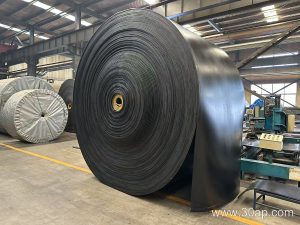
A 1600mm conveyor belt is a wide-width belt designed for conveyor systems that move large volumes of bulk material. The 1600mm figure refers to the belt width, often written as B1600, and it sits in the wide belt range alongside 1400mm and 1800mm options. This width is common in primary crushing circuits, stockyard conveyors, and main haulage lines where tonnage per hour matters more than fine positioning. You will see it in mines, coal preparation plants, cement works, power stations, ports, and large sand and aggregate yards.
The belt itself is not a single product type. A 1600mm conveyor belt can be built as an EP conveyor belt, an NN conveyor belt, a steel cord conveyor belt, or a PVC/PVG belt for underground duty. The width stays the same while the carcass, cover grade, and surface form change with the application.
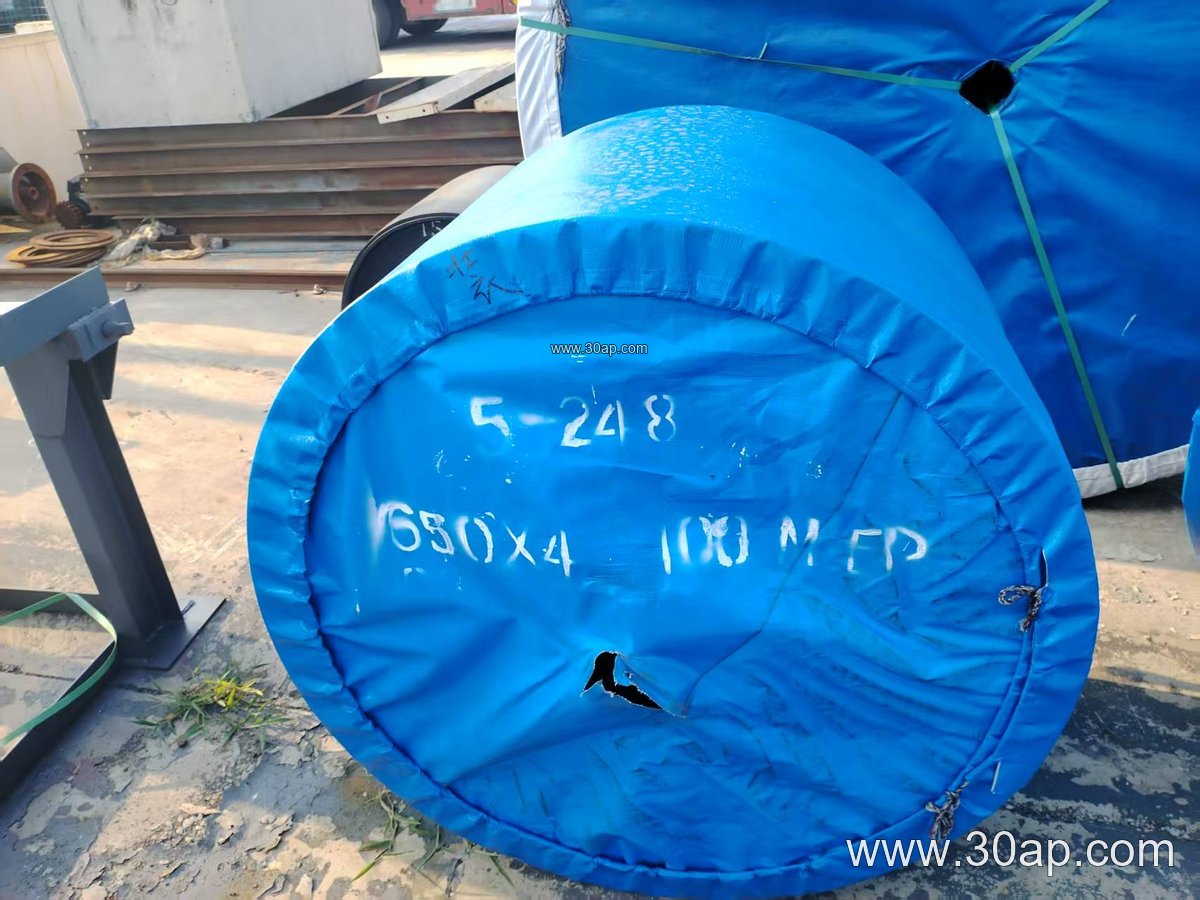
Construction and Common Configurations
Most wide belts use a fabric core or a steel cord core. Fabric Core Conveyor Belt designs are usually Multi-Ply Fabric Core Conveyor Belt constructions with two to six plies. EP Conveyor Belt carcasses use polyester warp and nylon weft, while NN Conveyor Belt carcasses use nylon in both directions. Steel Cord Conveyor Belt designs suit long center distances and high tension. Cover rubber is specified in top and bottom thickness, for example 6+2 mm or 8+3 mm, and the compound is chosen for the duty: Abrasion Resistant Conveyor Belt grades for rock, Heat Resistant Conveyor Belt grades for clinker and sinter, Flame Retardant Conveyor Belt and Anti-Static Conveyor Belt grades for coal, and Oil Resistant Conveyor Belt grades for recycled material streams.
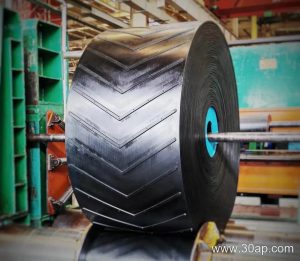
Surface forms matter on inclines. Chevron Conveyor Belt profiles reduce roll-back on slopes, while Corrugated Sidewall Conveyor Belt and Skirted Conveyor Belt designs contain material on steep or transfer-heavy routes. Pipe Conveyor Belt systems can also be supplied in wide flat widths before forming.
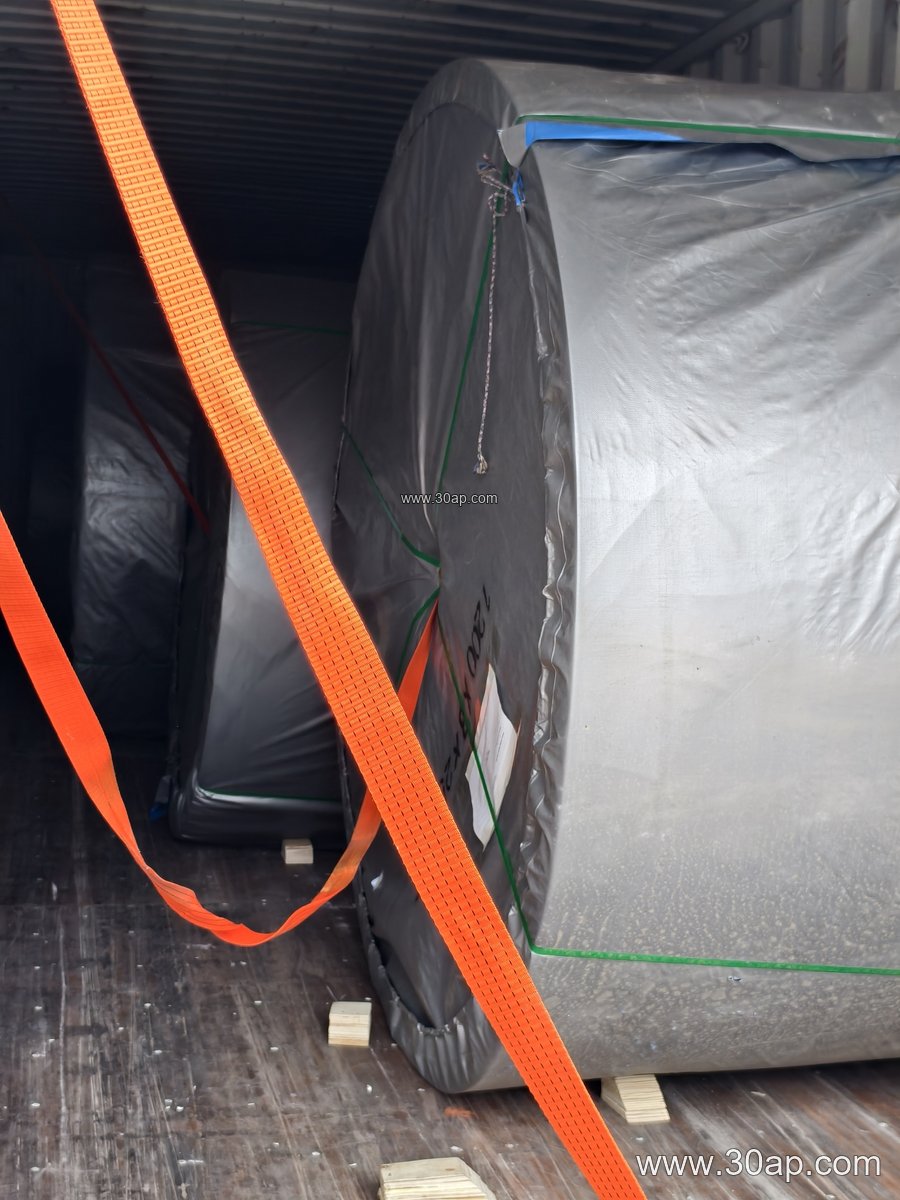
Reference Dimensions and Grades
The table below gives typical reference values. Actual construction is confirmed by design for each conveyor, and different manufacturers build to different figures.
| Item | Common reference values |
|---|---|
| Belt width | B1600 (1600mm); related widths B1400, B1800, B2000 |
| Fabric carcass grades | EP200, EP315, EP400, EP500, EP630, EP800, EP1000, EP1250, EP1600, EP2000; NN100 to NN400 |
| Steel cord grades | ST1000, ST1250, ST1600, ST2000, ST2500, ST3150 |
| Cover thickness | 3+1.5, 4+2, 5+2, 6+2, 8+3 mm |
| Ply count | Usually 2 to 6 layers for fabric cores |
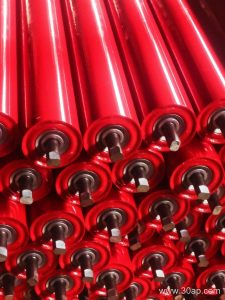
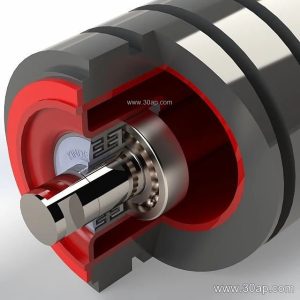
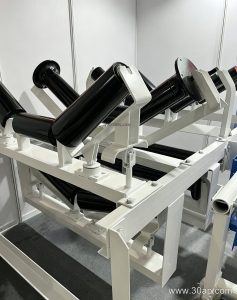
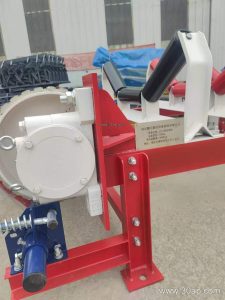
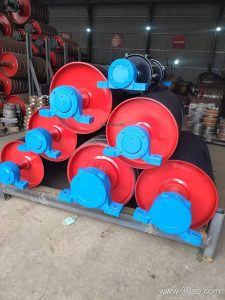
A 1600mm belt is often paired with heavy-duty conveyor pulley and idler roller sets sized by the conveyor designer, not by belt width alone. Drive pulley, tail pulley, and bend pulley each have their own duty, and shaft diameter comes from the tension and torque calculation for the whole system.
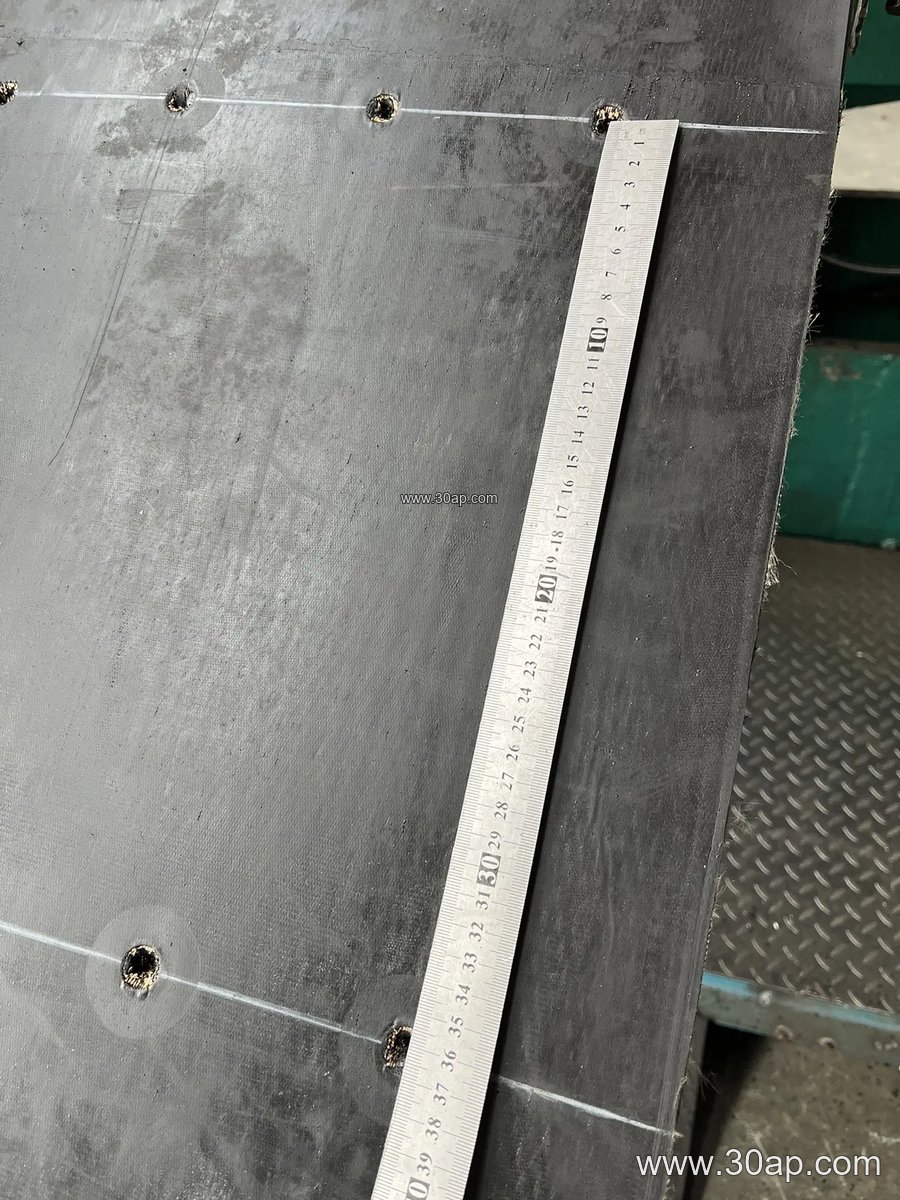
Where It Fits in the Plant
In a quarry or sand making plant, a 1600mm belt typically runs under a primary crusher or on the main stockpile feed. In coal mining, Underground Coal Mining Conveyor Belt and PVG800S Conveyor Belt constructions are common where flame resistance is required. Cement plants use wide belts on clinker and limestone lines, and power plants use them on coal yard and ash handling routes. Port and ship loading conveyors also favor wide belts for high throughput.
Related hardware such as the conveyor bracket, frame, and idler roller should be matched to the belt load and trough angle. A wider belt needs correct transition distances so the edges are not over-stressed at the tail pulley.
Buyer Checklist
- Confirm the actual duty: abrasion, heat, oil, flame, or cold. A single belt cannot cover every condition.
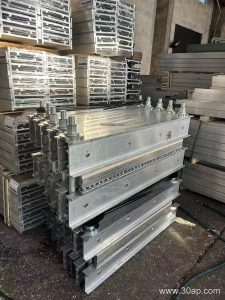
- State carcass type and grade, cover thickness, and whether an Endless Conveyor Belt splice is required.
- Check pulley and idler roller dimensions against the conveyor drawing before ordering.
- Ask for edge condition and tolerances, since wide belts are more sensitive to mistracking.
- Plan storage and lifting: a 1600mm roll is heavy and needs proper handling equipment.
For buyers comparing widths, note that a 1200mm Wide Conveyor Belt or 1500mm Wide Conveyor Belt may suit smaller tonnage lines, while a 1800mm Wide Conveyor Belt or Extra-Wide Conveyor Belt is chosen for the largest feeds. The right choice comes from the conveyor design, not from a fixed rule. Browse conveyor belt, conveyor pulley, and idler roller options at rougherbelt.com to match a 1600mm belt to your line.