What an Assembled Pulley Is
An assembled pulley is a complete, ready-to-mount conveyor pulley that arrives with the shell, shaft, bearings, and locking elements already put together. Instead of sourcing a bare drum and then fitting hubs, bearing housings, and lagging separately, the buyer receives a single unit that can be lifted into the conveyor frame and aligned. In many plants this shortens downtime because the maintenance team is not pressing bearings or welding end discs on site. The same item is also called a conveyor pulley assembly, and it remains a conveyor pulley in function, not a drive, tail, or bend pulley unless the application calls for that specific position.
How the Assembly Is Built
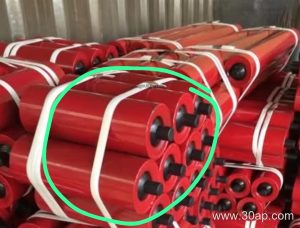
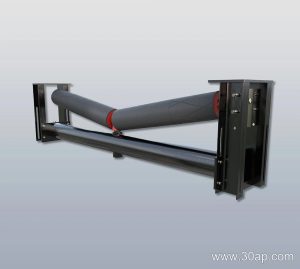
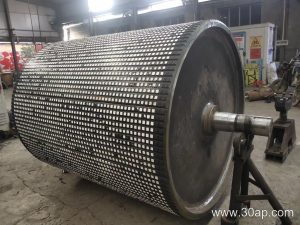
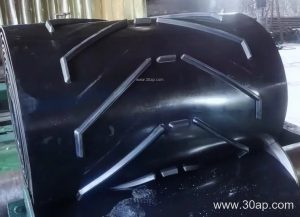
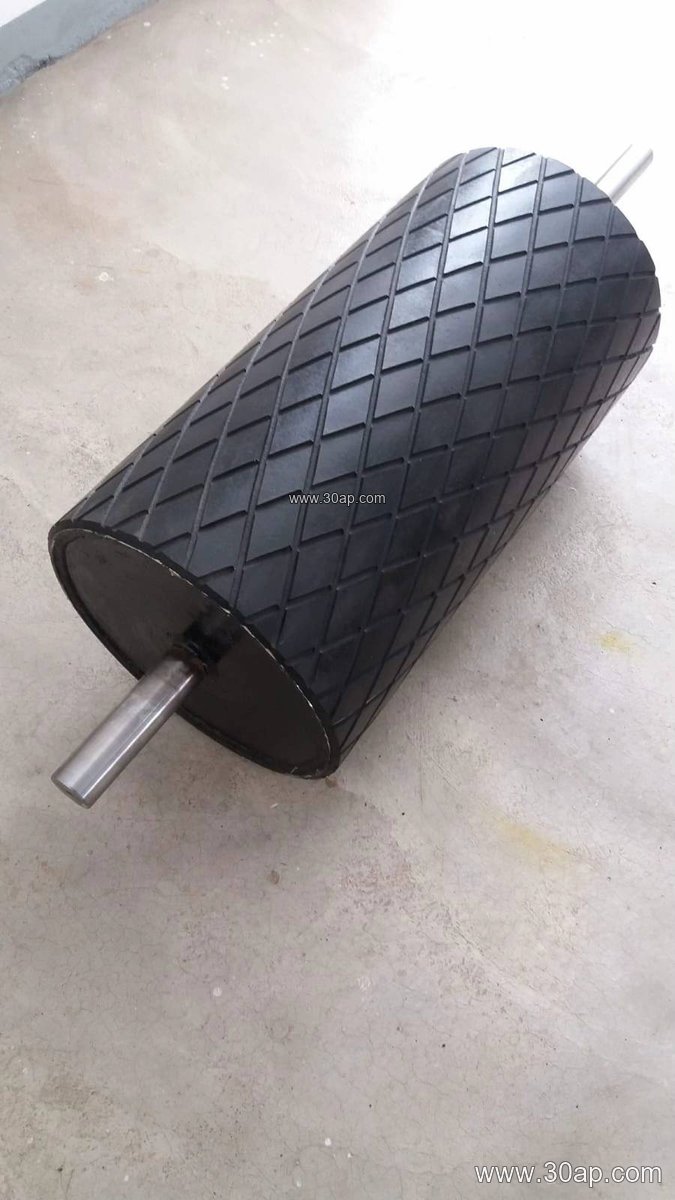
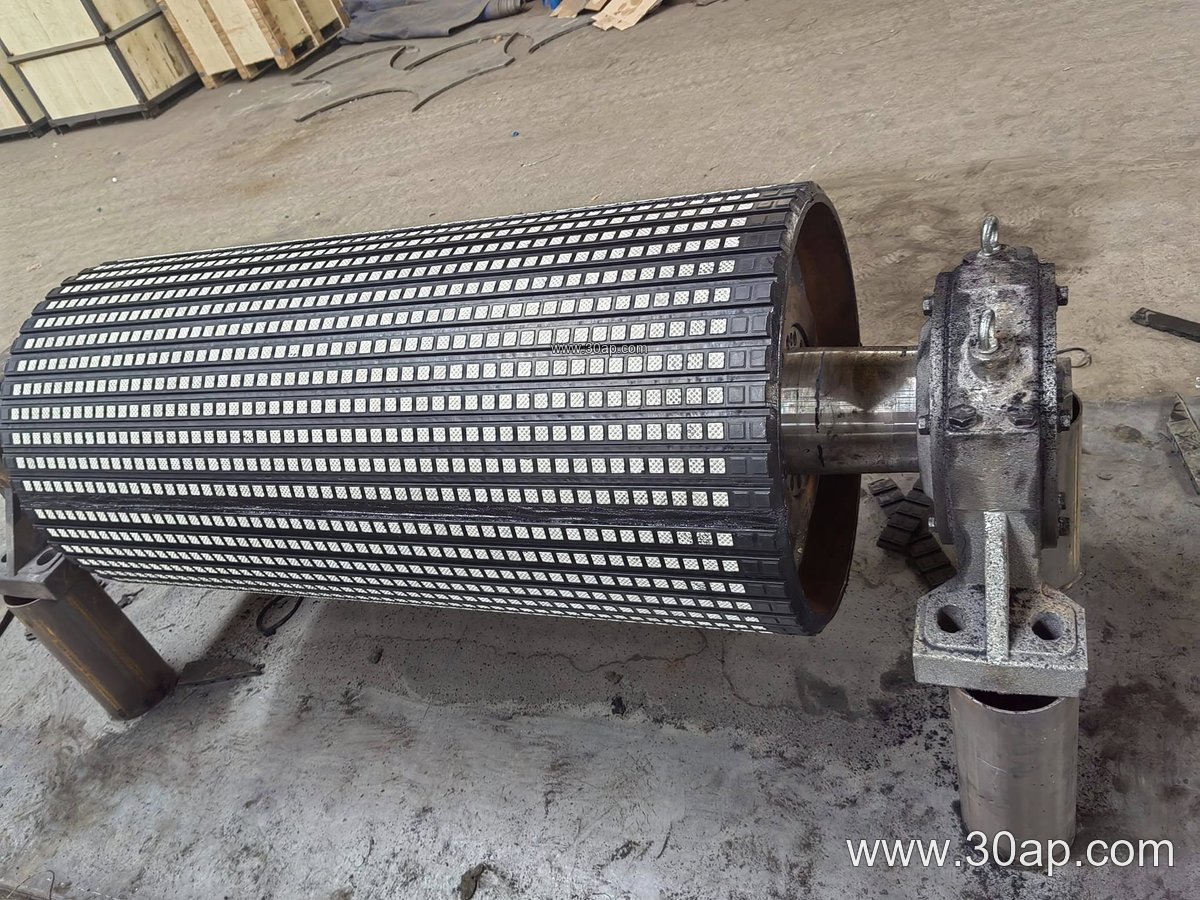
The core is a steel shell, usually machined and then fitted with end discs and a through shaft or stub shafts. Bearing housings sit at each end, and the whole unit is often supplied with a pre-set bearing clearance. Surface treatment is where the assembly becomes application-specific. A plain finish suits light duties, while rubber lagging—applied as cold-bonded sheet, hot-vulcanized rubber, or cast rubber—improves grip and protects the shell. Diamond and herringbone patterns are common where wet or dusty conditions reduce friction. Ceramic lagging is chosen when abrasive carry-back is severe. The buyer should note that the pulley assembly is only one part of the conveyor; the conveyor belt, idler roller, and conveyor bracket must all match the same duty.
Where Assembled Pulleys Are Used
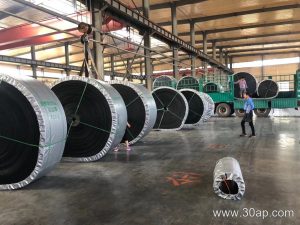
These units appear across bulk handling industries. In a limestone quarry or sand and gravel line, an assembled pulley on the head end drives a heavy-duty mining conveyor belt carrying crushed rock. At a coal washing plant, flame retardant conveyor belt and anti-static conveyor belt are paired with lagged pulleys to reduce slip risk. Cement plants use them on clinker and raw meal lines, while power plant coal yards rely on them for stockyard and transfer conveyors. Port bulk terminals handling iron ore or copper ore often specify larger diameters and thicker lagging to cope with continuous loading. The same assembly can serve as a bend pulley or take-up pulley when the layout requires a change of belt direction or tension control.
Matching the Pulley to Belt Width and Duty
Belt width is a starting point, not a fixed rule. A pulley face width is normally a little wider than the belt, so a B800 belt often runs on a pulley with roughly 950 mm face width, and a B1200 belt on about 1400 mm. Diameter is chosen from torque, belt tension, and the number of plies or steel cords in the belt. Common combinations include B800 × Ø500 and B1200 × Ø1000, but other diameters are equally valid. Shaft diameter is sized from load and torque—typical values range from Ø50 to Ø200—and should not be guessed from belt width alone. The table below shows reference data, not a supply promise.
| Parameter | Common Reference Range |
|---|---|
| Belt width (B) | B400 to B2400 |
| Pulley diameter | Ø200 to Ø1800 |
| Face width | Approx. belt width + 100 to 200 mm |
| Shaft diameter | Ø50 to Ø200 |
| Lagging thickness | 8, 10, 12, 15, 20 mm |
| Surface form | Plain, cast rubber, cold-bonded rubber, hot-vulcanized rubber, diamond, herringbone, ceramic |
Buyer Checklist Before Ordering
- Confirm the pulley position: drive, tail, bend, take-up, or snub. Each has different load and lagging needs.
- State the belt type and tension. An EP conveyor belt, NN conveyor belt, or steel cord conveyor belt will call for different diameter and shaft sizing.
- Specify lagging pattern and thickness. Abrasion resistant conveyor belt and heat resistant conveyor belt may need different surface treatment.
- Check the conveyor bracket and bearing housing dimensions against the frame.
- Ask for the balancing grade and runout data if the pulley will run at higher speed.
- Confirm the shaft keyway and coupling details for the gearbox.
For more information on matching pulleys with conveyor belt, idler roller, and conveyor bracket selections, visit our site at www.example.com/conveyor-pulley-assembly. A well-chosen assembled pulley reduces installation time and keeps the conveyor running smoothly in quarry, cement, and power plant service.