What a Heavy-Duty Impact Idler Does
A heavy-duty impact idler is the roller set placed under a conveyor belt at the point where material first lands. Its job is to absorb the energy of falling rock, ore, clinker or aggregate, protect the belt carcass, and keep the belt line stable instead of bouncing or sagging between frames. In a quarry, crusher discharge, or power plant coal yard, this is often the most abused position on the whole conveyor.
The same product is also called an impact roller or shock-absorbing idler in many plants. Those names describe the same item, and buyers should treat them as equivalent when reading a drawing or a spare-parts list.
How the Roller Is Built
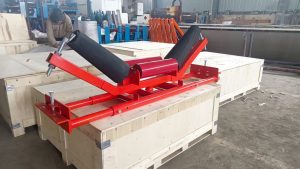
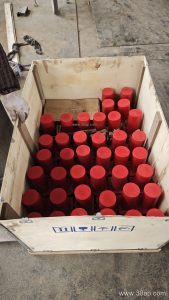
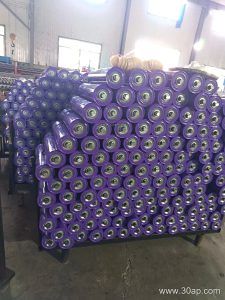
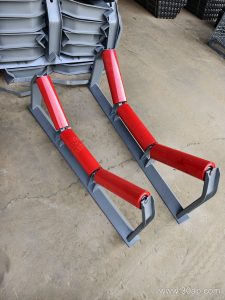
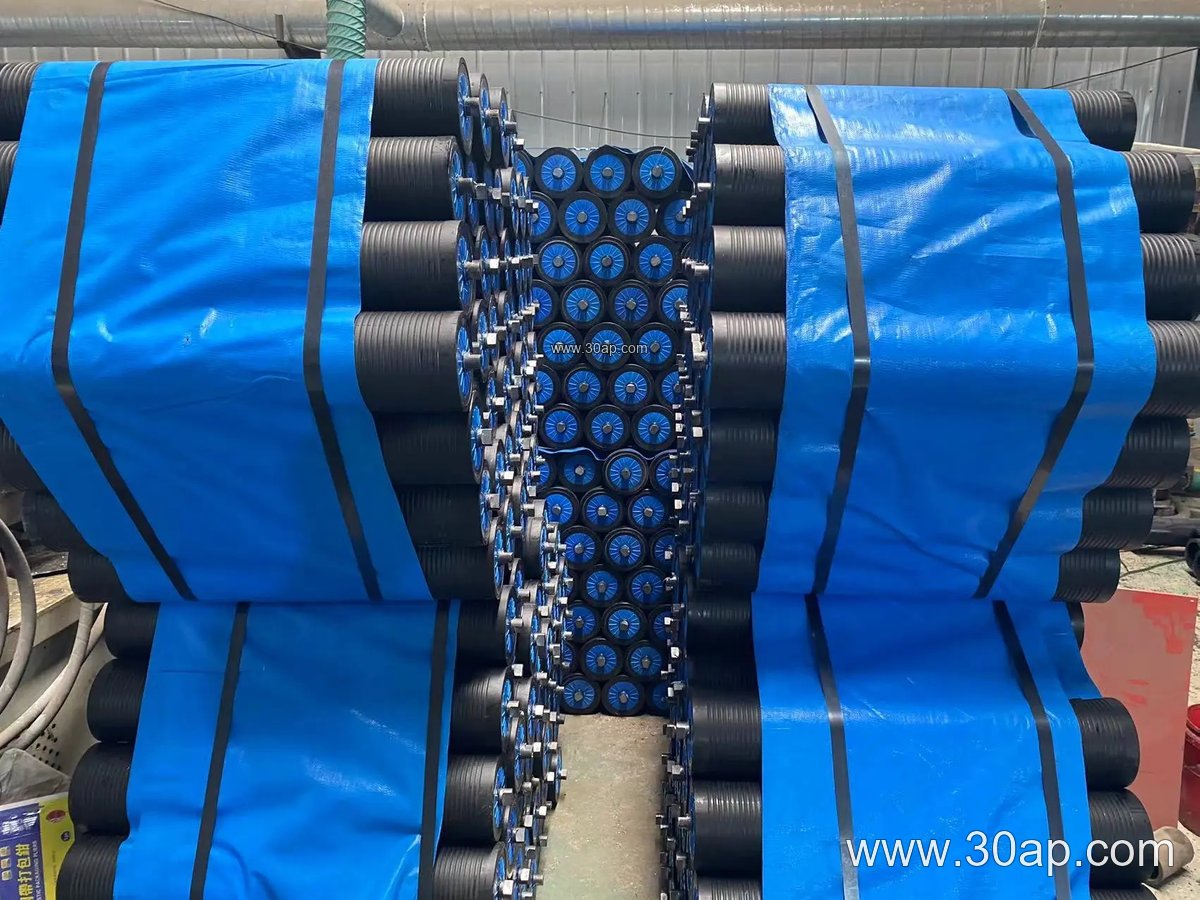
Most designs use a steel tube body fitted with a stack of rubber rings or rubber discs. The rings sit slightly proud of the metal and take the first hit, then flex back. Some versions use a reinforced rubber-covered shell instead of separate rings. The shaft runs through sealed bearing housings, and the whole assembly is mounted in a heavy frame or a set of conveyor brackets at the transfer point.
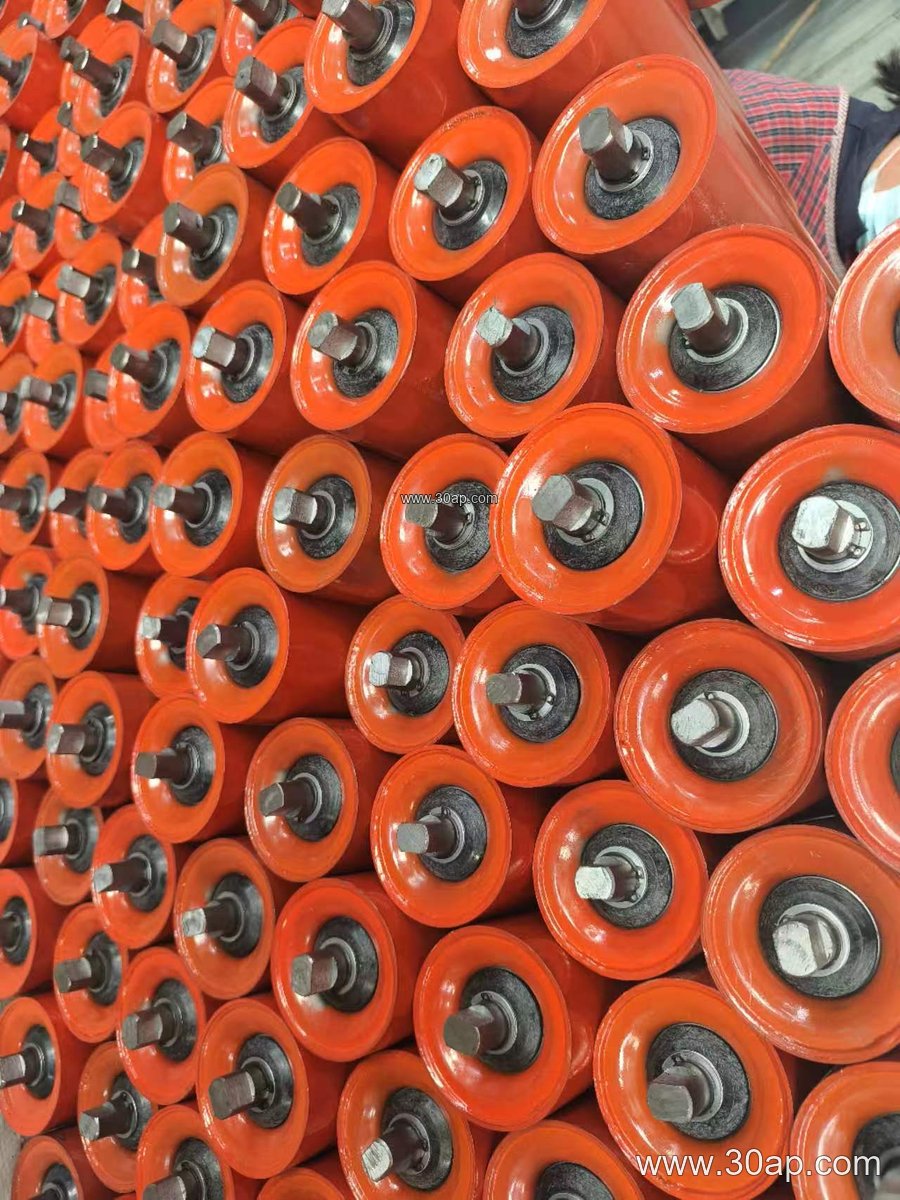
Typical builds include:
- Rubber ring type with a steel core and multiple resilient discs
- Heavy rubber-covered roller with a thick abrasion-resistant sleeve
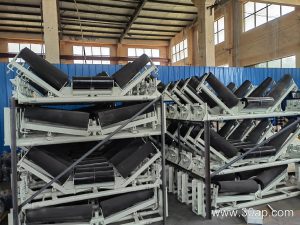
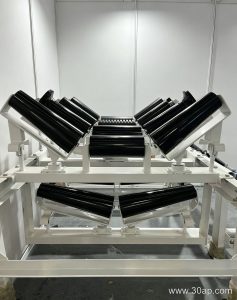
- Multi-roller impact group, often two or three rolls in a trough form
Bearing selection follows the load and the roll diameter, not the belt width alone. Common bearings in this class include 6205, 6305, 6306, 6308 and 6310, with the final choice set by the designer. Labyrinth seals and grease retention matter here, because dust and fines at a transfer point destroy unprotected bearings quickly.
Sizes and Mounting Points
Impact idlers are usually ordered to match the belt and the frame. Roll diameter commonly runs from about Ø89 up to Ø159 or larger, and belt widths from B500 to B2000 are routine. The table below gives indicative pairings only; the actual roll length, trough angle and frame height are set by the conveyor design.
| Belt width | Common roll diameter range | Typical trough angle |
|---|---|---|
| B500 – B800 | Ø89 – Ø108 | 20 – 35 degrees |
| B1000 – B1200 | Ø108 – Ø133 | 30 – 35 degrees |
| B1400 – B1600 | Ø133 – Ø159 | 35 – 45 degrees |
| B1800 – B2000 | Ø159 – Ø194 | 35 – 45 degrees |
These are reference ranges, not fixed rules. A 1200mm wide belt can be paired with more than one shaft or roll diameter depending on tonnage and drop height.
Where It Fits on the Line
The unit belongs at the receiving point, directly beneath the chute or the discharge of a crusher. It is not a substitute for a carrying idler further along the line, nor for a return roller under the empty strand. Those positions use different designs. At a transfer point, the impact group is often followed by transition idlers that gradually bring the belt into its full trough profile.
Typical duty locations include crusher discharge in a sand and gravel plant, raw material receiving at a cement works, coal handling in a power station, and ore transfer in an iron or copper mine. In each case the falling stream is the enemy, so the idler is chosen for energy absorption first and rolling resistance second.
Matching the Belt and the Load
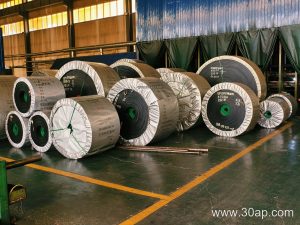
The idler only works as well as the belt above it. A heavy impact zone usually calls for a robust carcass, such as an EP Conveyor Belt or a Steel Cord Conveyor Belt, and often an Abrasion Resistant Conveyor Belt cover. Where the material is hot, a Heat Resistant Conveyor Belt may be needed, and underground coal work normally requires a Flame Retardant Conveyor Belt. A skirted or corrugated sidewall belt at the loading point needs extra clearance around the roller stack.
Buyers should confirm the drop height, the lump size, the maximum belt speed and the belt tension before ordering. A shock-absorbing roller sized for a gentle transfer will fail fast under a two-metre drop of coarse rock.
What to Check Before Buying
- Roll diameter and shaft size confirmed against the frame drawing
- Rubber ring hardness and thickness suited to lump size and drop height
- Sealing arrangement rated for the local dust level
- Mounting height and hole spacing compatible with the existing conveyor brackets
- Spare ring or sleeve availability, since impact zones wear first
At sites such as a limestone quarry or a coal preparation plant, it also pays to inspect the loading chute. A well-shaped chute that puts material onto the belt at a shallow angle reduces the load on the heavy-duty impact idler and lengthens the life of the whole conveyor belt line.