What an Extra-Wide Conveyor Belt Is
An extra-wide conveyor belt is a heavy-duty belting product built with a large overall width, typically from around 1800 mm upward, to carry bulk materials in high-volume circuits. Instead of running two or three narrower lines in parallel, a single wide belt can move a broad, deep material stream through a crushing, screening, or stockpiling stage. In mining, coal preparation, cement plants, power stations, ports, and large sand and gravel yards, this kind of belt is often the backbone of the main haulage route.
The product is still a conveyor belt in the ordinary sense, but its width changes how it is engineered, installed, and maintained. A very wide carcass must resist edge curl, troughing stress, and uneven loading across the full span, so construction details matter more than they do on a standard 800 mm or 1000 mm line.
How the Belt Is Built
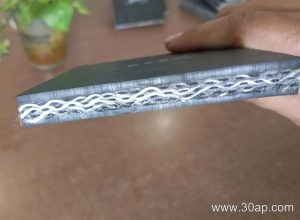
Most extra-wide belting uses a fabric core or a steel cord tension member. Fabric constructions such as EP conveyor belt and NN conveyor belt are common where flexibility and troughability are needed, while steel cord conveyor belt designs suit long center distances and high tension. A wide belt may also be supplied as a multi-ply fabric core conveyor belt with two to six plies, depending on the duty.
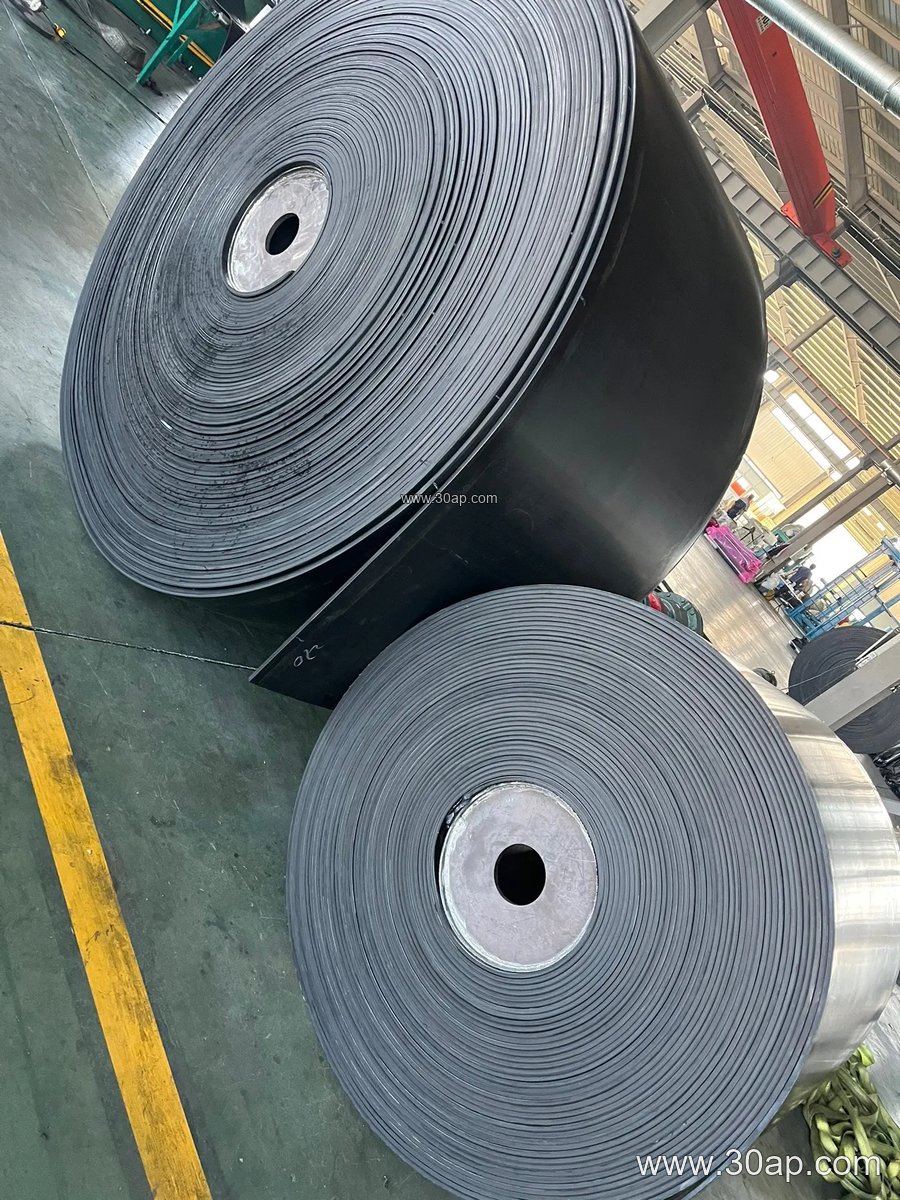
Cover rubber is selected for the cargo and the environment. An abrasion resistant conveyor belt handles sharp rock and ore, a heat resistant conveyor belt serves clinker and sinter, and a flame retardant conveyor belt or fire resistant conveyor belt is specified for coal mining conveyor belt and underground coal mining conveyor belt circuits. Oil resistant, cold resistant, and anti-static grades are available where the site demands them. Edge quality, splice design, and squareness are critical on wide belting because a small deviation becomes a large tracking problem across a 2000 mm span.
Typical Widths and Related Parameters
Reference data below is indicative only. Actual values are confirmed by the manufacturer and the conveyor design, not by a universal rule. Width and pulley diameter are separate design decisions and should not be treated as a fixed pair.
| Parameter | Common reference range |
|---|---|
| Belt width | B1400, B1600, B1800, B2000, and wider custom builds |
| Fabric core grades | EP200, EP315, EP400, EP500, EP630, EP800, EP1000, EP1250 |
| Steel cord grades | ST1000, ST1250, ST1600, ST2000, ST2500 |
| Cover thickness | 4+2 mm, 5+2 mm, 6+2 mm, 8+3 mm |
| Ply count | 2 to 6 plies in fabric constructions |
Examples such as an EP1000 1800mm conveyor belt or an EP1250 2000 mm wide belt appear in bulk terminal and quarry projects, but the final grade depends on tension, load, and safety factor. A 1500mm wide conveyor belt is also used where the tonnage is moderate and the structure is already fixed.
Where Wide Belting Fits
Wide belts are found at primary crusher discharge, where a rock conveyor belt receives coarse feed; at stacker and ship loading conveyors in ports; and in cement plant and power plant coal yards. A quarry conveyor belt or aggregate conveyor belt running at 1800 mm to 2200 mm can merge several product streams. In iron ore, copper ore, and gold mining, an ore conveyor belt of this class reduces transfer points and dust generation.
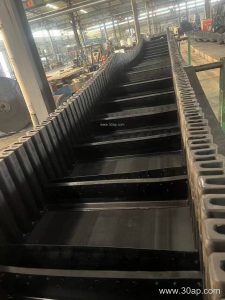
Specialty versions extend the range. A corrugated sidewall conveyor belt or skirted conveyor belt keeps material on a wide, steep incline; a chevron conveyor belt adds grip on sloped sections; a pipe conveyor belt is a different concept entirely and is mentioned only for comparison, not as a substitute. Food grade and acid resistant grades exist but are less typical at this width.
Buyer Checklist
- Confirm the required width against the actual conveyor frame, not against a nominal figure.
- State the material, lump size, temperature, and any fire or anti-static requirement.
- Check the tension rating and splice method with the conveyor designer.
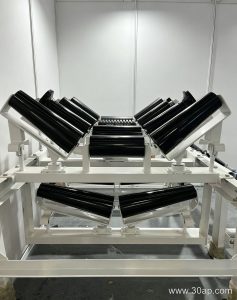
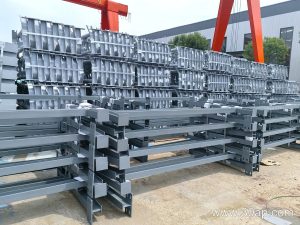
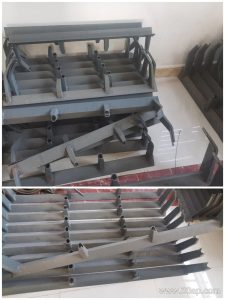
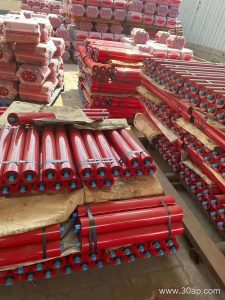
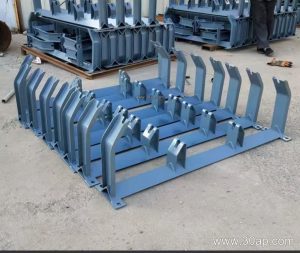
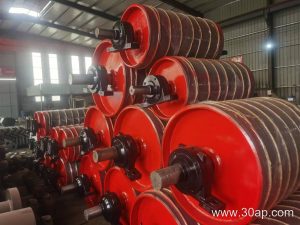
- Review conveyor pulley alignment, idler roller spacing, and conveyor bracket condition before fitting a wider belt.
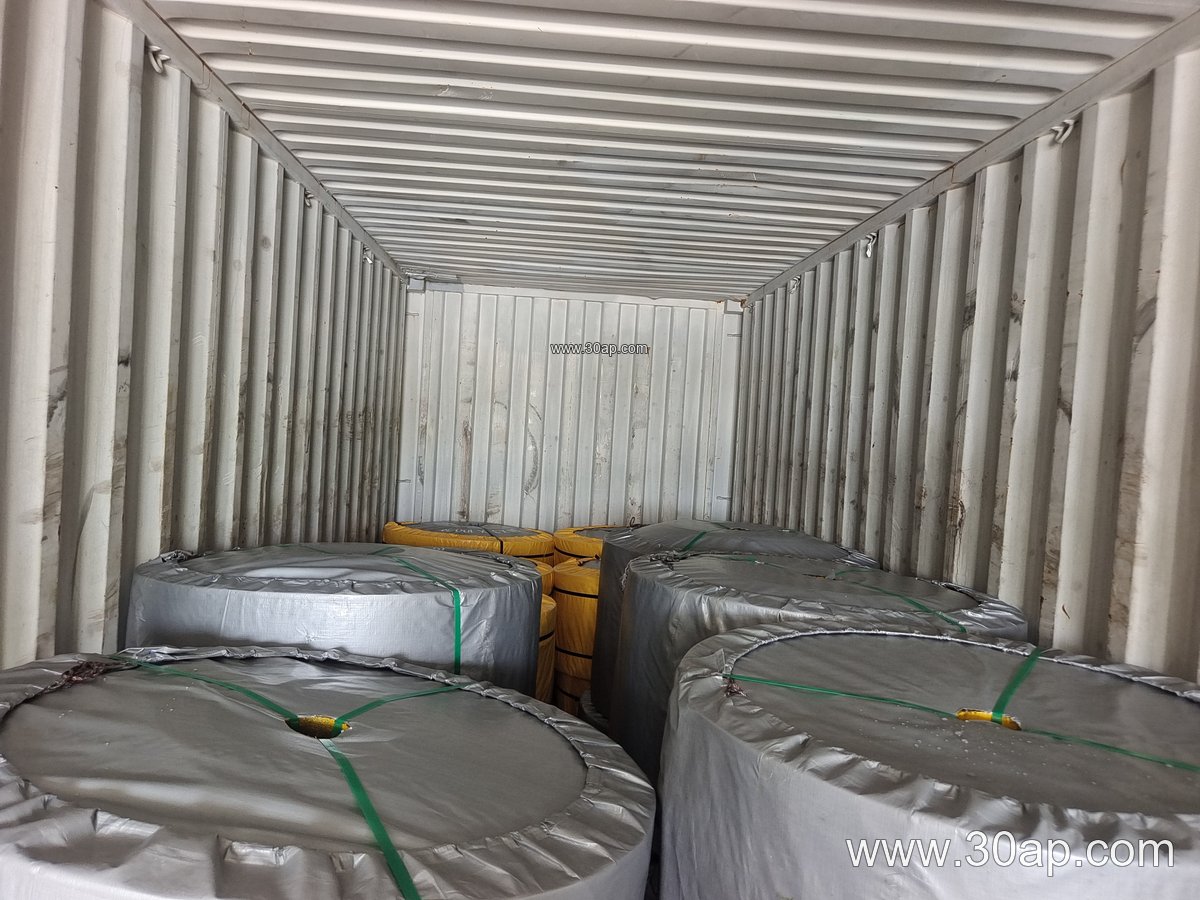
- Plan lifting equipment and a straight, level splice area, since wide belts are heavy and unforgiving during installation.
- Ask about edge protection and tracking guides for long, wide runs.
For matching components, see the conveyor belt, idler roller, and conveyor pulley ranges at rubberbeltpro.com. A well-specified extra-wide conveyor belt, paired with correctly aligned rollers and pulleys, keeps high-tonnage lines running smoothly in mines, cement works, power plants, and aggregate yards.