What the 1200mm Conveyor Belt Is
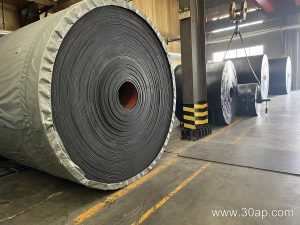
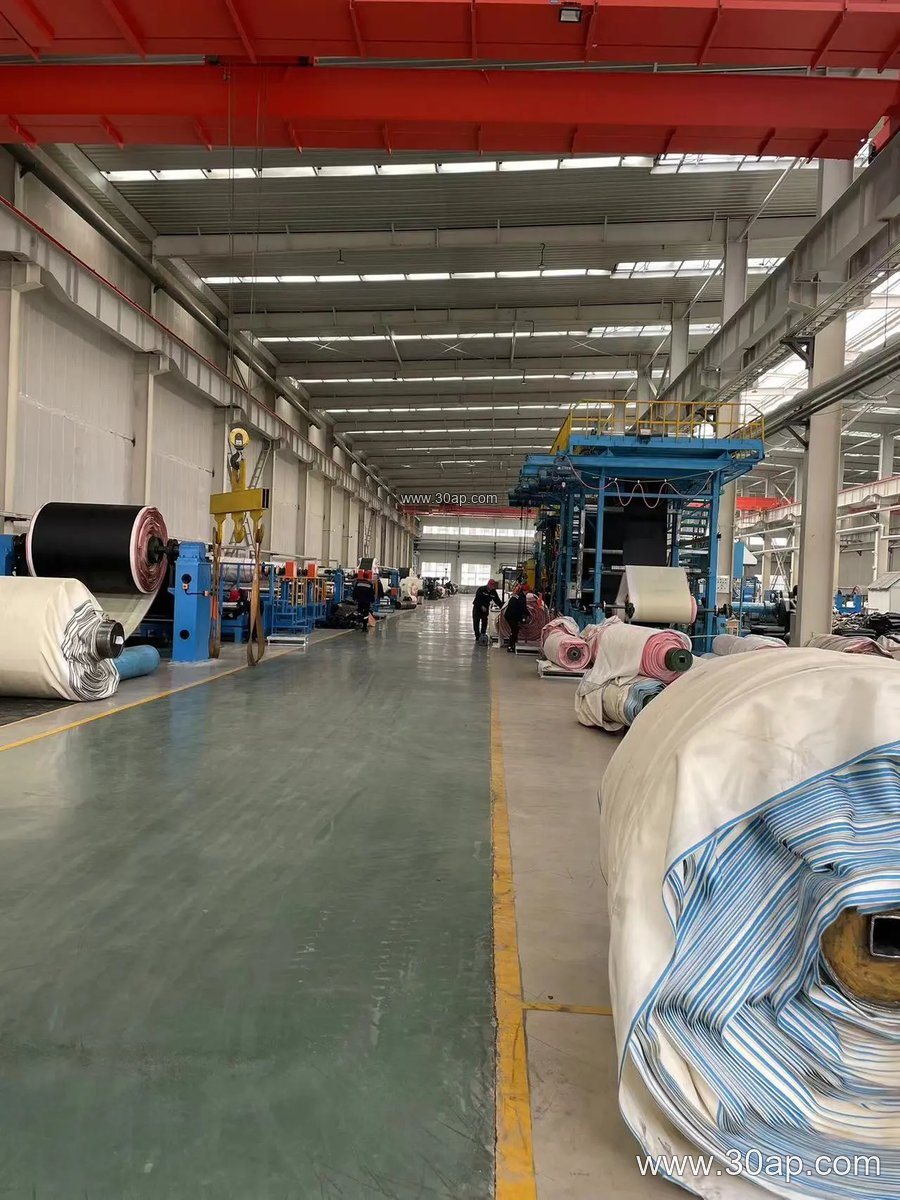
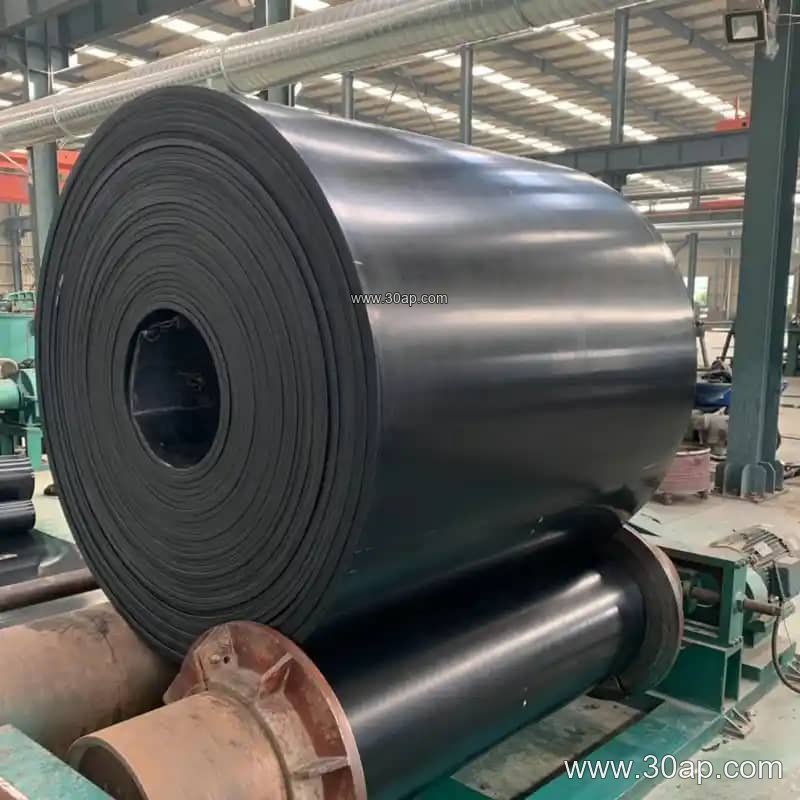
A 1200mm conveyor belt is a heavy-duty rubber or fabric-reinforced belt with a nominal width of 1200 millimeters, commonly used in quarry, mining, cement, and power plant material handling. This 1200mm wide conveyor belt sits in the mid-to-large width range, bridging narrower 800mm or 1000mm belts and wider 1400mm or 1600mm units. It is not a single product but a width class available in several constructions, including EP conveyor belt, NN conveyor belt, and steel cord conveyor belt.
Construction and Common Specifications
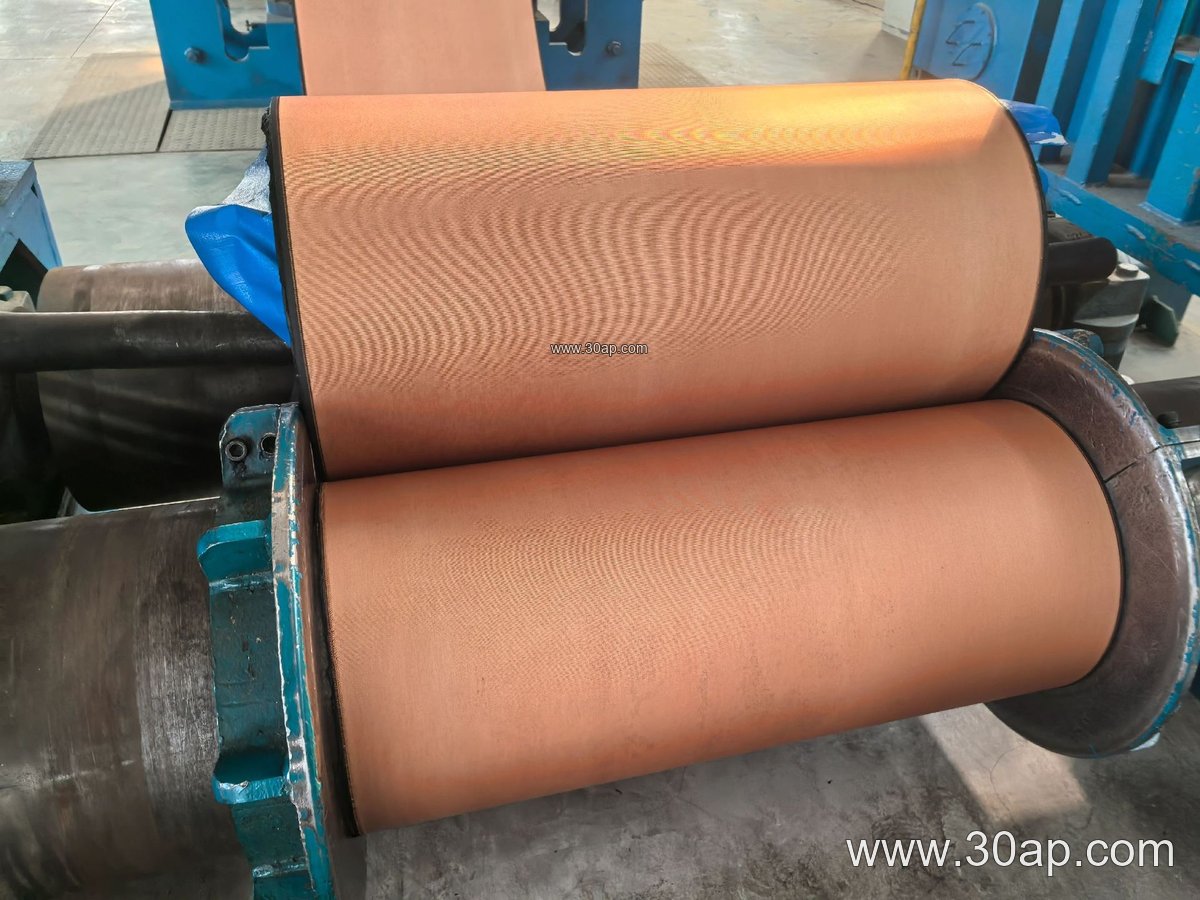
The belt body usually combines a fabric or steel cord carcass with rubber covers. For a 1200mm conveyor belt, common carcass options include multi-ply fabric core (2 to 6 plies) and steel cord. Cover grades may be abrasion resistant, heat resistant, flame retardant, oil resistant, or anti-static, depending on the duty. The table below shows representative reference values, not fixed supply promises.
| Property | Common Reference Range |
|---|---|
| Belt width | 1200 mm (B1200) |
| Fabric type | EP or NN |
| Strength grades (EP) | EP200, EP315, EP400, EP500, EP630, EP800, EP1000 |
| Cover thickness | 4+2 mm, 5+2 mm, 6+2 mm, 8+3 mm |
| Carcass plies | 2 to 6 |
For high-tension mainlines, a steel cord conveyor belt such as ST1000 or ST1250 may be selected. For underground coal mining, PVG conveyor belt (for example PVG800S) or flame retardant conveyor belt constructions are often specified. A 1200mm conveyor belt can be supplied as an endless conveyor belt for fixed installations or with mechanical fasteners for easier replacement.
Where It Is Used
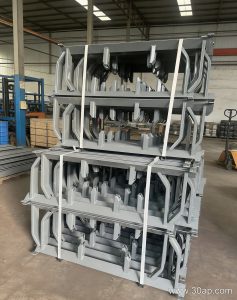
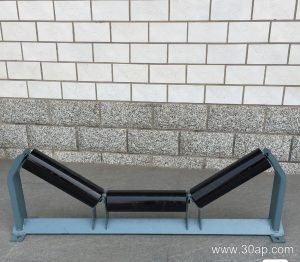
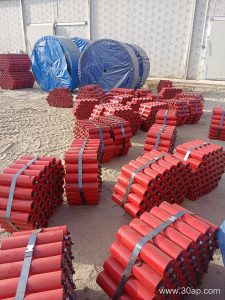
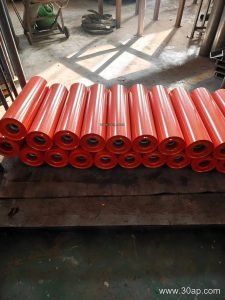
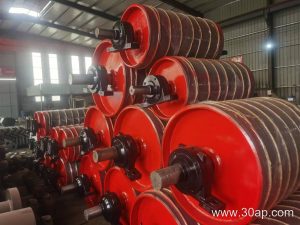
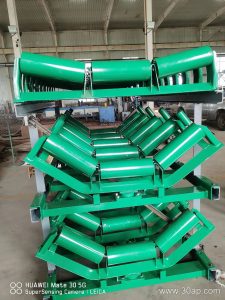
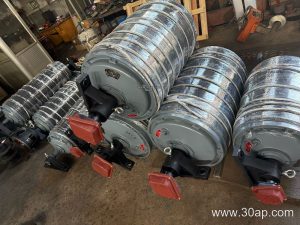
This width is common in quarry conveyor belt systems moving crushed stone, in cement plant conveyor belt lines feeding raw mills, and in power plant conveyor belt circuits handling coal. In mining, a 1200mm conveyor belt may serve as a trunk belt in underground mining or as a shiftable bench belt in open-pit operations. It also appears in port conveyor belt and ship loading conveyor belt systems where a balance between capacity and belt weight matters. The belt works with idler roller sets, conveyor pulley assemblies, and conveyor bracket frames sized for the duty.
Typical industries include:
- Sand and aggregate plants
- Coal mining and coal preparation
- Cement and clinker lines
- Iron ore and copper ore handling
- Power stations and steel plants
Selection Notes for Buyers
Choosing a 1200mm conveyor belt starts with the material: lump size, abrasiveness, temperature, and oil or chemical exposure. An abrasion resistant conveyor belt is common for rock and ore; a heat resistant conveyor belt suits clinker or sinter; a flame retardant conveyor belt is typical for coal mining conveyor belt use underground. The required tensile strength depends on conveyor length, lift, and load, not on width alone. A 1200mm belt may run on different conveyor pulley diameters and shaft sizes depending on the conveyor design, so the belt supplier and conveyor designer should confirm compatibility together.
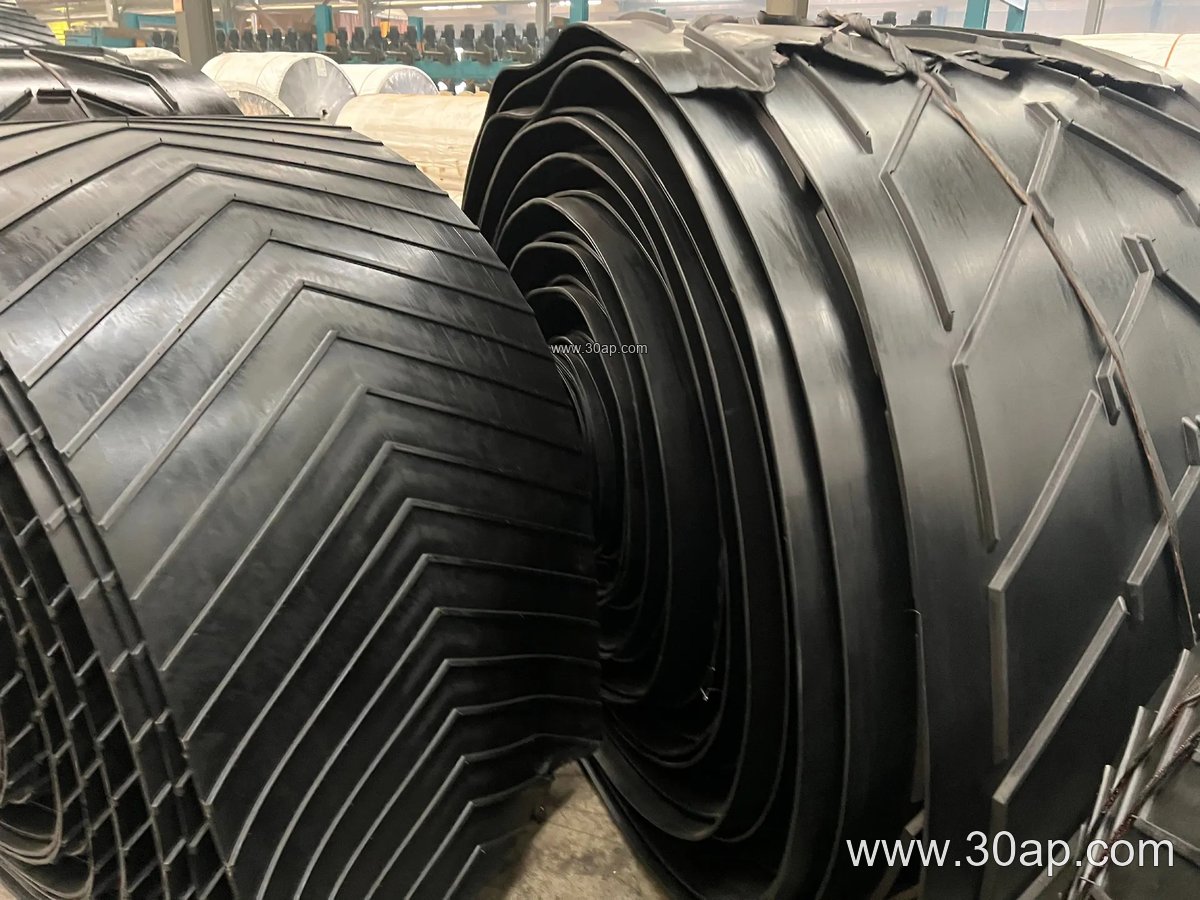
Buyers should also specify cover thickness, carcass type, and edge condition. For steep inclines, a chevron conveyor belt or corrugated sidewall conveyor belt may be compared, but these are different belt types and should not be treated as replacements for a standard 1200mm conveyor belt. For dusty or explosive environments, anti-static conveyor belt properties may be relevant. Maintenance checks should include belt tracking, splice condition, idler roller rotation, and pulley lagging wear.
Handling and Maintenance
Storage matters: keep the 1200mm conveyor belt on a suitable core, away from direct sunlight and ozone sources. During installation, align the belt with the conveyor pulley and check that conveyor bracket supports are square. Regular inspection of the idler roller and conveyor pulley helps prevent edge damage. A well-matched 1200mm conveyor belt, selected for the actual duty, supports stable output in quarry, mining, cement, and power plant operations.