What an Endless Conveyor Belt Is
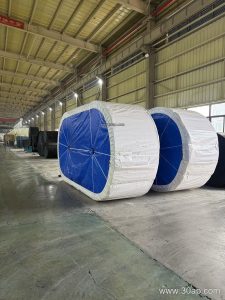
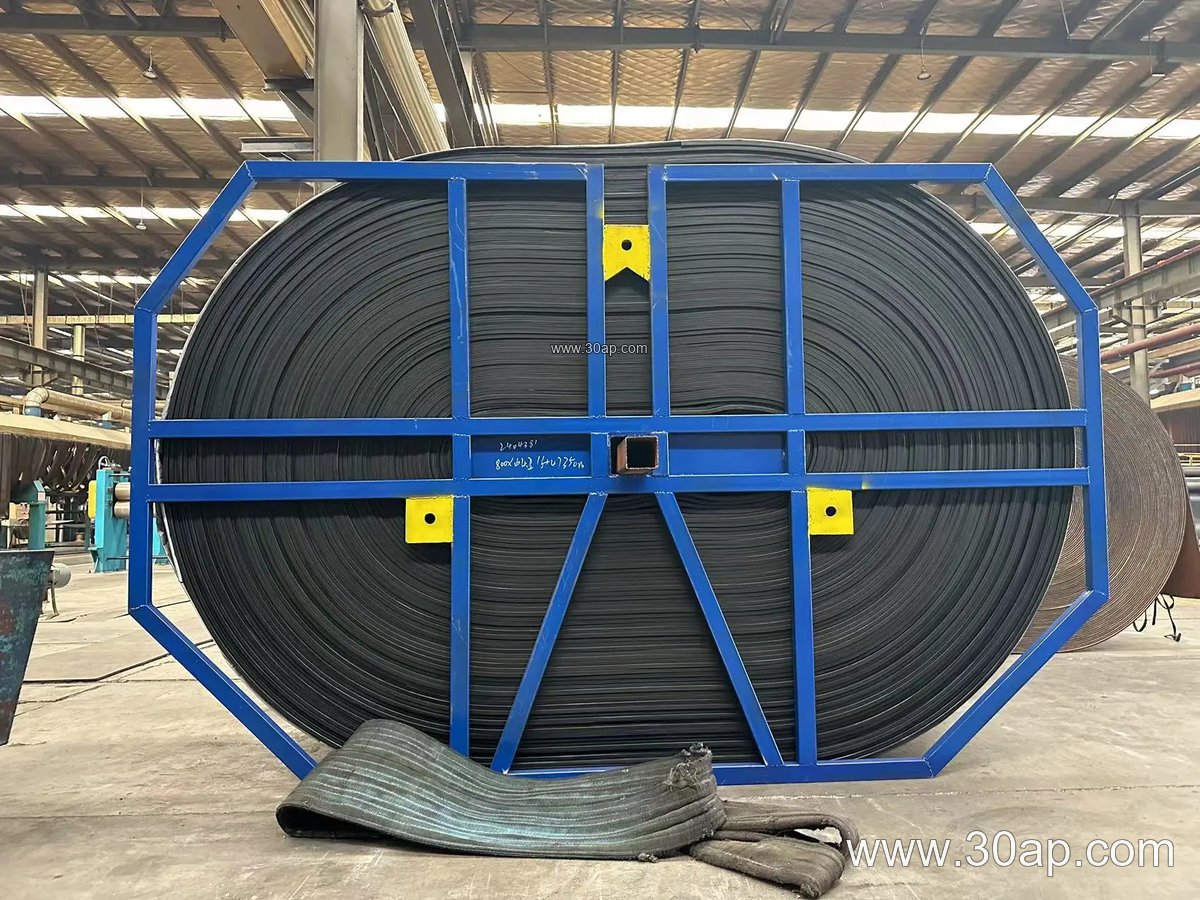
An endless conveyor belt is a closed-loop belt that is spliced or vulcanized into a continuous ring before installation. Unlike an open belt that is joined on site, this belt arrives ready to run, which reduces downtime and helps maintain consistent tension around the drive pulley, tail pulley, and bend pulleys. In bulk handling operations—from a quarry face to a cement plant clinker line—the endless design supports smooth, uninterrupted transfer of abrasive or heavy loads.
Because the belt is already joined, the splice quality is controlled at the factory. This matters in demanding industries such as mining, coal preparation, power plants, and sand and gravel yards, where a weak joint can lead to premature failure. The endless construction is common for both fabric core and steel cord belts, including EP conveyor belt and NN conveyor belt grades.
Construction and Material Options
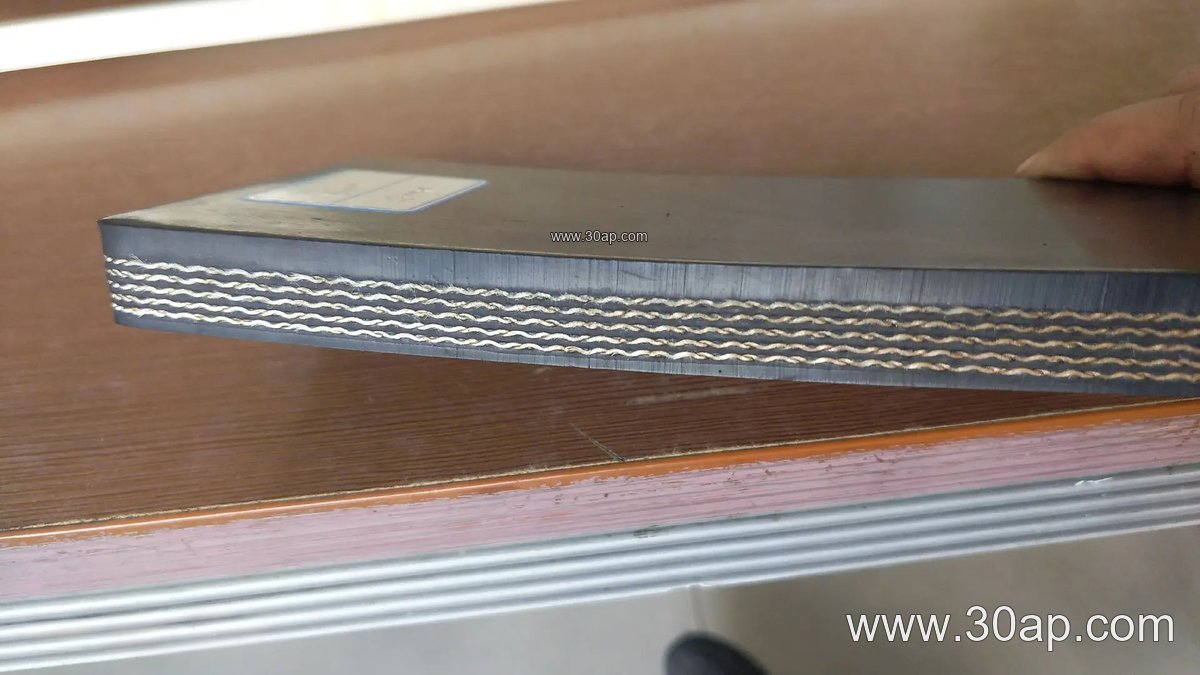
The belt body usually combines a tension-bearing carcass with rubber covers. The carcass may be multi-ply fabric, such as EP or NN, or steel cord for high-strength duties. Cover compounds are selected to resist abrasion, heat, oil, flame, or cold, depending on the service environment. For example, a heat resistant conveyor belt in a cement plant kiln area differs from a flame retardant conveyor belt used in underground coal mining.
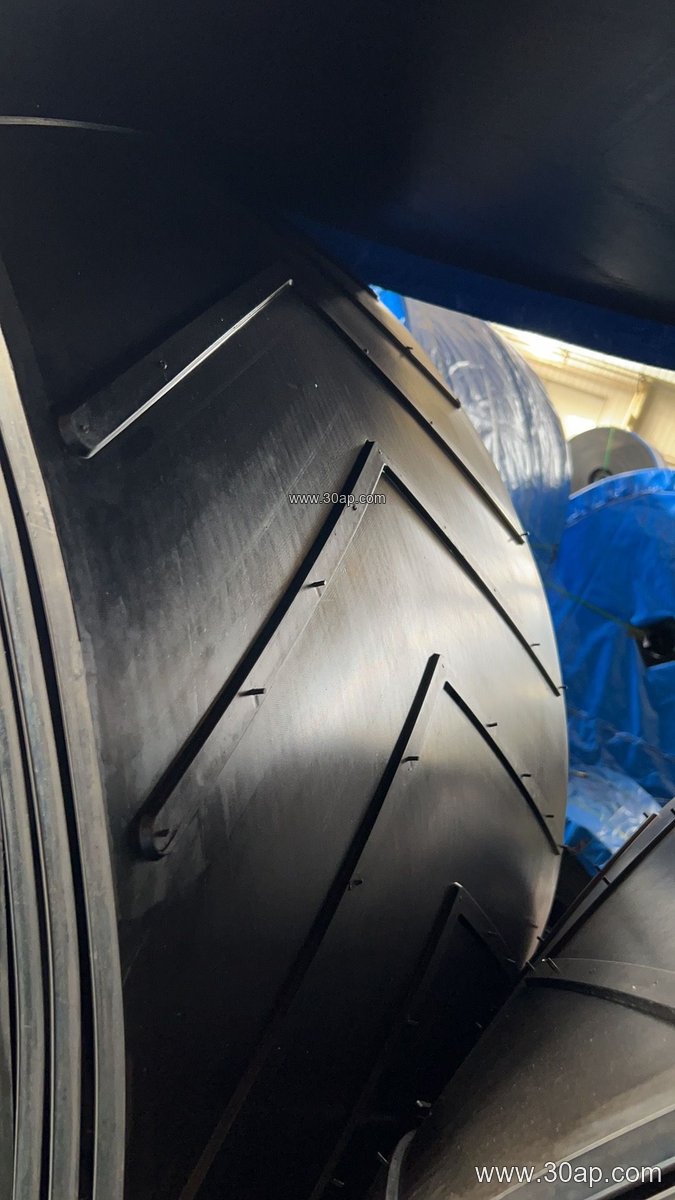
- Carcass types: EP conveyor belt, NN conveyor belt, steel cord conveyor belt, PVC or PVG for underground applications.
- Surface options: smooth, chevron conveyor belt for incline control, corrugated sidewall conveyor belt for steep angles, or skirted conveyor belt to contain material.
- Special compounds: abrasion resistant, oil resistant, acid and chemical resistant, anti-static, and cold resistant versions.
Endless belts are often supplied with cover thickness combinations such as 4+2 mm, 5+2 mm, or 6+2 mm, and with 2 to 6 fabric plies. These values are typical references, not fixed rules; final specifications depend on the conveyor design and duty.
Where Endless Belts Are Used
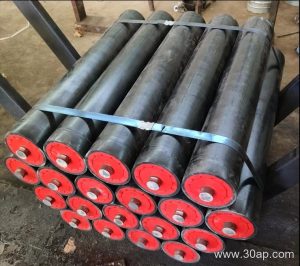
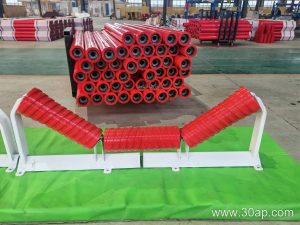
Continuous loops are favored in plants where belt replacement time is costly or where consistent tracking is critical. You will see them in iron ore and copper ore handling, gold mining operations, aggregate conveyor belt lines, crusher conveyor belt discharge, and ship loading conveyors at ports. In underground coal mining, PVG conveyor belt and flame retardant grades are common, often running over idler roller sets and conveyor pulley assemblies that must align with the belt’s closed loop.
The endless format is also useful for pipe conveyor belt systems and for food grade conveyor belt applications where a smooth, joint-controlled surface helps with cleaning and product safety. In recycling and construction waste lines, abrasion resistant conveyor belt loops handle mixed, jagged loads.
Specifications Buyers Should Review
When specifying an endless conveyor belt, buyers should confirm belt width, carcass type, number of plies, cover thickness, and the required tensile strength. Common strength grades for EP belts include EP200, EP400, EP630, EP1000, and EP1250, while steel cord belts may be referenced as ST1000, ST1600, or ST2000. Belt widths often range from 500 mm to 2000 mm, with 800 mm, 1000 mm, and 1200 mm being frequent choices in aggregate and cement plants.
The table below shows representative reference data; actual supply should follow the conveyor designer’s calculation.
| Parameter | Typical reference range |
|---|---|
| Belt width | B500, B650, B800, B1000, B1200, B1400, B1600, B1800, B2000 |
| Fabric carcass | EP200 to EP2000; NN100 to NN400 |
| Steel cord strength | ST1000 to ST3150 |
| Cover thickness | 3+1.5, 4+2, 5+2, 6+2, 8+3 mm |
| Ply count | 2 to 6 (fabric) |
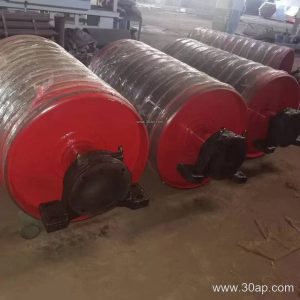
Do not assume that a given belt width fixes a particular pulley diameter or shaft size. Those dimensions are determined by the conveyor’s tension, speed, and pulley arrangement, including drive, tail, and bend pulleys, which are not interchangeable.
Installation and Maintenance Notes
An endless belt must be installed without twisting and with correct alignment to the conveyor frame, conveyor bracket, and idler roller stations. Check pulley lagging and cleaner settings to avoid edge damage. Store the loop on a suitable cradle to prevent kinking. During operation, monitor splice wear, cover gouging, and tracking; a misaligned belt can damage the edge and reduce service life.
For high-abrasion duties, such as quarry conveyor belt or ore conveyor belt service, choose a high abrasion resistant conveyor belt compound and inspect discharge points regularly. In cold climates, a cold resistant conveyor belt helps prevent cracking during startup. For combustible environments, verify that the flame retardant and anti-static properties match the site’s requirements.
To discuss endless conveyor belt options for mining, cement, power, or port projects, visit our site and review the conveyor belt and conveyor pulley data before finalizing the specification.