What a Port Belt Conveyor Pulley Does
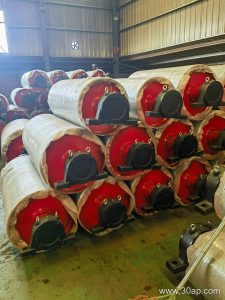
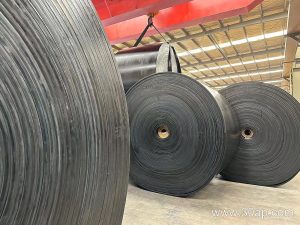
In a port bulk terminal, a port belt conveyor pulley is the cylindrical component that drives or redirects the conveyor belt. It transfers motion from the drive system to the belt and maintains tension along the conveyor route. Unlike a drive pulley, which transmits power, a tail pulley returns the belt, and a bend pulley changes its direction. These roles are distinct and not interchangeable. The pulley works together with the conveyor belt, idler rollers, and conveyor brackets to keep material flowing from ship unloaders to stockyards or loading points.
Construction and Key Components
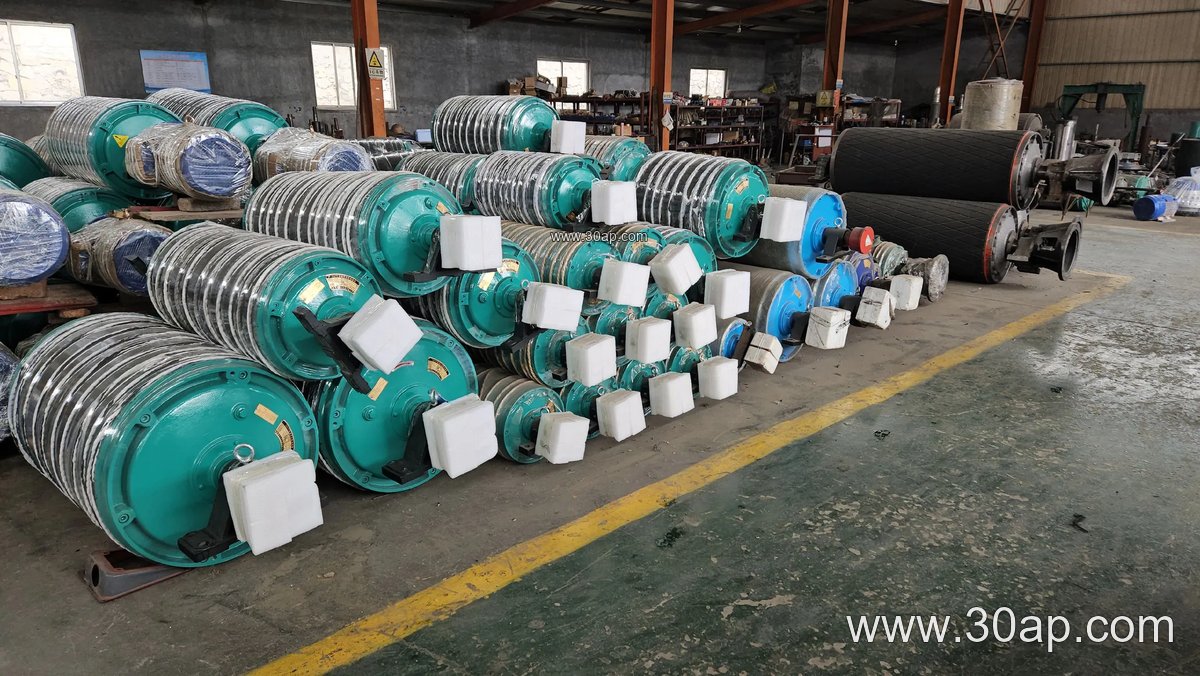
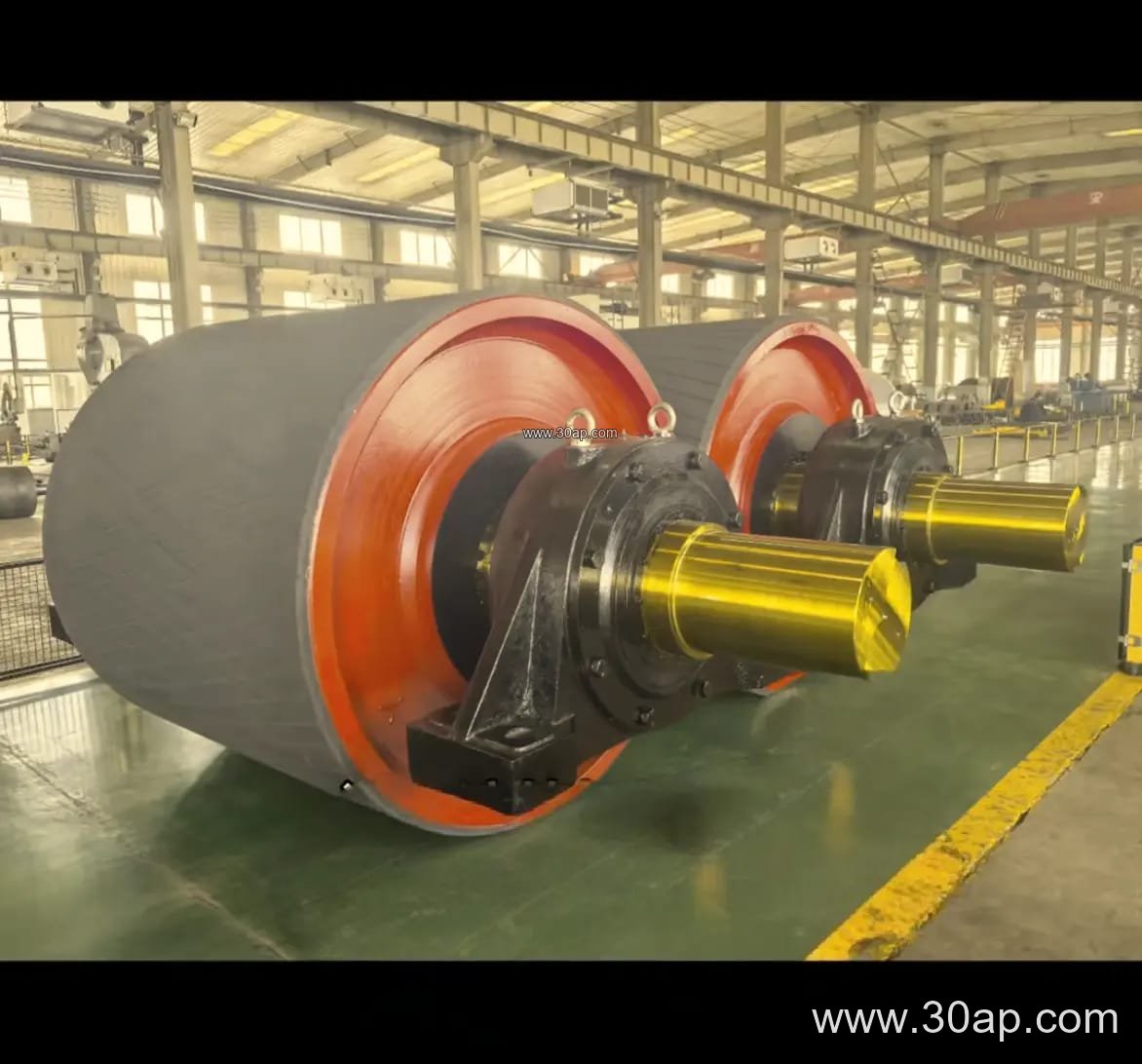
A typical port belt conveyor pulley consists of a steel shell, shaft, hub, and bearing housing. The shell may be plain or covered with rubber, ceramic, or other lagging to improve grip and reduce wear. Common surface forms include flat, diamond, and herringbone lagging, with thicknesses often in the range of 8 to 20 mm. The shaft diameter is determined by torque and load, not by belt width alone. For example, a B1200 conveyor may use a pulley with a shell width around 1400 mm and a diameter of Ø1000, but this is a common reference, not a fixed rule.
Where It Fits in Port Operations
Port conveyors handle a wide range of bulk materials: iron ore, copper ore, coal, limestone, and fertilizer. In a ship loading conveyor system, the pulley must withstand heavy loads and often corrosive salt air. A heavy-duty mining conveyor belt may run alongside the pulley, especially when handling abrasive ore. The pulley also appears in stockyard conveyors, train loading stations, and transshipment links. In these settings, the pulley’s lagging and bearing protection are critical for reliable operation.
Matching Pulley to Belt and Application
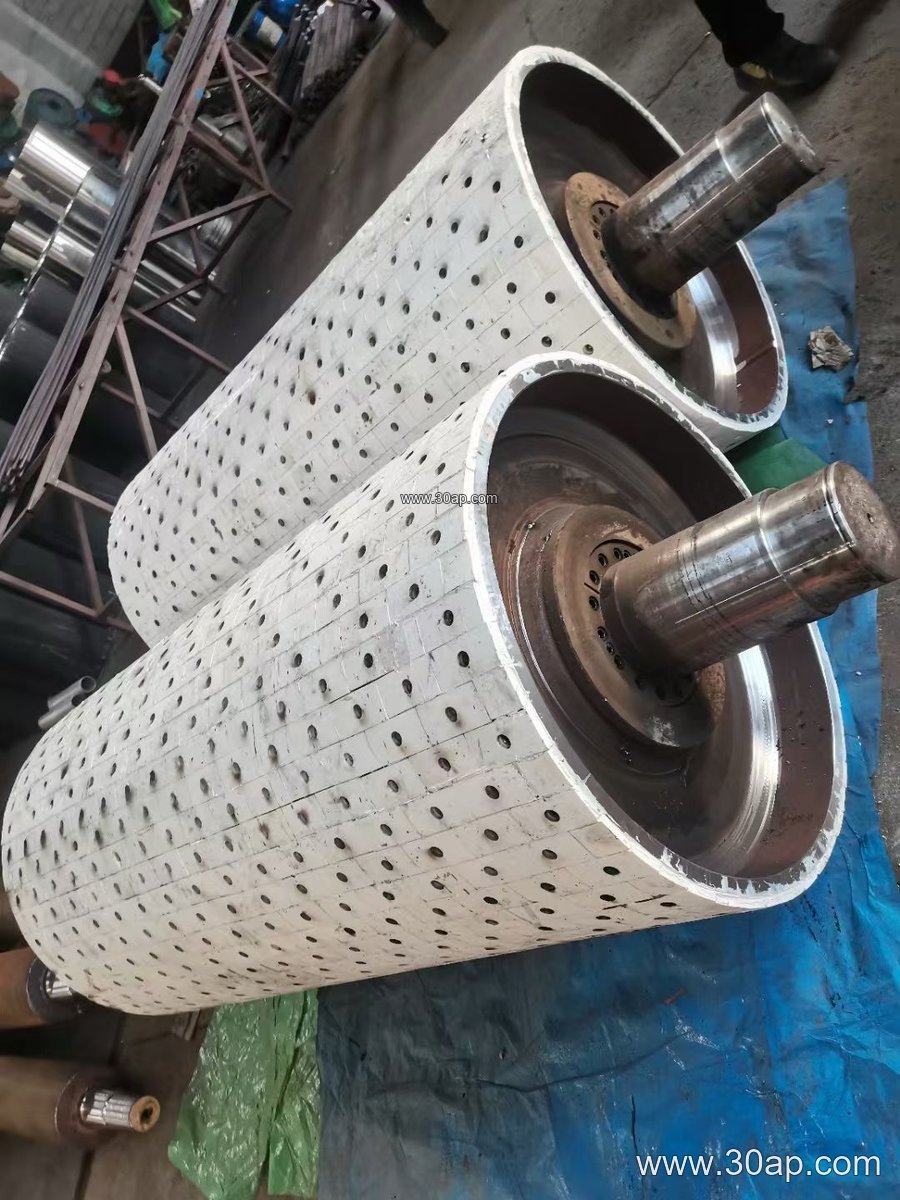
Selecting a port belt conveyor pulley involves more than picking a diameter. The belt type, tension, and environmental conditions all matter. For instance, an EP conveyor belt or steel cord conveyor belt requires a pulley with sufficient diameter to avoid excessive bending stress. A flame retardant conveyor belt used in coal handling may need a pulley with anti-static properties. The table below lists common reference combinations, but actual sizes should be confirmed by design.
| Belt Width (mm) | Common Pulley Diameter (mm) | Typical Shell Width (mm) |
|---|---|---|
| B800 | Ø500 | 950 |
| B1000 | Ø800 | 1150 |
| B1200 | Ø1000 | 1400 |
| B1400 | Ø1250 | 1600 |
| B1600 | Ø1400 | 1800 |
Note that a single belt width can work with multiple pulley diameters depending on the duty. Shaft diameters commonly range from Ø50 to Ø200, but the final choice depends on torque and load calculations.
Buyer Checklist for Port Pulley Procurement
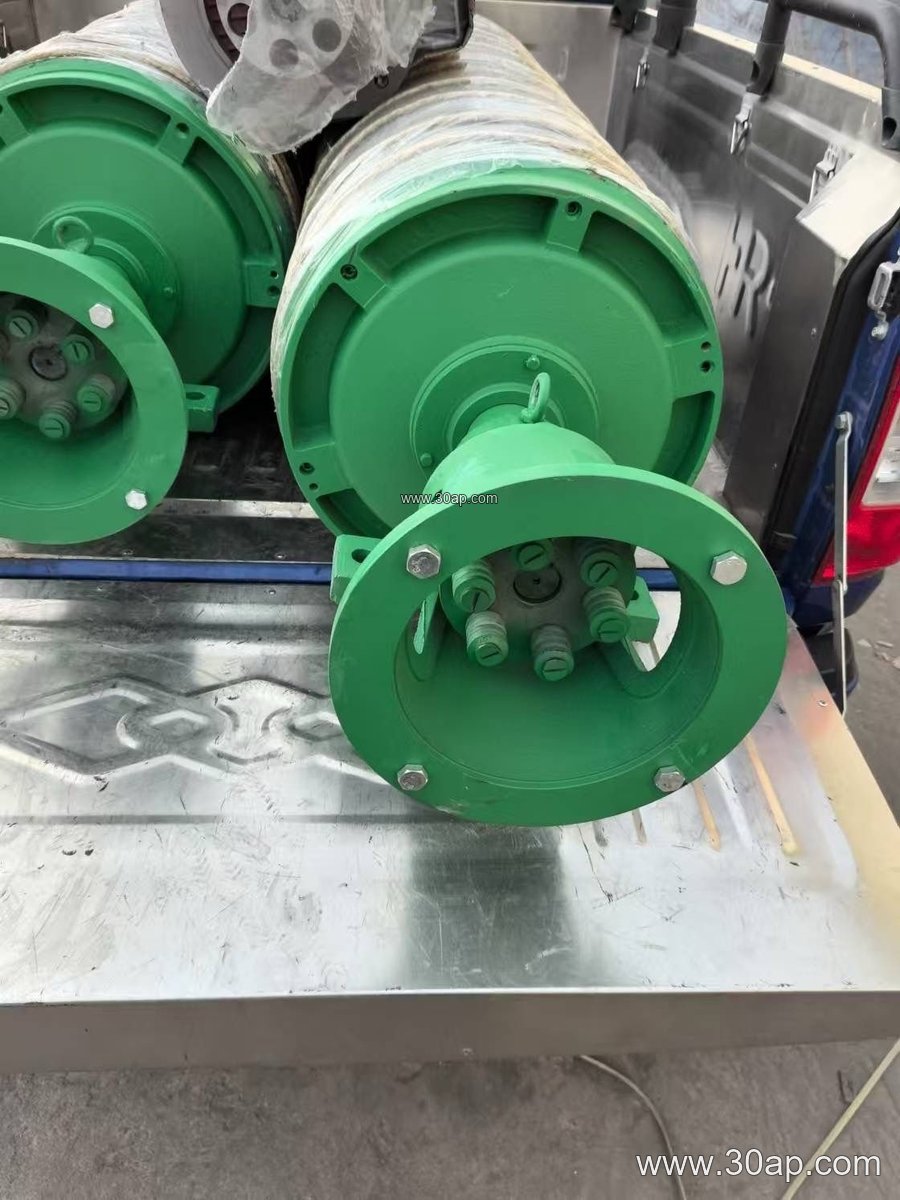
- Confirm the pulley’s role: drive, tail, bend, or take-up. Each has different design requirements.
- Specify lagging type and thickness based on material abrasiveness and required friction. Rubber lagging is common for general bulk, while ceramic lagging suits high-wear areas.
- Provide belt width and type, such as abrasion resistant conveyor belt or heat resistant conveyor belt, to ensure compatibility.
- Check bearing type and sealing, especially for dusty port environments.
- Ask for dynamic balance and run-out tolerances if the pulley will operate at high speed.
Maintenance Practices That Extend Pulley Life
Regular inspection of lagging wear, bearing temperature, and shaft alignment prevents unplanned stoppages. In a coal mining conveyor belt system, for example, lagging wear can reduce grip and cause belt slip. Clean the pulley surface and check for material buildup. Lubricate bearings according to the manufacturer’s schedule. Replace lagging when wear exceeds recommended limits. Keep the conveyor belt tension correct to avoid excessive load on the pulley.
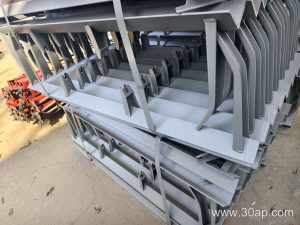
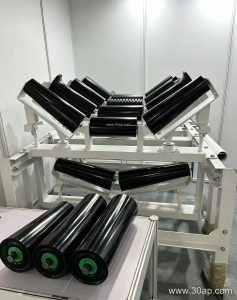
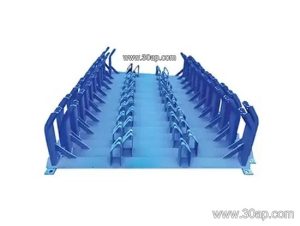
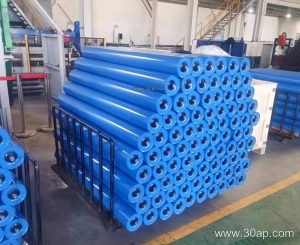
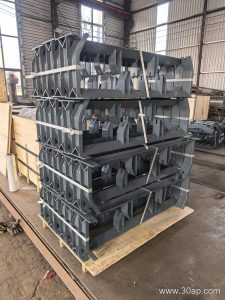
For more information on related components such as conveyor idler roller or conveyor bracket, consult your conveyor system supplier. A well-matched port belt conveyor pulley, combined with quality conveyor belt and idler roller, supports efficient bulk material handling in ports, power plants, and cement terminals.